Tree Moss Absolute
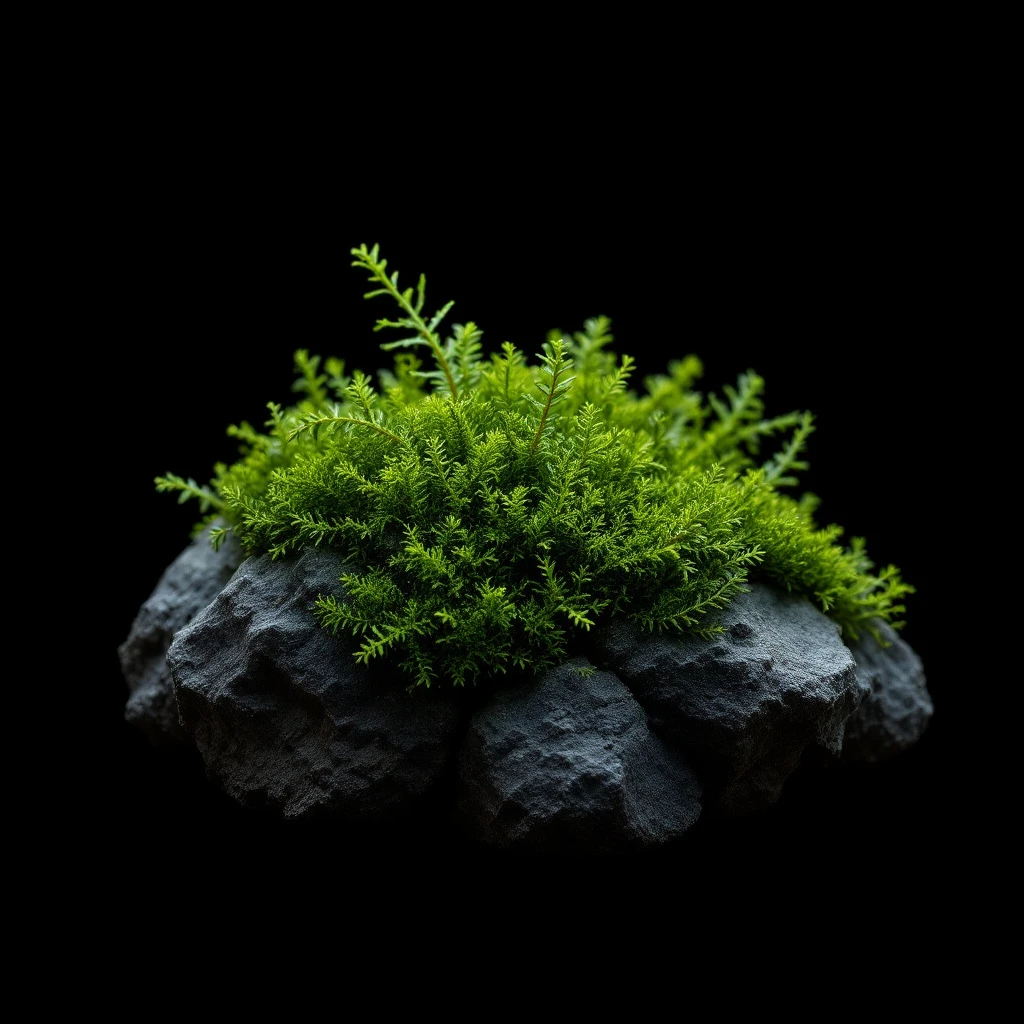
A forest-floor accord in a bottle. Tree Moss Absolute captures the damp, resinous soul of coniferous woodlands—lichens hand-harvested from spruce, pine, and fir bark, then solvent-extracted into a rich, complex concentrate that defines masculine and chypre fragrances across perfumery history.
Character
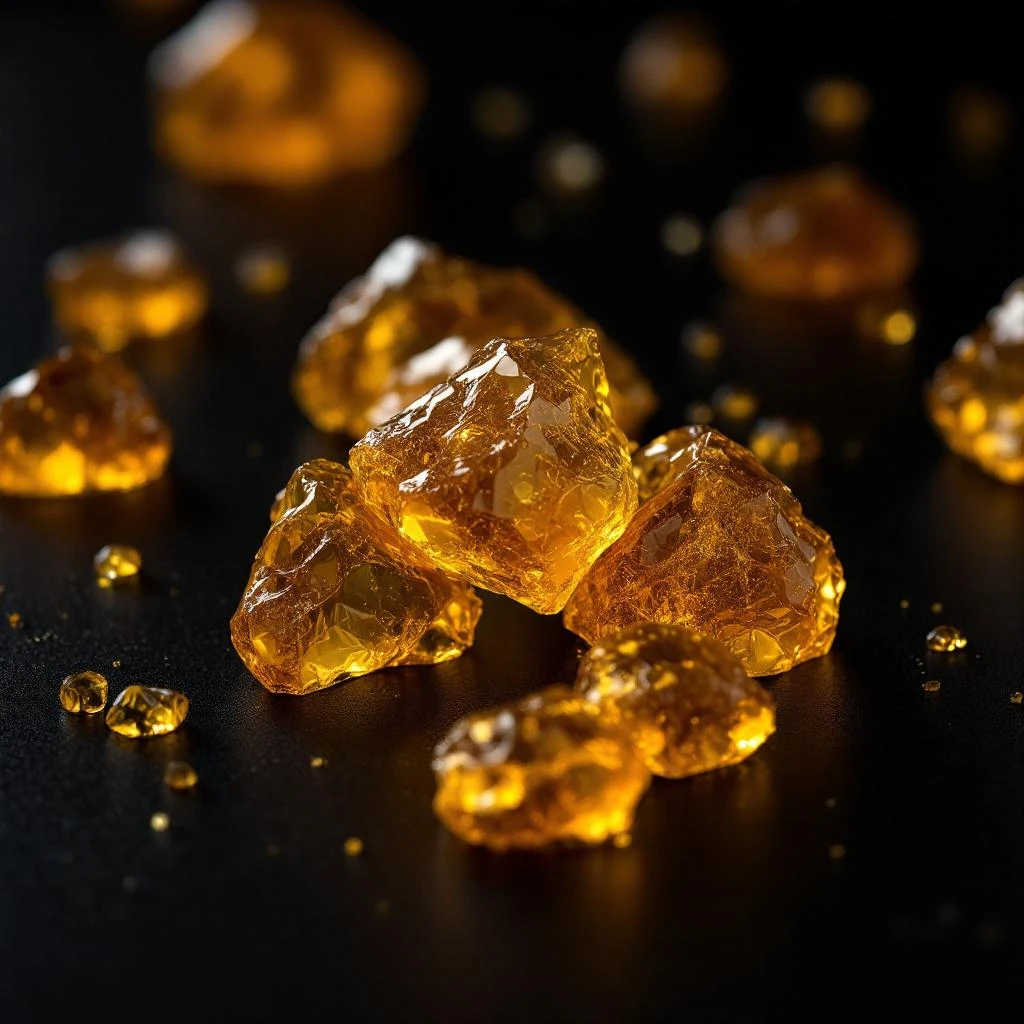
How it smells
The aromatic soul of a coniferous forest.
Despite sharing the 'moss' name, tree moss and oakmoss grow on entirely different trees and deliver noticeably distinct scent profiles to perfumers.




Origin
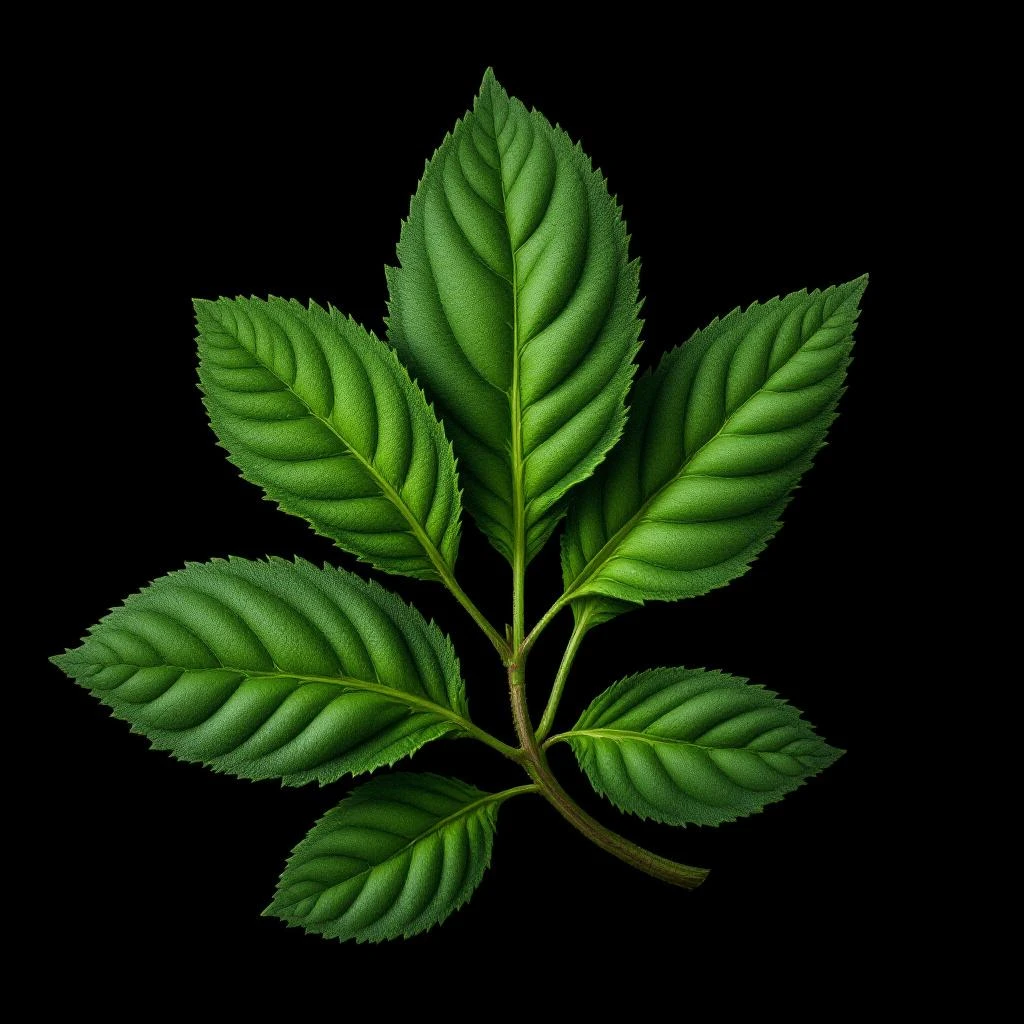
France
Lichens have served human cultures for centuries, valued as much for their preservative and aromatic properties as for their medicinal applications. In traditional European folk practices, mosses gathered from forest trees were used to scent living spaces and preserve other materials. The formalized use of tree moss in perfumery emerged alongside the great fragrance houses of 19th-century France and Switzerland, where the earthy, woodland character of moss extracts became prized for adding depth and natural authenticity to compositions.
The material found its defining role in the chypre and fougère families, two of perfumery's most influential fragrance families. Chypre perfumes, exemplified by François Coty's landmark 1917 creation, relied on the mossy, aromatic quality that tree moss and its cousin oakmoss provided. The post-war period saw tree moss become a staple of masculine fragrance formulations worldwide, prized for its ability to evoke outdoor spaces and natural richness.
Regulatory developments in the early 21st century, particularly IFRA restrictions on certain lichen constituents, prompted reformulation of many classic fragrances while also encouraging innovation in how perfumers work with these materials. Today, tree moss absolute maintains its position as a cornerstone of forest, fougère, and chypre compositions, valued by perfumers who seek an authentic, complex woodland character that synthetic alternatives have never fully replicated.
Wears it best
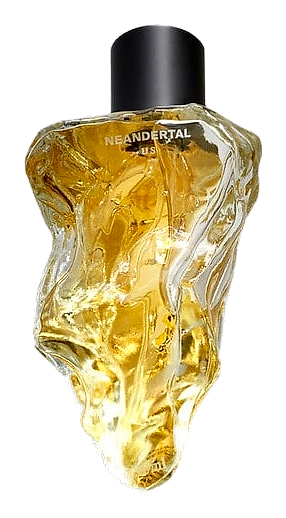
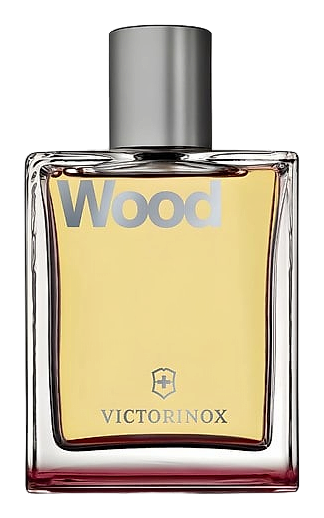
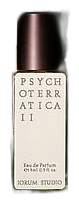
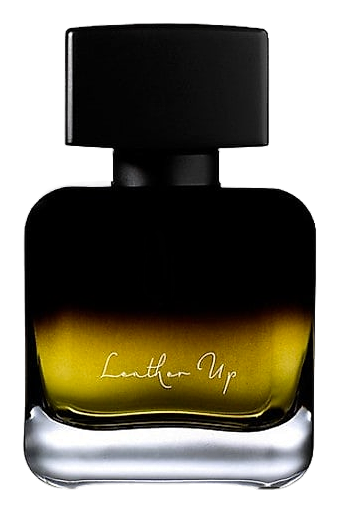
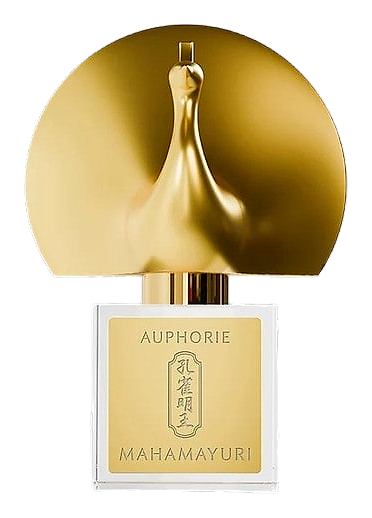
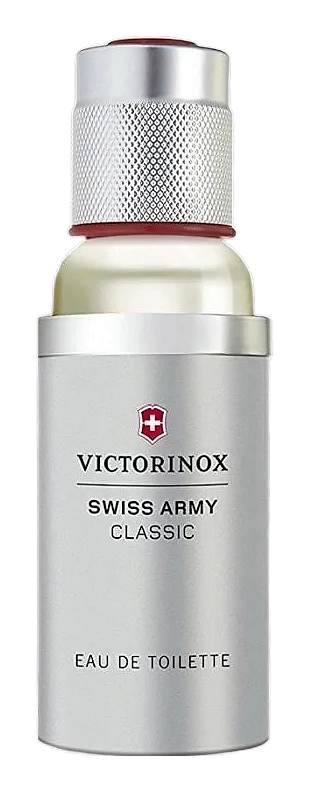
Fragrances featuring Tree Moss Absolute
Brands
Brands known for Tree Moss Absolute
Good to know
Questions, answered
The essentials on Tree Moss Absolute in perfumery: how it smells, where it comes from, and how it behaves on skin.
What is Tree Moss Absolute?
Tree Moss Absolute is a highly concentrated aromatic extract produced by solvent extraction from lichens that grow on coniferous trees, primarily spruce. It delivers a warm, resinous, mossy aroma with fir balsam undertones. Perfumers classify it separately from oakmoss due to its distinct botanical origin and scent profile.
How is Tree Moss Absolute extracted?
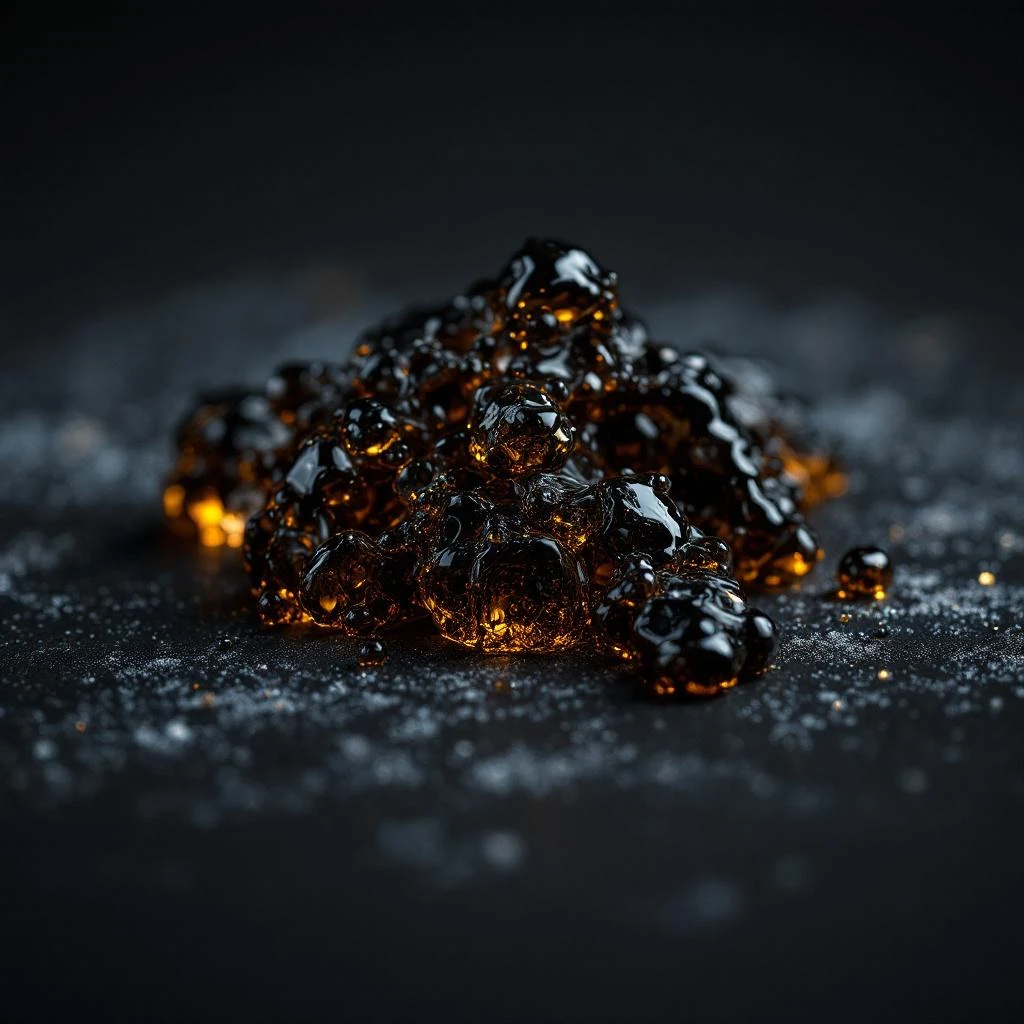
Harvesters collect lichen from conifer bark, then processing facilities use solvent extraction—typically with non-polar solvents—to draw out the aromatic compounds. The solvent is removed under vacuum, leaving a viscous, brownish-green absolute with a complex, resinous character.
Where does Tree Moss Absolute come from?
France processes the largest volume of tree moss, working with imported lichen from various forest regions. Germany, Hungary, and other Central European countries also produce smaller quantities. Coniferous forests across these regions supply the raw lichen material.
What does Tree Moss Absolute smell like?
The material presents a warm, mossy, resinous character with prominent fir balsam notes and an earthy depth that evokes damp forest floors. Its complexity includes subtle phenolic and slightly animalic undertones that add dimensionality to fragrance compositions.
What fragrances use Tree Moss Absolute?
Tree Moss Absolute appears in masculine fragrances, chypre compositions, and fougère structures where its forest character adds depth and natural resonance. It works particularly well alongside lavender, coumarin, and woody base materials in classic and contemporary formulas.
Is Tree Moss Absolute natural?
Yes. Tree Moss Absolute derives entirely from natural lichen harvested from coniferous trees. No synthetic replication captures the full complexity of its aromatic profile, though fragrance houses do offer related aromatic materials for different formulation needs.
How does Tree Moss Absolute differ from Oakmoss Absolute?
The two materials grow on different trees—tree moss on conifers like spruce and pine, oakmoss on oak trees—and deliver noticeably different scent profiles. Tree moss carries more resinous, fir-like qualities, while oakmoss presents darker, more distinctly earthy character. Regulatory bodies classify them separately.
Is Tree Moss Absolute regulated in perfumery?
Yes. IFRA guidelines establish usage concentration limits for tree moss absolute in consumer products, primarily due to certain constituents present in natural lichen extracts. Responsible manufacturers follow these standards, and reformulations of classic fragrances have addressed evolving regulatory requirements.