Walnut Leaf
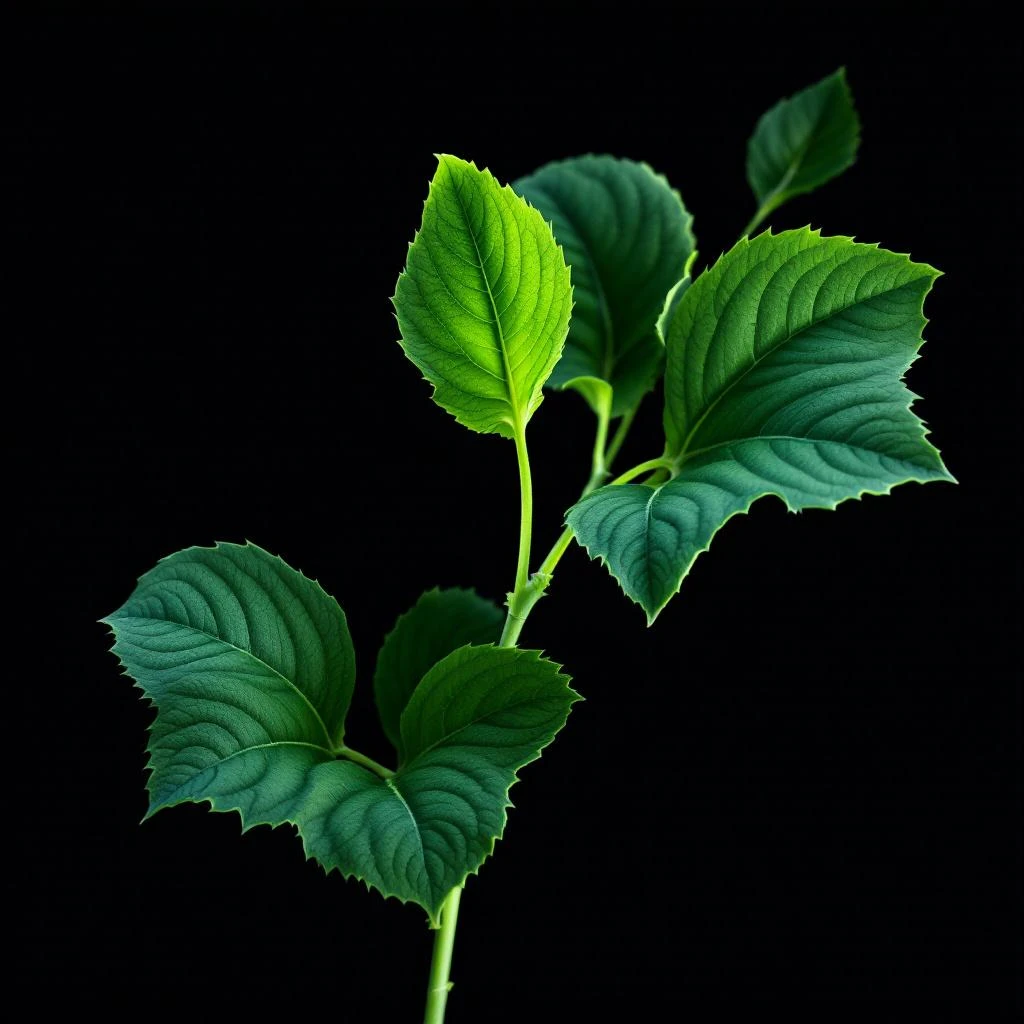
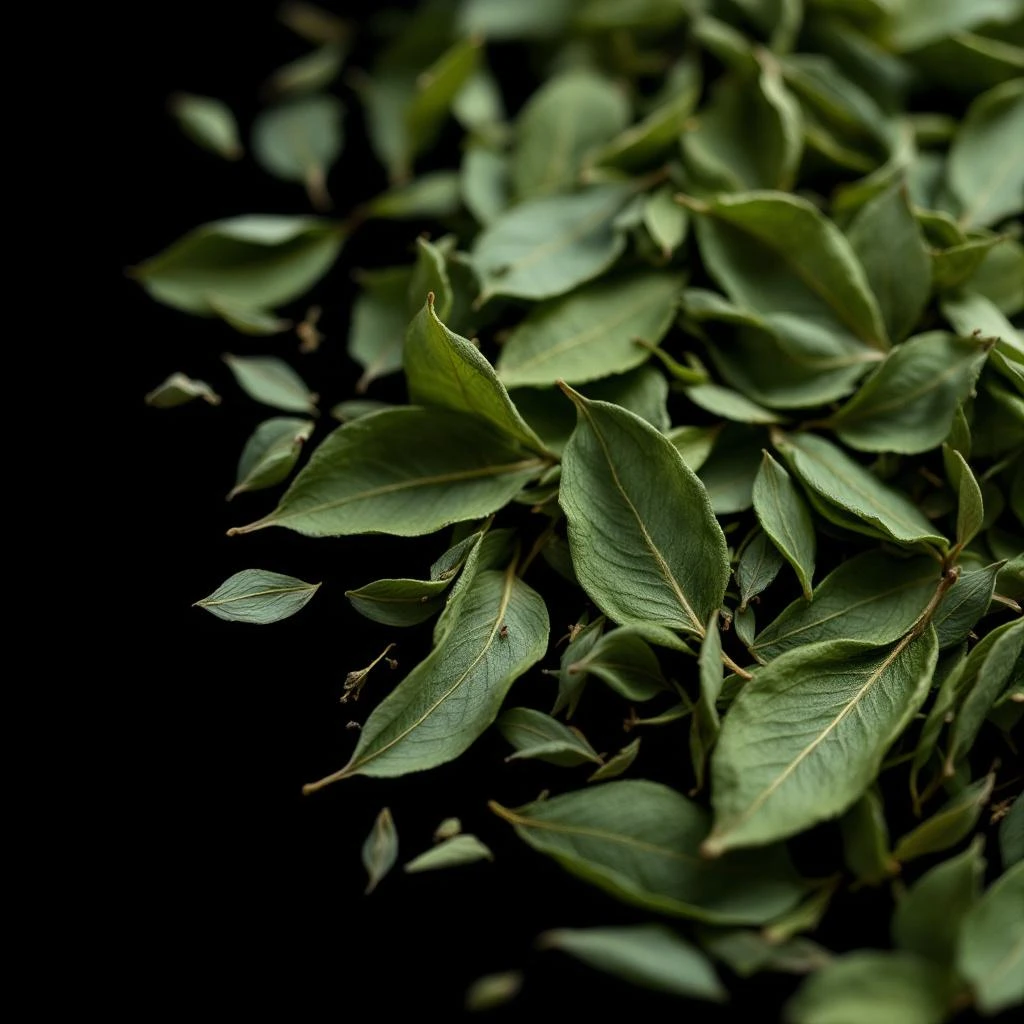
Walnut Leaf captures the dry, green character of walnut foliage: softly bitter, gently herbal, and touched with the clean woodsiness associated with a shaded garden.
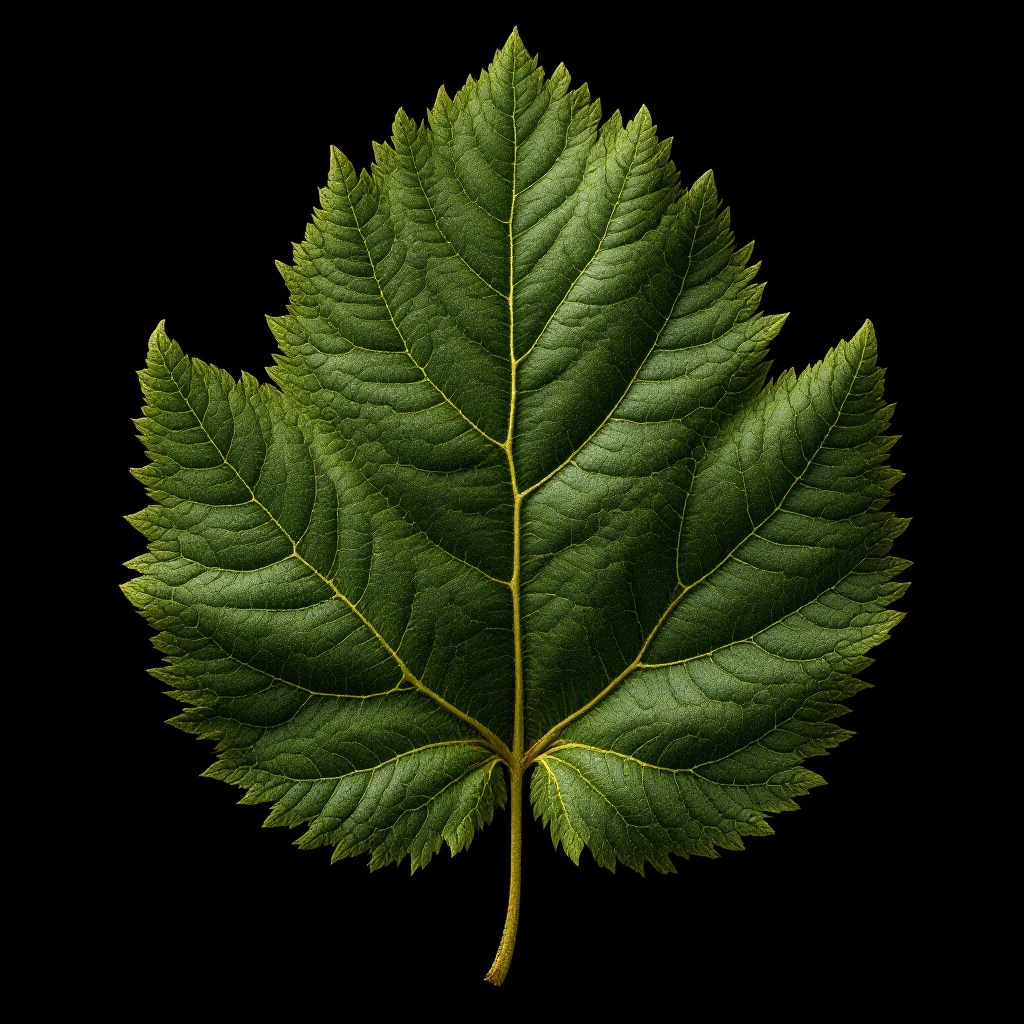
Character
How it smells
Dry green foliage with a polished woody edge.
Walnut leaf itself does not yield a standard fragrance-grade essential oil, so perfumers reproduce its impression with carefully selected aromatic materials.


Origin
France
Walnut has a long history as a cultivated tree and a source of food, wood, and shade. Its association with European gardens, orchards, and temperate landscapes gave the leaf a familiar character in the imagination of early modern perfumers, even before standardized fragrance materials were available. Historically, perfumes were assembled from aromatic plants, resins, oils, and animal-derived ingredients; modern organic synthesis expanded the palette from the nineteenth century onward and allowed perfumers to express impressions such as walnut leaf more precisely.
The material does not have a single classic extraction method of its own, and it is rarely listed as a standalone fragrance ingredient. Instead, walnut-leaf effects developed through blending green botanicals, aromatic woods, and synthetic molecules. Its enduring appeal lies in this descriptive role: it evokes a recognizable sensory impression of foliage and shade without reproducing the raw odor of the tree.
In contemporary perfumery, that clarity helps give herbal and woody compositions a drier, more structured center.
Wears it best
Fragrances featuring Walnut Leaf
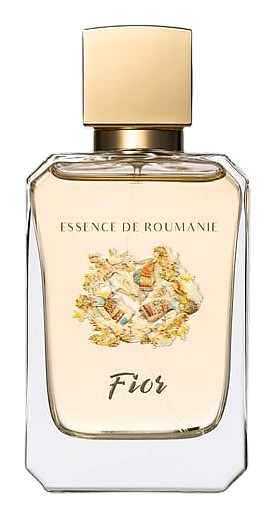
Brands
Brands known for Walnut Leaf
Good to know
Questions, answered
The essentials on Walnut Leaf in perfumery: how it smells, where it comes from, and how it behaves on skin.
What does walnut leaf smell like in perfume?
Walnut Leaf usually smells dry, green, herbal, and woody, with a faint bitter edge. It evokes shaded foliage rather than the sweet, oily aroma associated with walnuts themselves.
Is walnut leaf a natural essential oil?
It is not normally available as a standard fragrance-grade essential oil. Perfumers recreate the impression with a combination of botanicals, aromatic woods, and synthetic aroma chemicals.
Which part of the walnut tree is used in perfumery?
The name refers to the character of walnut foliage, but fragrance materials are not commonly extracted from the leaves. The note is built from green, bitter, herbal, and woody materials that suggest the leaf.
Does walnut leaf smell like walnuts?
No. Walnut Leaf is generally drier and more vegetal, while the edible walnut has a rich, fatty, slightly nutty character. The note describes foliage, not the fruit kernel.
What fragrance family is walnut leaf?
Walnut Leaf sits mainly between green and woody fragrance families. Its herbal bitterness and clean foliage quality can also place it within aromatic or chypre structures.
Is walnut leaf suitable for unisex fragrances?
Yes. Its restrained green-woody profile works across masculine, feminine, and shared compositions, particularly alongside vetiver, sage, cedar, mint, or soft resins.
Why is walnut leaf used in perfume?
It adds a dry, shaded quality that can sharpen herbs and give woods a greener, more natural-looking structure. One specific role is to bridge aromatic botanicals with deeper woody materials.
Does walnut leaf perfume contain real walnut extract?
Most formulations do not contain meaningful natural walnut leaf extract because no standard fragrance-grade extraction is used. The effect comes from selected fragrance materials, including synthetic components.