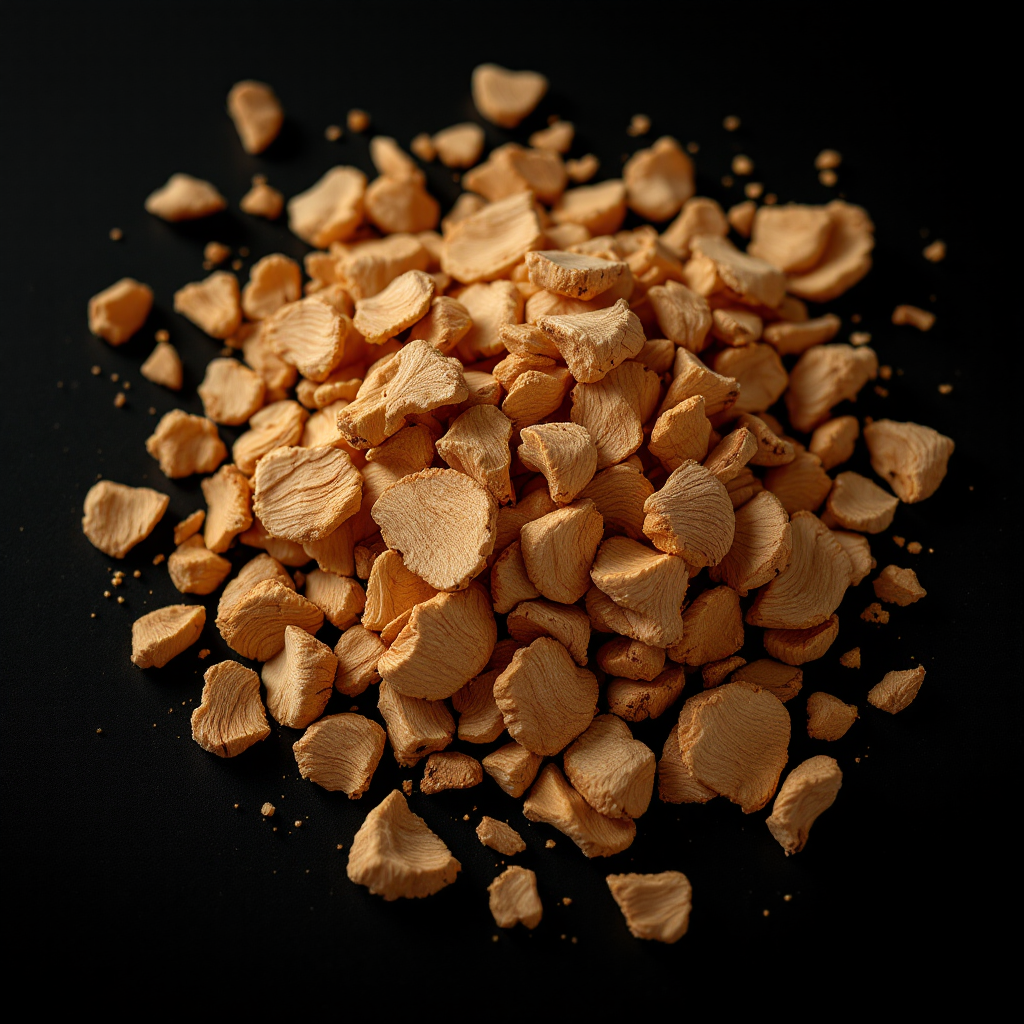
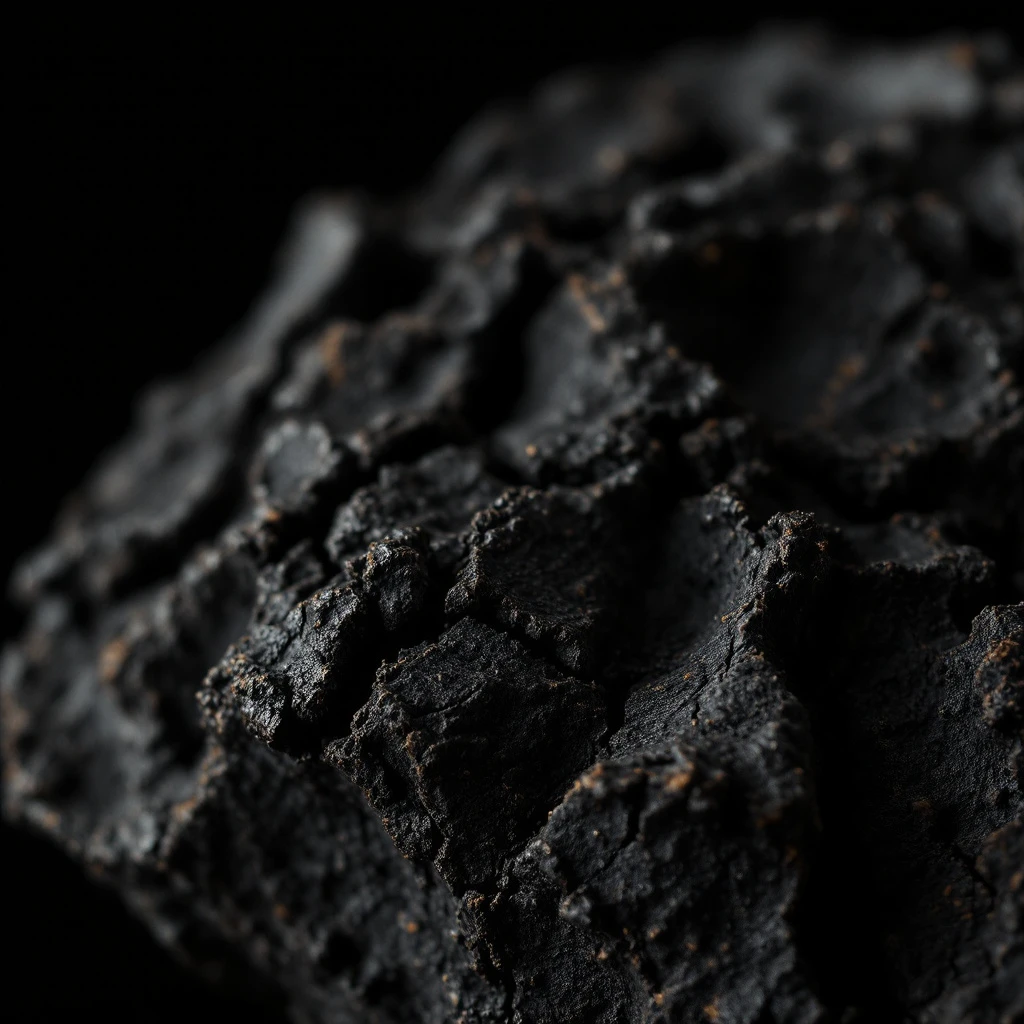
Charred Black Locust Wood
Smoke-darkened black locust wood brings a dry, mineral depth to compositions, carrying the quiet weight of scorced timber and cooling embers.
Character
How it smells
Smoldering wood with a mineral, resinous edge.
Black locust ranks among the most durable North American hardwoods, a toughness that long made it a favored wood for fence posts and tool handles.


Origin
United States
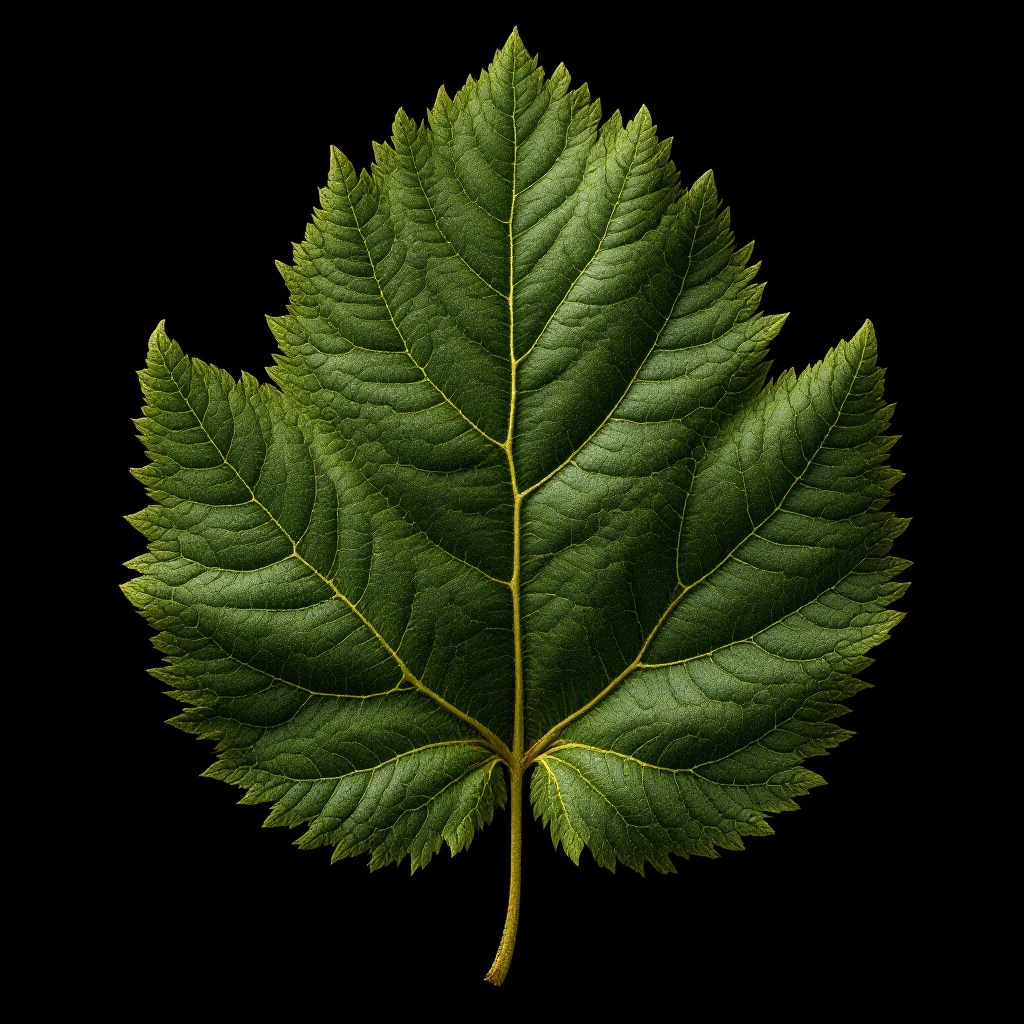
Black locust, or Robinia pseudoacacia, grew across the eastern and central United States long before European and North American furniture makers began to prize its dense, weather-resistant timber. Settlers used the wood for shipbuilding, posts, and long-lasting outdoor structures, while craft workers valued its fine grain for turned objects and decorative panels. Its history in fragrance is less direct.
Unlike cedar, sandalwood, or agarwood, black locust has no major tradition as a perfume material, and the charred interpretation is largely a modern creative construction rooted in the established vocabulary of wood smoke. European perfumery borrowed heavily from the aromatic traditions of cedar, labdanum, and incense, where smoke communicates ritual, distance, and warmth. Black locust's own character adds a distinctly North American note: hard, durable, agricultural, and elemental.
In modern compositions, that background history gives the charred effect a credible sense of place, even when the olfactory result is assembled from multiple materials.
Wears it best
Fragrances featuring Charred Black Locust Wood
Brands
Brands known for Charred Black Locust Wood
Good to know
Questions, answered
The essentials on Charred Black Locust Wood in perfumery: how it smells, where it comes from, and how it behaves on skin.
What does charred black locust wood smell like?
It smells like dry wood reduced to embers, with scorched, mineral, and faintly resinous notes. The effect is closer to cooling ash than to a fresh-cut forest or heavy camp smoke.
Is black locust a standard natural perfume ingredient?
No. Black locust heartwood is not widely distilled into a conventional fragrance oil, so the note usually appears as a composed accord. Perfumers combine vetiver, cade, birch tar, and synthetic smoke materials to suggest its character.
Where does black locust wood come from?
Black locust is native to North America and grows across the eastern and central United States. The species was later planted widely in Europe and other temperate regions for erosion control and timber.
How strong is the smoky effect of this note?
It can be intense, especially in materials such as birch tar or cade. Formulators generally keep it in the base notes and use small amounts to add depth without overpowering resins, incense, or leather.
What perfumes pair well with charred black locust?
It pairs naturally with vetiver, incense, leather, amber, and mineral accords. These materials share its dry, smoky depth, while florals and fresh citrus can create a sharper contrast around it.
Why is black locust wood historically valued?
The wood has been prized for structural uses because it resists rot and holds its strength outdoors. Settlers used it for fence posts, tool handles, and shipbuilding before fine furniture makers selected it for decorative work.
Does charred black locust contain oud or agarwood?
No. Oud is an aromatic resin formed inside Aquilaria trees and carries a richer, resinous profile. Black locust offers a distinct wood-smoke impression without containing oud or mimicking its legendary status.
Is black locust the same as blackthorn or black walnut?
No. Black locust belongs to the pea family and has the botanical name Robinia pseudoacacia. Blackthorn and black walnut are different trees, though their darker woods can also contribute to smoky, woody compositions.