Violet Wood
Violet Wood: a distinctive fragrant material bridging powdery floral sweetness with warm, resinous woody depth. A cornerstone of vintage perfumery now rarely encountered in its natural form, prized for its ability to connect floral hearts to woody foundations.
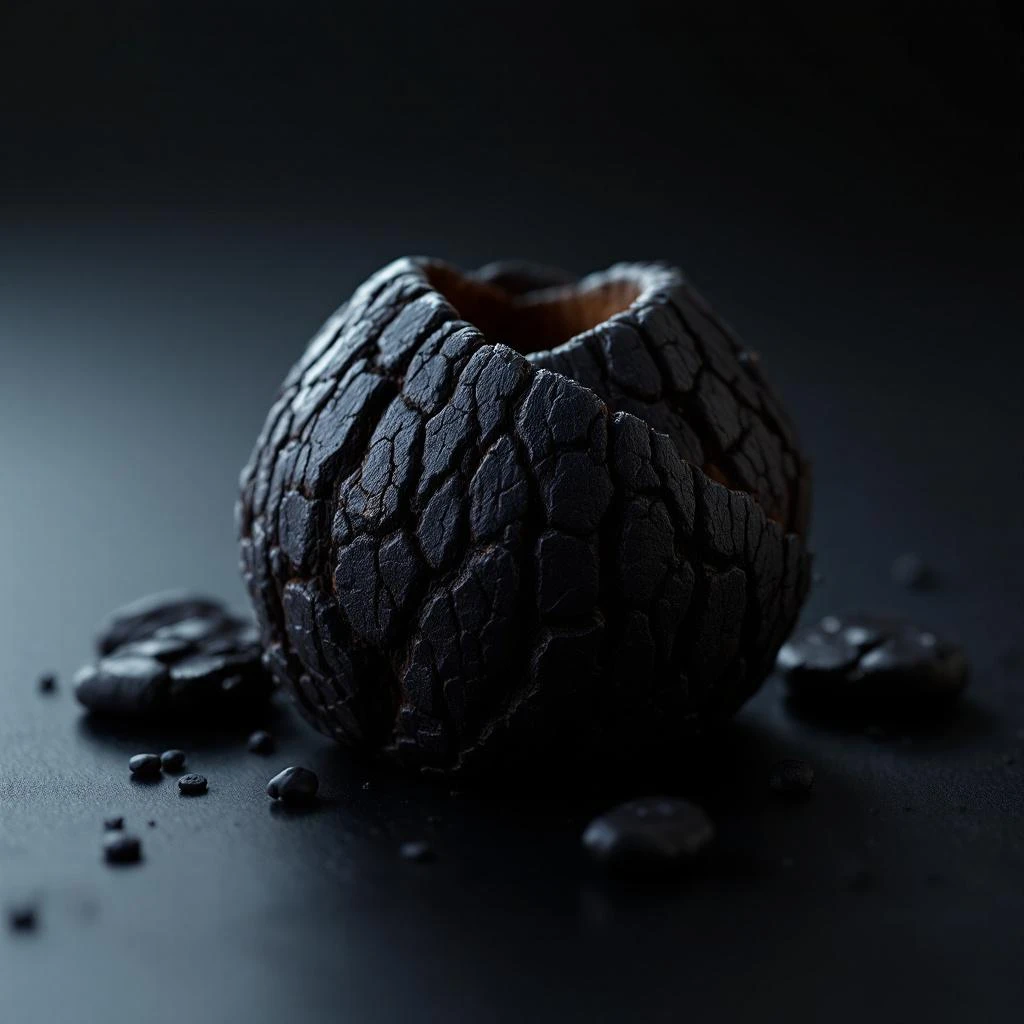
Character
How it smells
Where powdery violet meets warm wood
Violet wood contains ionones, the same aromatic molecules that give violets their characteristic scent, creating a natural bridge between floral and woody perfumery.








Origin
France
The history of violet in perfumery stretches back to Ancient Greece, where perfumers blended floral extracts including violet with olive oil bases. By the 1890s, violet had become the reigning fragrance of European fashion, gracing perfumes, soaps, cold creams, and sachets alike. Natural violet wood materials gained prominence as perfumers sought to capture the elusive violet note in forms that could serve as base materials rather than fleeting top notes.
The introduction of volatile solvent extraction in the late 1890s by Etablissements Antoine Chiris revolutionized access to concentrated floral materials, including violet wood derivatives. By the 1930s, vintage formulas using these haute couture natural extracts had created masterpieces that remain difficult to reproduce without access to similar quality materials.
Wears it best
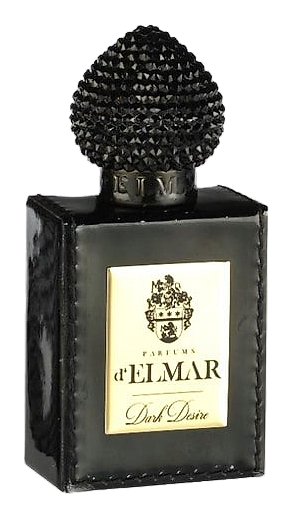
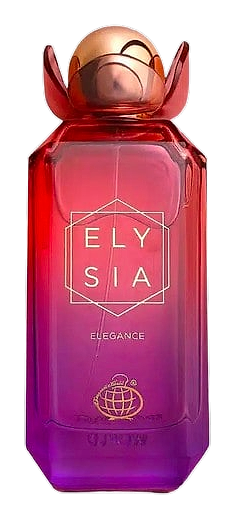
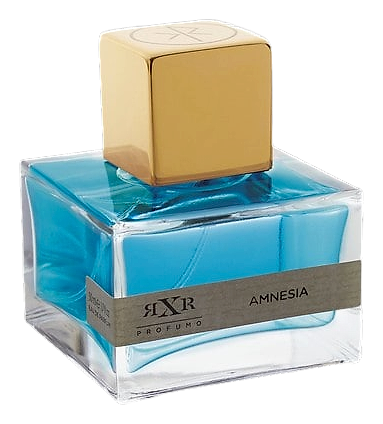
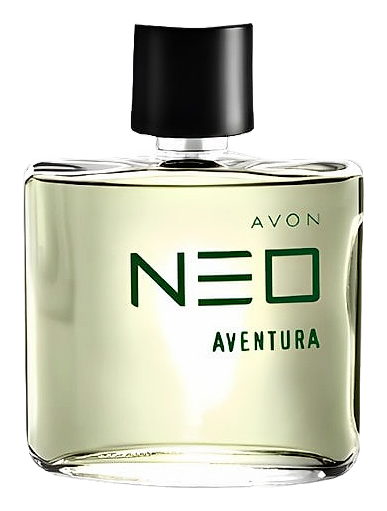
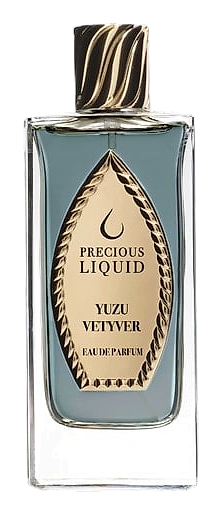
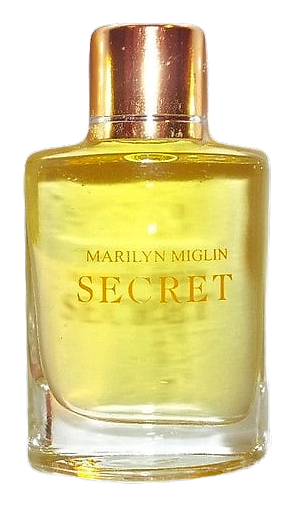
Fragrances featuring Violet Wood
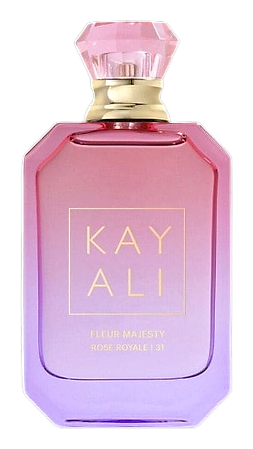
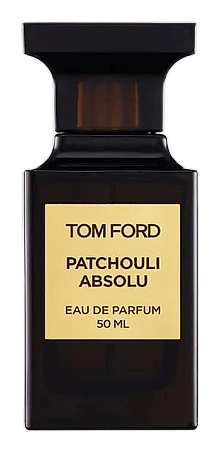
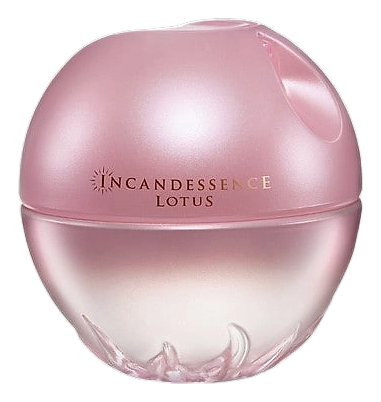
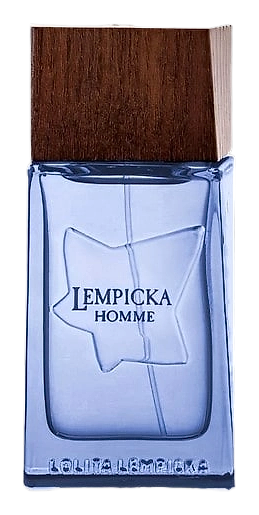
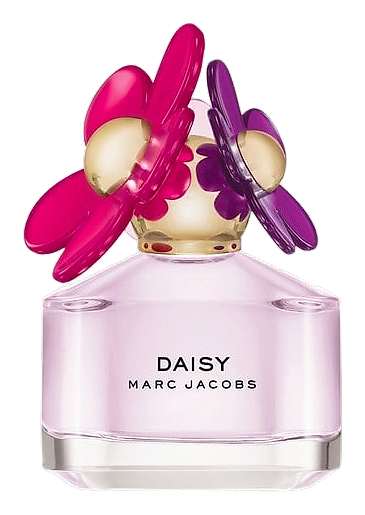
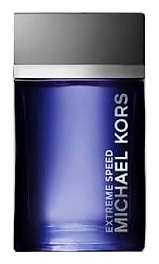
Brands
Brands known for Violet Wood
Good to know
Questions, answered
The essentials on Violet Wood in perfumery: how it smells, where it comes from, and how it behaves on skin.
What does Violet Wood smell like?
Violet Wood combines warm, woody base notes with the powdery, slightly sweet character of violet. It offers a dry, resinous quality with floral undertones that bridge middle and base notes effectively.
Is Violet Wood a natural or synthetic material?
Violet Wood exists in both natural and synthetic forms. Natural Violet Wood comes from specific woody plants processed through solvent extraction, while synthetic versions rely on concentrated ionones to replicate the effect.
What perfumes traditionally feature Violet Wood?
Classic perfumes from Guerlain, Caron, and Roure from the 1930s to 1960s commonly used violet materials including violet wood in complex, multi-layered constructions.
Why is natural Violet Wood rare today?
Natural violet flower extracts became almost extinct after WWI, and sourcing quality violet-scented wood materials has grown increasingly difficult as traditional cultivation practices declined.
How does Violet Wood work in perfumery compositions?
Violet Wood serves as an effective bridge between floral heart notes and woody base notes, adding warmth and depth while maintaining connectivity to the overall fragrance structure.
What are ionones in relation to Violet Wood?
Ionones are the primary aromatic compounds in violet that create its characteristic powdery, slightly woody scent. These molecules appear naturally in violet wood materials and are crucial to the violet olfactory experience.
How is Violet Wood different from Violet Leaf Absolute?
Violet Leaf Absolute offers green, watery freshness reminiscent of cucumber and cut grass, while Violet Wood provides warm, powdery, woody depth with a sweeter character closer to the flower itself.
Can Violet Wood be combined with other fragrance families?
Violet Wood pairs exceptionally well with iris, rose, and other florals while also bridging beautifully to woody, ambery, and even spicy fragrance families, offering remarkable versatility.




