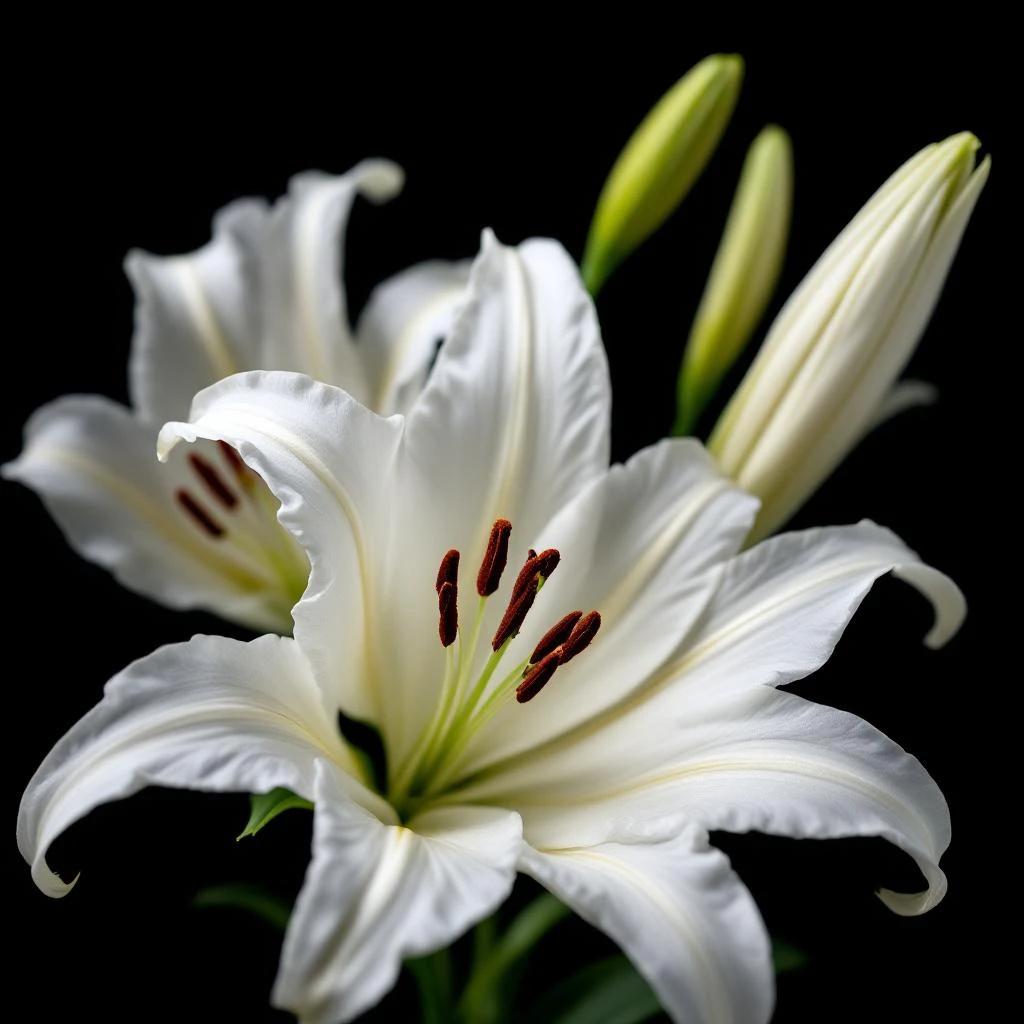
Violet Water
A delicate floral water that captures the ephemeral beauty of violets. Despite being a mute flower that yields no traditional essential oil, violet water has perfumed royal courts and inspired perfumers for centuries through patient, artisanal methods.
Character
How it smells
The royal mute: beauty born from impossibility.
The violet is one of perfumery's true paradoxes—it scents the air with unmistakable sweetness yet produces no oil through standard extraction. Only gentle aqueous methods can capture its fleeting whisper.



Origin
France
Violet water carries centuries of royal favor. Queen Elizabeth I used water of violets daily, a preparation created by her perfumer Ralph Rabbards that she continued until her death. Napoleon Bonaparte shared this affection—historians note he slept with a bottle of violet-scented water beside him and ordered violet cultivation expanded throughout France.
The connection between violets and European royalty runs deeper still. When Marie Louise, Duchess of Parma and Napoleon's second wife, established herself in Italy, violet cultivation became a significant industry in the Parma region, which remains renowned for its fragrant parma violets to this day. Before synthetic aromatics emerged in the late 19th century, violet water was among the few ways perfumers could incorporate this beloved flower into compositions.
The mute violet forced artisans to innovate, creating a niche for aqueous preparations that persists in modern natural perfumery.
Wears it best
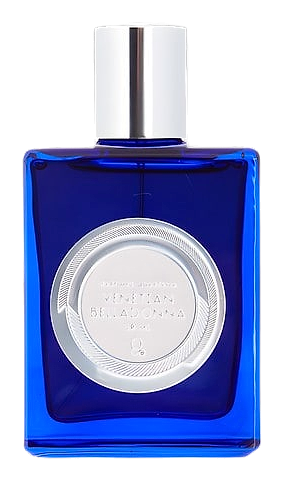
Fragrances featuring Violet Water
Brands
Brands known for Violet Water
Good to know
Questions, answered
The essentials on Violet Water in perfumery: how it smells, where it comes from, and how it behaves on skin.
What is violet water in perfumery?
Violet water is a fragrant aqueous preparation made by macerating fresh violet petals in water. It captures the delicate scent of violets, which cannot be extracted via steam distillation because the flowers lack sufficient volatile oil compounds.
Why is the violet called a mute flower?
Violets are termed mute flowers because their petals contain no essential oil that can be extracted through conventional steam distillation. The aromatic compounds are too heavy to vaporize, requiring alternative methods like aqueous extraction.
What does violet water smell like?
Violet water delivers a gentle, sweet floral aroma with powdery, slightly dewy characteristics. It carries the recognizable violet character—soft, romantic, and subtly melancholic—without the intensity of a concentrated essential oil.
How is violet water produced?
Fresh violet petals are macerated in cold or gently warmed water for extended periods. The aromatic molecules dissolve into the water, which is then filtered and preserved. The process yields a modest amount of fragrant liquid from a large quantity of flowers.
Which countries produce violet water?
France, particularly the region around Toulouse, has historically been the primary source of violet water. Italy's Parma region also produces violet preparations. Both areas have centuries of violet cultivation behind them.
Can violet water replace violet absolute?
Violet water is far less concentrated than violet absolute and offers a gentler scent profile. It works well in natural perfumery for its subtle floral character but cannot replicate the depth or longevity of a true violet absolute.
Is violet water natural?
Authentic violet water produced through traditional aqueous maceration is completely natural. However, some commercial preparations labeled violet water may contain synthetic fragrance compounds. Always verify the production method.
What fragrances use violet water?
Violet water appears in fine natural perfumes, particularly those targeting a soft, vintage aesthetic. It suits floral, green, and chypre compositions where a gentle violet character complements other notes without dominating.