Vermont Maple
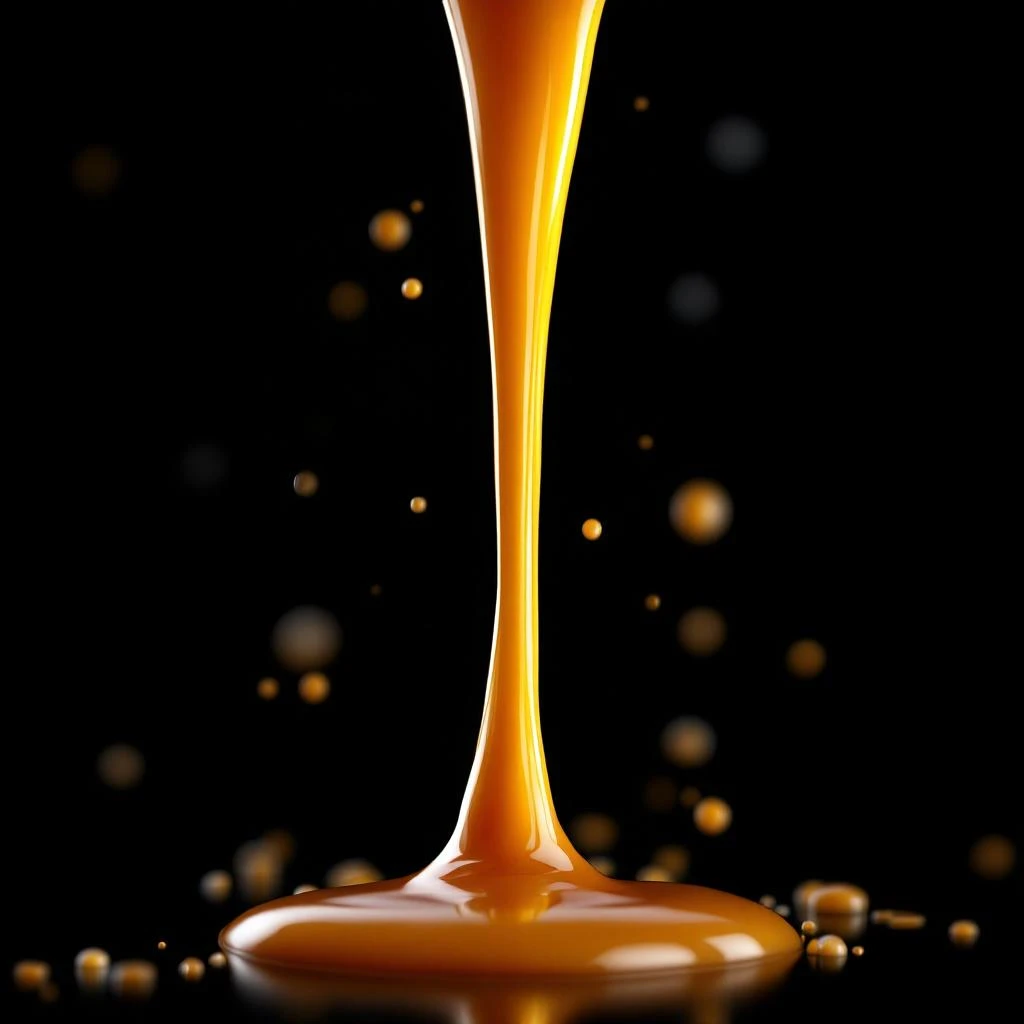
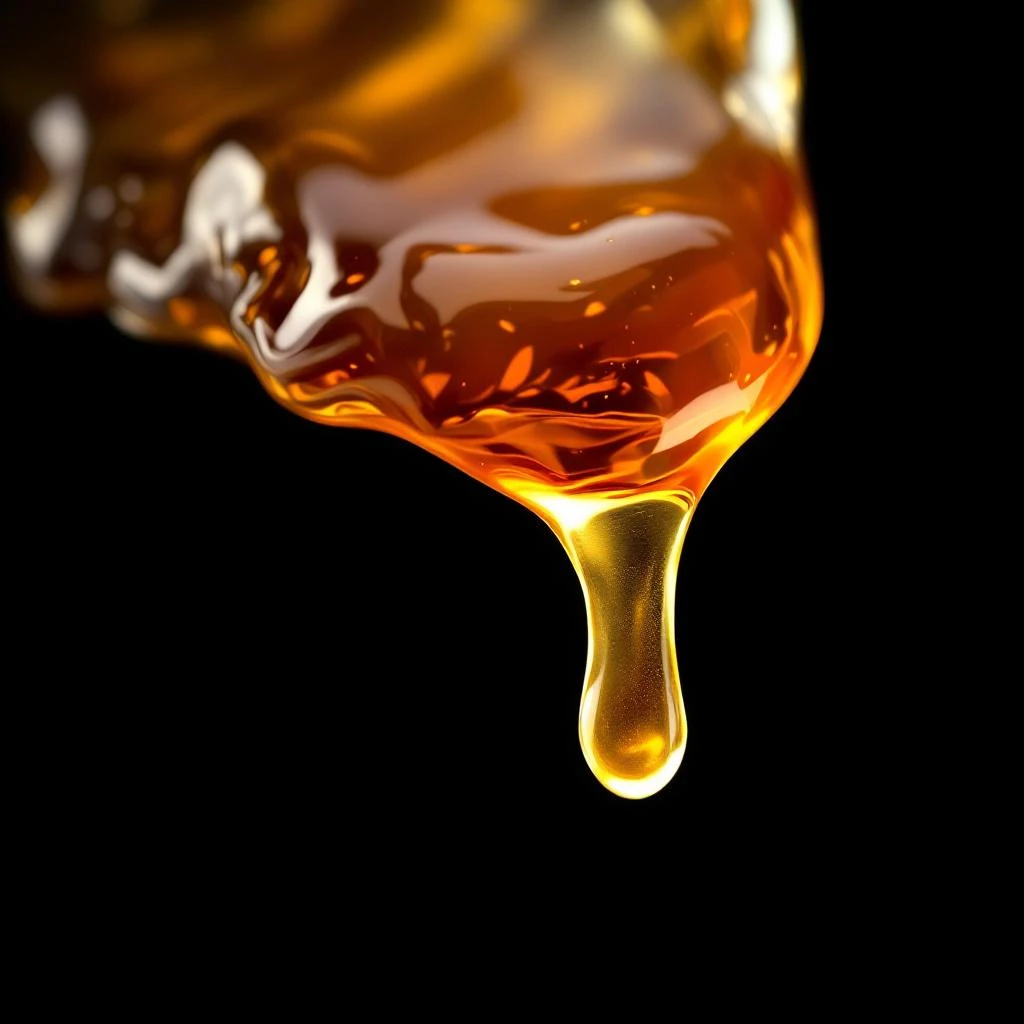
Rich, amber-hued sweetness with toasted depth. Vermont maple captures the essence of wood-fired syrup, bringing warmth and gourmand character that anchors fragrance compositions.
Character
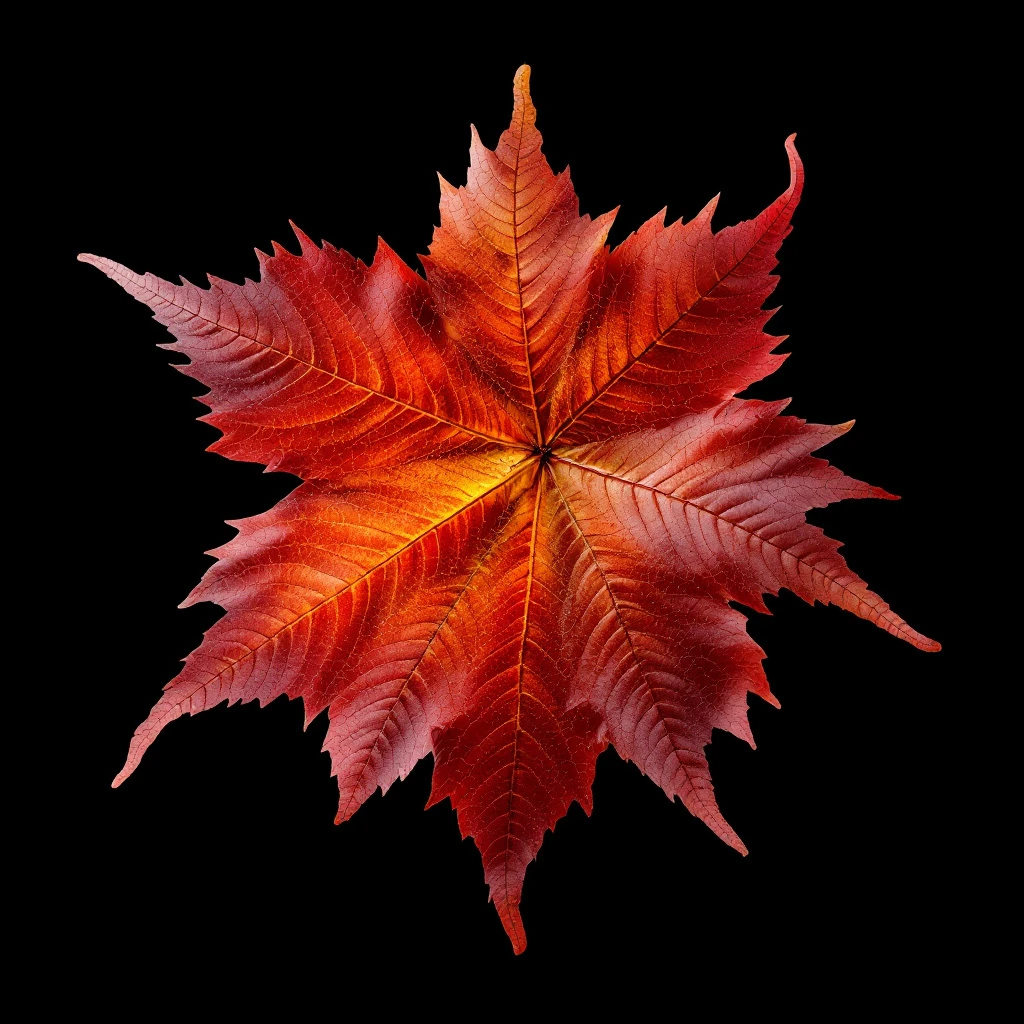
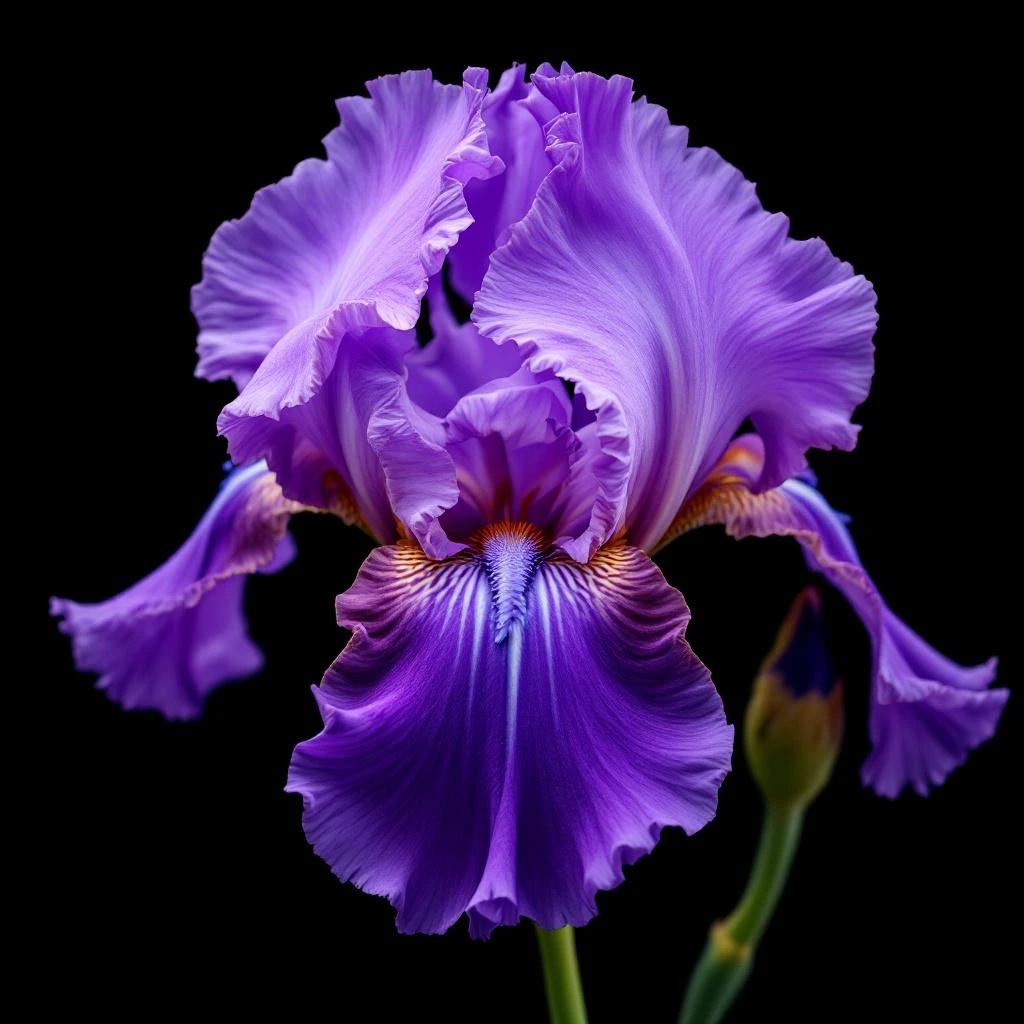
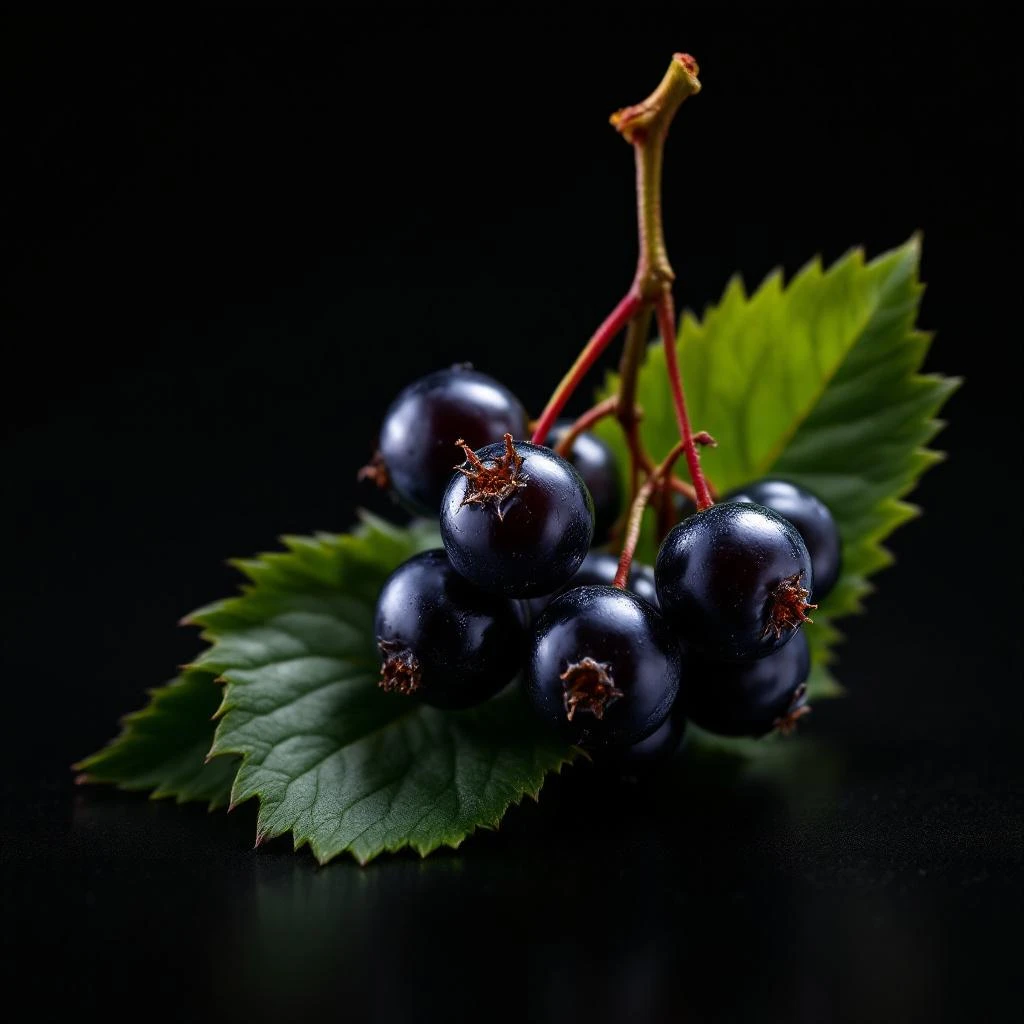
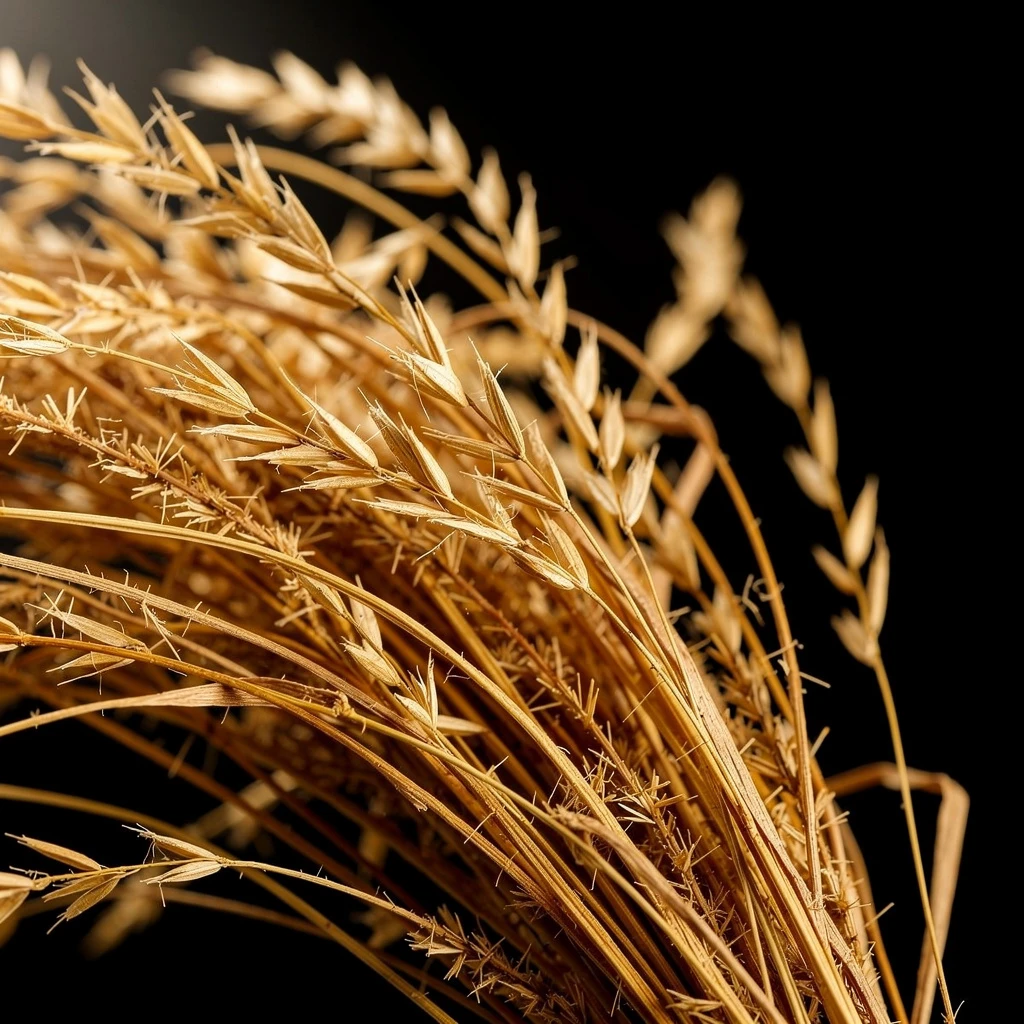
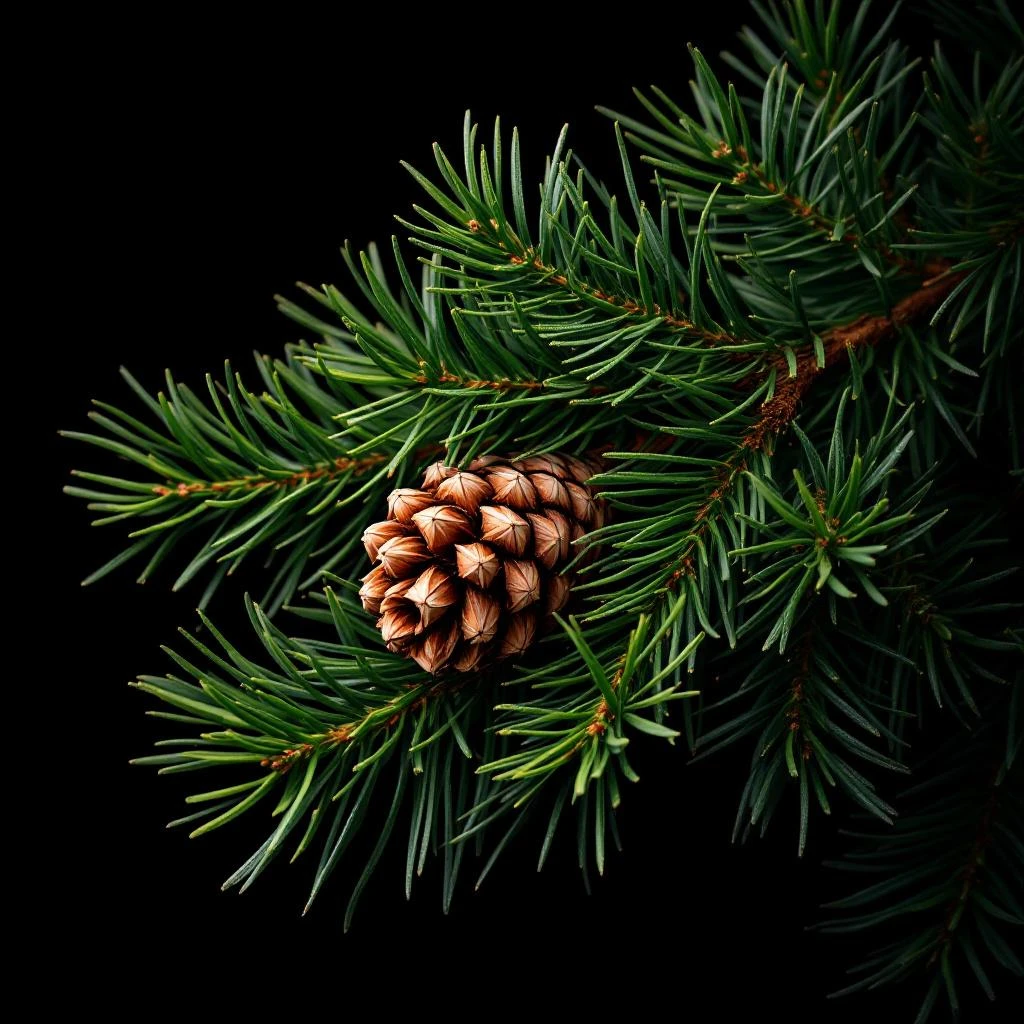
How it smells
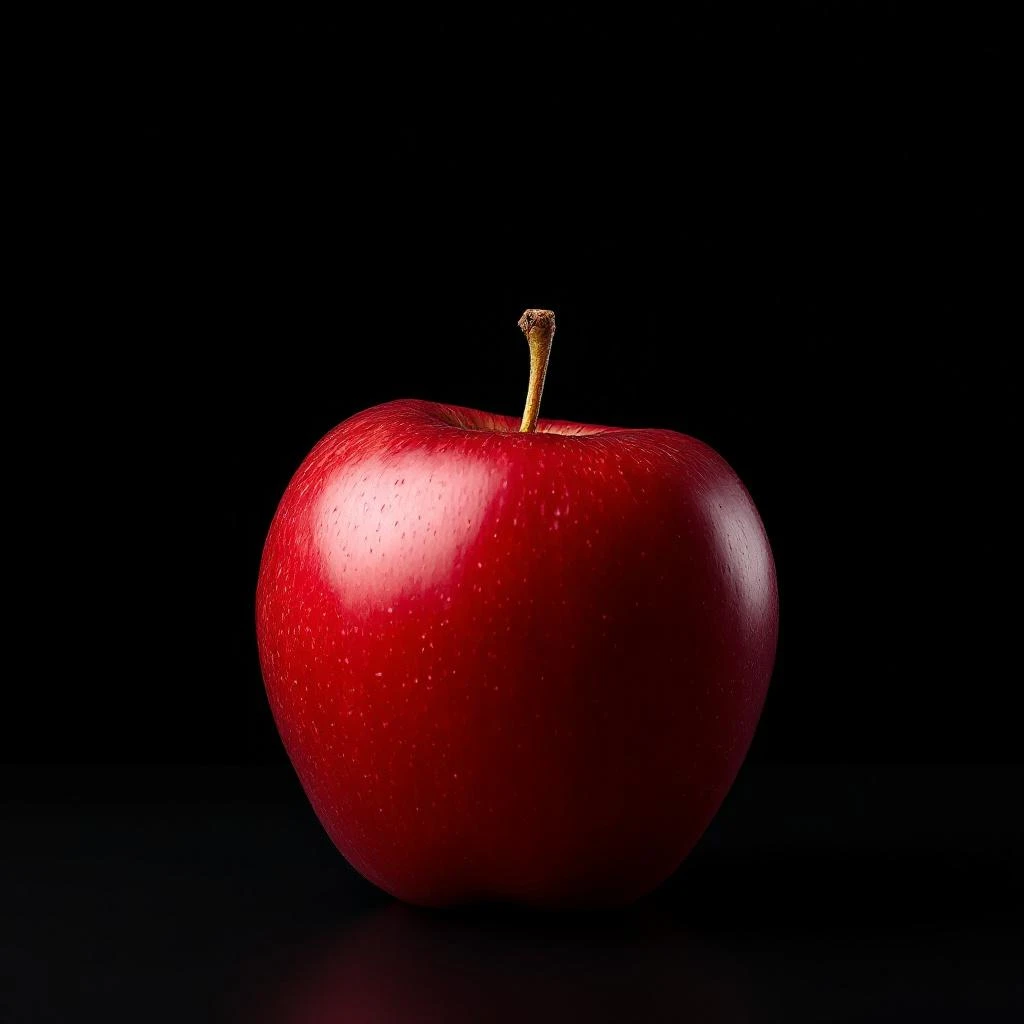
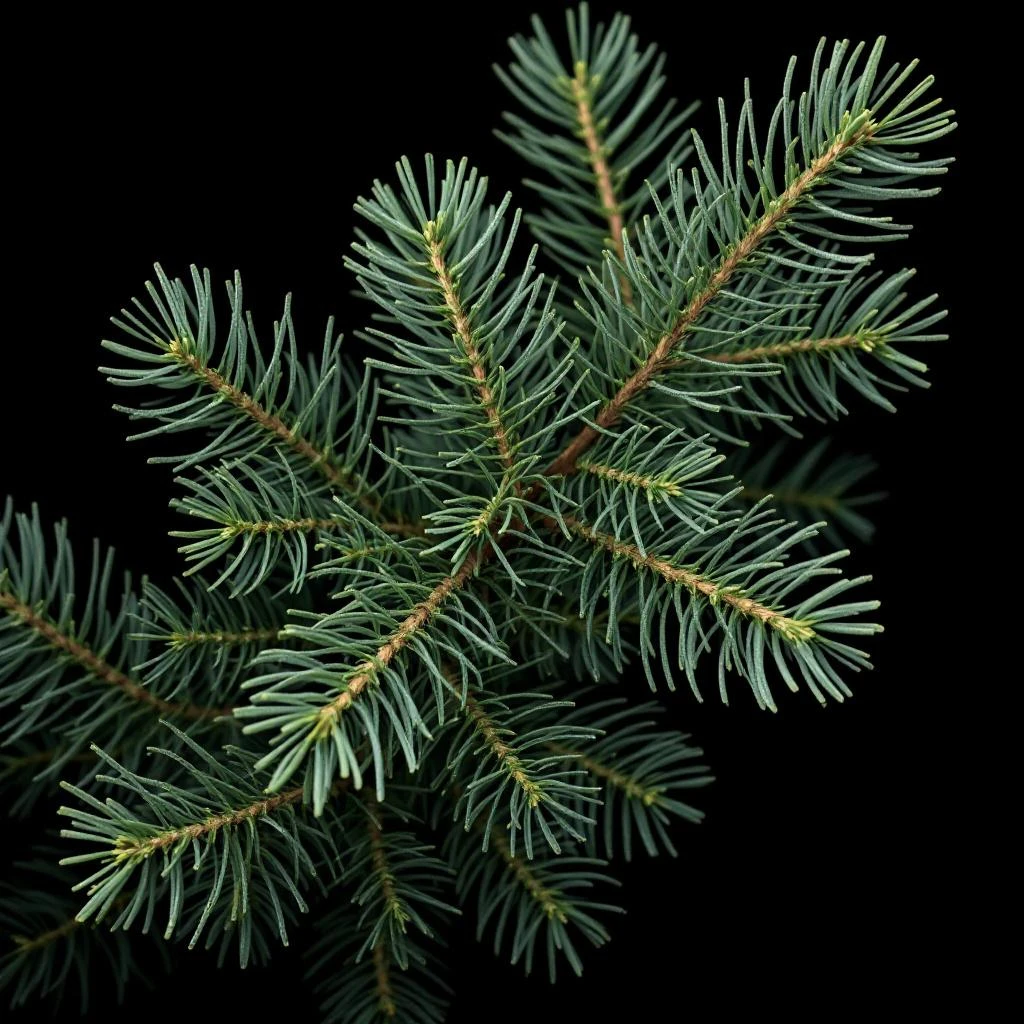
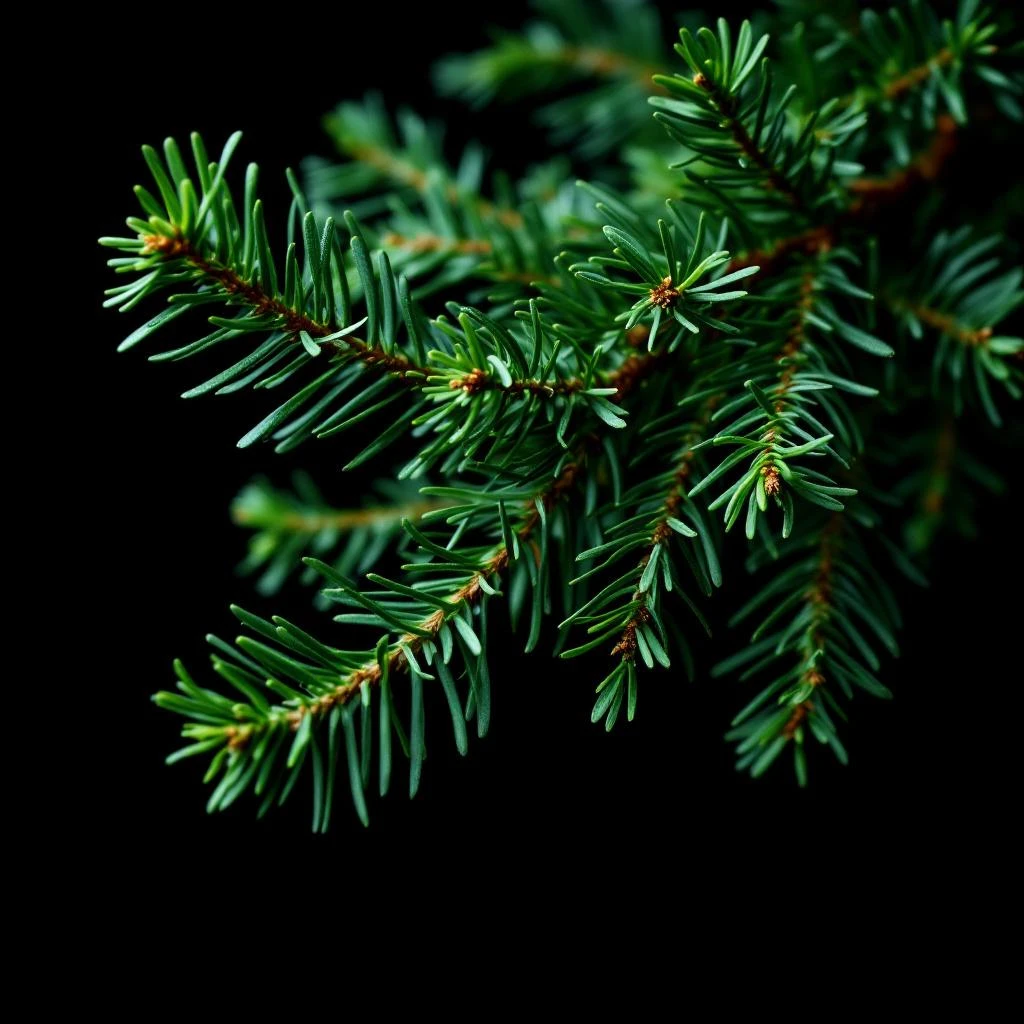
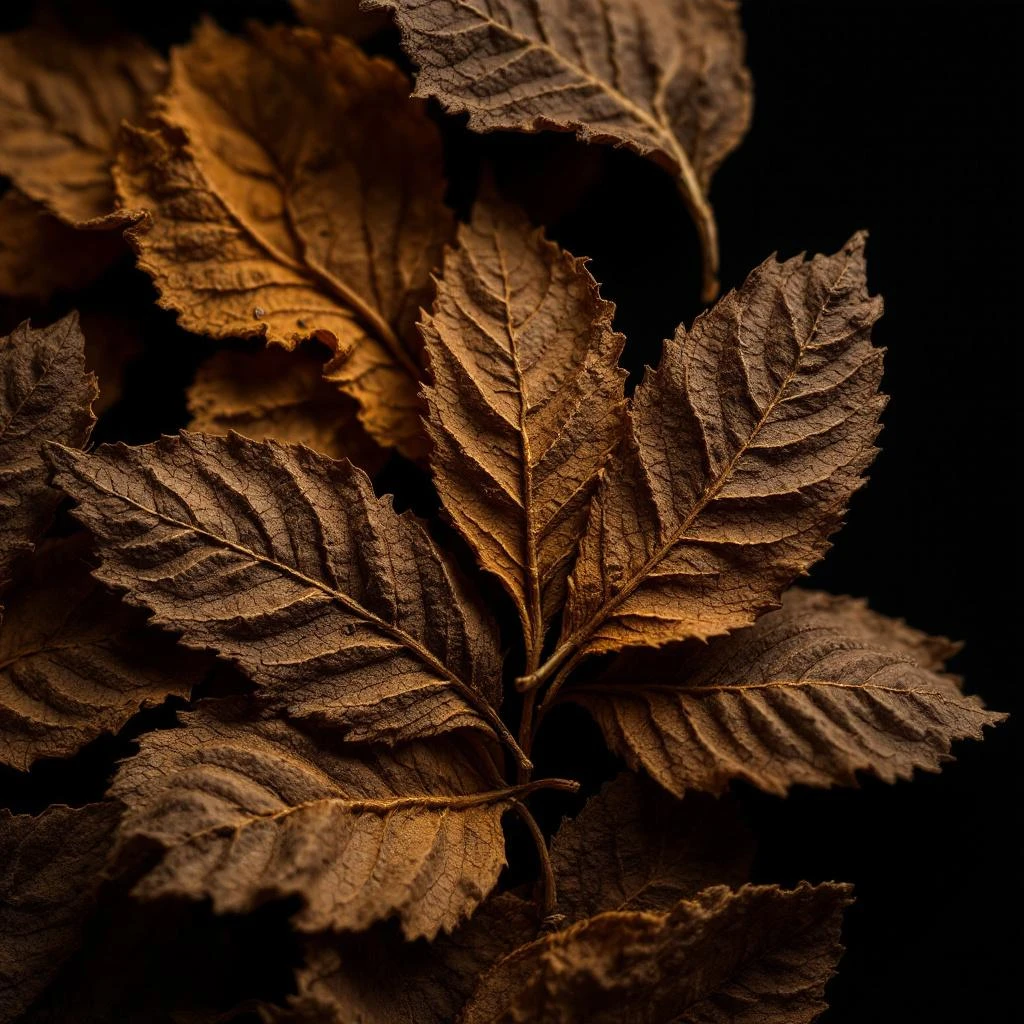
The sweet complexity of a Vermont sugar shack at dawn
It takes 40 gallons of maple sap to produce a single gallon of syrup, concentrating fragrance-worthy aromatics into golden richness.
Origin
United States
Long before European settlers arrived, indigenous peoples of what is now the northeastern United States discovered maple sap's sweetness. They used stone tools to tap trees and froze sap repeatedly to extract sugar, a technique later adopted by colonists. Vermont's cold climate and rocky soil proved ideal for sugar maples, and the state became the heart of American maple production.
During the Revolutionary War, maple sugar became essential when British imports were disrupted. By 1900, Vermont produced 160,000 gallons annually. Today the state leads global production, generating 3.
1 million gallons in 2024. The enduring appeal of this North American treasure now extends into perfumery, where its warmth brings gourmand depth to modern compositions.
Wears it best
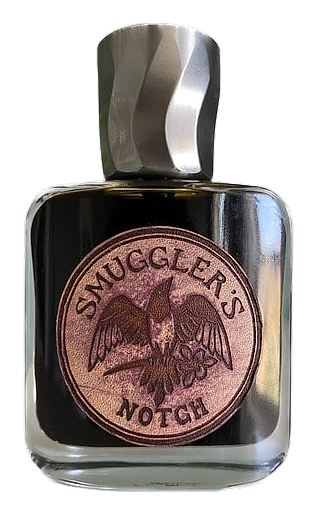
Fragrances featuring Vermont Maple
Brands
Brands known for Vermont Maple
Good to know
Questions, answered
The essentials on Vermont Maple in perfumery: how it smells, where it comes from, and how it behaves on skin.
Is Vermont maple in fragrance natural or synthetic?
Most maple notes in perfumery are nature-identical synthetics. Key compounds like sotolon are recreated in labs to match the exact aroma of real maple syrup. This ensures consistency across batches.
What does Vermont maple smell like in fragrance?
It reads as warm, sweet, and slightly woody with caramel undertones and a distinctive spiced edge. Think toasted brown sugar meeting light vanilla with resinous depth.
Why is Vermont a prime region for maple?
Vermont's cold winters and well-drained soils produce sugar maples with high sap sugar content. The state generates over 40 percent of U.S. maple production annually.
Which fragrance families use maple notes?
Maple appears most often in gourmand, oriental, and woody compositions. It adds warmth to vanilla bases, depth to amber constructions, and sweet anchoring to woody trails.
How long has maple been used in perfumery?
Maple entered modern fragrance chemistry during the 20th century as synthetics advanced. Its use expanded alongside the gourmand fragrance movement of the 1980s and 1990s.
Does real maple syrup extract exist for perfumery?
True maple absolute from sap or syrup is rare in commercial perfumery due to cost and shelf stability issues. Perfumers typically rely on isolated compounds or infused maple wood.
What pairs well with maple in fragrance formulas?
Vanilla amplifies maple's sweetness. Benzoin adds warmth. Smoky woods and tobacco enhance its cozy depth. Warm spices like cinnamon complement its spiced character.
Is maple a top, middle, or base note in fragrance?
Maple functions primarily as a base and heart note. Its sweet, heavy molecules project slowly and linger, providing lasting warmth and depth to a composition.