Venezuelan Frangipani
Venezuelan Frangipani delivers a creamy white floral note with apricot-sweet facets and sun-warmed depth. Sourced from Plumeria trees in northern South America, it anchors exotic compositions with its distinctive tropical richness.
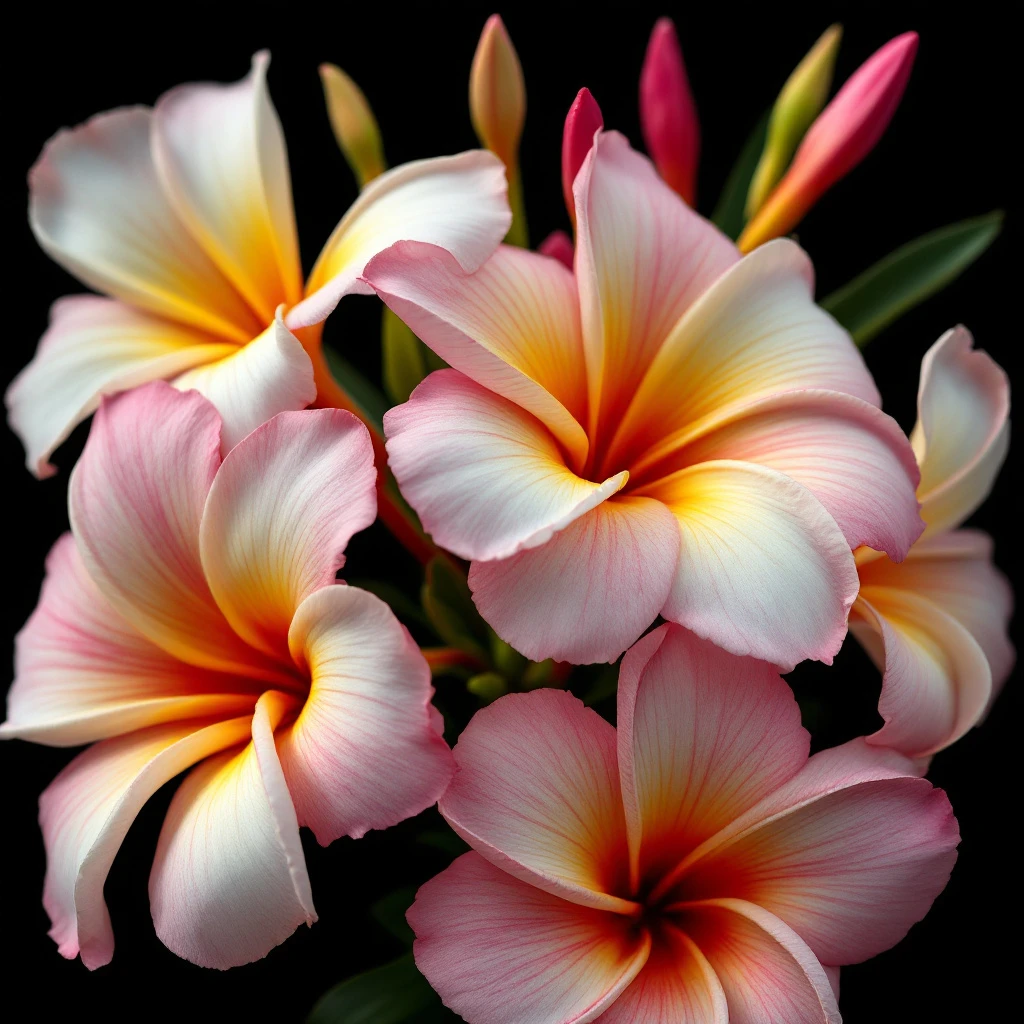
Character
How it smells
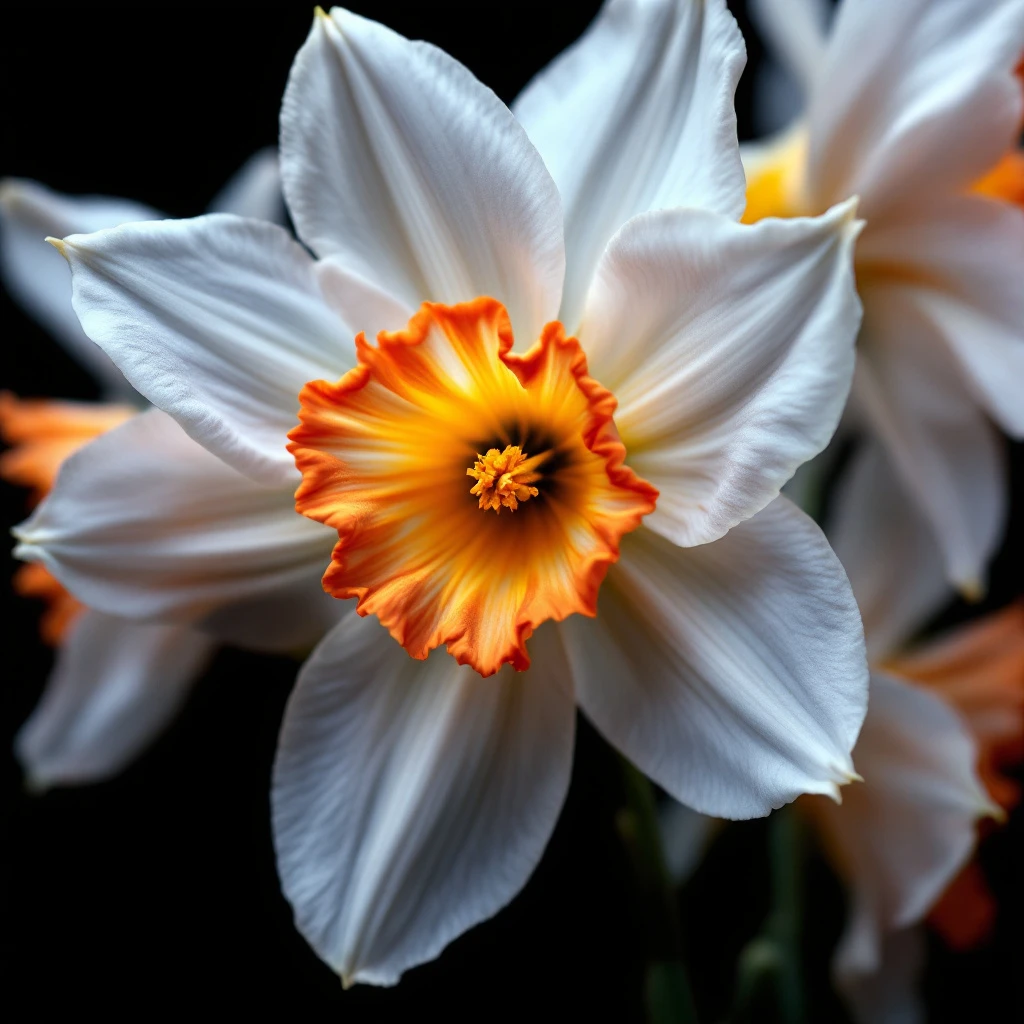
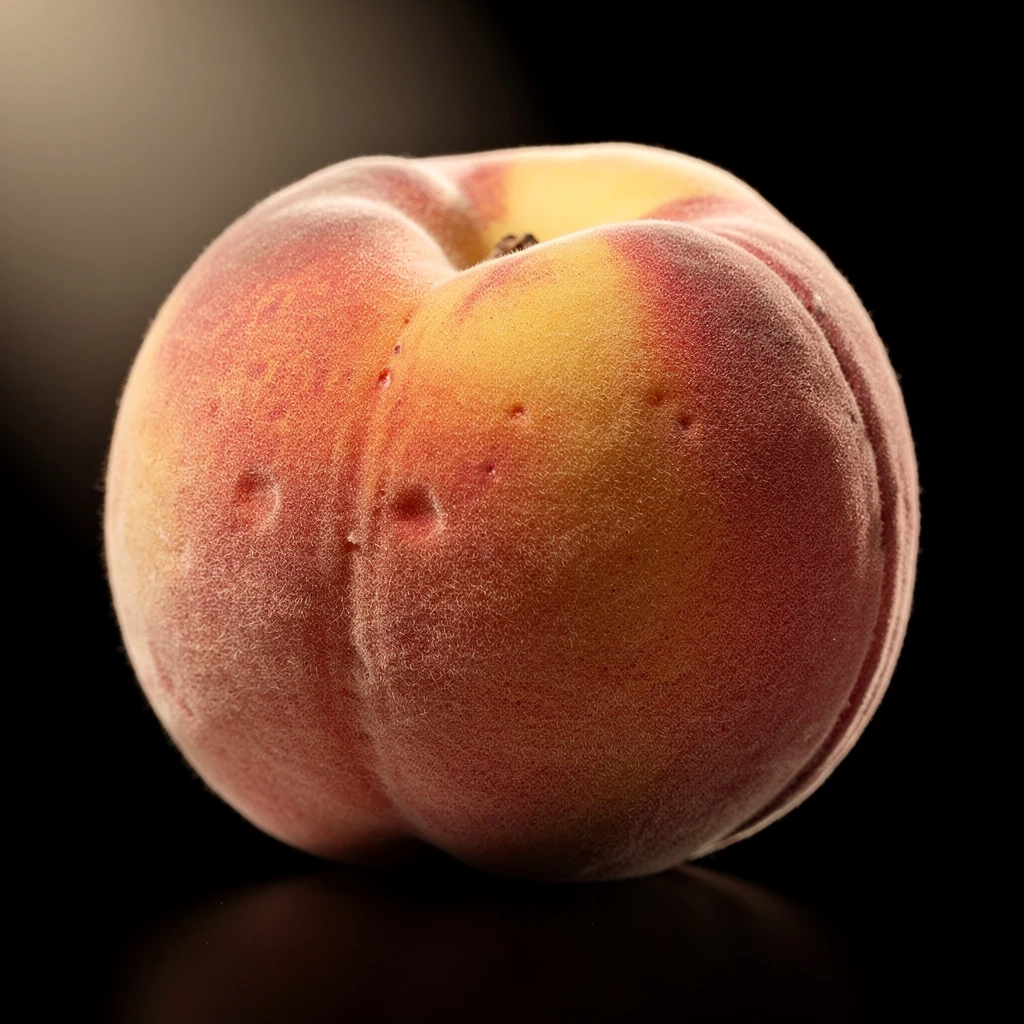
Creamy white floral kissed by apricot
The name Frangipani originated from a 16th-century Italian marquis who created a perfume resembling Plumeria's scent before the flower was even known in Europe.


Origin
Venezuela
The Frangipani name traces back to Marquis Muzio Frangipani, a 16th-century Italian nobleman who formulated a popular scented powder containing bitter almonds, musk, civet, and orris root. Long before Europeans encountered the actual tropical flower, the Frangipani family name had already become synonymous with sweet perfume. When Plumeria species were later documented in the Caribbean and South America, naturalists applied the existing name to describe a fragrance the original marquis never smelled.
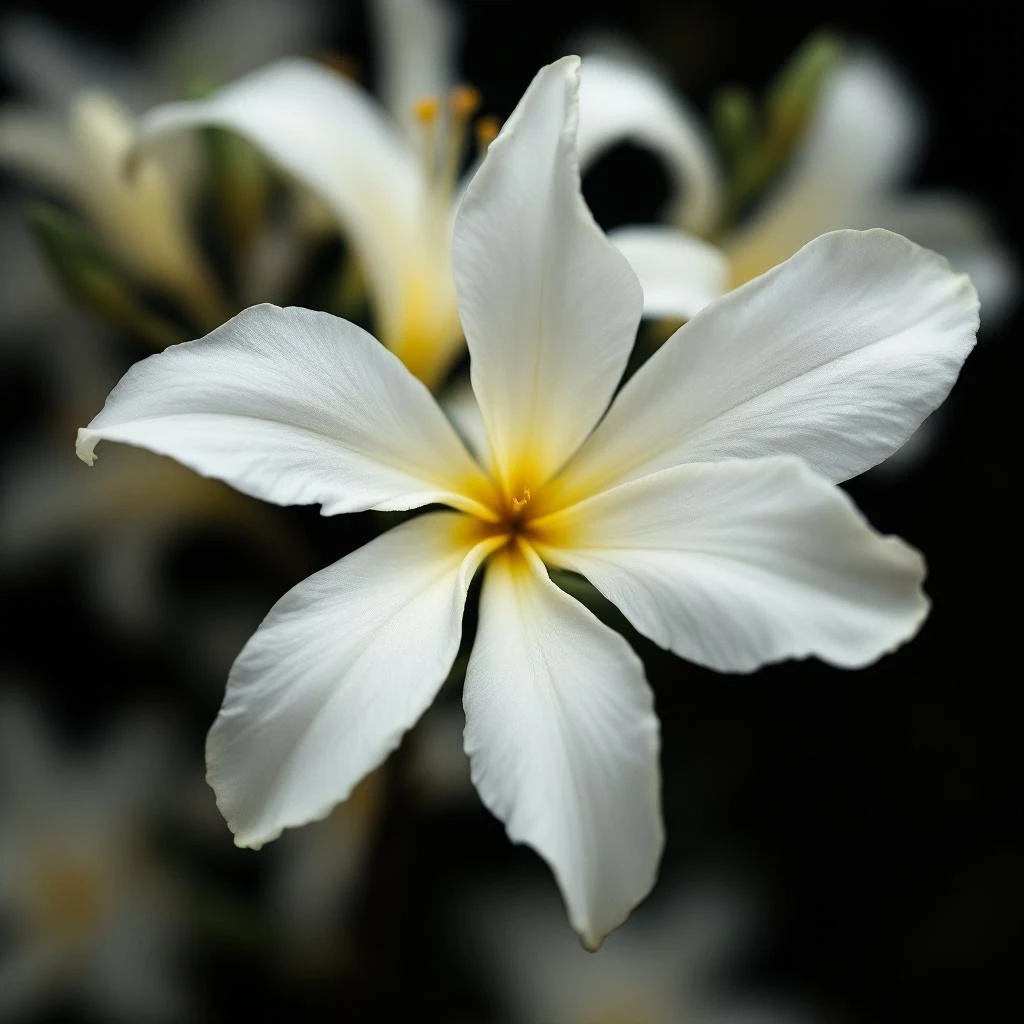
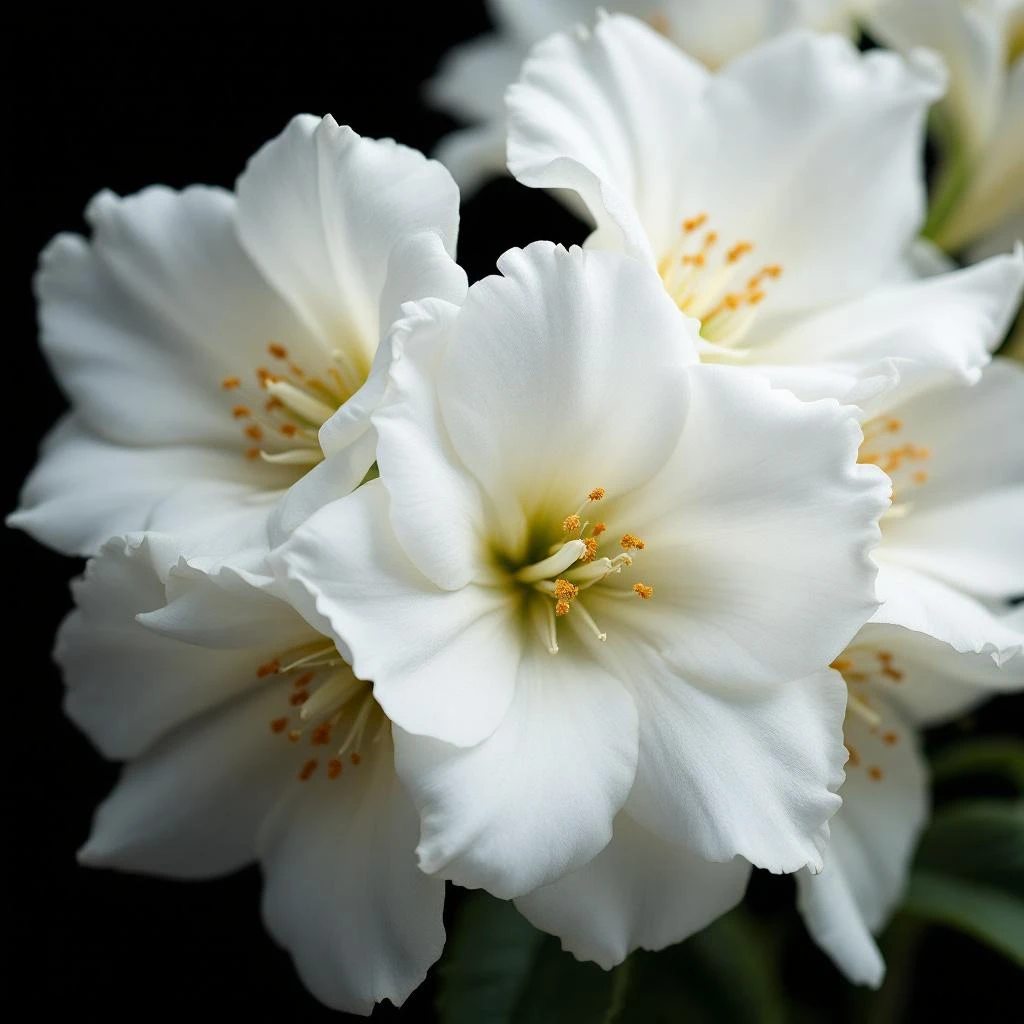
In Venezuela, Plumeria obtusa has grown wild for centuries, valued locally for ornamental and ceremonial purposes. The flowers hold deep cultural resonance in Venezuelan folk traditions, often planted near homes as symbols of devotion and welcome. Modern perfumery adopted the Venezuelan variant for its particularly creamy, less indolic profile compared to Asian and Pacific Plumeria species.
This regional distinction gives Venezuelan Frangipani a smoother, more apricot-leaning character that has secured its place in contemporary tropical floral compositions.
Wears it best
Fragrances featuring Venezuelan Frangipani
Brands
Brands known for Venezuelan Frangipani
Good to know
Questions, answered
The essentials on Venezuelan Frangipani in perfumery: how it smells, where it comes from, and how it behaves on skin.
What does Venezuelan Frangipani smell like?
Venezuelan Frangipani offers a creamy white floral scent with apricot-like sweetness and subtle tropical warmth. The Venezuelan variant tends toward smoother, less indolic character compared to other Plumeria species.
Is Venezuelan Frangipani a natural extract?
True natural extraction remains impractical due to the flower's extremely low oil content. Most Venezuelan Frangipani notes are reconstructed accords combining linalool, geraniol, and fruity lactones.
Where does Venezuelan Frangipani come from?
Venezuelan Frangipani derives from Plumeria obtusa, native to northern Venezuela and the Caribbean lowlands. The trees thrive in warm climates with well-drained soil.
How is Frangipani perfume made?
Perfumers build Frangipani accords by layering white-floral molecules like linalool with creamy bases such as benzyl salicylate. Fruity lactones add the characteristic apricot facet.
Who was Marquis Frangipani?
Marquis Muzio Frangipani was a 16th-century Italian nobleman who created a scented powder resembling tropical floral notes. The flower adopted his name when Europeans later encountered Plumeria.
What is the difference between Frangipani and Plumeria?
Frangipani and Plumeria refer to the same flower. The Frangipani name predates European botanical classification, deriving from the Italian marquis's 16th-century perfume.
Is Frangipani a good fragrance for summer?
Frangipani suits warm-weather wear exceptionally well due to its creamy, sunlit character. Its tropical floral nature pairs naturally with humid, bright conditions.
Can Venezuelan Frangipani be used in candle making?
Venezuelan Frangipani fragrance oils work well in candles, providing a strong warm throw. However, natural Plumeria absolute is rarely available for non-perfume applications.





