Valeriana Fauriei
Valeriana Fauriei is a Japanese valerian species prized in perfumery for its deep, earthy root accord. Native to East Asian mountain regions, it offers a complex aroma combining musky, woody, and slightly camphoraceous facets rarely found in other botanical materials.
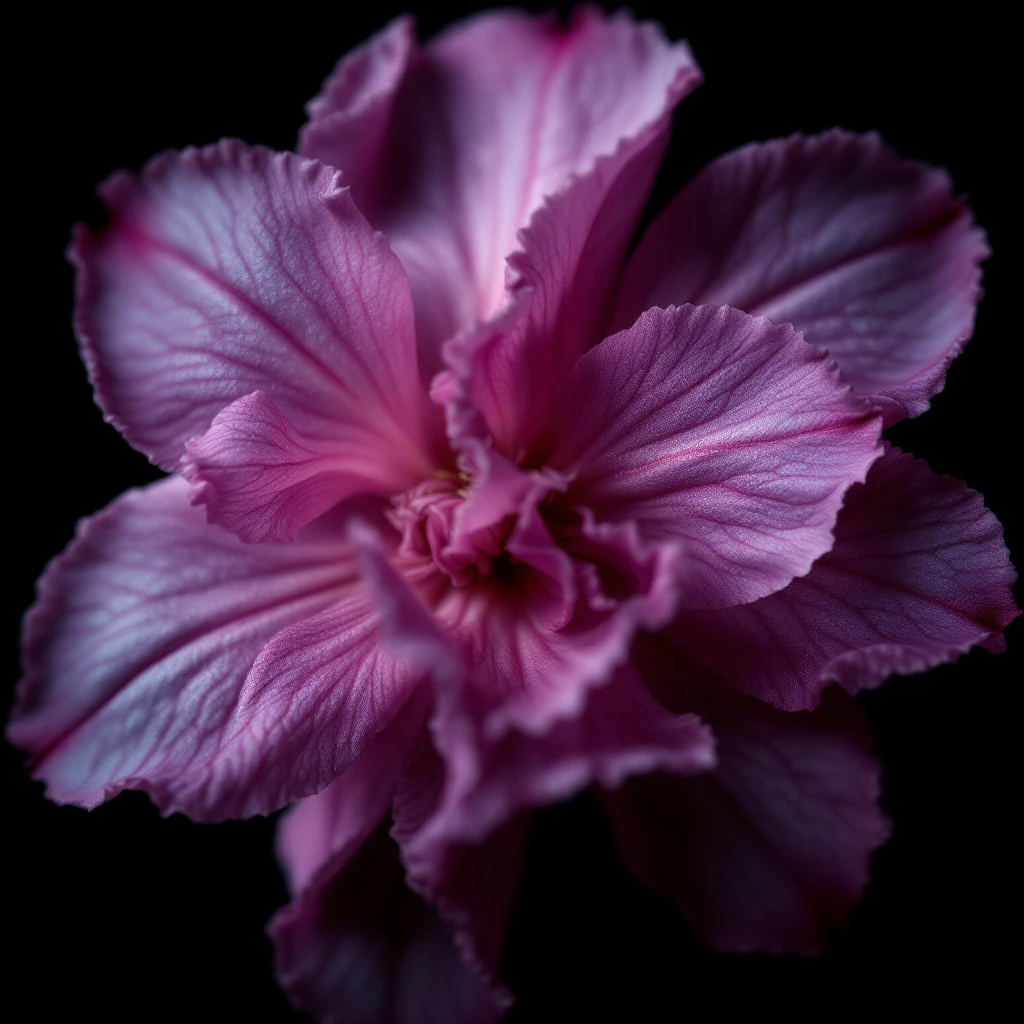
Character
How it smells
The quiet depth of East Asian mountain valerian roots.
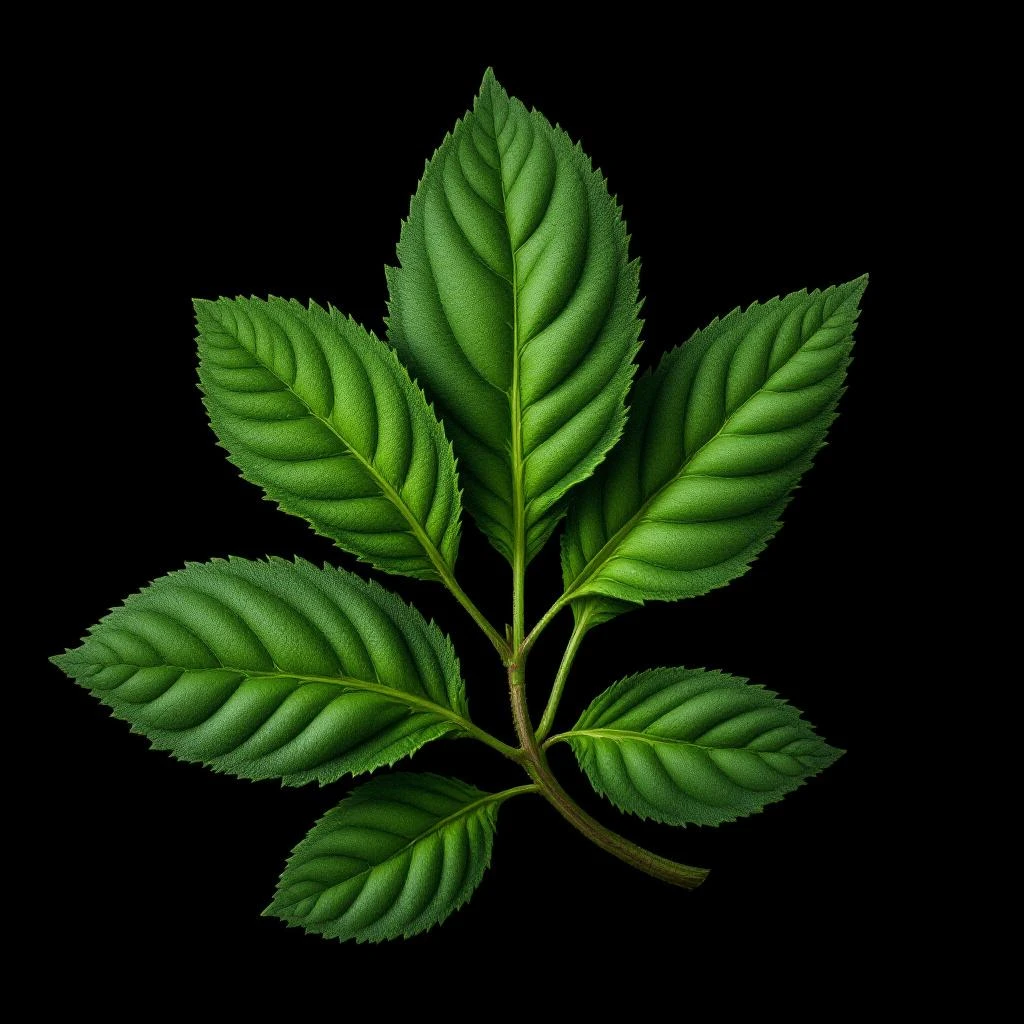
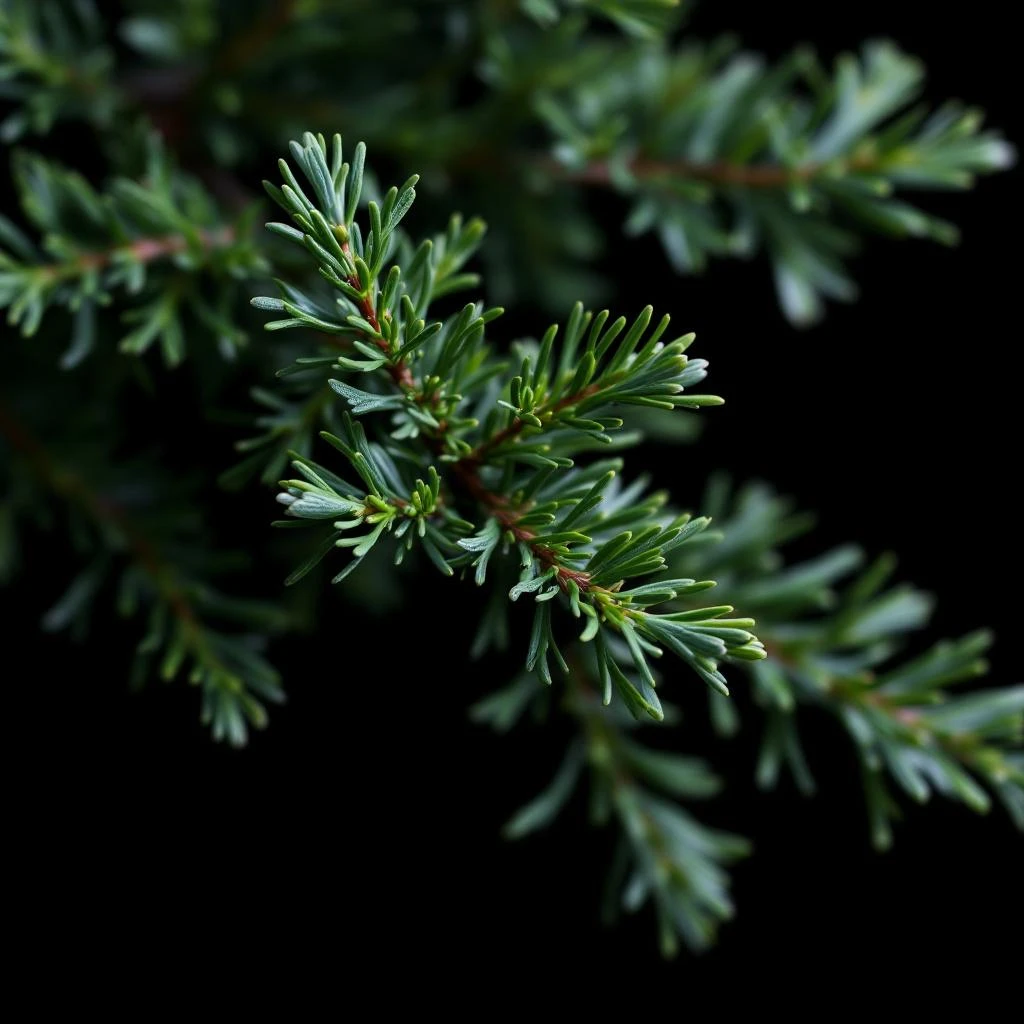
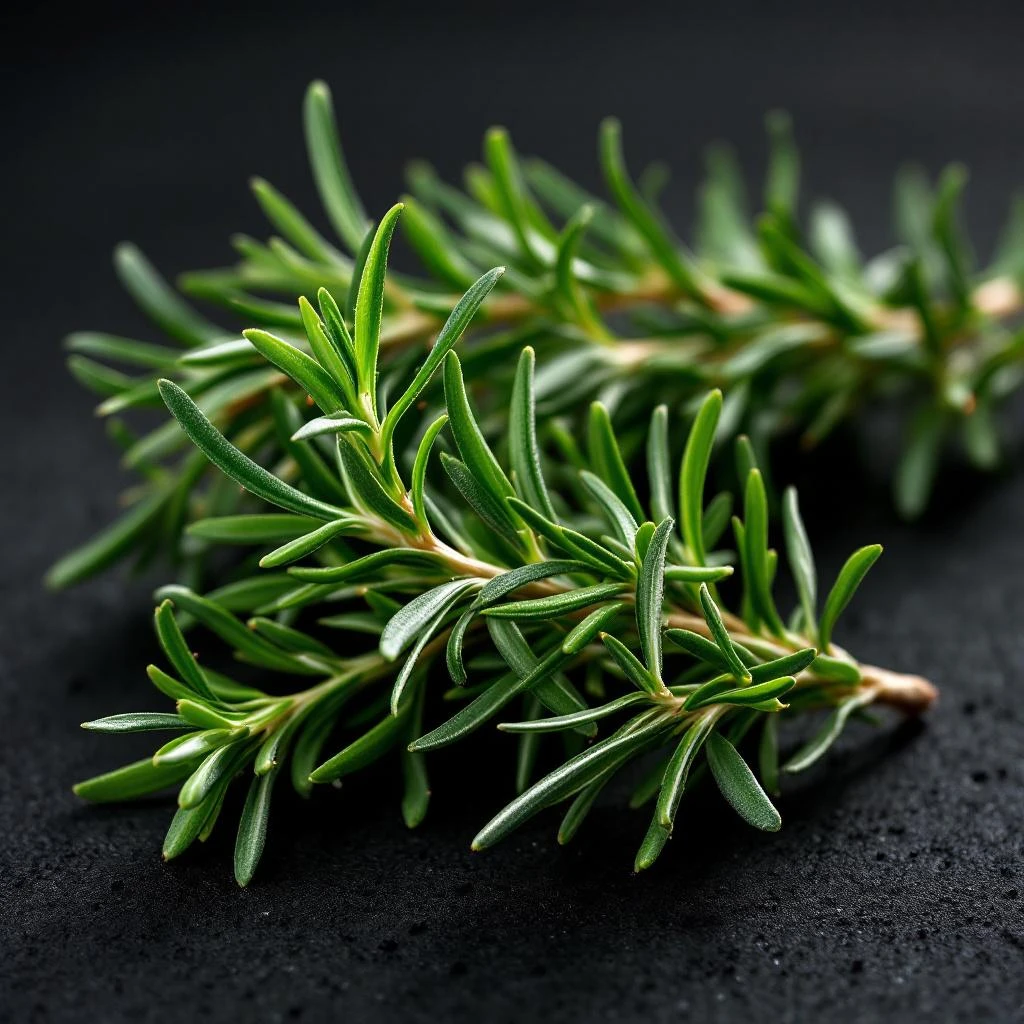
Unlike its European cousin Valeriana officinalis, Valeriana Fauriei grows exclusively in the cool mountain elevations of Japan.



Origin
Japan
Valeriana Fauriei carries a different olfactory signature than its more famous European cousin, Valeriana officinalis. Japanese mountain valerian has grown in the wild for centuries across Honshu's highland forests. Local herbalists incorporated the roots into traditional preparations, valuing the plant for its grounding properties.
Japanese perfumers eventually recognized the unique scent profile, drawn to its intensely earthy, mineral-laden character that reflects the volcanic soil of its mountain home. While not a cornerstone ingredient in mainstream perfumery, it holds a devoted following among natural perfumers who seek distinctive botanical materials with strong sense-of-place identities.
Wears it best
Fragrances featuring Valeriana Fauriei
Good to know
Questions, answered
The essentials on Valeriana Fauriei in perfumery: how it smells, where it comes from, and how it behaves on skin.
What does Valeriana Fauriei smell like?
It presents an intensely earthy, root-like aroma with woody undertones and a faint camphoraceous edge. When diluted, it develops a musky depth that works well in base compositions.
Where does Valeriana Fauriei grow?
This species is native to Japan, specifically the mountainous regions of Honshu. It thrives at elevations between 800 and 2000 meters in cool, forested areas.
How long does Valeriana Fauriei take to mature for harvest?
The roots require three to five years of growth before harvest, significantly longer than most botanical perfumery materials which typically mature in one to two years.
Is Valeriana Fauriei commonly used in perfumes?
It appears rarely as a main note in commercial fragrances. Niche perfumers focused on botanical compositions and natural perfumery use it most often.
What distinguishes Valeriana Fauriei from European valerian?
Japanese mountain valerian grows at higher elevations and in volcanic soils, which contributes to its distinct terroir-driven aromatic profile compared to cultivated European varieties.
Which extraction method produces Valeriana Fauriei absolute?
Steam distillation of the dried roots yields the essential oil. Solvent extraction can produce an absolute with slightly different olfactory characteristics.
What parts of the Valeriana Fauriei plant are used in perfumery?
Only the roots contain significant aromatic compounds. The flowers and leaves are not typically used in perfumery applications.
Why is Valeriana Fauriei considered rare in perfumery?
The extended cultivation period before harvest—three to five years—limits supply. Wild-harvested material from Japanese mountain regions commands particular interest among natural perfumers.




