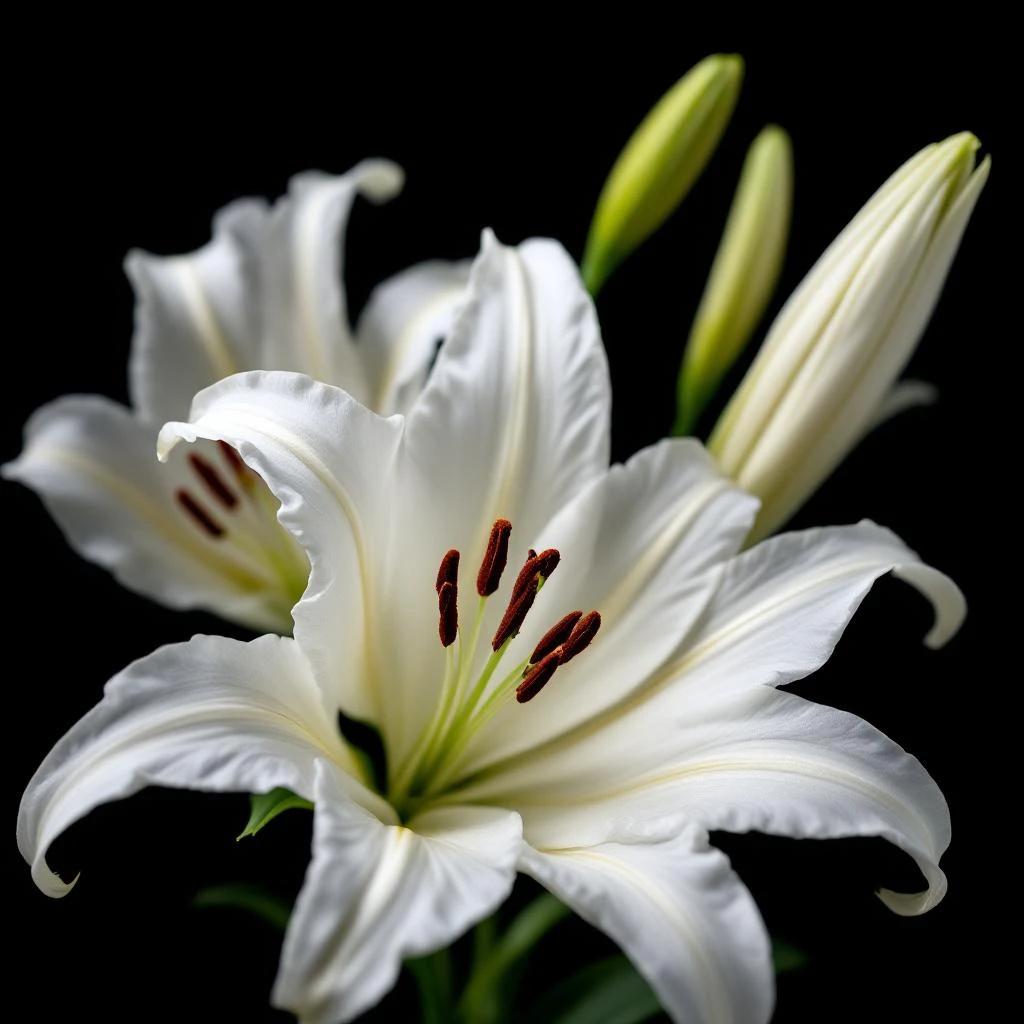
Daphne Odora
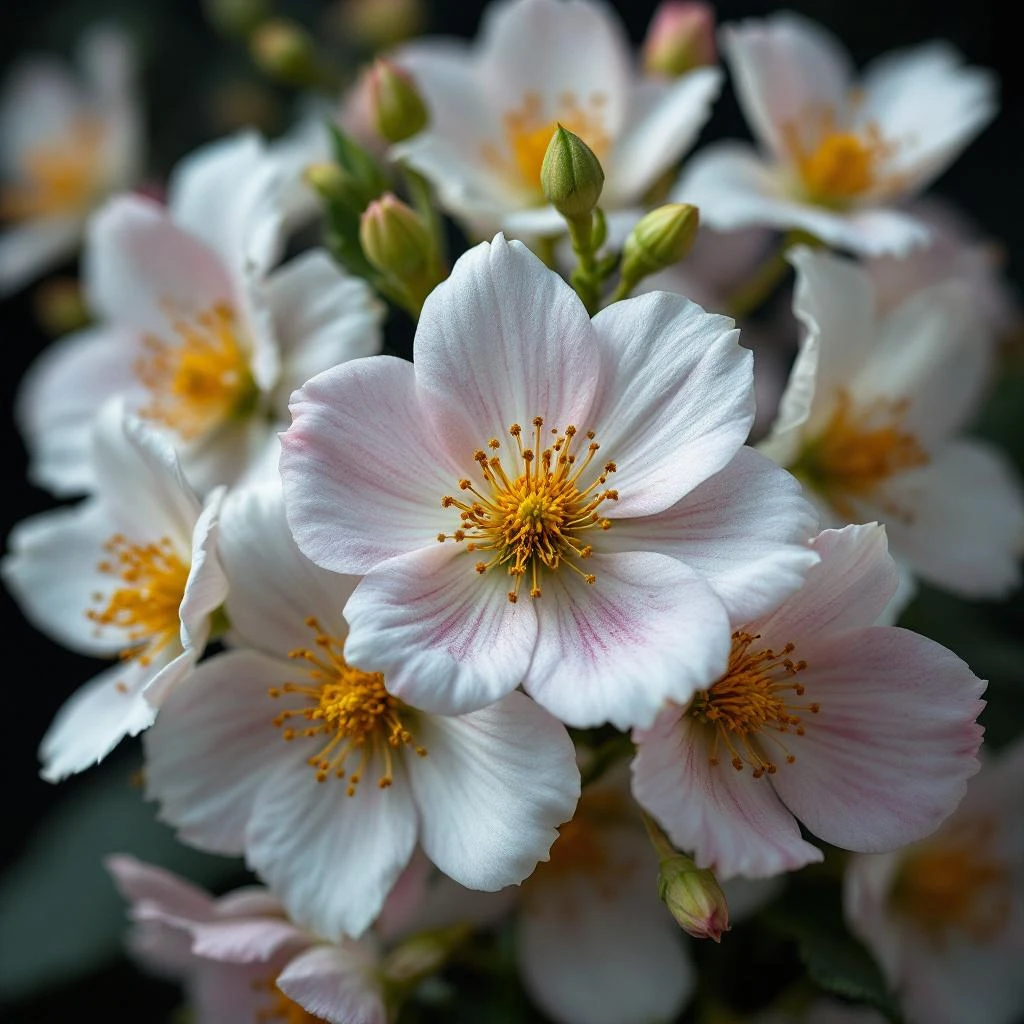
Among the most intoxicating floral scents in the plant kingdom, Daphne odora blooms in the depths of winter, filling gardens with a Narcotics-like sweetness that has captivated botanists and perfumers for centuries.

Character
How it smells
Winter's most coveted floral secret
The genus name Daphne comes from Greek mythology, named for the nymph transformed into a laurel tree by her father.





Origin
China
Native to the mountainous regions of China and Japan, Daphne odora has been prized in East Asian gardens for centuries. The species reached European collectors in the mid-18th century, arriving in England by 1770.
That same year, the influential nurseryman Benjamin Torin identified daphne as one of the three most fragrant plants he had encountered in 50 years of collecting. Victorian-era gardeners grew it in heated conservatories, where its winter-blooming habit offered precious fragrance during the grey months when little else flowered.
The plant's reputation as a collector's treasure persists today. Few commercial fragrances openly feature daphne accords, yet the scent has influenced perfume houses seeking to bottle the essence of late-winter gardens.
Wears it best
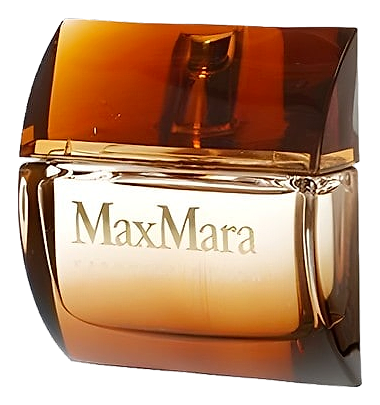
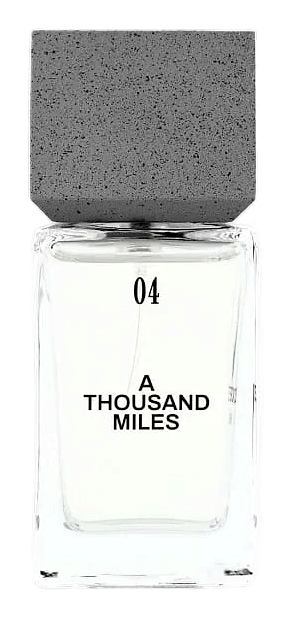
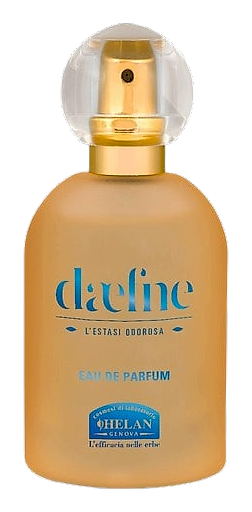
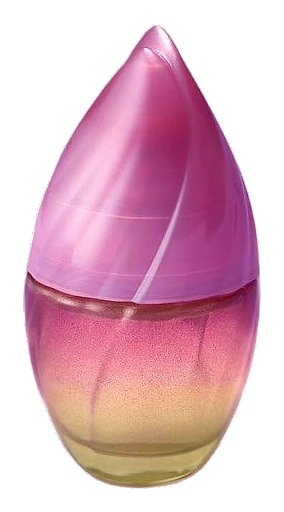
Fragrances featuring Daphne Odora
Good to know
Questions, answered
The essentials on Daphne Odora in perfumery: how it smells, where it comes from, and how it behaves on skin.
Is there a real Daphne odora essential oil?
No genuine Daphne odora essential oil exists. The flower contains volatile compounds too delicate for commercial extraction, so perfumers create a synthetic accord to reproduce the scent.
What does Daphne odora smell like?
The fragrance combines Narcotics-like floral sweetness with green, almost spicy undertones. Many describe it as a rich, romantic blossom scent with lingering warmth.
When does Daphne odora bloom?
Daphne odora flowers from late winter into early spring, often beginning in February. This winter-blooming habit makes it exceptionally valuable in gardens.
Is Daphne odora difficult to grow?
The shrub is notoriously slow-growing and challenging to propagate. Established plants are prized by collectors, though the species remains rare in mainstream cultivation.
Why is Daphne odora significant in perfumery?
Despite no true oil existing, daphne has influenced perfume creation for centuries. Its reputation as one of the world's most fragrant plants has inspired countless floral accords.
Where does Daphne odora originate from?
The species grows natively across China and Japan, particularly in mountainous regions. It has been cultivated in East Asian gardens for centuries before reaching Western horticulture.
Was Daphne odora known historically in Europe?
European plant collectors introduced it around 1770. The Victorian era saw daphne become a prized greenhouse specimen, grown for its rare winter fragrance.
How is daphne fragrance created for perfumes?
Perfumers construct daphne accords using combinations of synthetic aroma molecules and complementary natural materials. The goal is capturing the plant's ephemeral winter bloom character.