Ultravanil
Ultravanil® is Givaudan's solution to vanilla's greatest synthetic challenge. Discover how this material transforms flat vanillin into something that breathes.
Character
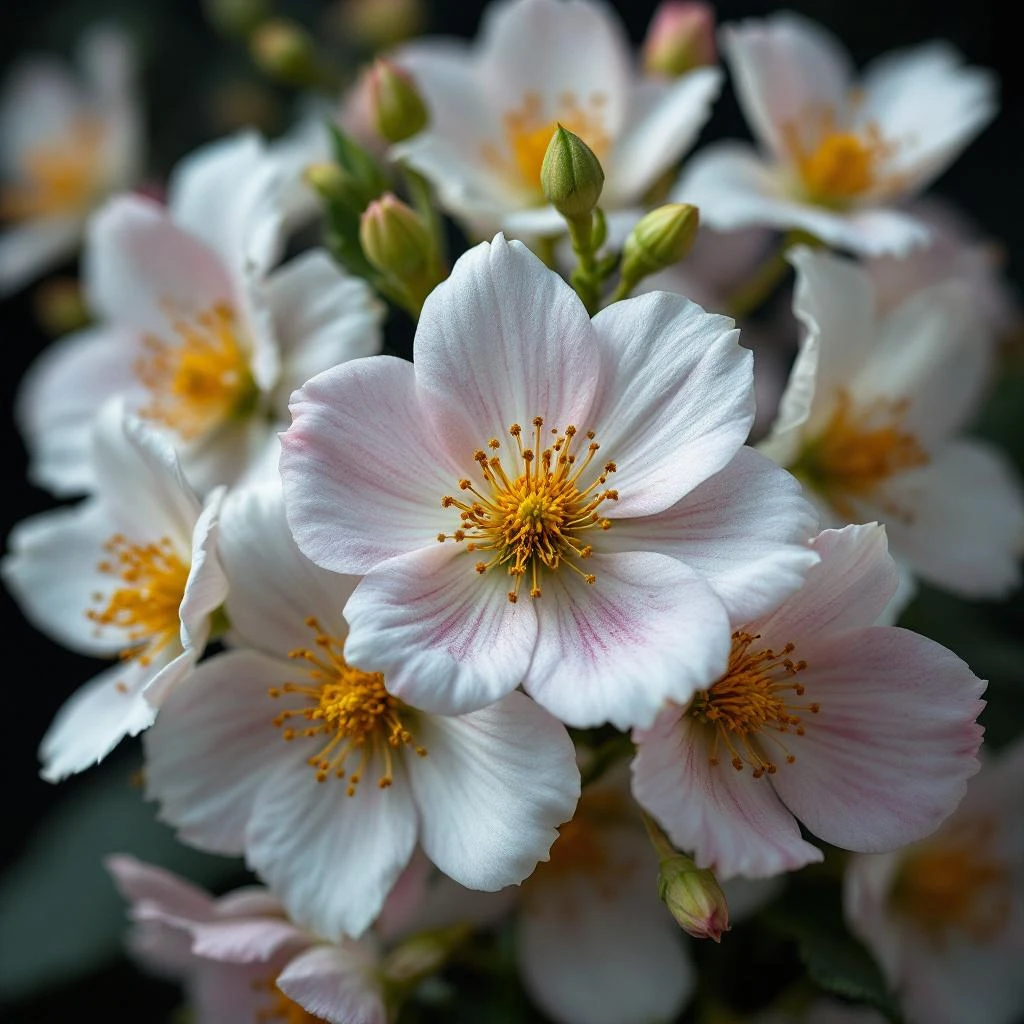
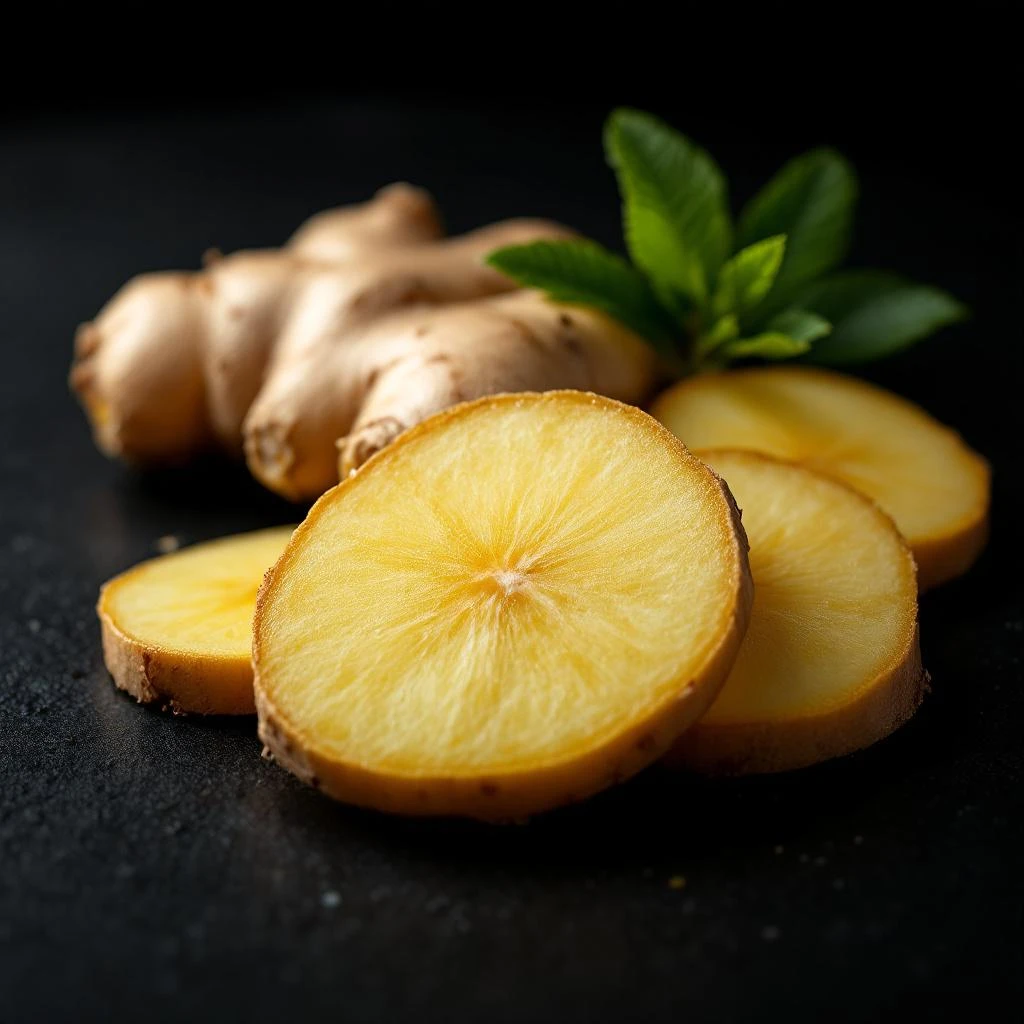
How it smells
The bridge between synthetic and natural vanilla.
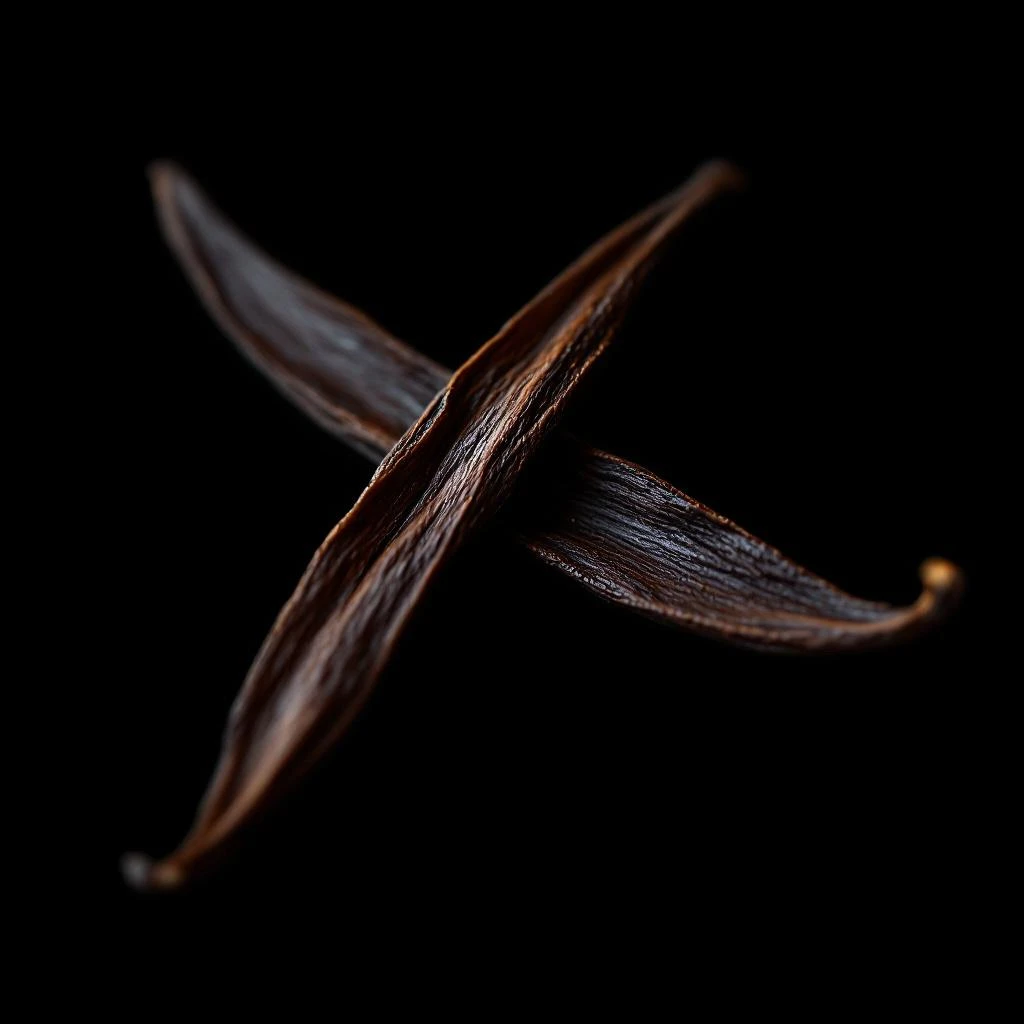
Ultravanil® recreates the creosol character from smoked, cured vanilla pods through targeted molecular synthesis.




Origin
Mexico
Vanilla's arrival in perfumery traces to the 16th century when Spanish conquistadors carried Vanilla planifolia from Mesoamerica to Europe. For centuries, perfumers worked only with natural extracts from cured pods. The late 19th century marked a turning point when Haarmann & Reimer, founded in 1874, pioneered commercial synthesis of aroma molecules.
Vanillin synthesis transformed vanilla accessibility but produced a note that, while recognizable, lacked the layered complexity of the natural material. Ultravanil® emerged from this ongoing pursuit of realism. Developed within Givaudan's research framework, it addresses the specific gap between synthetic vanillin and natural vanilla by recreating the creosol-like compounds that develop during vanilla curing.
The result bridges laboratory chemistry and botanical authenticity.
Wears it best
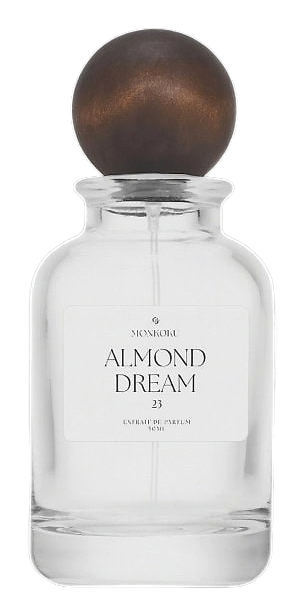
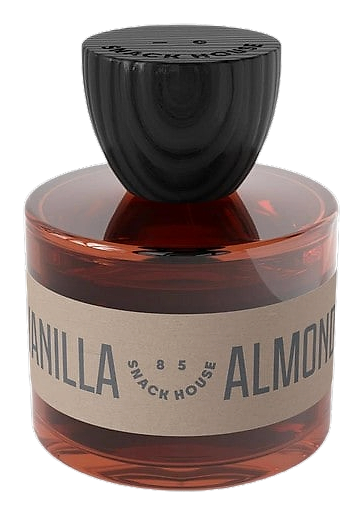
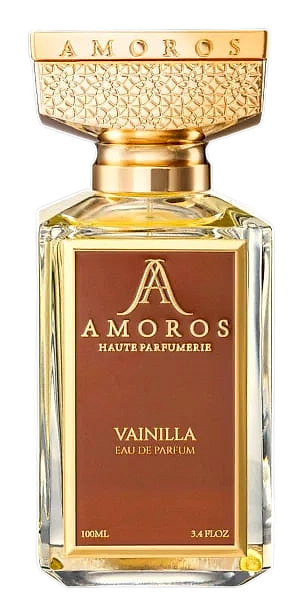
Fragrances featuring Ultravanil

Brands
Brands known for Ultravanil
Good to know
Questions, answered
The essentials on Ultravanil in perfumery: how it smells, where it comes from, and how it behaves on skin.
What is Ultravanil® and what does it do in fragrance?
Ultravanil® is a synthetic vanilla material developed by Givaudan that recreates realistic vanilla character. It enhances flat vanillin into something that approaches natural vanilla in complexity and depth.
How is Ultravanil® produced?
Givaudan produces Ultravanil® through controlled organic synthesis that replicates specific aromatic compounds found in naturally cured vanilla pods, particularly phenolic and smoky creosol-type molecules.
What does Ultravanil® smell like?
Undiluted, it presents potent vanilla with spicy, clove-like and smoky creosol facets. In dilution and at low concentrations, it smooths and enriches vanillin into a more realistic vanilla note.
How is Ultravanil® used in perfumery?
Perfumers add it at low concentrations alongside vanillin or ethyl vanillin to create compositions with greater dimensionality. It transforms synthetic vanilla bases into something closer to natural extract.
Why does natural vanilla smell different from synthetic vanillin?
Natural vanilla contains over 250 aromatic compounds, while synthetic vanillin is a single molecule. Ultravanil® addresses this gap by introducing the creosol and smoky compounds present in cured vanilla pods.
Is Ultravanil® natural or synthetic?
Ultravanil® is a synthetic material created through laboratory synthesis. It mimics compounds found in natural vanilla without using vanilla pods as a source ingredient.
Where does vanilla originate from?
Vanilla planifolia, the primary species used in perfumery, originates from Mexico and Central America. Spanish conquistadors introduced it to Europe in the 16th century.
What extraction method produces natural vanilla absolute?
Natural vanilla absolute is produced through solvent extraction of fermented and sun-aged vanilla pods. This process captures the complex aromatic profile that synthetics traditionally lacked.