American absinthe
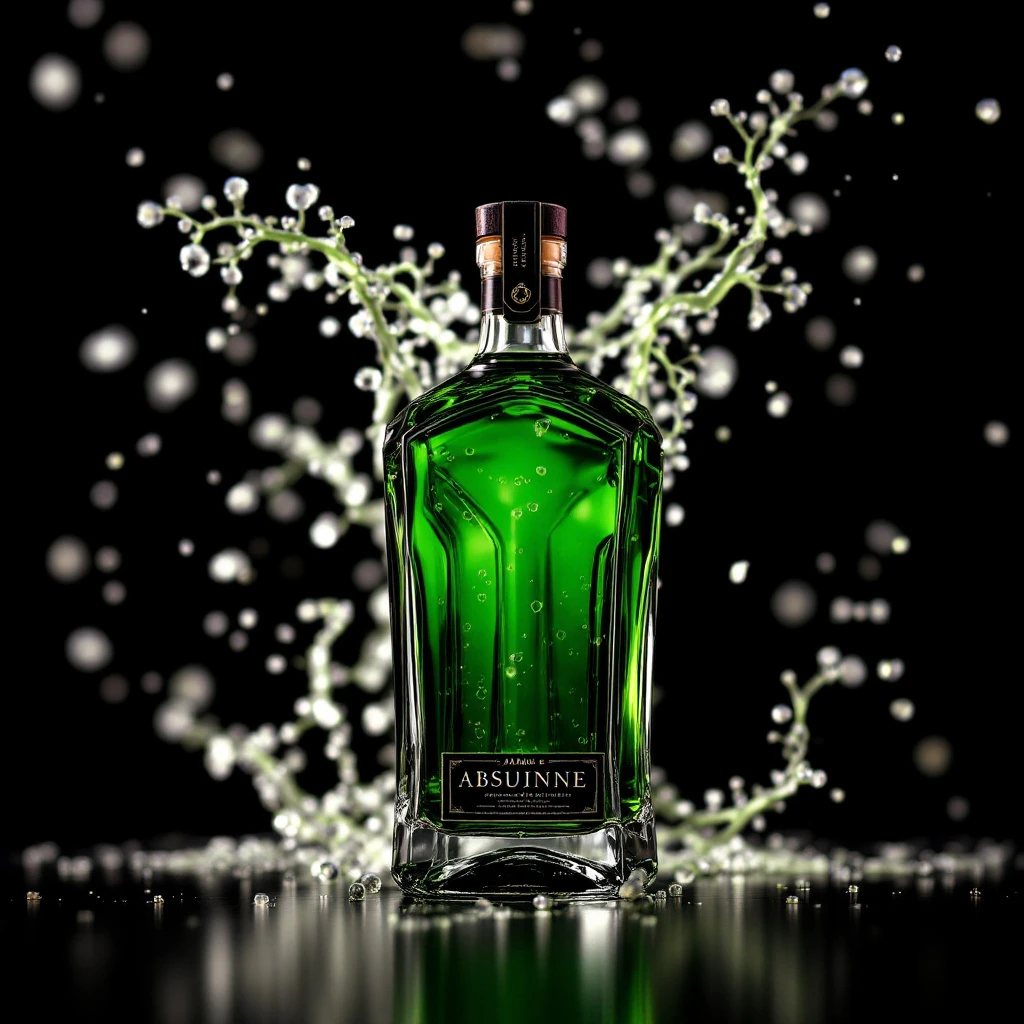
With its intensely bitter freshness, absinthe cuts through a fragrance like a laser of green sharpness. This is the aroma of wormwood, the botanical that earned absinthe a notorious reputation and a devoted following in fin-de-siècle Paris.
Character
How it smells
Bitter and green, wormwood channels 200 years of notorious appeal.
Pierre Ordinaire created the original absinthe recipe in 1792, selling it as a cure-all tonic before it became the drink that mesmerized 19th-century Paris.


Origin
United States
Swiss physician Pierre Ordinaire created the first absinthe recipe in the canton of Neuchâtel in the late 18th century. His herbal tincture, made from wormwood and other botanicals, was initially sold as a medicine. In 1805, Henri-Louis Pernod founded Pernod Fils in Pontarlier, France, introducing commercial absinthe production.
The drink crossed into France around 1840 and rapidly became the beverage of Paris's artistic and literary circles. By the 1870s, absinthe dominated French nightlife, particularly under the moniker "la liqueur verte" for its characteristic green hue. Growing concern over alleged health effects led to bans across much of Europe and the United States.
Modern EU regulations permit absinthe production but limit thujone content to 35 mg/kg, far below pre-ban levels. Today, the bitter complexity of wormwood finds renewed appreciation in perfumery as a bold aromatic anchor.
Wears it best
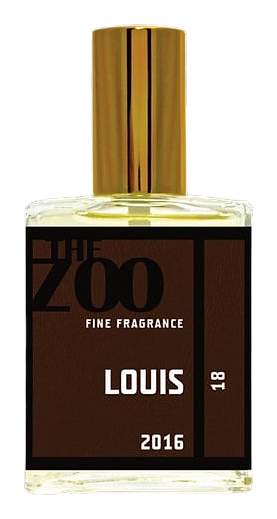
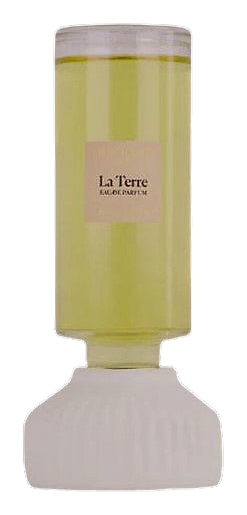
Fragrances featuring American absinthe

Brands
Brands known for American absinthe
Good to know
Questions, answered
The essentials on American absinthe in perfumery: how it smells, where it comes from, and how it behaves on skin.
What does American absinthe smell like in perfumery?
American absinthe registers as intensely herbal, bitter, and slightly sweet with a pronounced licorice-like quality. Thujone, the key compound in Artemisia absinthium, drives this sharp, green character that perforates other fragrance notes.
Is American absinthe made from actual absinthe liqueur?
No. Perfumery uses steam-distilled essential oil or absolute derived from Artemisia absinthium (wormwood), not the alcoholic liqueur. The oil captures the concentrated aromatic properties of the plant.
Where does American absinthe essential oil originate?
American absinthe oil comes from domestically cultivated Artemisia absinthium grown in dry, sunny regions. The Pacific Northwest and Intermountain West provide suitable mountain climates for this herb's production.
Why did absinthe face bans in the early 20th century?
Absinthe faced bans across Europe and the US primarily due to thujone content in wormwood. Authorities believed thujone caused hallucinations and severe health effects. Modern science shows pre-ban absinthe contained higher thujone levels than today's versions.
How much thujone do modern absinthe products contain?
EU regulations cap thujone in absinthe at 35 mg/kg. Historical pre-ban versions likely contained significantly higher concentrations, though exact levels remain debated since original products are no longer available for testing.
What family of plants does absinthe belong to?
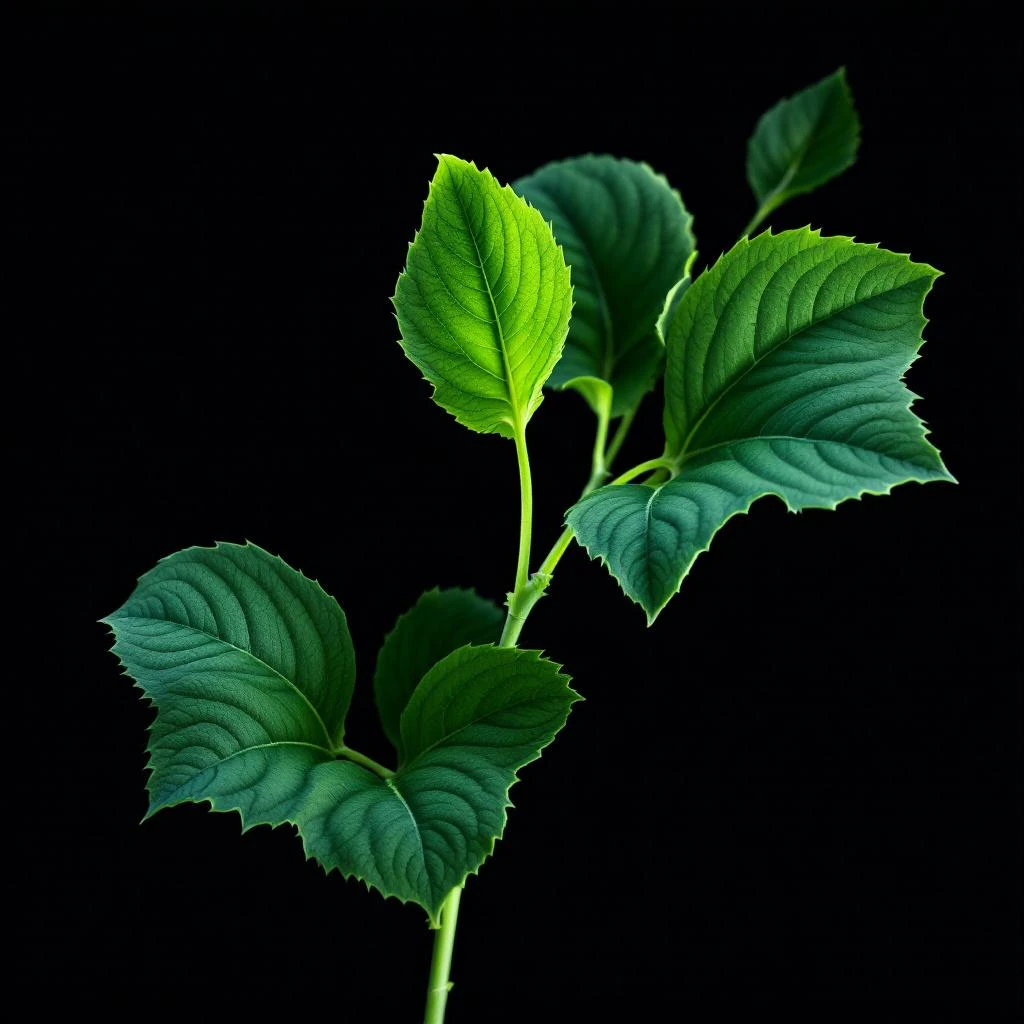
Absinthe comes from Artemisia absinthium, a member of the Asteraceae (daisy) family. This botanical relationship connects absinthe to sagebrush and common mugwort, which share similar aromatic profiles.
What fragrance families use absinthe most frequently?
Absinthe appears most often in green, aromatic, and fougère fragrances, where its bitter herbal freshness cuts through compositions. Perfumers also use it as a signature note in chypre and occasionally in unisex orientals for contrast.
When was wormwood first cultivated for commercial use?
Ancient Egyptians first cultivated wormwood around 1600 BC for medicinal applications. The Swiss canton of Neuchâtel later became the birthplace of modern absinthe production in the late 18th century under physician Pierre Ordinaire.