French angelica root
French angelica root yields a dark, viscous absolute with an earthy, musky complexity that perfumers have prized since medieval times for its ability to bridge herbal and woody accords.
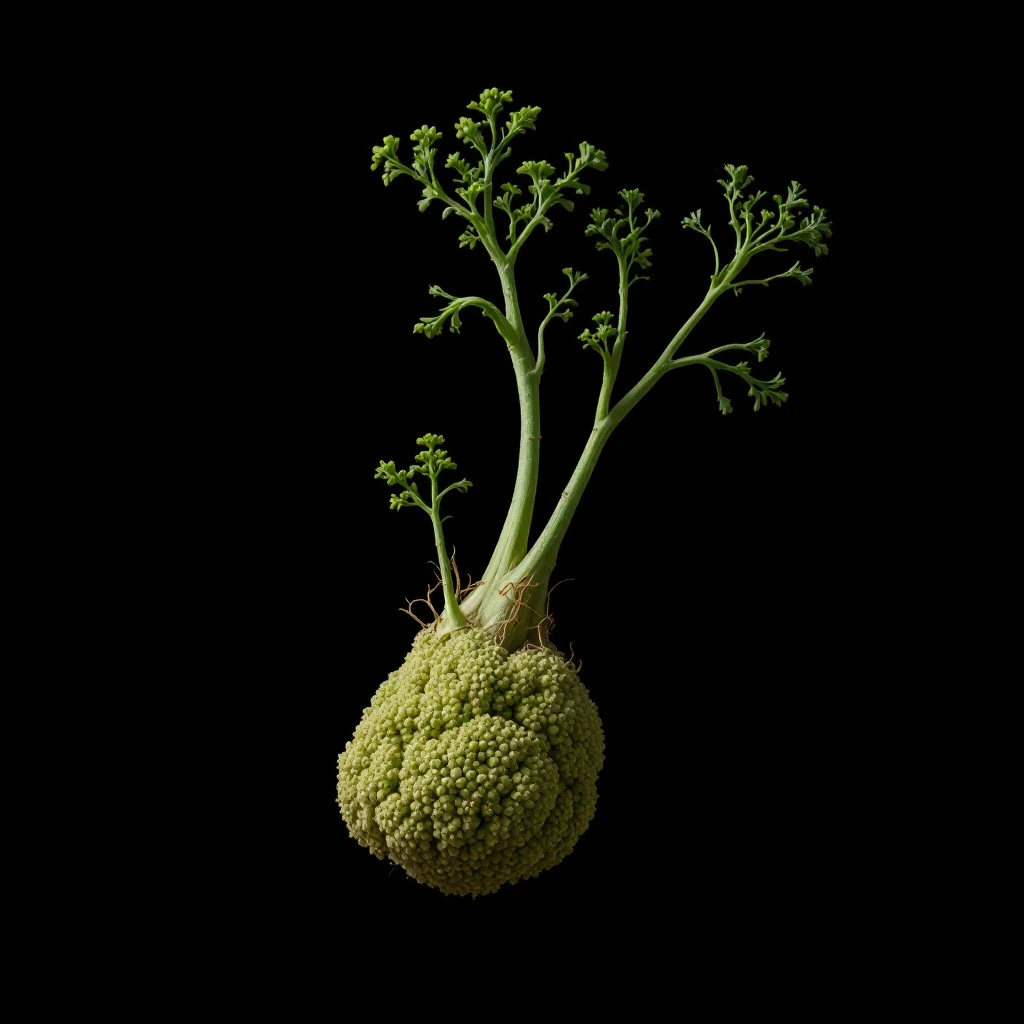
Character
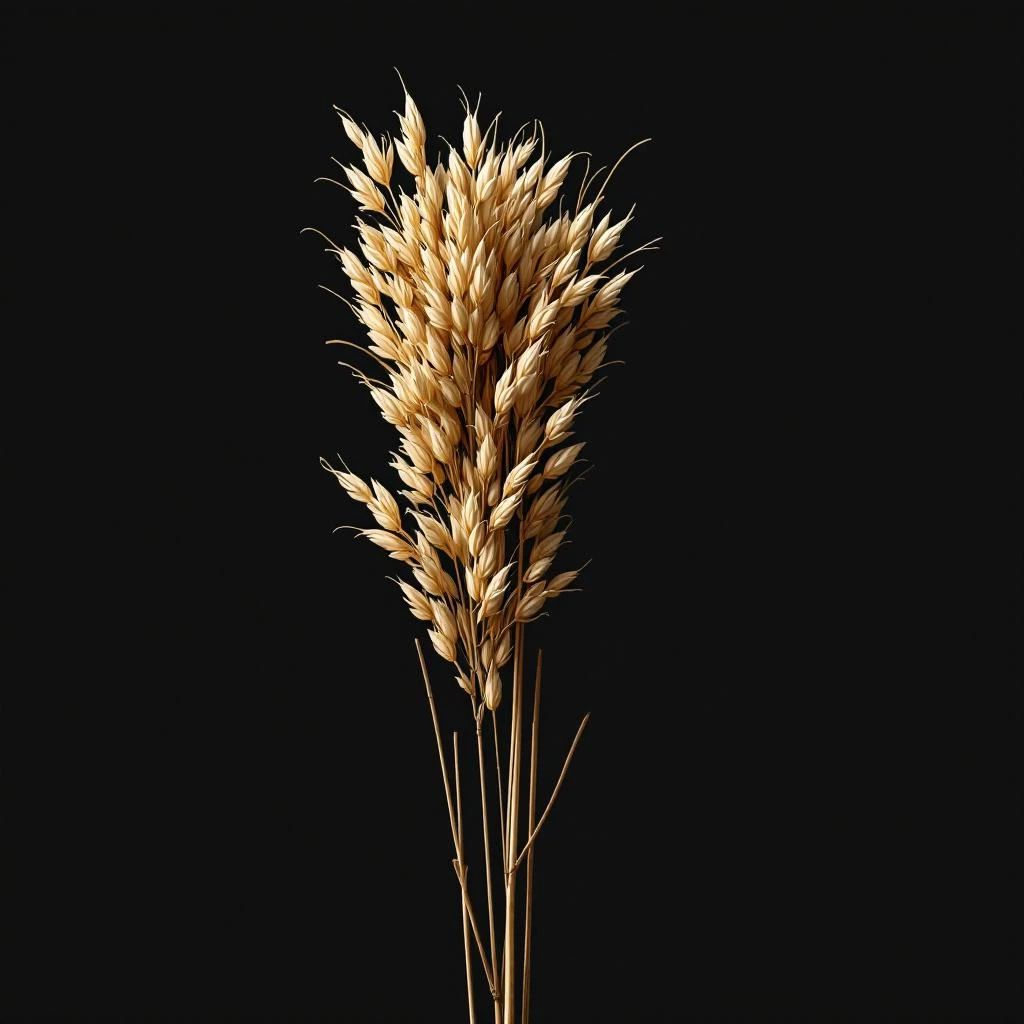
How it smells
The medieval herb that bridges green and earth.
Angelica archangelica was named after the archangel Gabriel, believed to reveal the plant's medicinal powers in a dream.



Origin
France
Native to northern Europe and cultivated in French gardens since the Middle Ages, angelica grew wild in damp, mountainous regions across what is now France. Medieval Europeans believed the plant was a gift from the archangel Gabriel, hence its scientific name Archangelica.
French monastic gardens regularly featured angelica as both medicine and perfume ingredient. By the 17th century, French apothecaries were distilling the roots for their aromatic and therapeutic properties.
The Chartreuse monks of southeastern France incorporated angelica root into their famous liqueur, cementing its place in French aromatic tradition. Today, while commercial cultivation spans multiple continents, French perfumers continue sourcing exceptional root material from traditional growing regions, particularly Alsace, where cool summers and rich soil produce roots with distinctive earthy-muskey depth prized in fine fragrance.
Wears it best
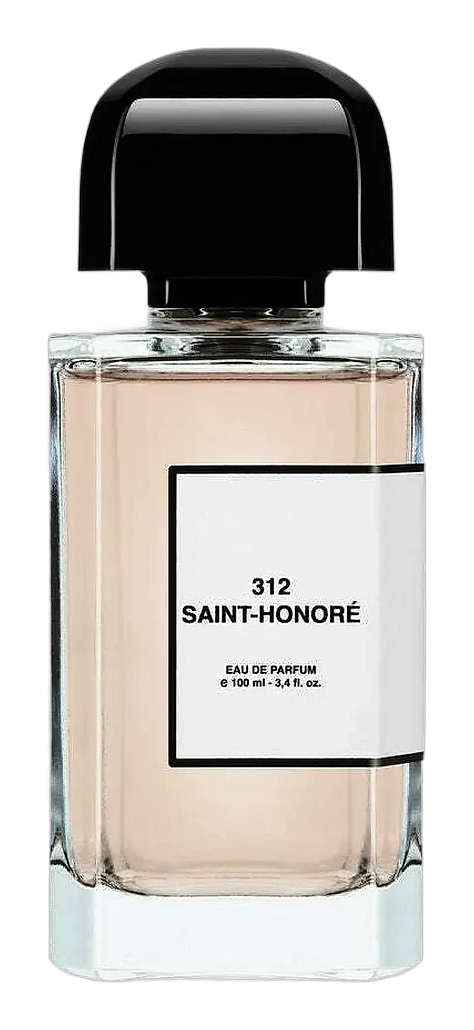
Fragrances featuring French angelica root
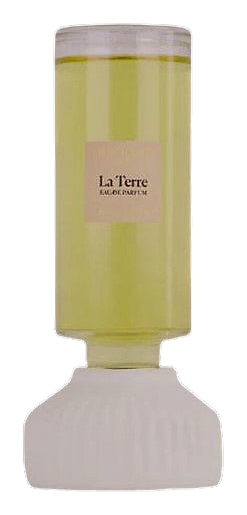
Brands
Brands known for French angelica root
Good to know
Questions, answered
The essentials on French angelica root in perfumery: how it smells, where it comes from, and how it behaves on skin.
What does French angelica root smell like?
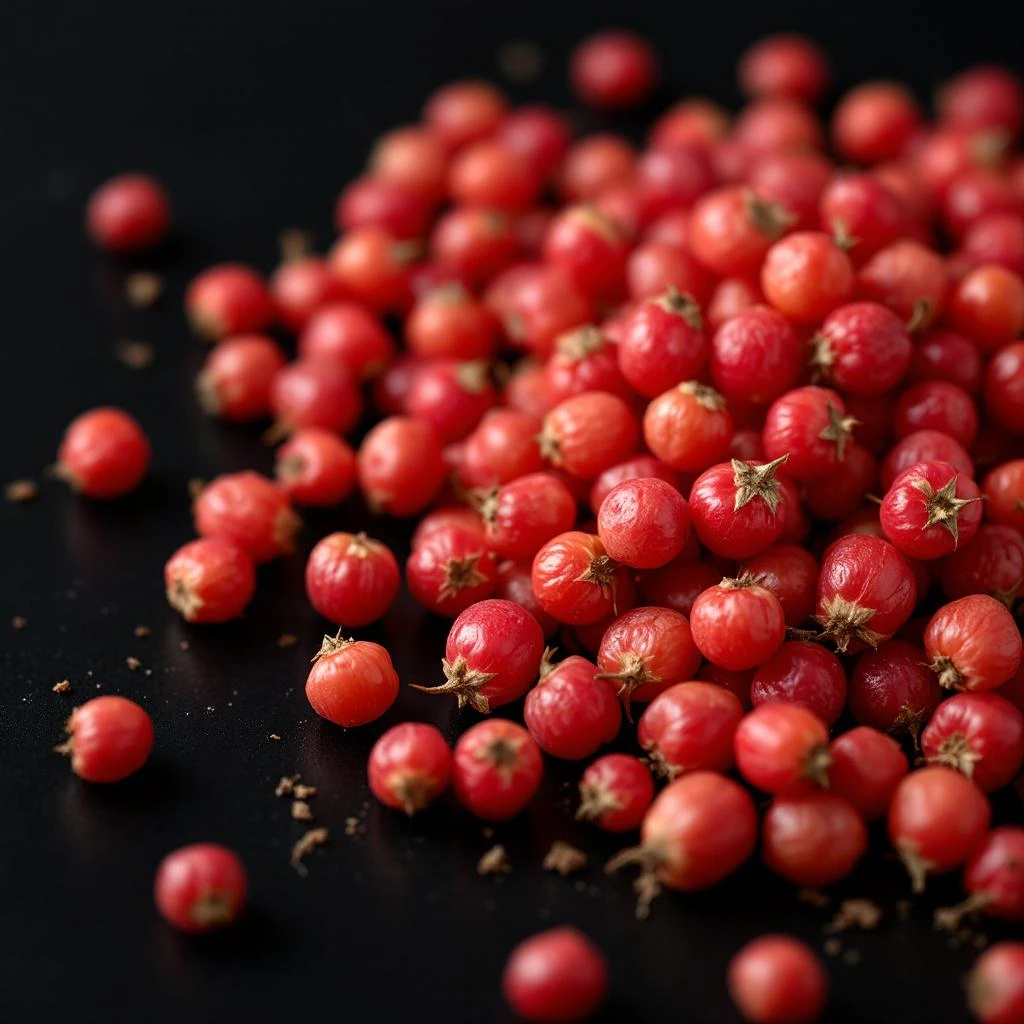
French angelica root Absolute has an earthy, musky, woody aroma with green and slightly peppery facets. The steam-distilled oil emphasizes warmer, earthier tones while retaining a distinctive peppery top note.
How is angelica root absolute produced?
Solvent extraction of dried roots yields a thick, dark absolute. Steam distillation of the same material produces a lighter essential oil. Both preserve the characteristic musky-green complexity that perfumers seek.
Where does French angelica root originate?
Angelica archangelica grows natively across northern Europe. French cultivation centers in Alsace and Alpine regions where cool, damp conditions produce roots with exceptional aromatic depth.
What distinguishes French angelica root from seed oil?
Root absolute and oil are more earthy, musky, and tenacious than the seed oil, which runs greener and more citrusy. Perfumers use root material when seeking the characteristic earthy base note.
Is angelica root used in perfumery and food?
Yes. Beyond fine fragrance, French cooks use candied angelica stems, and Chartreuse monastery has incorporated the herb in their liqueur since the 18th century.
What chemical compounds define angelica root's aroma?
Beta-phellandrene, alpha-pinene, and various terpenes create its distinctive earthy, peppery character. The root's macrocyclic lactones contribute to its notable tenacity in formulations.
What fragrance families pair well with angelica root?
Angelica root bridges green, woody, and aromatic fragrance families. It pairs naturally with citruses, conifers, and florals, adding depth and an herbal complexity to chypre and fougere structures.
Does angelica root cause photosensitivity like citrus?
Angelica root oil contains furanocoumarins that may cause phototoxicity. IFRA guidelines regulate usage concentrations in leave-on skin applications to ensure safe formulation.