Turkish Coffee Beans
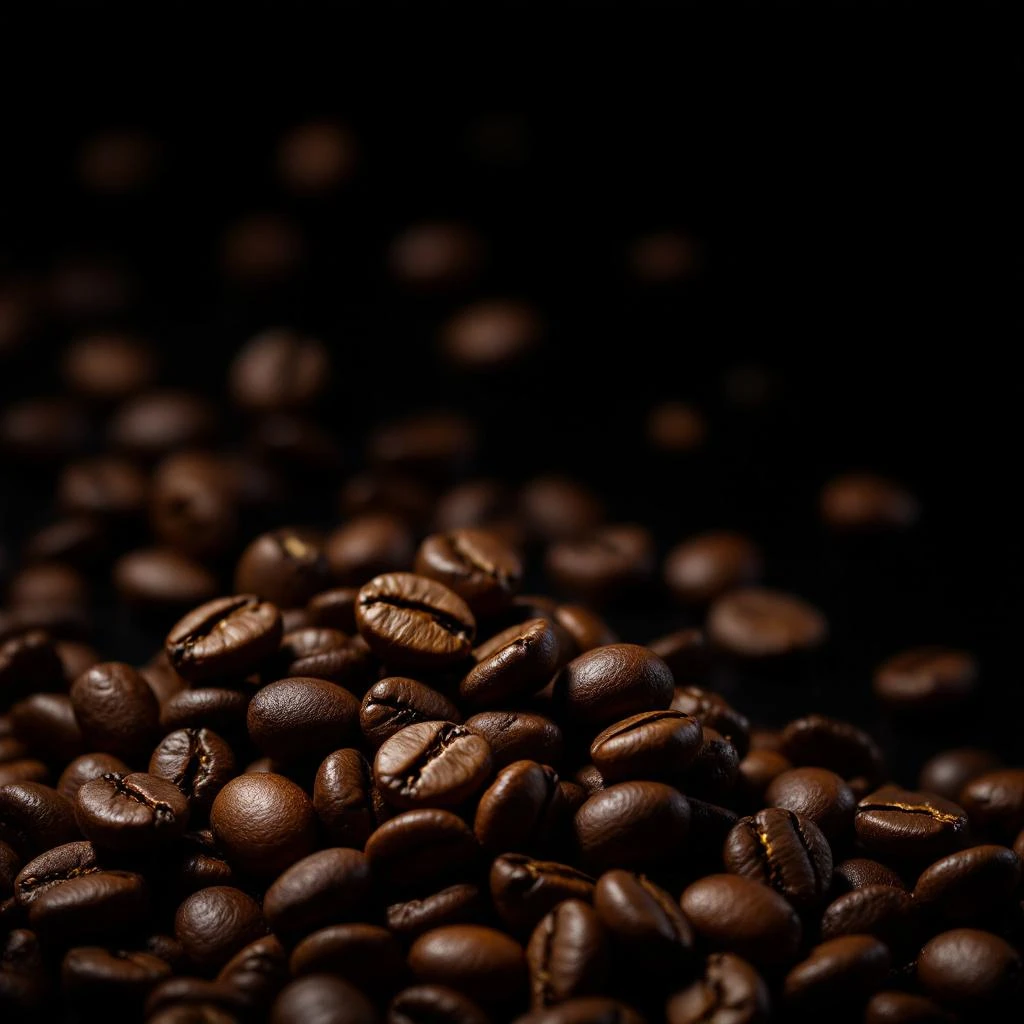
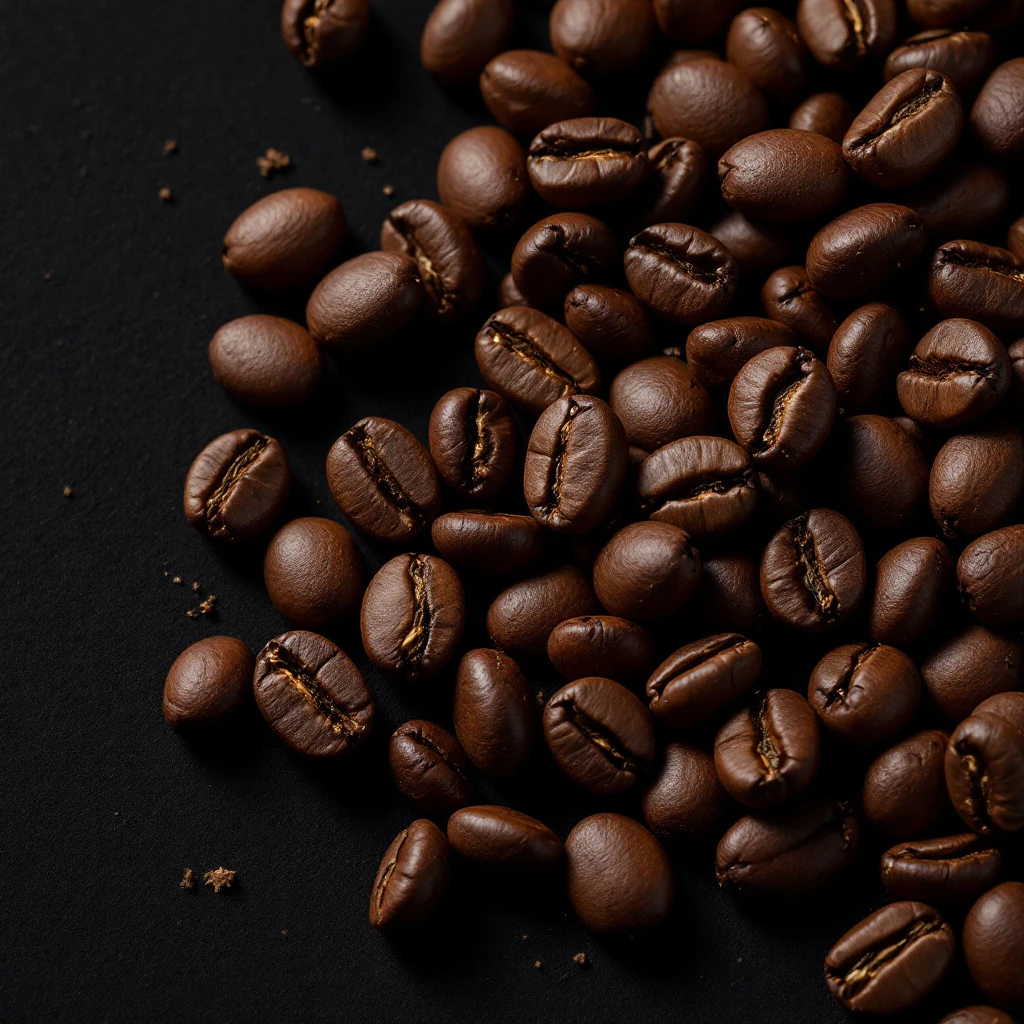
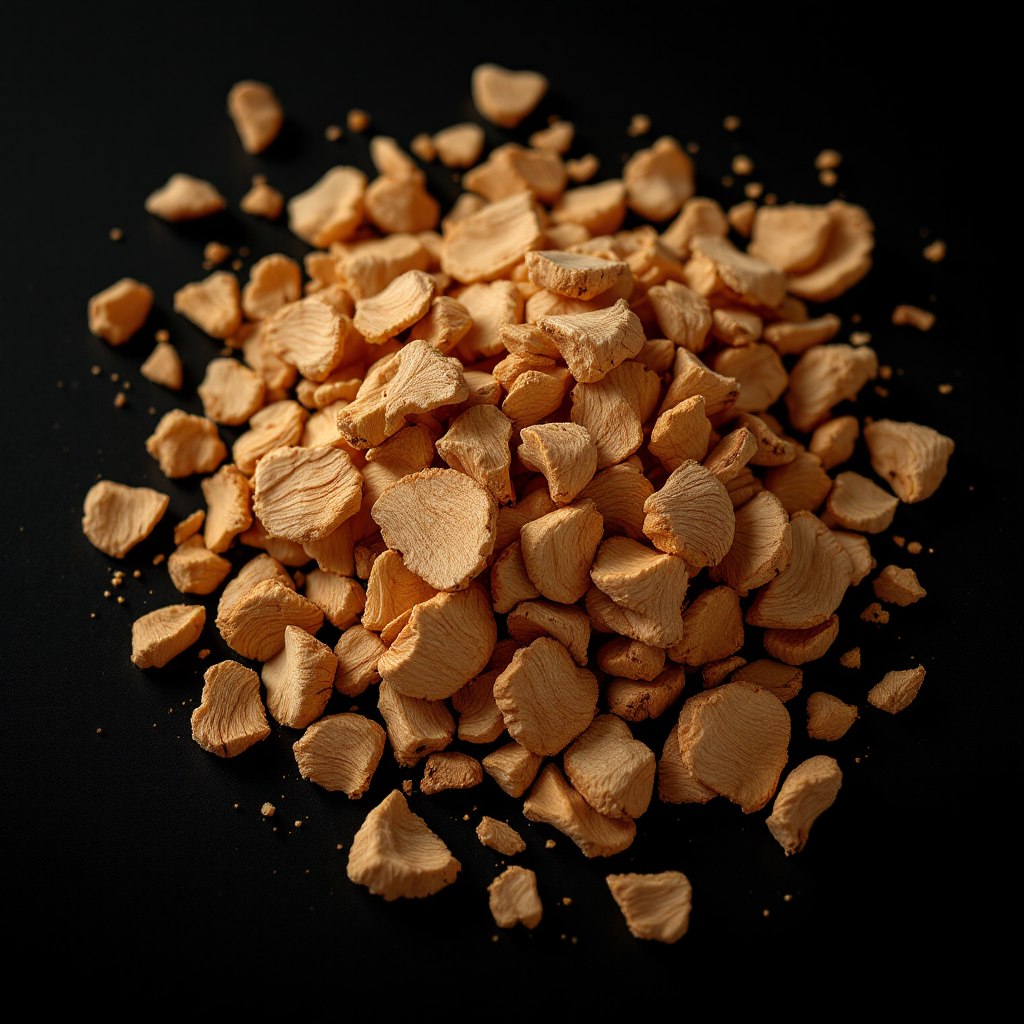
Turkish Coffee Beans deliver a bold, smoky intensity to perfumery. Not a bean variety but a preparation method, Turkish coffee uses finely ground Arabica beans roasted to darkness, producing roasted, bittersweet, and darkly aromatic qualities that anchor oriental and gourmand fragrances.
Character
How it smells
Dark roast. Bitter sweetness. Oriental anchor.
Turks were the first to roast and grind coffee beans in the 16th century, creating what UNESCO recognized as an Intangible Cultural Heritage of Humanity in 2013.


Origin
Turkey
Coffee originated in Ethiopia, where legend dates its discovery to a goat herder named Kaldi around 850 CE. By the 15th century, Yemen had established the world's first coffee trade, with the port of Mocha becoming synonymous with the commodity. The beverage's journey to Turkey began in 1555, when two Syrian merchants named Hemdy and Gojsan opened the first coffeehouse in Constantinople.
Turks transformed coffee from a simple drink into a cultural institution. Istanbul's coffeehouses became centers of intellectual exchange, music performance, and political discourse. The beverage was so central to Ottoman life that women could cite a husband's failure to provide adequate coffee as grounds for divorce. The brewing method itself—boiling extremely fine grounds in an ibrik, also called a cezve—became Turkey's signature contribution to global coffee culture.
The Turks were the first to systematically roast and grind coffee beans, pioneering techniques that spread throughout the Ottoman Empire and eventually reached Europe. This 500-year-old tradition earned UNESCO recognition in 2013 as part of humanity's Intangible Cultural Heritage. While no coffee grows domestically in Turkey today, the preparation method remains so culturally significant that the term 'Turkish Coffee' persists globally to describe the brewing technique rather than the origin of the beans themselves.
Wears it best
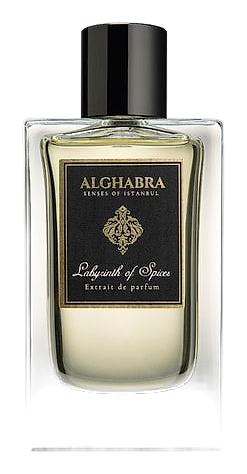
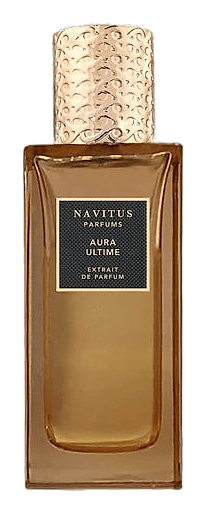
Fragrances featuring Turkish Coffee Beans
Brands
Brands known for Turkish Coffee Beans
Good to know
Questions, answered
The essentials on Turkish Coffee Beans in perfumery: how it smells, where it comes from, and how it behaves on skin.
What does Turkish Coffee Bean absolute smell like?
The absolute carries dark, bitter, and roasted characteristics with smoky undertones and subtle sweetness. It serves as an anchoring element in oriental and gourmand fragrance compositions, providing warmth and depth that reads as immediately familiar to most consumers.
How does Turkish coffee differ from regular coffee in perfumery?
Turkish coffee refers specifically to the preparation method—ultra-fine grinding and dark roasting—that produces more intense aromatic compounds. The fine grind and high roast temperature generate higher concentrations of furanones and pyrazines, creating a smokier, more bitter profile than standard coffee extracts.
Why is Turkish coffee used when no beans grow in Turkey?
The term refers to the preparation method and cultural tradition that originated in the Ottoman Empire. Turks pioneered the roasting and grinding techniques in the 16th century, and the method itself defines Turkish coffee. The ingredient captures those preparation characteristics rather than geographic origin.
Does Turkish coffee absolute smell like the drink?
The aromatic profile approximates the beverage's smell, but extraction cannot replicate the full experience. The foam, texture, and ritualistic preparation contribute to perception. What perfumers capture is the core roasted, bitter, and aromatic character that defines Turkish coffee.
What fragrance families use Turkish Coffee Bean?
This ingredient appears primarily in oriental and gourmand fragrances. It pairs well with vanilla, caramel, spices, and woody notes. Perfumers also use it to add unexpected depth to leather, tobacco, and even floral compositions for contrast.
Why does Turkish coffee create psychological comfort in fragrance?
Coffee carries strong associative properties. The aroma triggers memories of morning routines, social gatherings, and sensory pleasure. These psychological associations transfer to fragrance, making Turkish coffee an effective tool for creating inviting, familiar, and warmly addictive scent experiences.
What roast level produces the best perfumery extract?
Dark roasts generate the strongest bitter notes and most intense smoky character. The oil content increases during dark roasting, helping retain aromatic compounds in the final absolute. Light roasts yield more acidic, fruity profiles that work better in different extract applications.
How should Turkish Coffee Bean absolute be stored?
Store in a cool, dark environment in tightly sealed containers. The dark, bitter, and roasted characteristics remain stable for approximately two years when properly stored. Exposure to heat and light degrades the aromatic compounds, reducing effectiveness.