Brazilian copaiba balsam
Brazilian copaiba balsam is a warm, honeyed-woody oleoresin from the Amazon that has supported forest communities for centuries. Its exceptional longevity and softness make it prized in fine perfumery for lending depth and fixative power.

Character
How it smells
Ancient Amazon oleoresin. Warm. Fixative power.
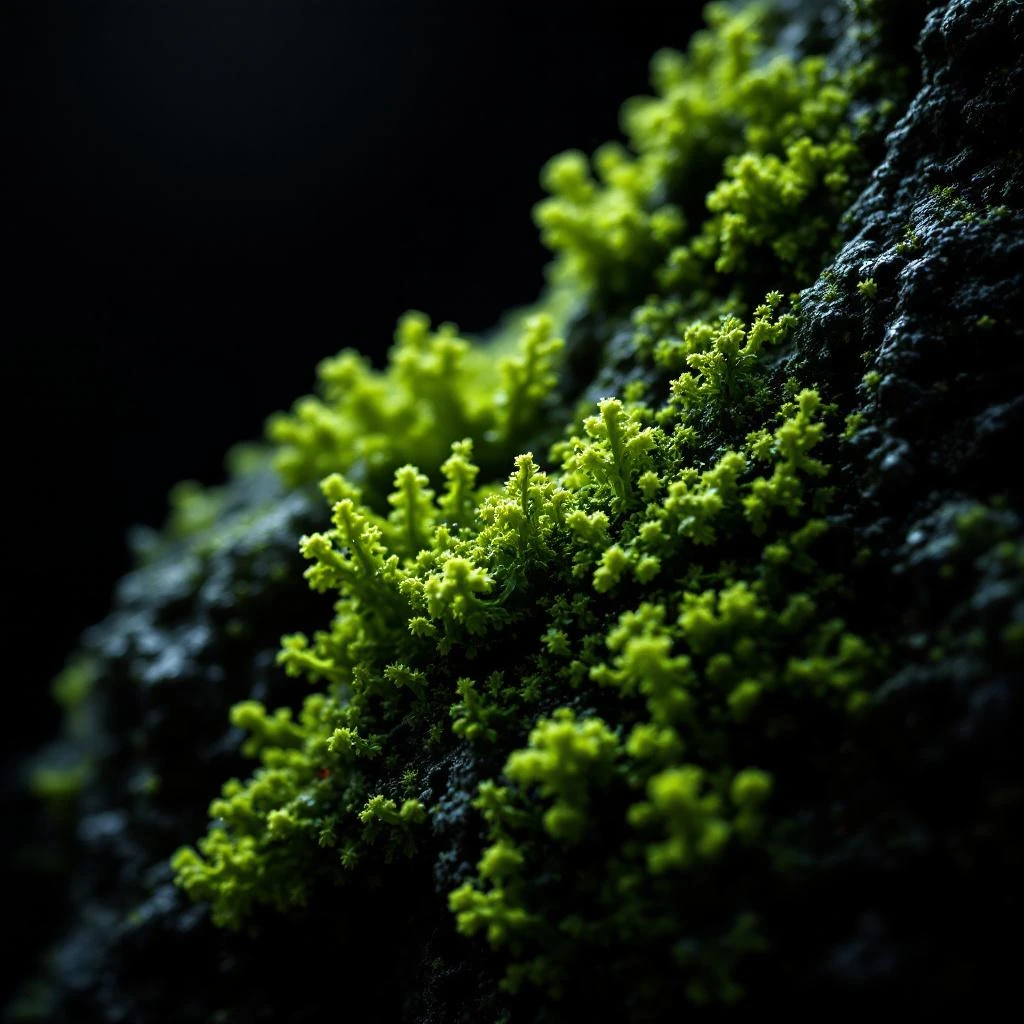
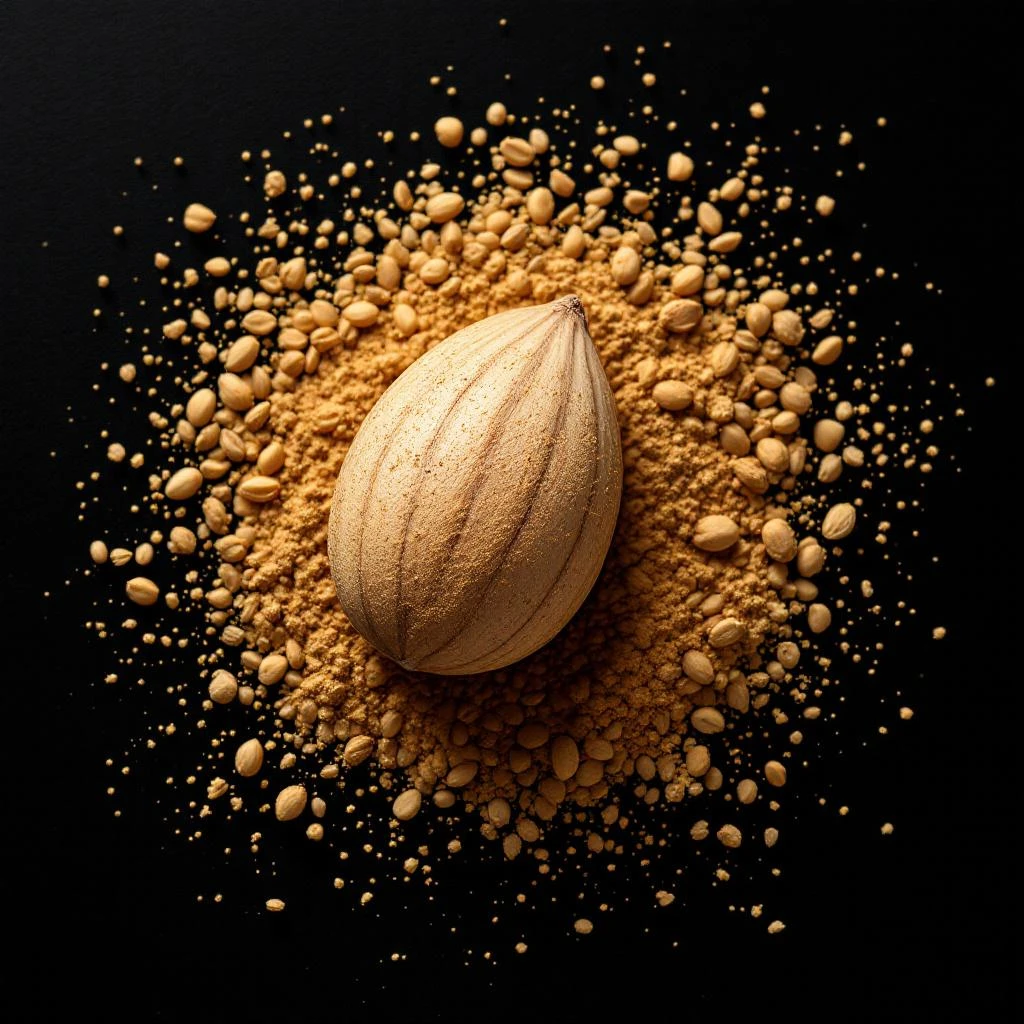
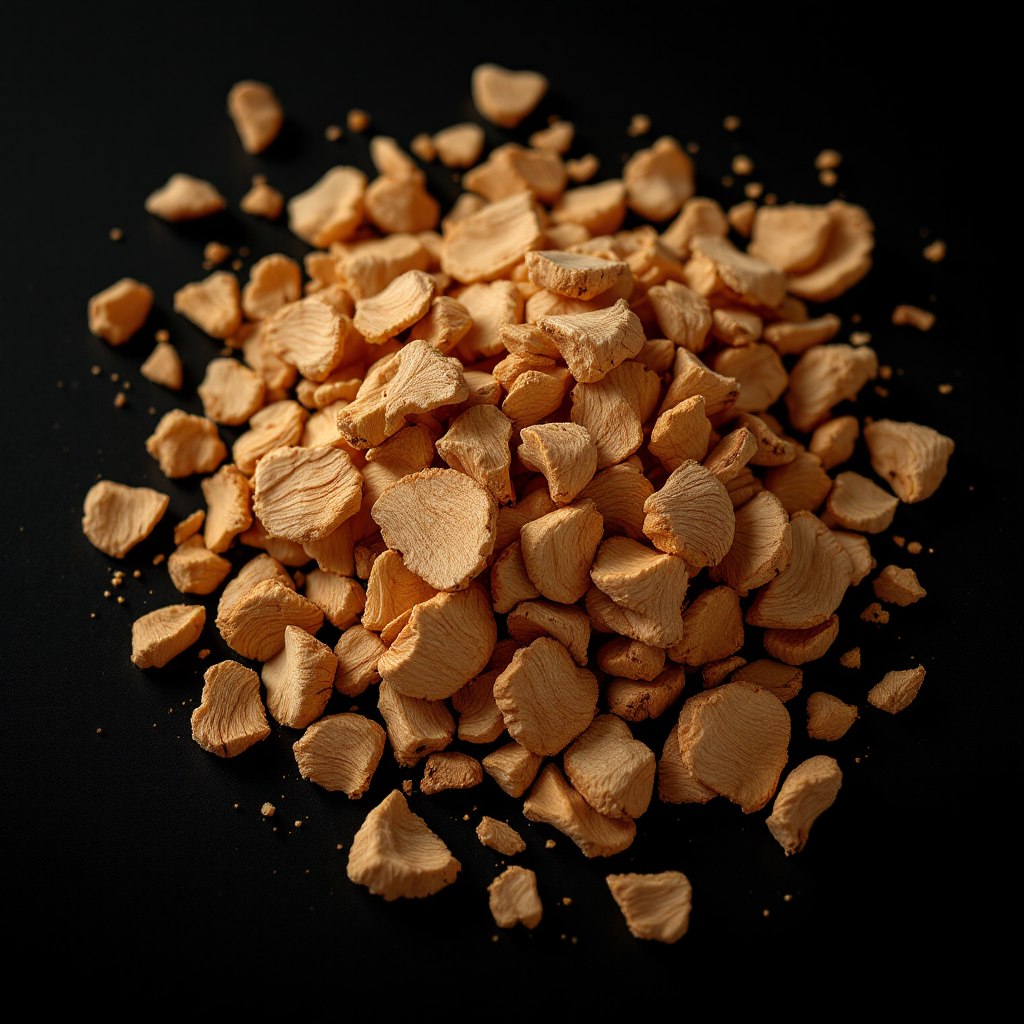
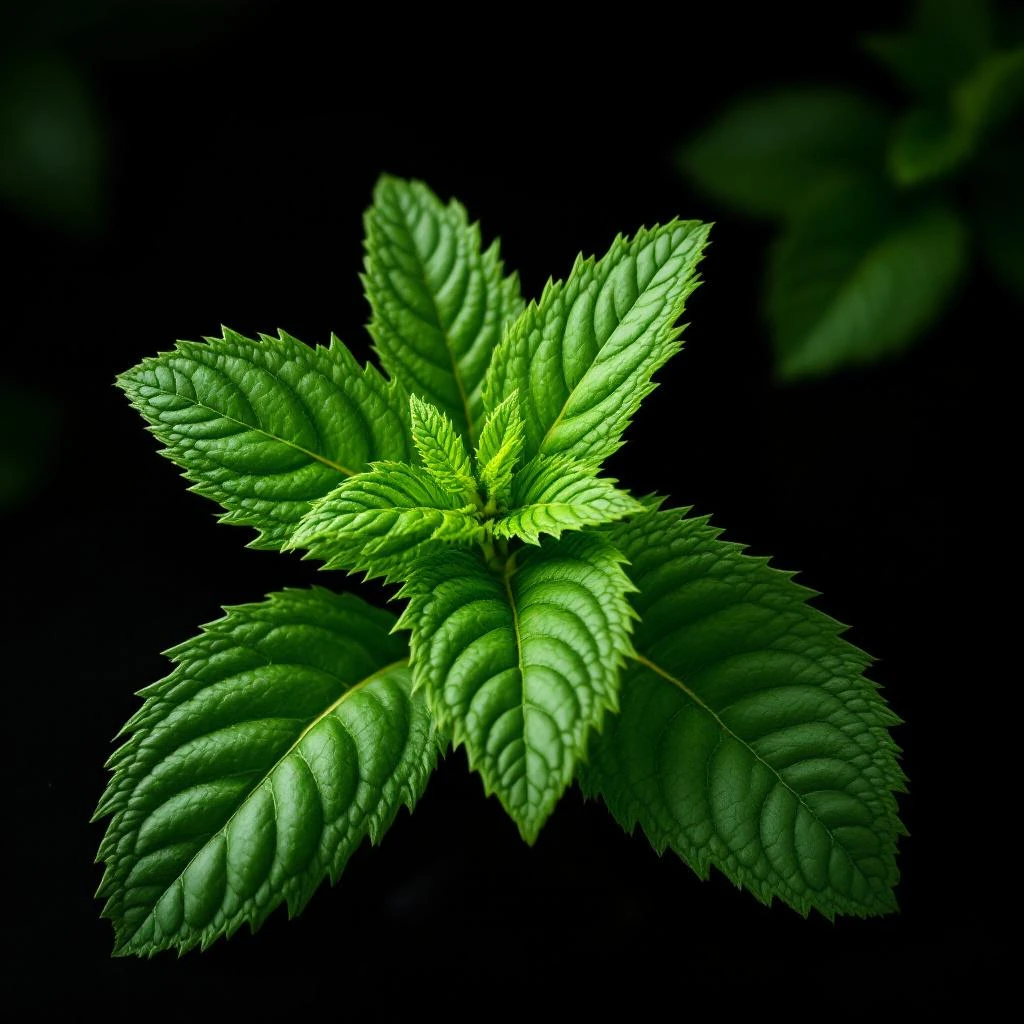
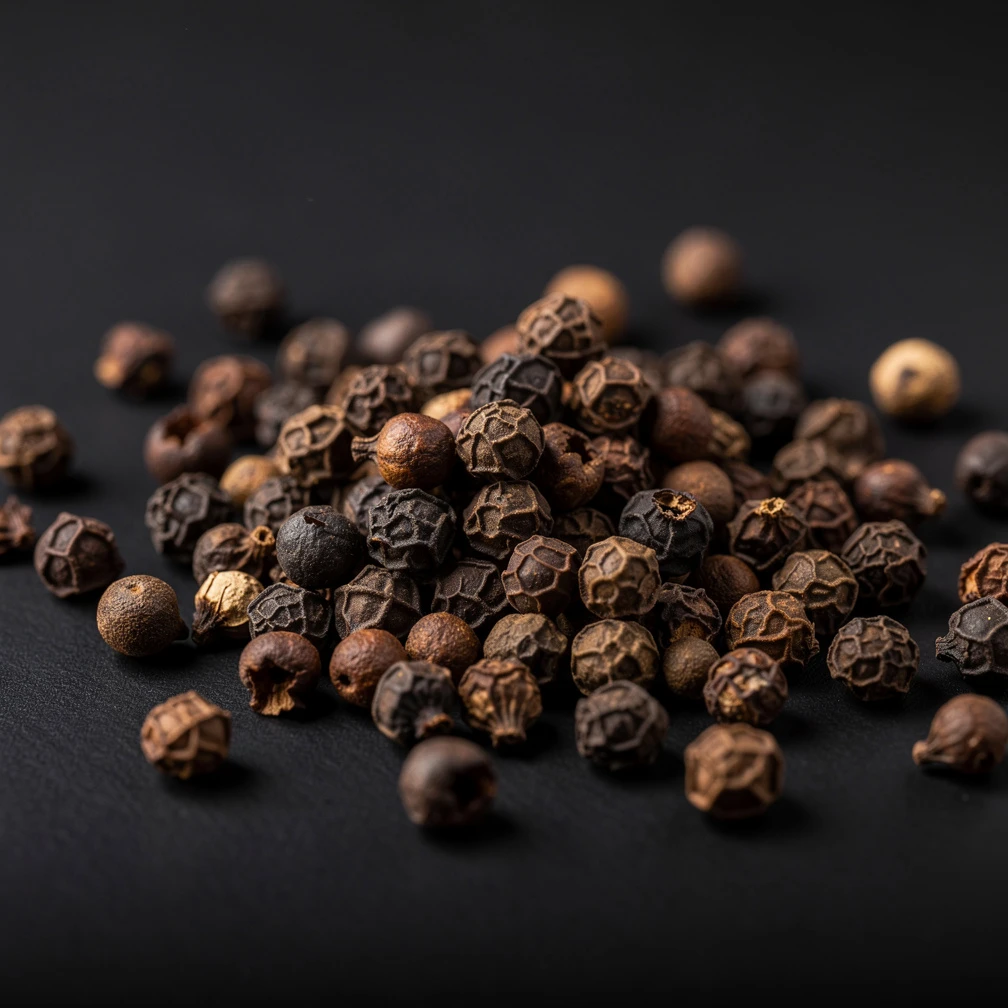
Copaiba trees store vast quantities of oleoresin between heartwood and bark, visible to the untrained eye before a single cut is made.




Origin
Brazil
Copaiba takes its name from the Tupi language, spoken by Indigenous peoples of Brazil before European contact. The Tupi term cupa-yba translates as 'reservoir tree', a name born from direct observation of how these towering rainforest specimens accumulate oleoresin in a central cavity visible before the first cut is made. Copaifera species grow throughout tropical South America, with different regions producing chemically distinct oleoresins.
Northern and northeastern Brazilian tribes harvested copaiba for medicine, ritual, and woodcraft long before the 1500s. Colonial-era Europeans encountered the resin and introduced it to European Materia Medica by the 17th century, initially valuing it as a treatment for wounds and respiratory conditions. The oleoresin arrived in perfume-making shortly thereafter, finding its place as a fixative and warm base note in oriental and woody compositions.
Centuries of continuous use reflect a living connection between traditional knowledge, Amazon ecology, and global fragrance craft.
Wears it best
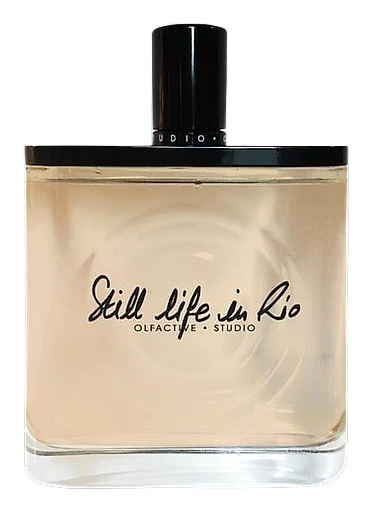
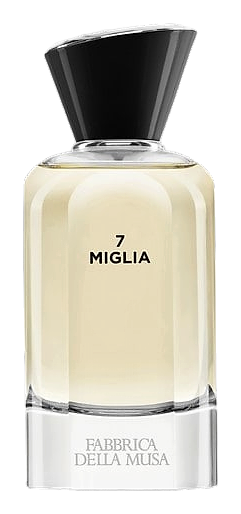
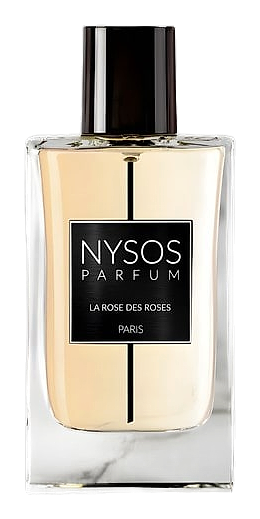
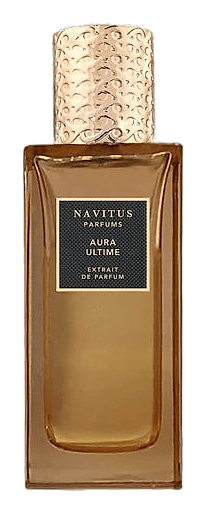
Fragrances featuring Brazilian copaiba balsam
Brands
Brands known for Brazilian copaiba balsam
Good to know
Questions, answered
The essentials on Brazilian copaiba balsam in perfumery: how it smells, where it comes from, and how it behaves on skin.
What is Brazilian copaiba balsam?
Copaiba balsam is an oleoresin harvested from Copaifera trees native to the Amazon basin. More correctly called an oleoresin than a true balsam, it serves as a fixative and base note in fine perfumery.
What does copaiba balsam smell like?
It smells warm, honeyed, and woody, with a soft resinous character. The scent blends sweetness with dry cedary warmth, creating a long-lasting impression in fragrance compositions.
How is copaiba balsam harvested?
Harvesters make V-shaped cuts into Copaifera tree trunks, allowing oleoresin to drain for hours until the wound self-seals. The same tree can be tapped repeatedly across decades without felling.
How long has copaiba been harvested?
Indigenous tribes in northern Brazil have harvested copaiba since at least the 16th century. The practice predates European contact by centuries, rooted in traditional ecological knowledge.
What role does copaiba play in perfumery?
Copaiba works as both a fixative and a fragrance material. Its high sesquiterpene content slows the evaporation of lighter notes, extending a fragrance's longevity on skin.
What is the difference between copaiba balsam and copaiba oil?
Copaiba oil is the steam-distilled derivative of the raw oleoresin. Perfumery applications typically use the whole balsam, which retains a richer, more complex aromatic profile.
Is copaiba harvesting sustainable?
Yes. The tapping process does not require felling the tree, enabling decades of sustainable harvests per specimen. Multiple Amazonian communities depend on ethical copaiba sourcing for livelihood.
How did copaiba get its name?
The name derives from the Tupi language cupa-yba, meaning 'reservoir tree'. Before a single cut, experienced harvesters can see where the tree holds its stored oleoresin.