Trillium
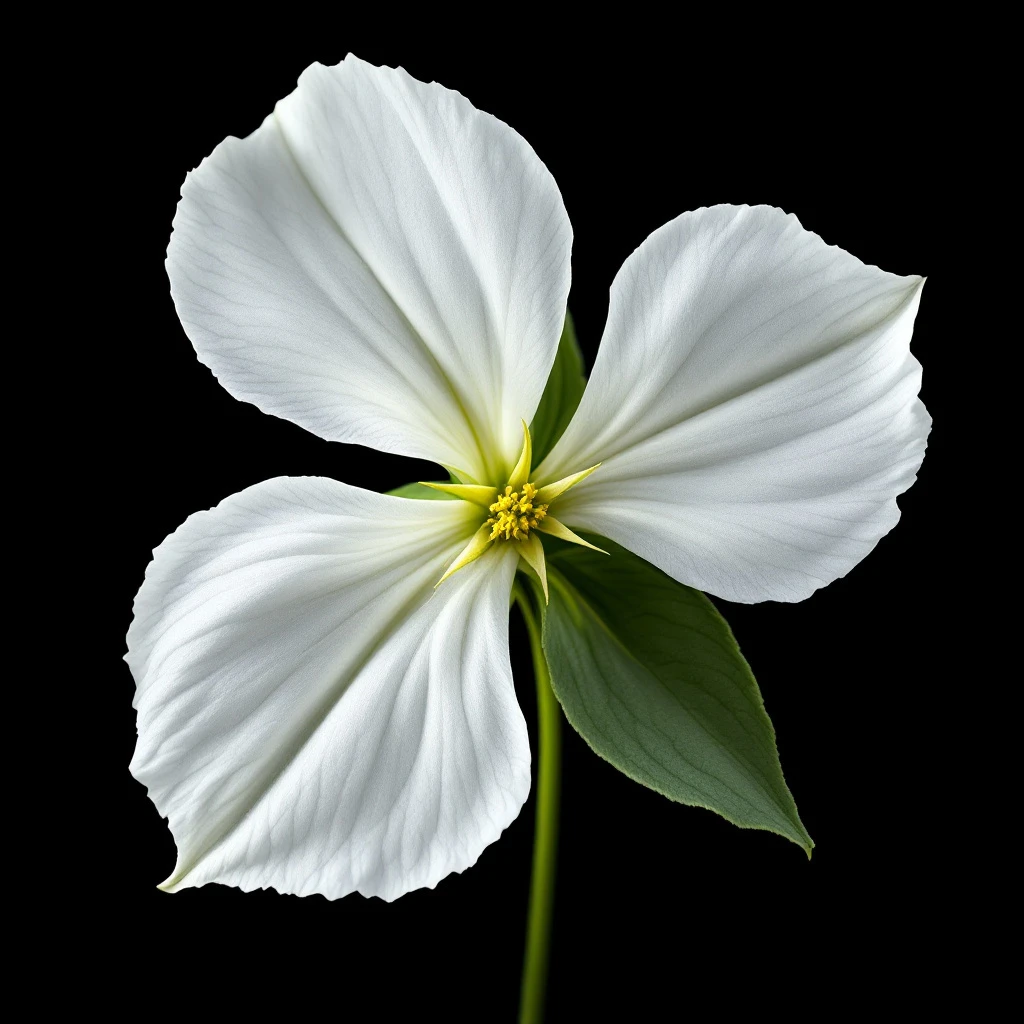
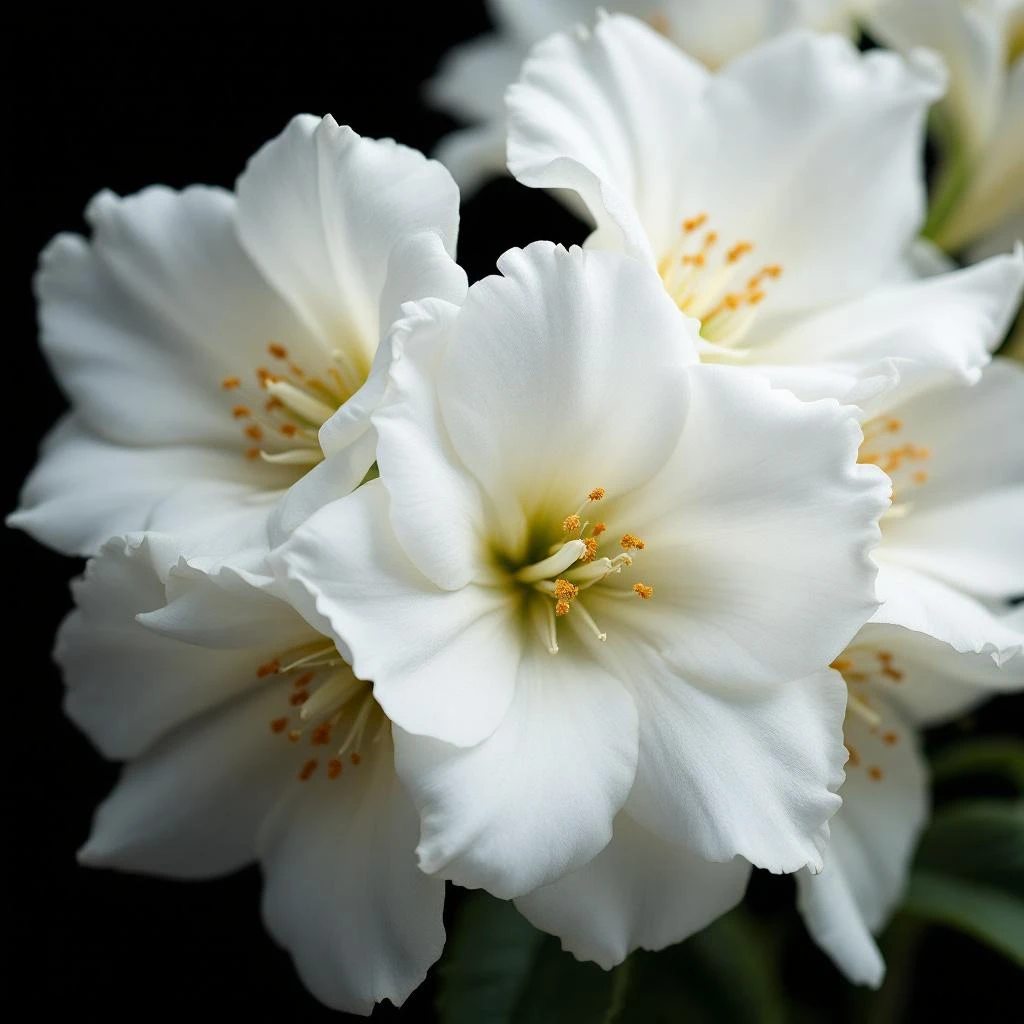
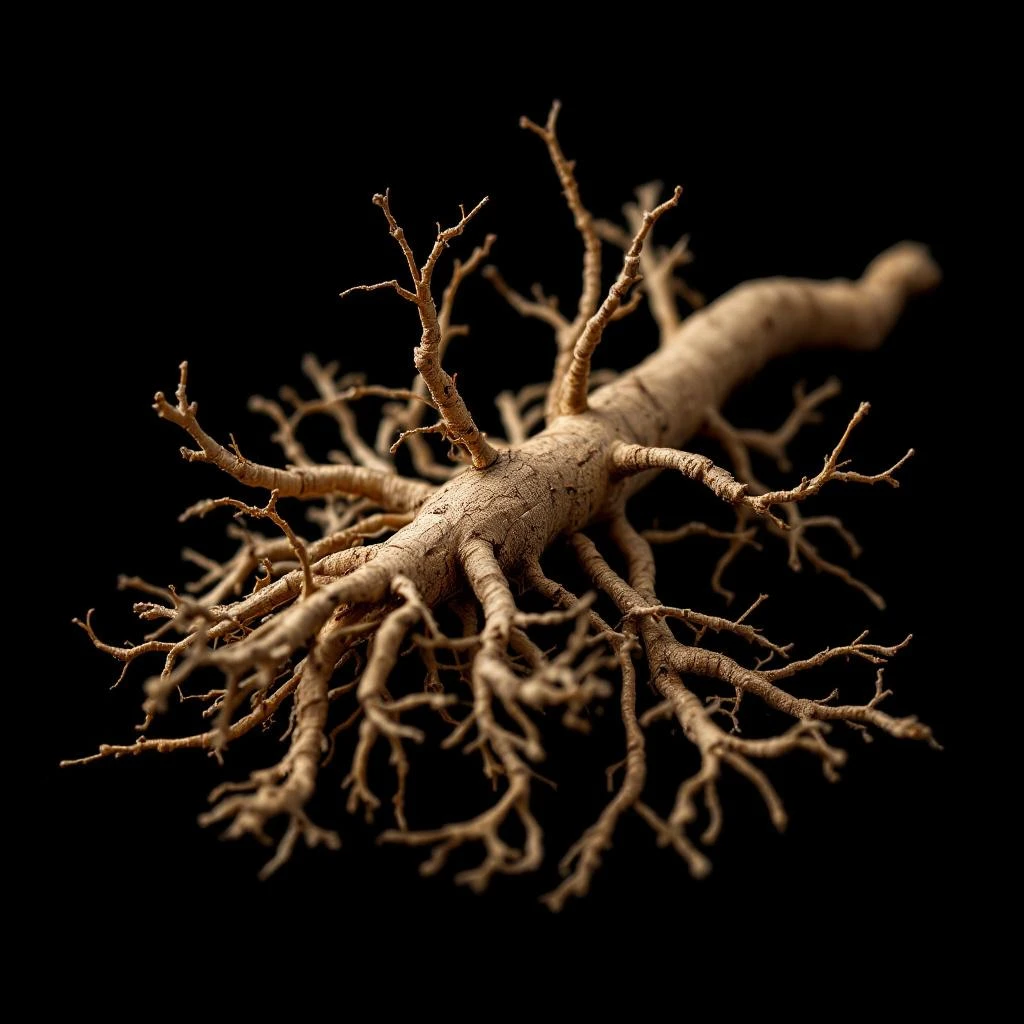
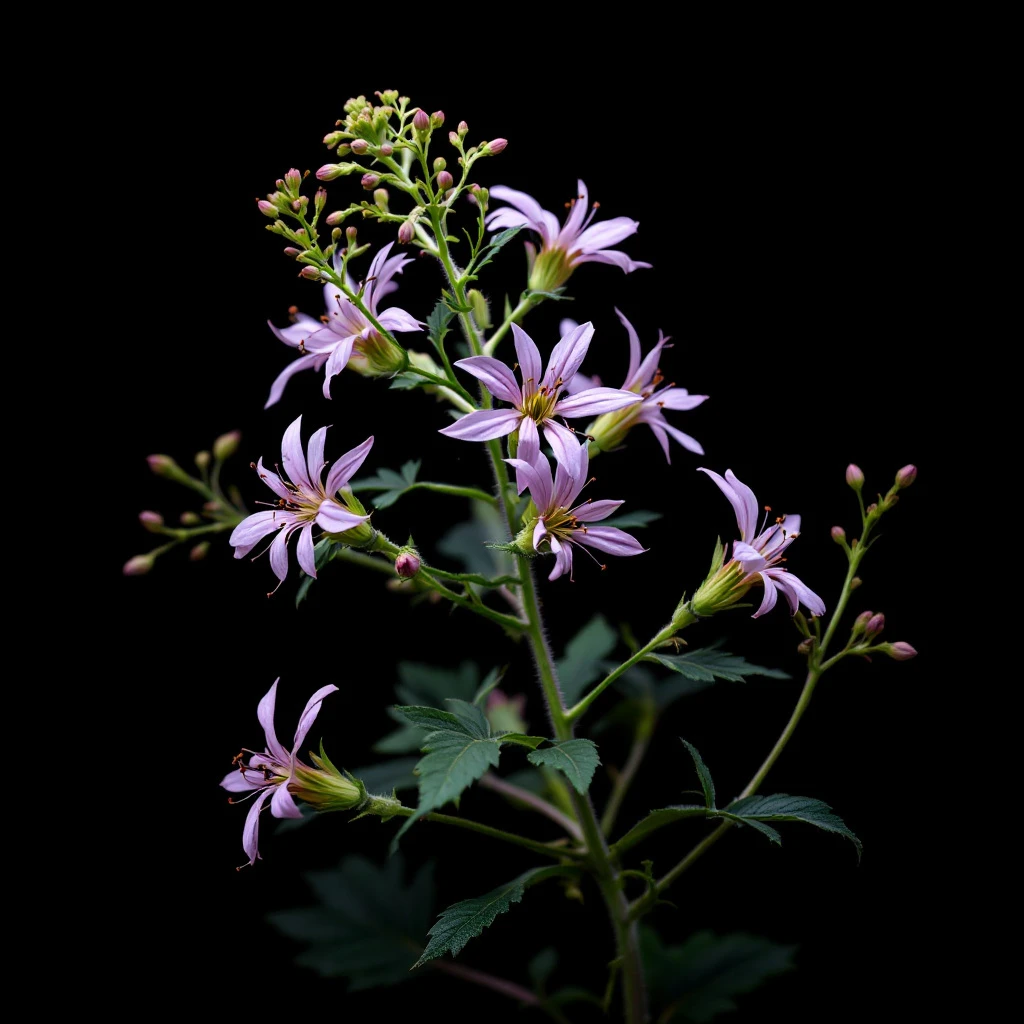
Trillium is a spring-blooming woodland plant recognized by its three-petaled flowers and whorl of three leaves. Rarely used in perfumery, its delicate green-floral character appears only in botanical-inspired fragrances. The ephemeral bloom carries a subtle, fresh scent reminiscent of tender new growth.
Character
How it smells
Woodland spring bloom with threefold grace
Trillium seeds are spread exclusively by ants, which collect the seeds and discard them after eating the attached oil-rich elaiosome.


Origin
United States
Trillium has a long history in Native American herbal medicine, where various species served as remedies for childbirth pain, eye inflammation, and skin conditions. The plant earned the common name wake-robin for its tendency to bloom around the time American robins return in spring. European botanists documented North American trillium species throughout the 18th and 19th centuries, though the plant never gained significance in Western perfumery traditions.
Its inclusion in modern fragrances represents a contemporary appreciation for woodland botanical imagery rather than any historical fragrant use. The plant now faces pressure from habitat loss and over-collection, with several species listed as protected or threatened in states where it once grew abundantly.
Wears it best
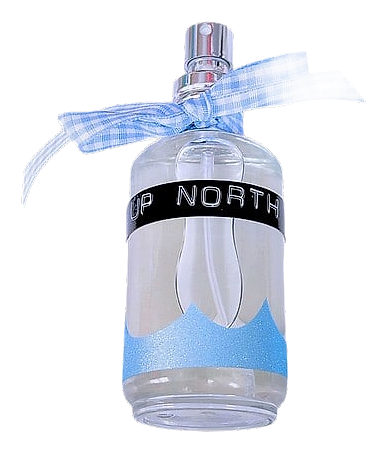
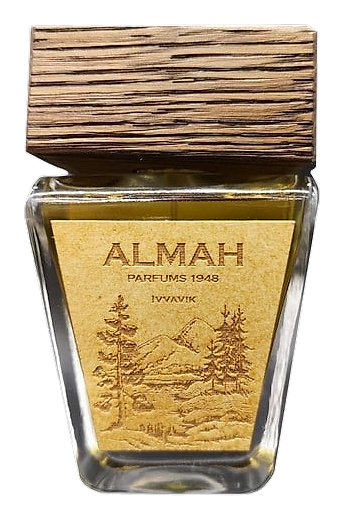
Fragrances featuring Trillium
Brands
Brands known for Trillium
Good to know
Questions, answered
The essentials on Trillium in perfumery: how it smells, where it comes from, and how it behaves on skin.
Is trillium commonly used in perfumes?
No, trillium sees extremely limited use in perfumery. The plant grows too slowly for commercial cultivation, and no standard natural extract exists. When used, it appears as a synthetic aroma compound designed to evoke fresh woodland spring.
What does trillium smell like?
The scent of trillium is subtle and ephemeral, combining green leaf freshness with delicate white floral notes. It suggests new plant growth in a cool forest clearing rather than a bold garden flower.
Can you extract fragrance from trillium flowers?
Small-scale enfleurage or solvent extraction is technically possible but economically impractical. Slow growth, small flower size, and conservation concerns make natural extraction unviable for commercial perfumery.
Where does trillium grow?
Trillium species occur across eastern North America, with highest diversity in the Appalachian region, plus scattered species in the Pacific Northwest and northeastern Asia. The plant requires rich, moist woodland soil.
Is trillium protected?
Several trillium species face legal protection. Trillium erectum is listed as threatened in Maine, while Trillium ovatum receives protection in some western states. Harvesting from wild populations is prohibited in many areas.
What fragrance families use trillium?
Trillium appears almost exclusively in botanical or nature-inspired fragrances, particularly those marketed as forest, green, or spring garden themes. It typically functions as a supporting note rather than a focal point.
Why doesn't trillium appear more often in perfume?
The plant takes years to mature from seed, produces tiny flowers with low aromatic yield, and grows only in specific woodland conditions. These factors make it one of the least practical natural ingredients for fragrance production.
What is a trillium accord?
A trillium accord is a synthetic reconstruction combining green leaf compounds like cis-3-hexenol with delicate floral materials such as hydroxycitronellal. Perfumers create these accords to suggest trillium's fresh, woodland character.