Tomato Flower
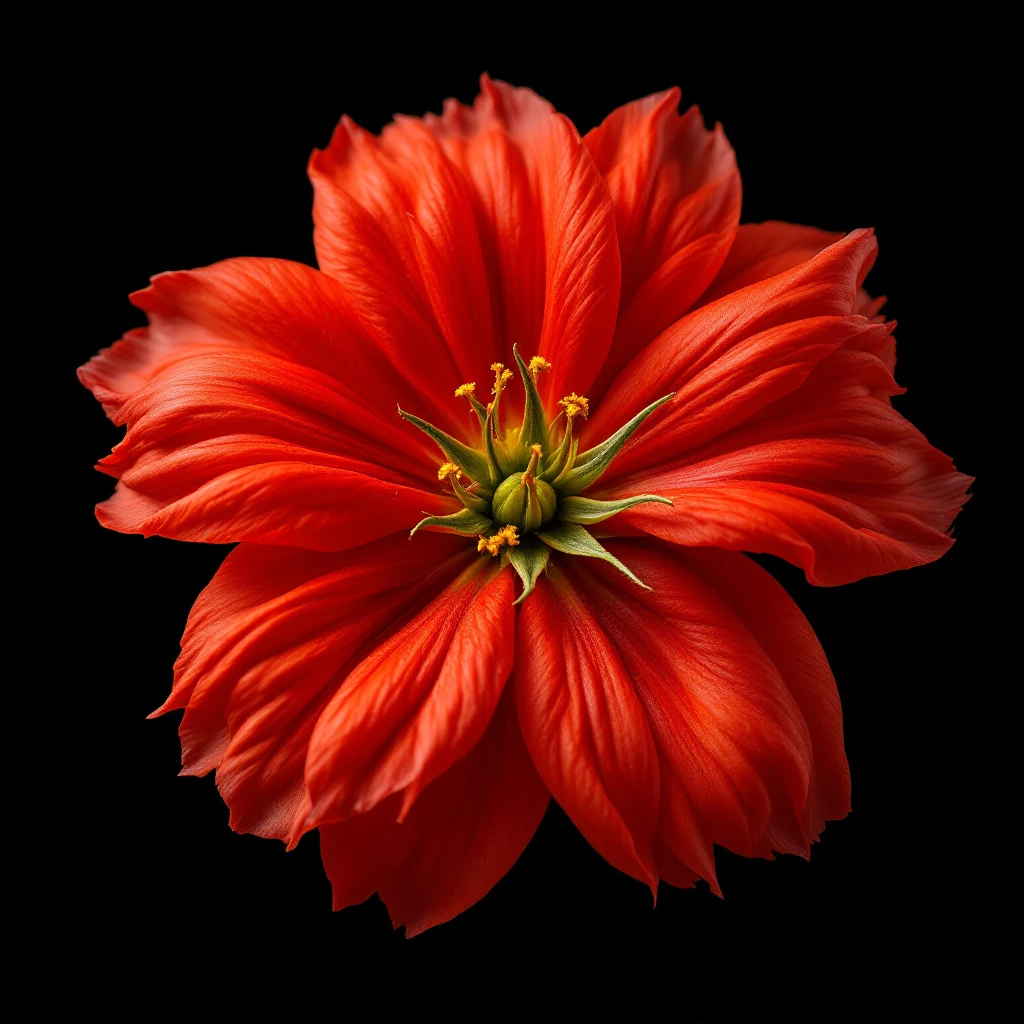
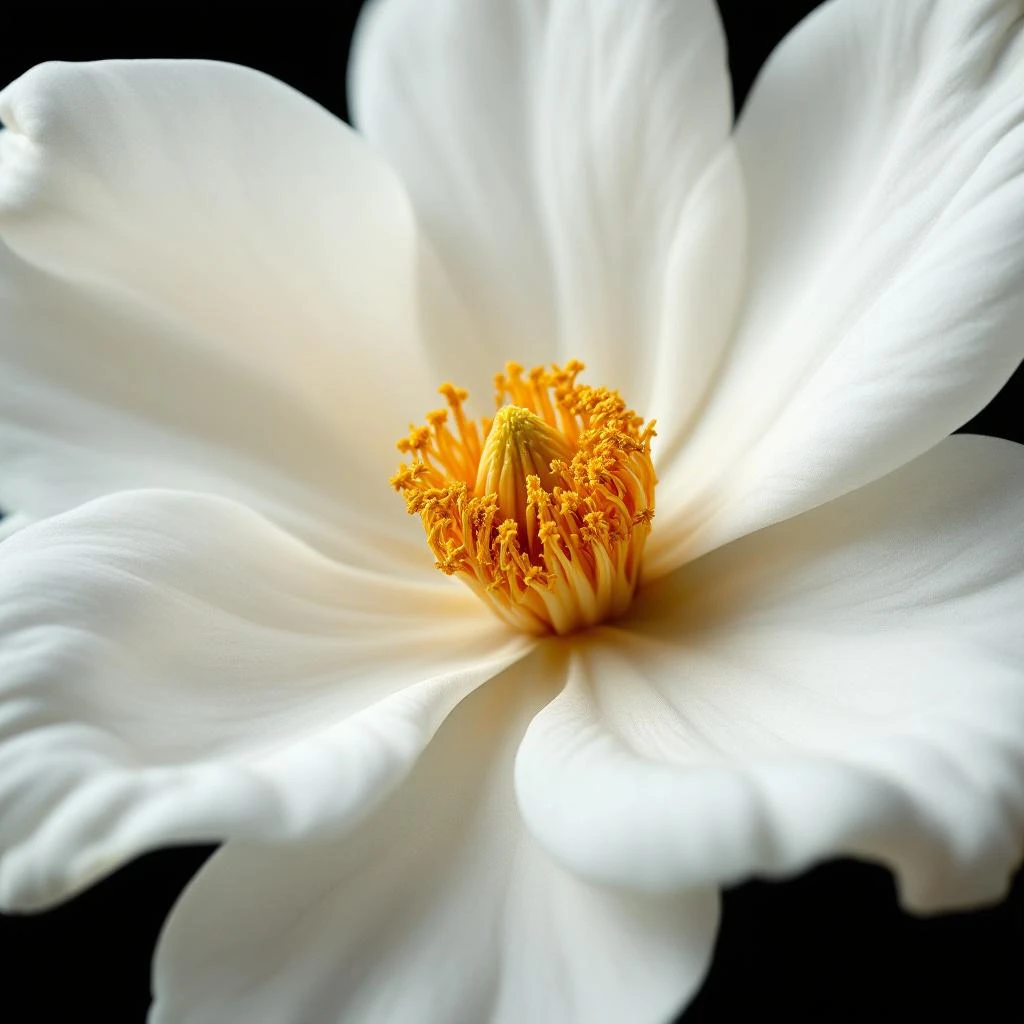
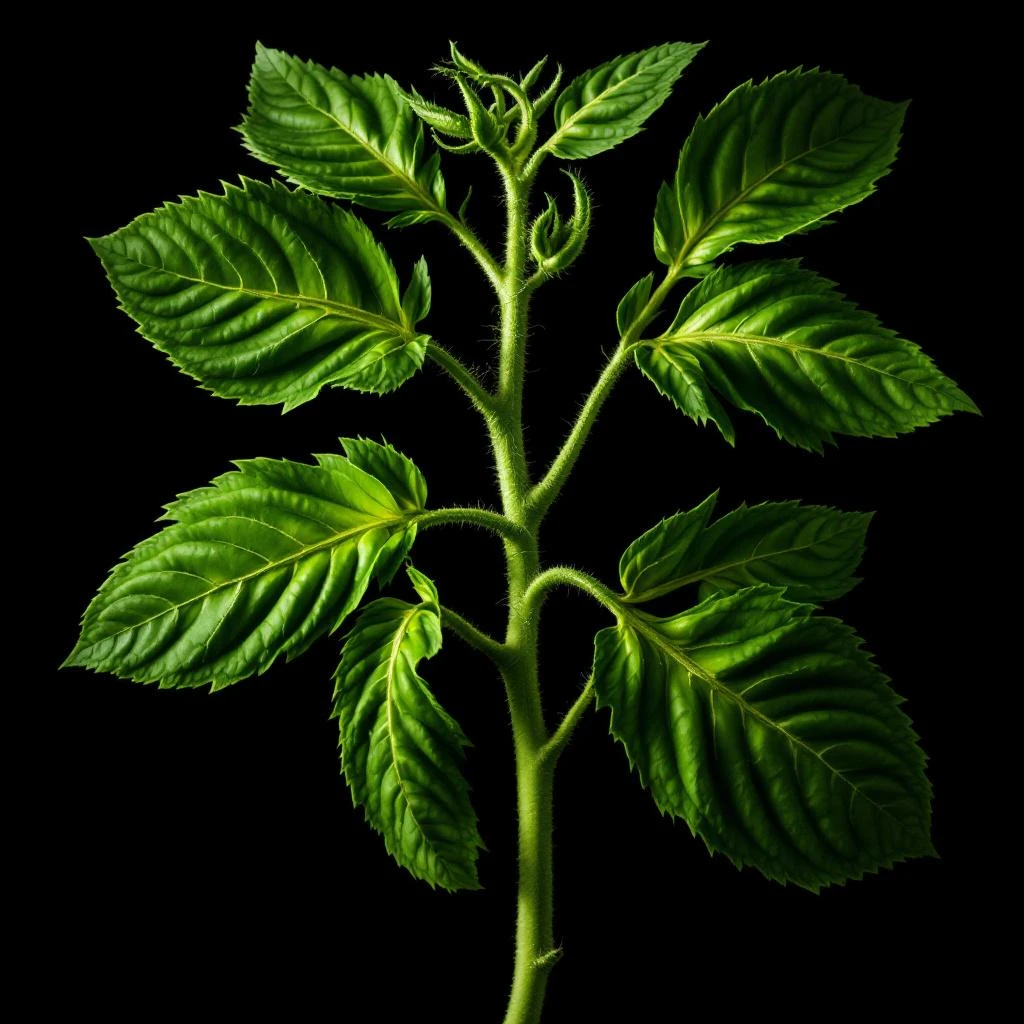
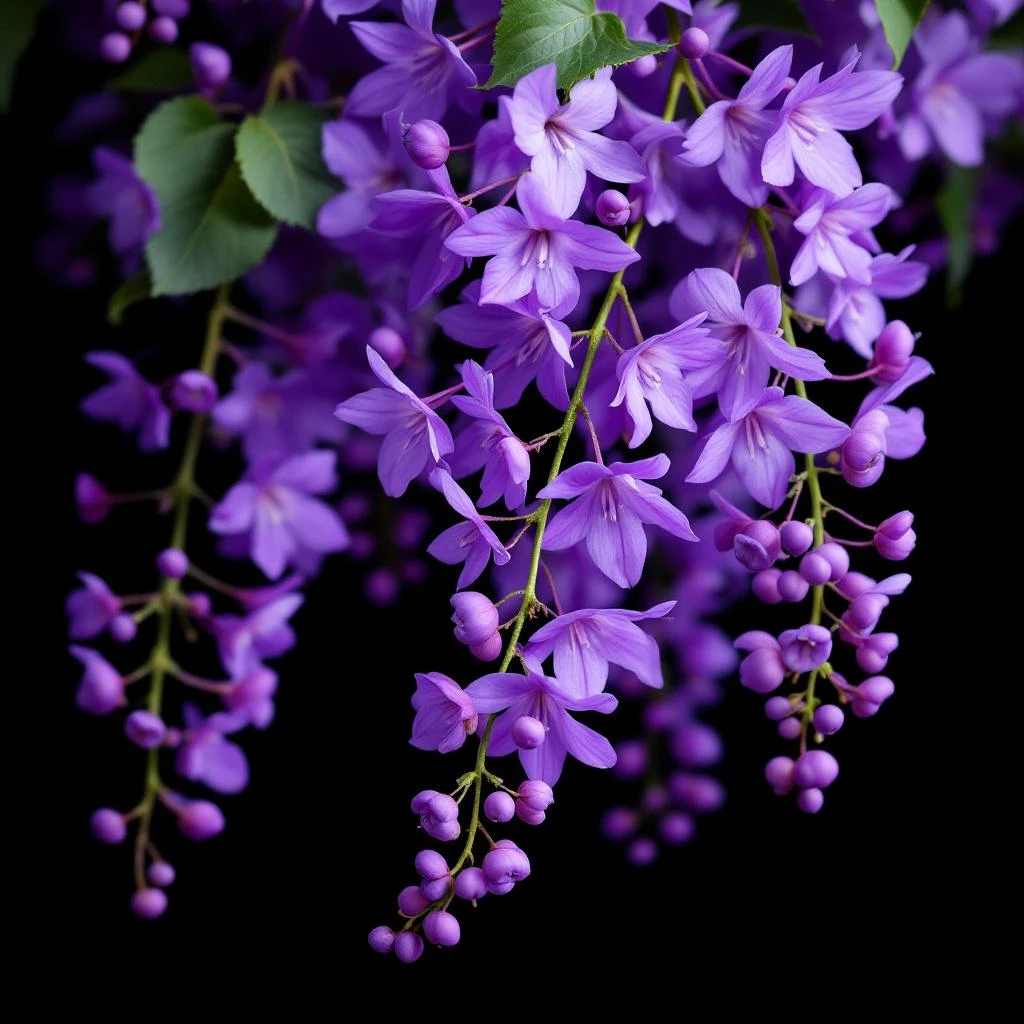
Tomato Flower brings an unexpected green-floral freshness to perfumery. Its scent captures sun-warmed garden air, blending dewy greens with a delicate, almost powdery floralcy that surprises and delights.
Character
How it smells
Garden-fresh greens meet delicate floral.
Tomato flowers open briefly each morning, and the scent is most potent in the early hours when dew still clings to petals.

Origin
Peru
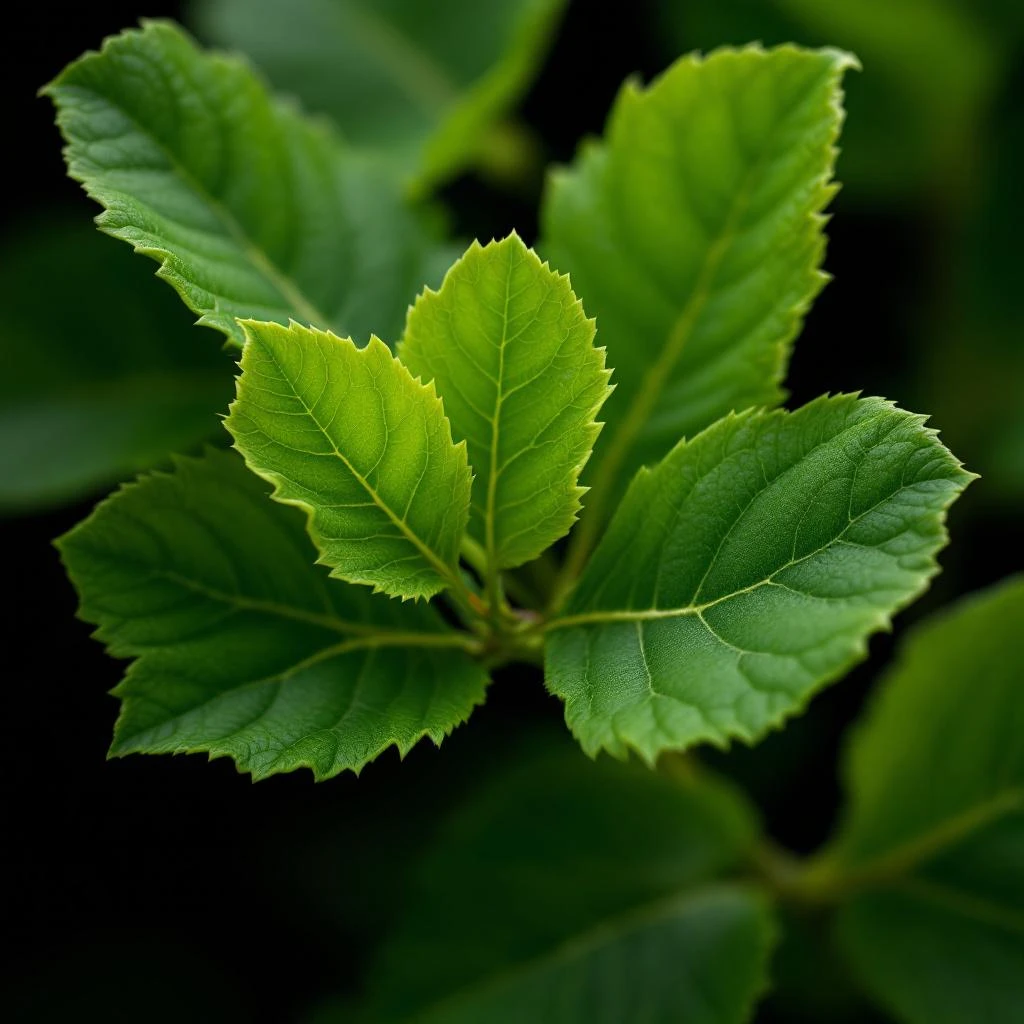
The tomato plant originated in the Andes region of South America, where it grew wild for millennia before domestication. Ancient peoples in what is now Peru and Mexico cultivated tomatoes primarily for their fruit, with the flowers considered merely a means to fruit production.
The fragrance of the tomato flower went unnoticed by early civilizations as a perfumery material, though gardeners have long appreciated its subtle, fresh scent in outdoor settings. Perfumers only began exploring Tomato Flower as a note in the late 20th century, driven by a growing interest in unusual botanical and green scent profiles.
The ingredient represents a shift toward capturing the overlooked fragrances of edible gardens, expanding the perfumer's palette beyond traditional floral and woody materials. Today it remains a niche ingredient, valued by perfumers seeking to create fragrances with authentic garden character and unexpected green depth.
Wears it best
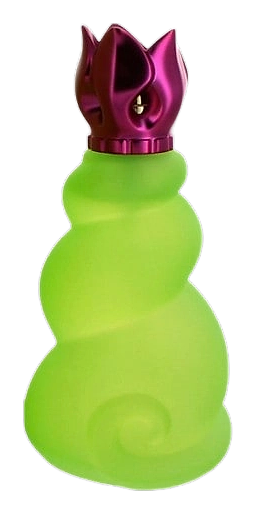
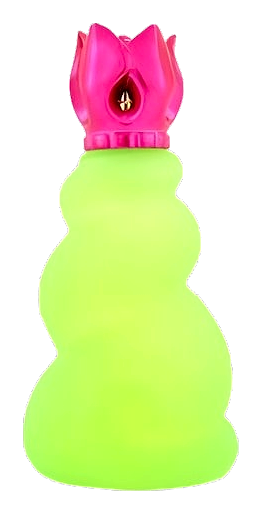
Fragrances featuring Tomato Flower
Brands
Brands known for Tomato Flower
Good to know
Questions, answered
The essentials on Tomato Flower in perfumery: how it smells, where it comes from, and how it behaves on skin.
What does Tomato Flower smell like?
Tomato Flower carries a green, dewy character with gentle floral undertones. The scent recalls freshly cut garden herbs with a subtle fruitiness, creating a natural, garden-fresh impression.
Is Tomato Flower a natural or synthetic ingredient?
Both exist. Natural Tomato Flower absolute comes from solvent extraction of fresh petals and is quite rare. Most commercial use relies on synthetic reproductions of its key aroma molecules.
What perfumes feature Tomato Flower?
Several niche and designer fragrances incorporate Tomato Flower for its green-floral quality. The note appears in fragrances designed to evoke fresh garden atmospheres and natural greenery.
Why is Tomato Flower rare in perfumery?
Tomato flowers produce very little aromatic material per flower. Combined with the brief window for harvest and the delicate nature of the petals, extraction yields are extremely low.
Does Tomato Flower smell like tomatoes?
Not exactly. While related to the edible plant, the flower scent is greener and more floral than the fruit. It lacks the savory, umami quality of ripe tomatoes.
What scent family does Tomato Flower belong to?
Tomato Flower falls into the green scent family. It shares characteristics with galbanum, fig leaf, and other fresh botanical notes, though it carries its own distinctive floral warmth.
Can Tomato Flower be enfleuraged?
Enfleurage could theoretically capture its scent, but the method is impractical given the volume of flowers needed and the availability of more efficient solvent extraction techniques.
What pairs well with Tomato Flower in fragrance?
Tomato Flower blends naturally with other green notes like violet leaf, basil, and galbanum. It also harmonizes with soft florals such as magnolia and white rose for a garden-forward composition.





