Tomato
The unexpected star of modern perfumery. Tomato leaf brings a crisp, garden-fresh character to fragrance that defies expectations, offering green, stemmy notes that evoke sun-warmed vines and dewy mornings rather than the fruit itself.
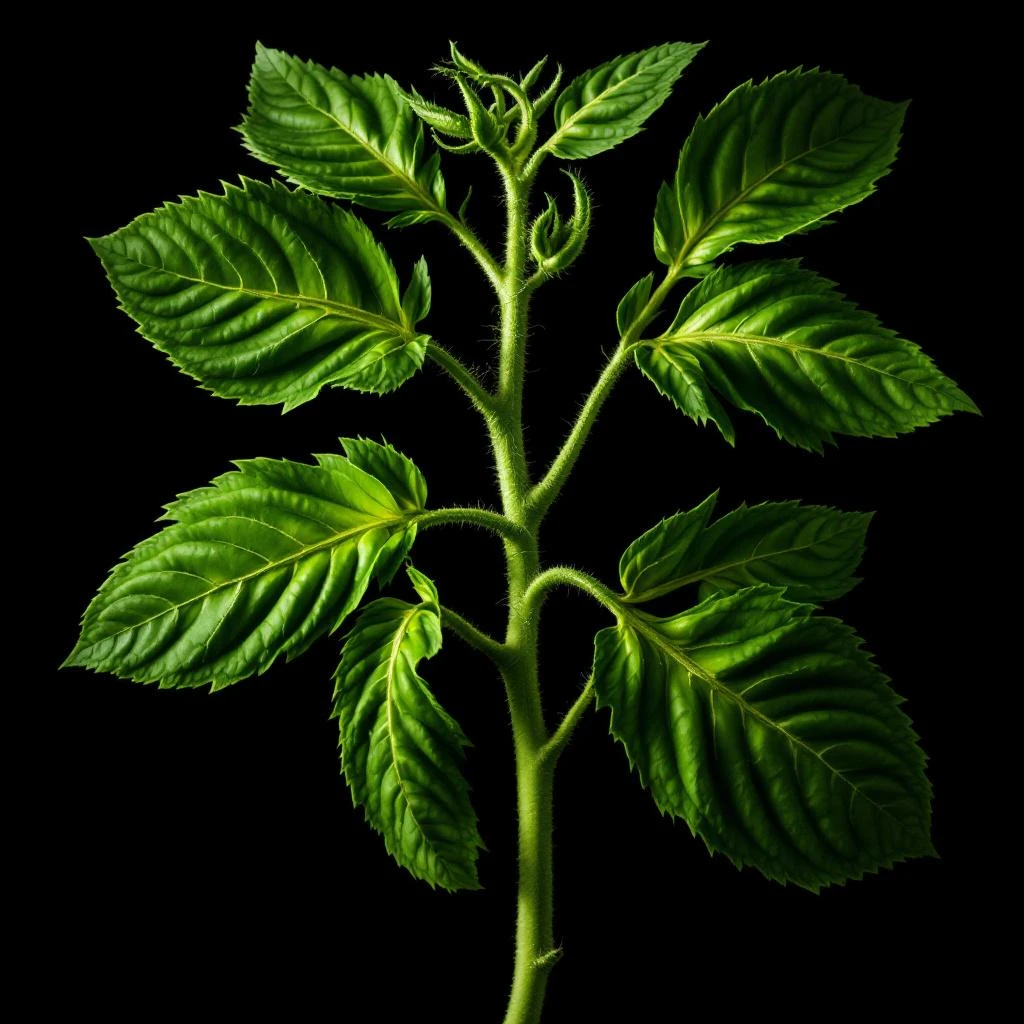
Character
How it smells
Green, stemmy, garden-fresh: the leaf that changed perfumery.
Sisley Eau de Campagne (1974) became the unlikely godmother of tomato fragrances when perfumer Jean-Claude Ellena first captured that unmistakable leaf greenness, inspiring a trend that took 50 years to reach critical mass.




Origin
Mexico
The tomato originated in South America, where Aztecs and other indigenous peoples cultivated it for centuries before Spanish explorers transported it to Europe in the 16th century. Initially grown as an ornamental plant, European gardeners spent generations selectively breeding varieties with larger, redder, more flavorful fruits.
This long cultivation history refined not just the fruit but amplified the olfactory qualities of the plant itself, including those fresh, green, slightly woody facets of the leaves. The perfumery world remained largely unaware of these qualities until 1974, when Jean-Claude Ellena incorporated tomato leaf into Sisley Eau de Campagne.
The note remained a curiosity for decades before exploding into mainstream consciousness around 2020, fueled by pandemic-era lockdowns and a cultural pivot toward natural, garden-inspired aesthetics. By 2025, tomato leaf had progressed from niche novelty to Bath & Body Works collection, proving its journey from ancient cultivation to modern scent sensation took nearly 500 years.
Wears it best
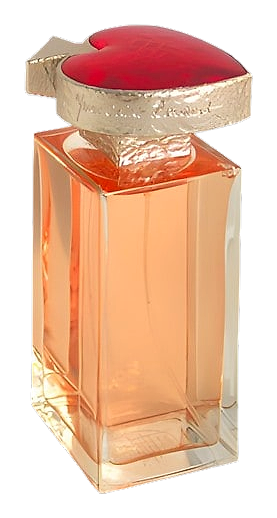
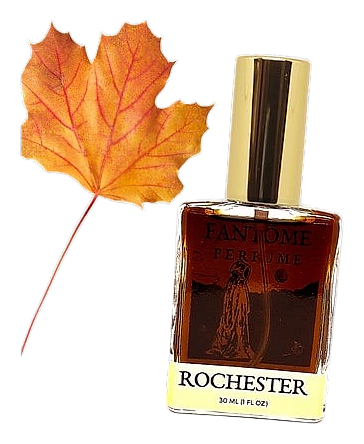
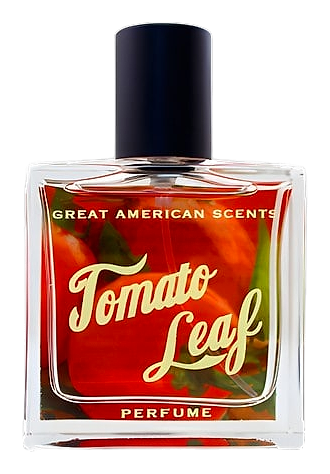
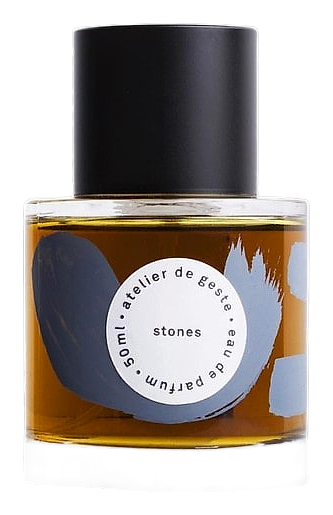
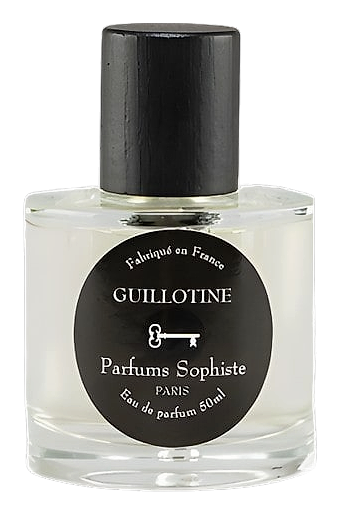
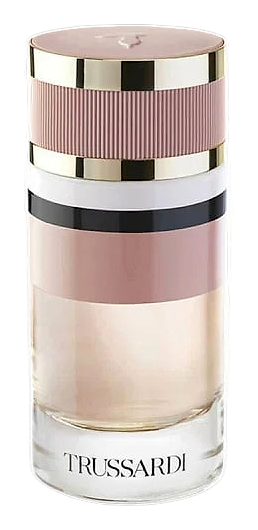
Fragrances featuring Tomato


Brands
Brands known for Tomato
Good to know
Questions, answered
The essentials on Tomato in perfumery: how it smells, where it comes from, and how it behaves on skin.
What does tomato smell like in perfume?
Tomato in perfumery captures the green, vine-like character of the plant rather than the fruit. Expect fresh-cut stems, herbal notes, and a slightly sweet earthiness reminiscent of a summer greenhouse. It reads as green, clean, and unexpectedly sophisticated.
Is tomato a natural or synthetic fragrance ingredient?
Tomato leaf in modern perfumery is synthetic. The volatile compounds responsible for that characteristic fresh-green scent, including cis-3-hexen-1-ol, are laboratory-created to consistently replicate the aroma without direct plant extraction.
When did tomato become popular in perfumery?
The tomato fragrance trend reached critical mass around 2020-2023. While Sisley introduced the first notable tomato leaf fragrance in 1974, it took nearly 50 years for the note to become a mainstream home and body fragrance staple.
What perfumes are famous for tomato notes?
Notable tomato fragrances include Sisley Eau de Campagne (1974), Demeter Tomato (late 1990s), Maison Margiela Replica From the Garden (2023), and L'Artisan Parfumeur Le Potager collection (2022). Bath & Body Works launched an entire Off the Vine collection in 2025.
Does tomato fragrance smell like ketchup or sauce?
No. Tomato in perfumery focuses entirely on the green, leafy parts of the plant. The stemmy, herbal, slightly earthy character of tomato vine and leaf is nothing like cooked sauce or ketchup, which feature entirely different aromatic compounds.
What other notes pair well with tomato in fragrance?
Tomato leaf harmonizes naturally with basil, vetiver, geranium, moss, and other green or herbal materials. The combination creates garden-fresh compositions that evoke the full experience of a vegetable patch rather than a single element.
Is tomato suitable for all fragrance products?
Tomato accord performs well across most fragrance categories including fine fragrance, candles, room sprays, and body care. Its clean, green character works particularly well in gender-neutral and summer seasonal formulations.
Why did the tomato fragrance trend take off?
Pandemic lockdowns in 2020 accelerated interest in nature-inspired home scents. Flamingo Estate reported selling 75,000 tomato candles as consumers sought botanical escape. The subsequent 'tomato girl summer' aesthetic cemented the trend as a cultural movement rather than a passing novelty.