
The Story
Why it exists.
The beginning
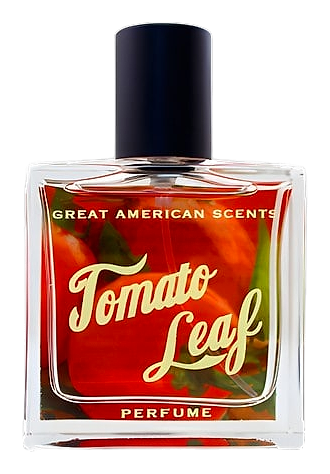
Great American Scents built its identity around a simple premise: American gardens have just as much to offer the nose as French countryside. Tomato Leaf is the logical endpoint of that philosophy, taking the most recognizable plant in the American garden and rendering it not as a concept, but as a scent. The goal wasn't allegory. It was the literal smell of a tomato plant, the kind you'd find in a backyard plot in Indiana or Ohio, the kind that stains your fingers green when you prune it.
What makes this composition unusual is the restraint at the edges. Most fragrances that reference tomato do so through the fruit, sweet, red, slightly acidic. This one goes for the leaf. The leaf is green in a different way: sharper, more acidic, with a faint bitterness that reads as honest rather than unpleasant. Verbena softens the entry without sweetening it. Rhubarb adds tartness without fruit. Olive blossom introduces a quiet floral element that most wearers don't consciously notice but miss if it's absent. The base of oakmoss and guaiac wood keeps everything grounded in a way that feels earned, not decorative.
The evolution
The opening hits immediately with that crushed-leaf smell, bright, green, slightly aggressive in its honesty. Within minutes, verbena lifts the green into something more wearable, and rhubarb adds a tart edge that keeps the composition from feeling heavy. The heart is where it gets interesting: olive blossom introduces a quiet floral note that almost no one catches consciously, but it shifts the green from pure vegetation to garden in bloom. Oakmoss settles in by the third hour, adding earth and a faint mossy dampness that extends the green into something longer-lasting than expected. Guaiac wood arrives last, warm and slightly smoky, turning the drydown into something closer to a forest floor than a tomato plant. On fabric, the green notes linger well into the next day.
Cultural impact
Tomato Leaf occupies an unusual position in the fragrance landscape: it is one of very few commercial fragrances that attempts to render the literal scent of a vegetable plant rather than its fruit. Green fragrances exist in abundance, but most interpret green through fig, galbanum, or grass, notes that signal freshness without specificity. This one goes further, naming the plant in the title and delivering on that specificity in the composition. Wearers who connect with it tend to describe it in physical terms, the garden, the plant, the stain on their fingers, rather than abstract fragrance vocabulary.