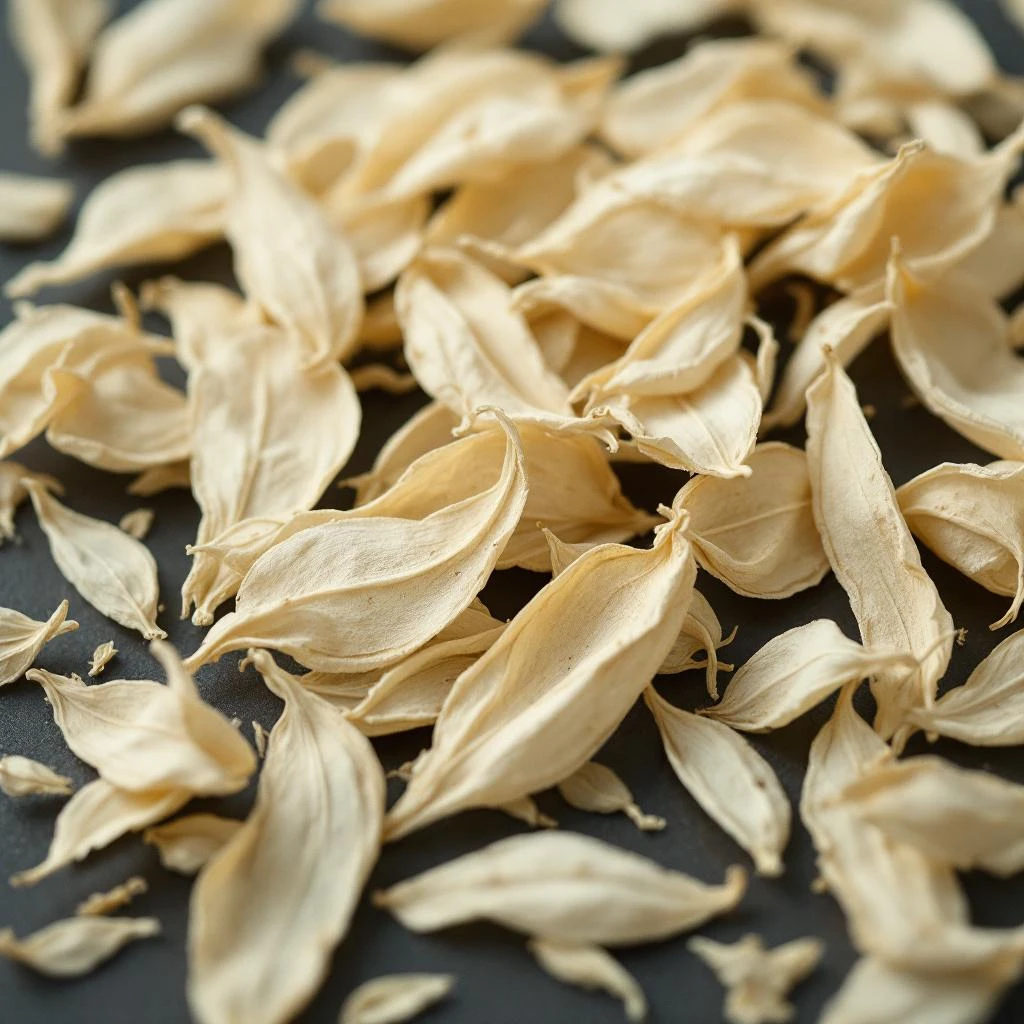
Terpentine
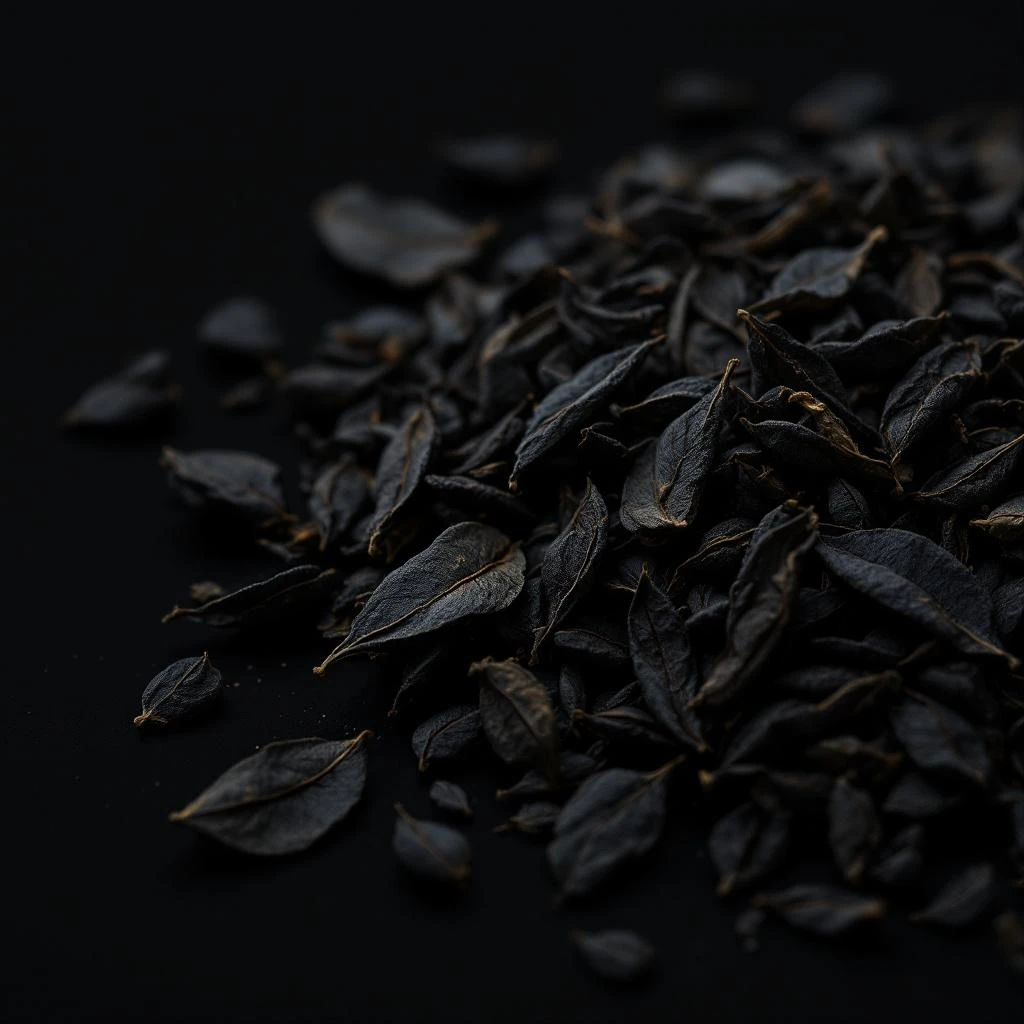
A sharp, resinous note rooted in ancient Mediterranean incense, with the bright pine clarity of pinene and a warm balsamic depth.
Character
How it smells
Ancient resin, bright pine, Mediterranean warmth.
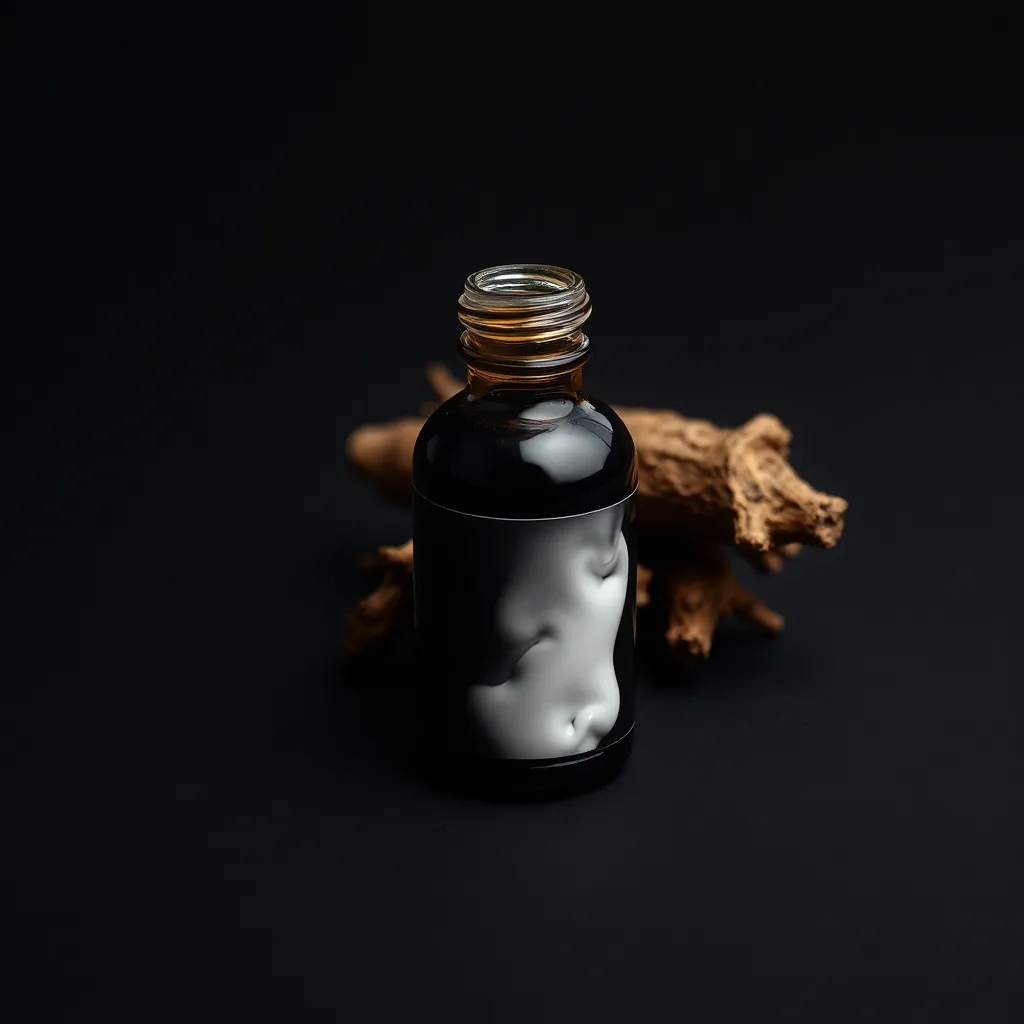
Chios resin has served as incense, medicine, and varnish material since antiquity, preserving the island’s resin-making tradition.

Origin
Greece
Terebinth resin has a long history across the Mediterranean, where it was burned as incense, used medicinally, and applied as a varnish or preservative. Chios became especially renowned for Chian turpentine, a pale resin prized for its warm aroma and light color.
Ancient use centered on the resin itself, while modern perfumery commonly uses its steam-distilled essential oil. The material belongs to a broader family of plant exudates that shaped early fragrance practice, when aromatic resins served both ritual and practical purposes.
Later, pine-derived turpentine became an important industrial solvent and a source of pinene for fragrance chemistry. Natural terebinth oil remains distinct from that sharper industrial distillate, offering a more rounded, balsamic profile with a Mediterranean sense of place.
Wears it best
Fragrances featuring Terpentine
Brands
Brands known for Terpentine
Good to know
Questions, answered
The essentials on Terpentine in perfumery: how it smells, where it comes from, and how it behaves on skin.
What does terebinth smell like in perfumery?
Terebinth smells sharp, resinous, and distinctly pine-like, with a warm balsamic undertone. Its alpha-pinene and beta-pinene content creates the cool clarity, while the tree resin softens the profile with warmth.
Is turpentine in perfume the same as terebinth oil?
Not always. Terebinth oil is distilled from Pistacia terebinthus resin, while industrial turpentine is usually obtained from pine wood or pulp. Terebinth is generally rounder and more balsamic than pine-derived turpentine.
How is natural terebinth oil extracted?
The resin is collected through bark incision and steam distilled to separate its volatile aromatic compounds from heavier material. This produces an oil rich in pinenes, with alpha-pinene often forming the dominant fraction.
Where is terebinth resin traditionally sourced?
Production is concentrated in the eastern Mediterranean, especially Turkey, Greece, and the Levant. Chios gives its name to Chian turpentine, an especially historic form of terebinth resin.
What is terebinth tree related to?
The terebinth tree belongs to the Pistacia genus and is closely related to mastic and pistachio. Its resin shares mastic-like resin character but presents a warmer, less fresh profile.
How has terebinth been used throughout history?
Terebinth resin was used in antiquity as incense, medicine, and a varnish ingredient. Its Chian variety remained important to Mediterranean trade and later became a valued perfumery material.
Does terebinth oil provide a strong or subtle fragrance effect?
Terebinth oil can be assertive when used at higher concentrations because its pinene profile is immediately recognizable. In small amounts, it sharpens a composition and adds transparent, coniferous freshness.
Can terebinth oil be used in modern fragrance formulations?
Yes. Natural terebinth oil functions as a historical resinous and fresh note, often supporting pine, citrus, incense, and woody structures. Formulators also use related pinene-derived materials for greater consistency.