Tayberry
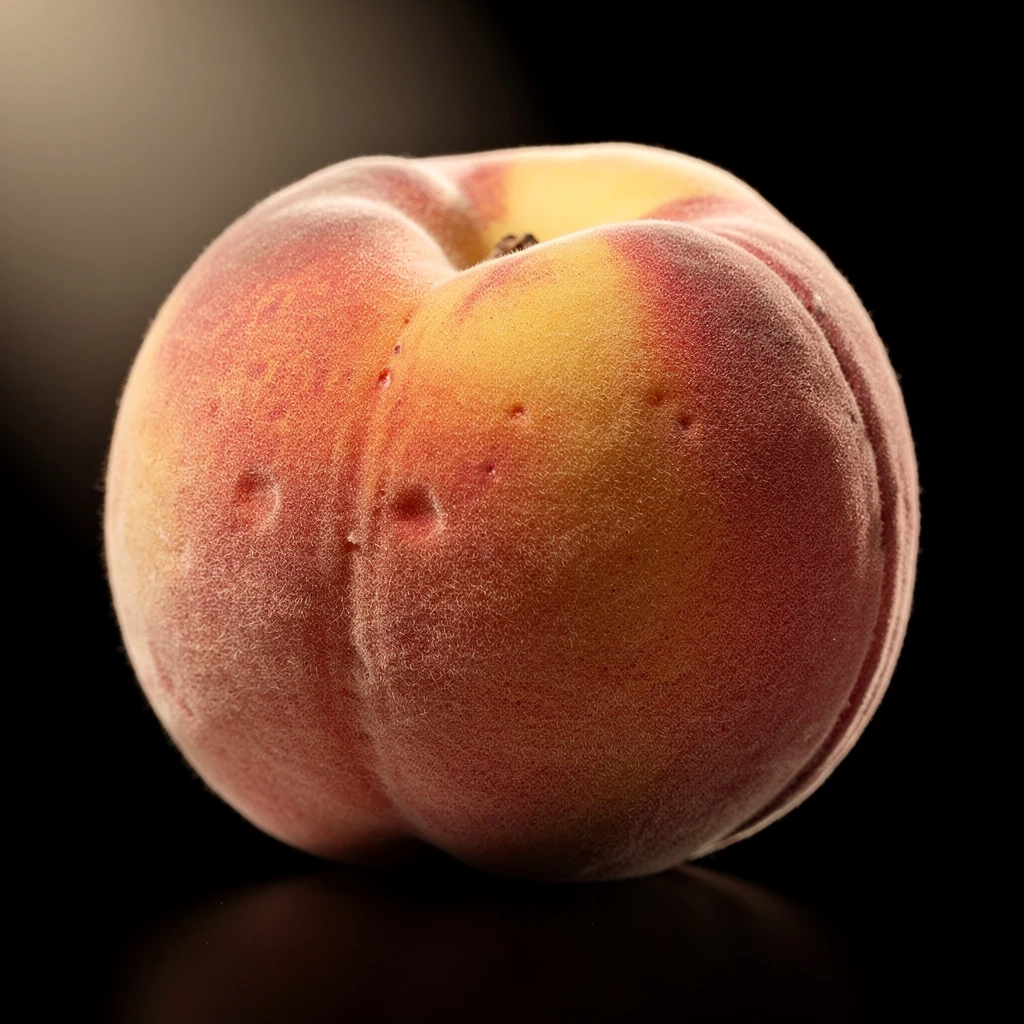
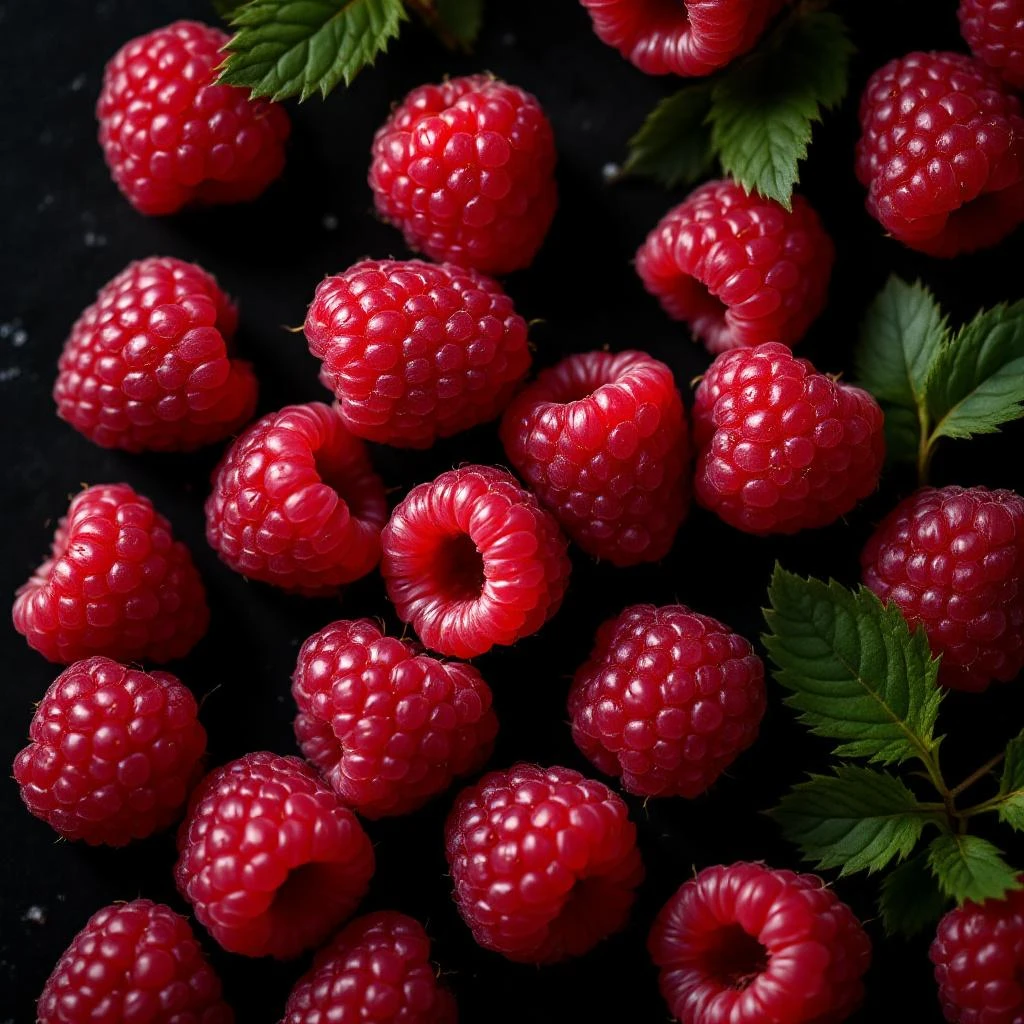
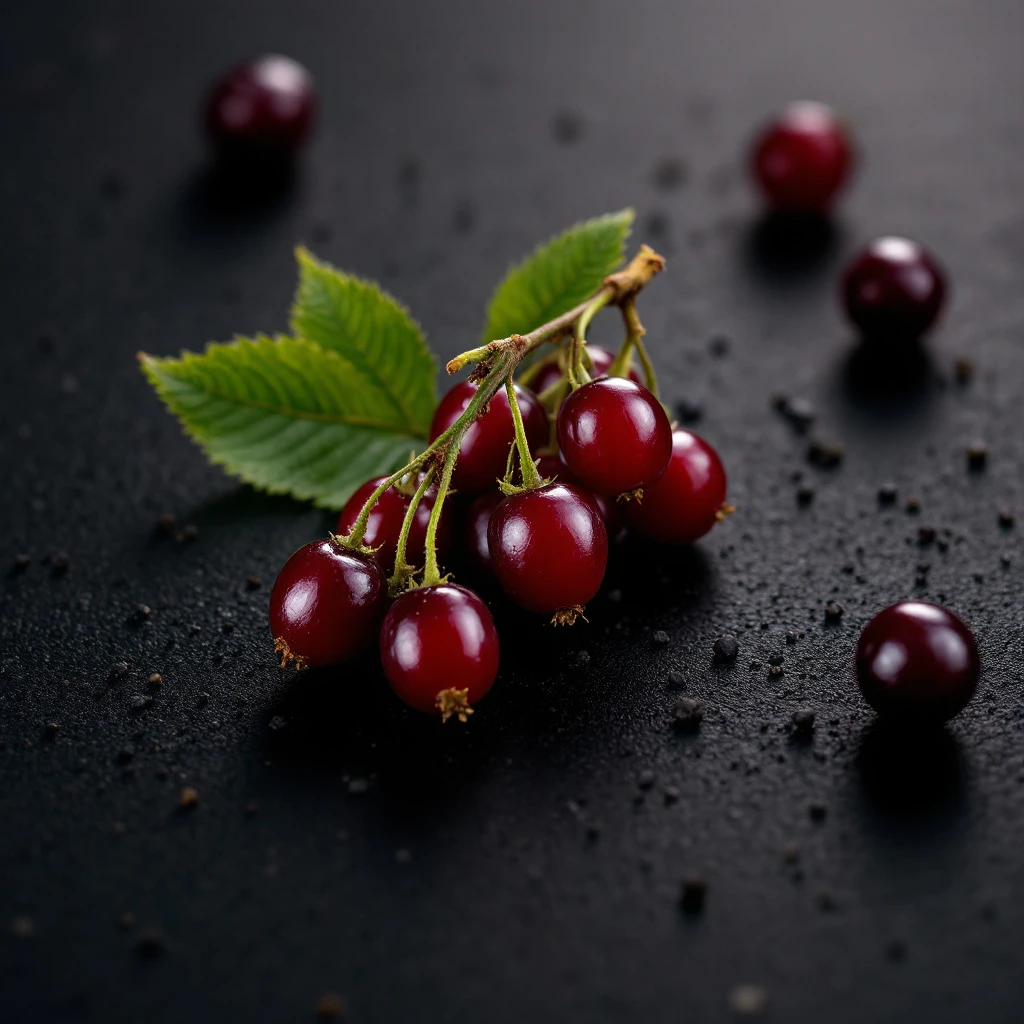
Tayberry is a hybrid fruit (Rubus fruticosus x idaeus) developed in Scotland in the 1970s, combining the deep complexity of blackberry with the bright sweetness of raspberry. In perfumery, it appears as a fruity accord or aroma extract, lending an immediately accessible, jammy sweetness that rounds out floral and green compositions.
Character
How it smells
Scotland's gift to fragrance: one berry, two lineages, infinite sweetness.
Tayberry was officially named after the River Tay, Scotland's longest river, making it one of the few fragrance ingredients with a specific postcode of origin.



Origin
United Kingdom
Tayberry is a deliberate human creation, born in the late 1970s at what was then the Scottish Crop Research Institute in Dundee. Plant breeders crossed two ancient lineage species, the European blackberry (Rubus fruticosus) and the red raspberry (Rubus idaeus), aiming to combine the blackberry's deep, wine-like complexity with the raspberry's clean brightness.
The resulting hybrid proved so flavorful that it entered commercial cultivation and eventually crossed over into the world of fragrance, arriving in perfumery somewhat quietly in the early 2000s as fruit accords grew in popularity. Its name honors the River Tay, which flows through Dundee and is Scotland's longest river, anchoring the ingredient in a very specific piece of Scottish geography.
Wears it best
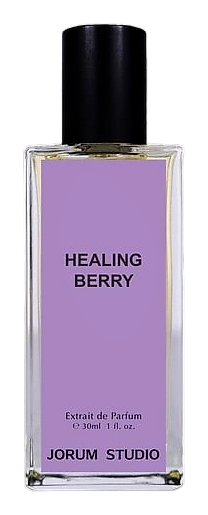
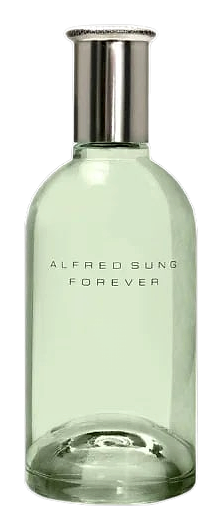
Fragrances featuring Tayberry
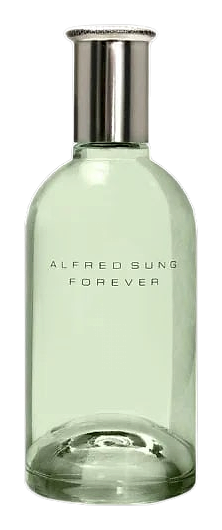
Brands
Brands known for Tayberry
Good to know
Questions, answered
The essentials on Tayberry in perfumery: how it smells, where it comes from, and how it behaves on skin.
What does Tayberry smell like in perfume?
Tayberry in perfume smells like a sweet, jammy berry with the depth of blackberry and the brightness of raspberry. It carries a slightly wine-like, floral undertone that makes it read as warm and rounded rather than sharp or acidic.
Why is Tayberry used in perfumery?
Tayberry is used in perfumery as a fruity modifier to add warmth and accessibility to fragrance compositions. Its sweet, jammy character anchors brighter top notes and softens the edges of green or herbal elements, making it particularly useful in modern fruity-floral and gourmand constructions.
Is Tayberry in perfume natural or synthetic?
Tayberry used in perfumery is typically a natural extraction from the hybrid fruit, sometimes combined with nature-identical aroma chemicals to ensure consistency across batches. The specific fruit is grown primarily in the UK, making fully natural tayberry extracts relatively niche in the market.
What famous perfumes contain Tayberry?
Tayberry appears as a supporting fruity note in several modern fragrances, particularly in the fruity-floral category. It is not a signature ingredient of any single iconic perfume but has been included as a secondary berry note in fragrances from brands that favor fresh, natural fruit accents in their compositions.
Is Tayberry a top note, heart note, or base note?
Tayberry most commonly functions as a heart-to-top note in perfumery. Its bright, accessible sweetness makes it effective in the opening phases of a fragrance, though in richer, more Gourmand compositions it can carry through the heart as a persistent fruity layer.
What notes pair well with Tayberry in perfume?
Tayberry pairs well with rose, peony, and other light florals for a fruity-floral effect. It also combines effectively with green notes like galbanum or fresh mint and with warm base materials such as white musk, vanilla, and cashmeran to add depth and longevity.
Where does Tayberry come from?
Tayberry was developed in Dundee, Scotland, at what is now the James Hutton Institute, from a deliberate cross between blackberry and raspberry. The hybrid was named after the River Tay, which runs through the city, placing its precise origin at approximately 56.47 degrees north latitude.
Is Tayberry used in men's or women's fragrances?
Tayberry appears in both men's and women's fragrances, though it skews slightly toward feminine fruity-floral compositions. Its sweet, jammy character is equally at home in gender-neutral fresh fragrances where berry brightness is desired, and it has been used increasingly in masculine orientated fruity-chypre structures since the early 2000s.