White narcissus
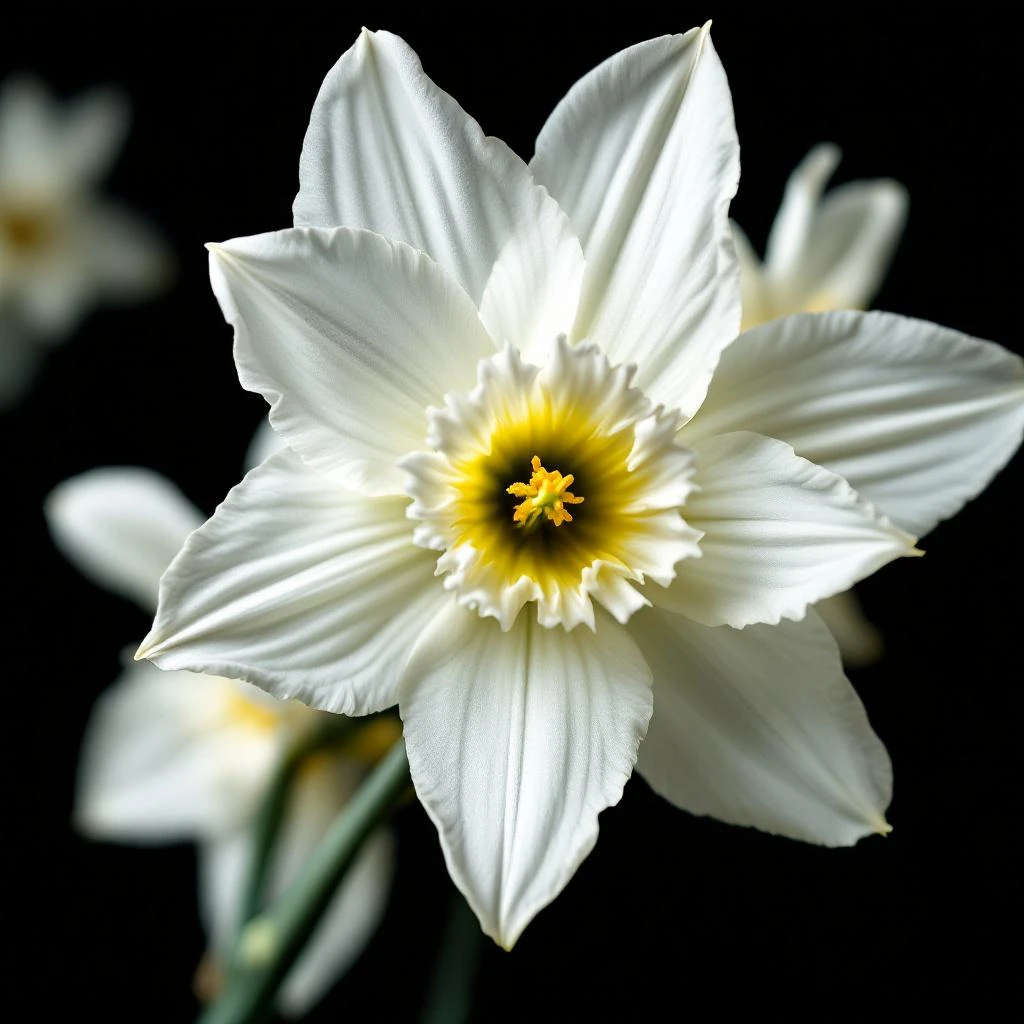
White narcissus delivers a luminous, green‑herbaceous aroma that recalls early spring blossoms, blending fresh lily notes with a subtle almond edge and a whisper of green leaves.
Character
How it smells
Spring’s pure bloom captured in a single note.
It takes roughly 1,000 kg of fresh narcissus flowers to yield just 2 kg of absolute, making it one of the most resource‑intensive floral extracts in perfumery.






Origin
Iran
White narcissus has traced a path through centuries of human scent culture, beginning in the gardens of ancient Persia where the flower first appeared in recorded horticulture. Traders carried bulbs along the Silk Route, introducing the plant to China, the Mediterranean, and eventually Europe.
Roman poets praised its sweet, heady perfume, and medieval alchemists recorded attempts to capture its scent in oil. By the 19th century, French perfumers refined solvent extraction, turning the elusive flower into a prized absolute for haute‑cuisine fragrances.
The note appeared in iconic early‑20th century compositions, lending a spring‑like freshness that contrasted with heavier oriental bases. Today, niche houses still honor the heritage by featuring white narcissus in limited editions, echoing the ancient reverence for a bloom that signals renewal each year.
Wears it best
Fragrances featuring White narcissus
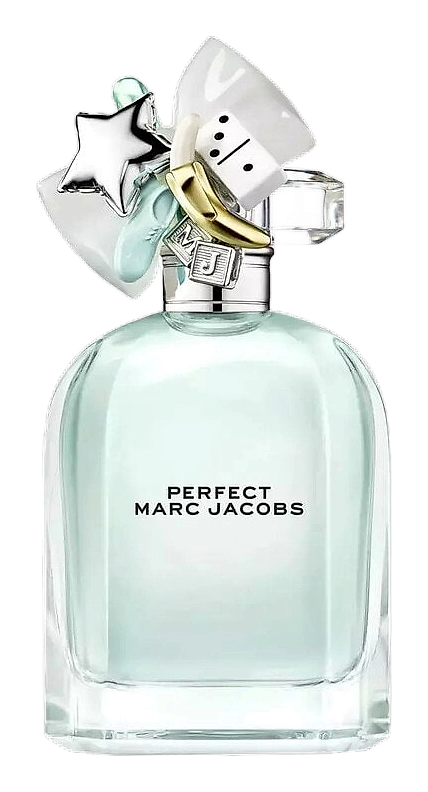
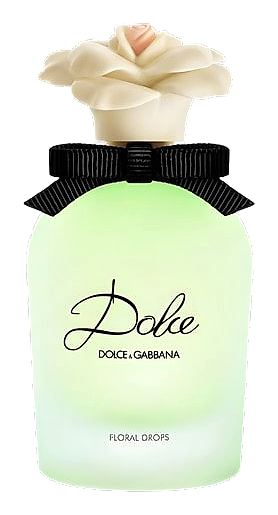
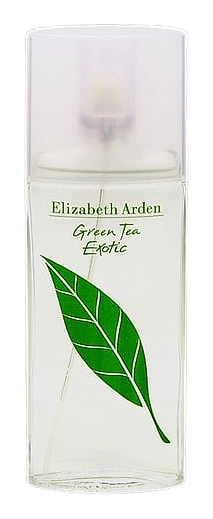
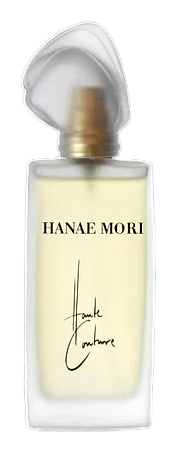
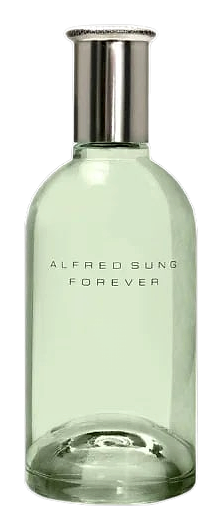
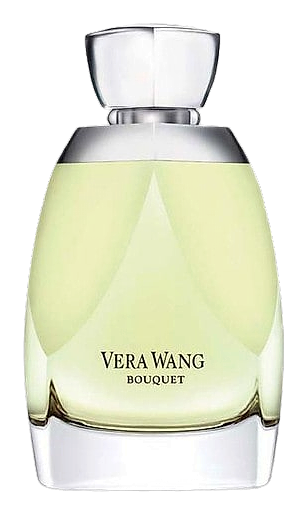
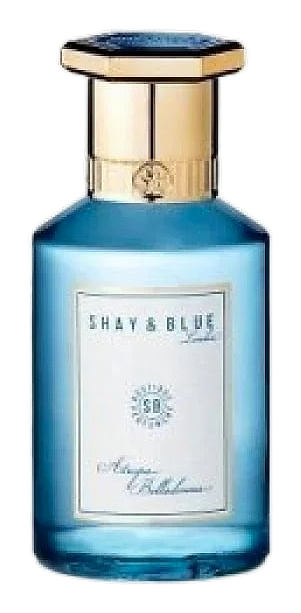
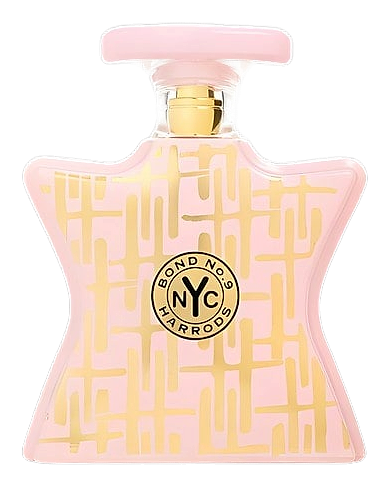
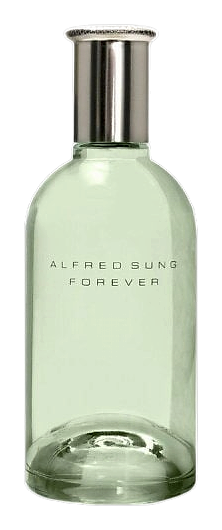
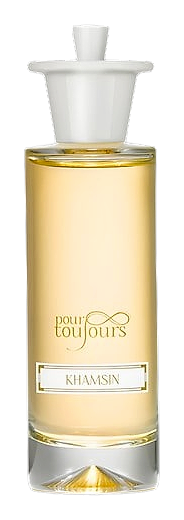
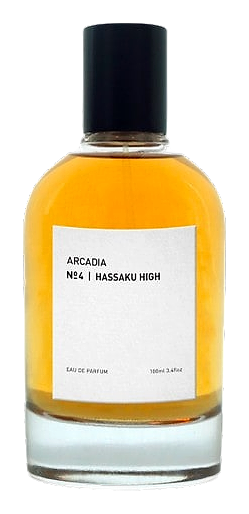
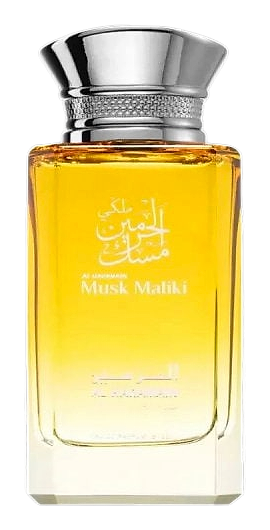
Brands
Brands known for White narcissus
Good to know
Questions, answered
The essentials on White narcissus in perfumery: how it smells, where it comes from, and how it behaves on skin.
What primary scent characteristics does white narcissus impart?
White narcissus adds a green‑herbaceous freshness with a subtle almond nuance. The absolute registers top notes of lily and green leaf, and analytical GC‑MS data shows a high concentration of benzyl acetate and iso‑eugenol. Perfumers often pair it with citrus or soft woods to balance its bright edge.
How stable is narcissus absolute in a finished perfume?
Narcissus absolute retains its character for up to two years when stored in cool, dark conditions. Stability tests on a 10 % narcissus blend showed less than 5 % loss of key aromatics after 18 months at 20 °C. Formulators therefore limit exposure to heat and light to preserve its green nuances.
Is narcissus absolute considered vegan?
Narcissus absolute is derived from plant material, so it meets vegan criteria. The extraction uses only solvents and ethanol, without animal‑derived enzymes or fats. Certification bodies verify the process, and many suppliers label the absolute as vegan‑friendly. However, buyers should confirm that no animal‑tested solvents were employed in the specific batch.
Can the scent of white narcissus be reproduced synthetically?
Synthetic analogues mimic the main facets of white narcissus, but they do not capture its full complexity. Compounds such as hydroxycitronellol and iso‑eugenol reproduce the green‑herbaceous and almond tones, representing about 60 % of the natural absolute’s GC profile. Perfumes that rely solely on synthetics may lack the subtle depth provided by the natural extract.
What notes complement white narcissus in a fragrance composition?
Citrus, soft woods, and light musks enhance white narcissus without overwhelming its freshness. A classic blend of bergamot, sandalwood, and white musk showed a balanced accord in a 2020 sensory panel, scoring 8.2/10 for harmony. Avoid heavy amber or strong spice notes, which can mask the flower’s delicate green edge.
How does the yield of narcissus absolute compare to other flower absolutes?
Narcissus yields about 0.2 % absolute by weight, lower than many other floral absolutes. Rose absolute typically provides 1.5 % from the same fresh‑flower mass, while jasmine reaches roughly 1 %. The low yield contributes to its premium status and careful use in compositions.
Are there any safety concerns when using narcissus absolute?
Narcissus absolute is safe for topical use at typical fragrance concentrations, but it can irritate sensitive skin. Patch‑test data from 2021 shows a 2 % incidence of mild erythema at 5 % absolute in a cream base. Regulators classify it as a skin‑sensitizing fragrance, so formulators keep levels below 2 % in leave‑on products.
Where is most white narcissus absolute produced today?
The Netherlands leads modern production of white narcissus absolute, sourcing bulbs from European growers. In 2022 Dutch distilleries reported processing 150 tonnes of Narcissus poeticus, yielding approximately 300 kg of absolute. The region’s climate and expertise ensure consistent quality for high‑end perfume houses.


