Tasmanian Lavender
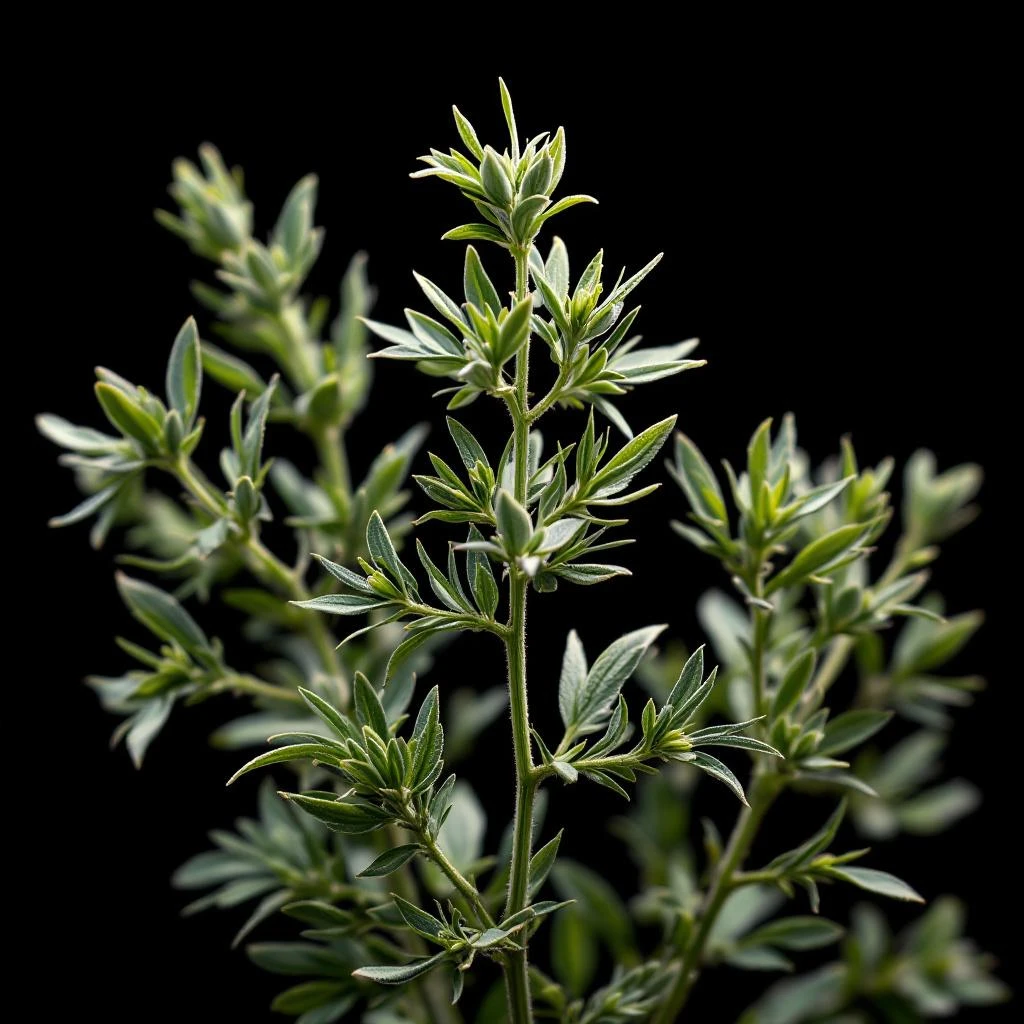
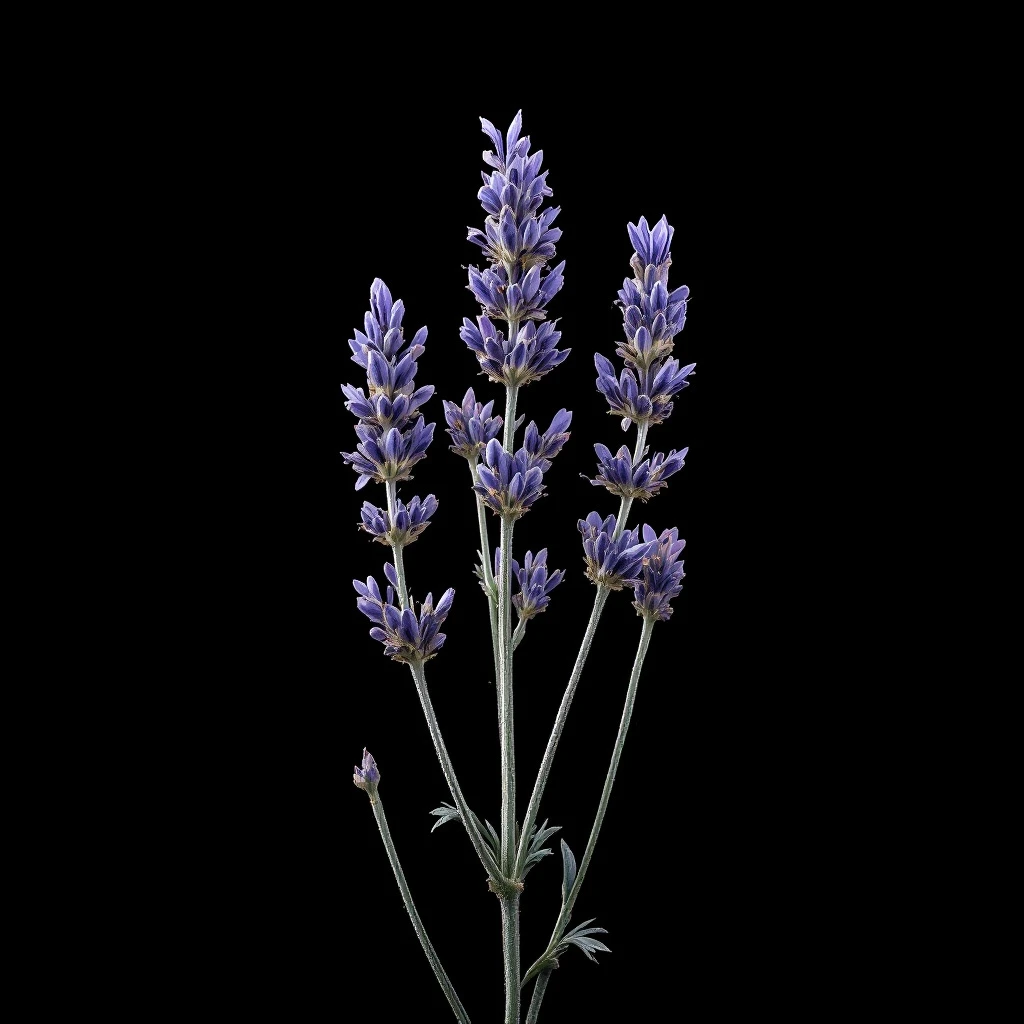
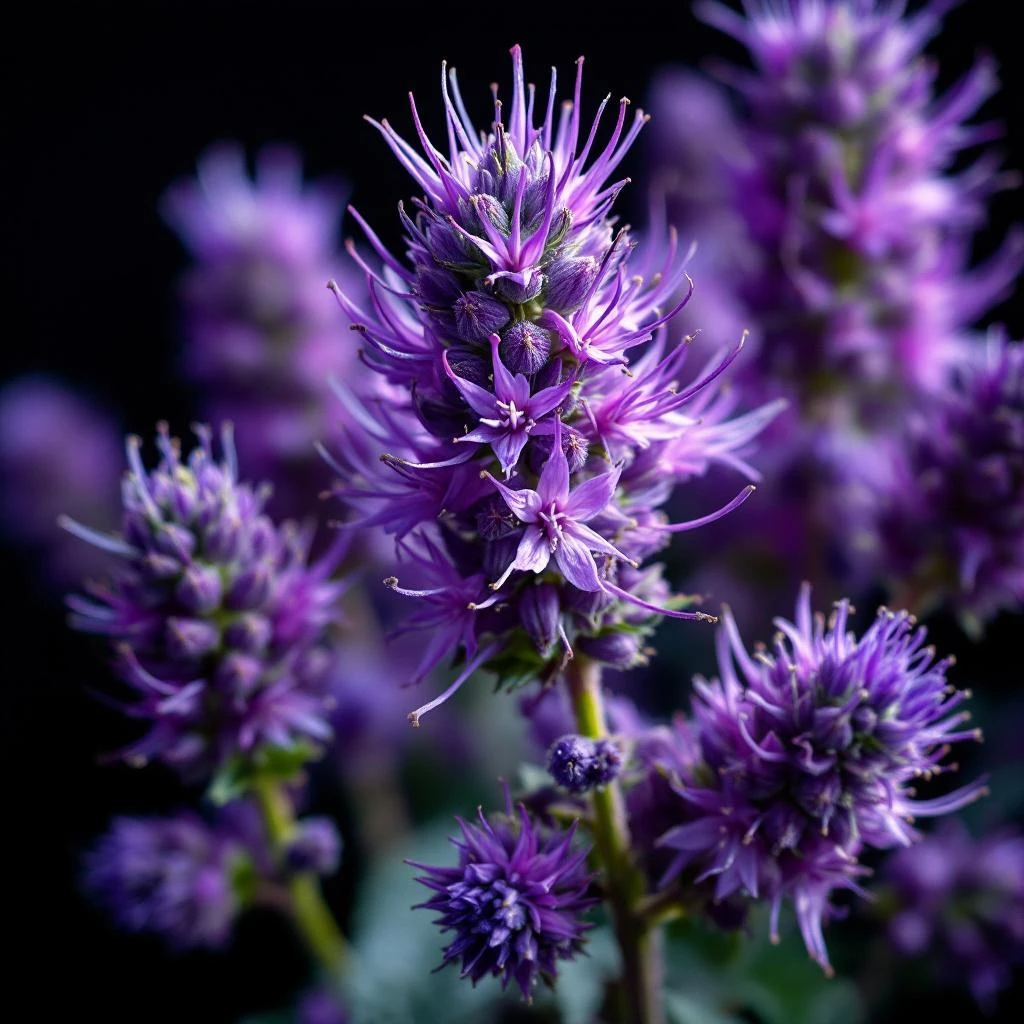
Tasmanian Lavender reimagines a classic ingredient through a distinctly Southern Hemisphere lens. Grown in the cool, clean air of Australia's island state, this botanical offers a refined variation on Provençal lavender that has captured the attention of contemporary perfumers seeking geographic distinction.
Character
How it smells
A new compass for lavender in modern perfumery.
Tasmanian Lavender grows in the same latitude as Southern France but on the opposite side of the world, producing subtly different aromatic compounds.

Origin
Australia
While traditional lavender traces its roots to India's highlands, the plant's journey to Tasmania reflects centuries of botanical exchange and colonial agricultural expansion. European settlers introduced Lavandula angustifolia to Australia in the 19th century, and Tasmania's temperate climate and relative isolation created ideal conditions for cultivation.
By the late 18th century, lavender had become central to Europe's perfume industry, particularly around Grasse, France, where steam distillation techniques advanced significantly. Tasmania's lavender industry emerged later but developed its own distinct character.
Today, this Southern Hemisphere variety represents a bold departure from Provençal tradition, offering perfumers geographic novelty within a familiar ingredient family. Its recent rise in luxury perfumery reflects growing interest in provenance-driven ingredients and the creative possibilities that arise when classic materials grow in unexpected places.
Wears it best
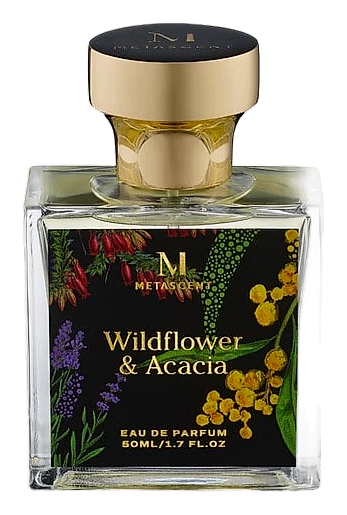
Fragrances featuring Tasmanian Lavender

Brands
Brands known for Tasmanian Lavender
Good to know
Questions, answered
The essentials on Tasmanian Lavender in perfumery: how it smells, where it comes from, and how it behaves on skin.
What makes Tasmanian Lavender different from Provençal lavender?
Tasmanian Lavender grows 12,000 kilometers from Provence, developing distinct aromatic compounds in the Southern Hemisphere's opposite seasonal pattern. The cool, maritime climate produces a more refined scent profile with subtle herbaceous undertones.
When is Tasmanian Lavender harvested?
Harvest occurs during Tasmania's summer, from late January through February. This timing corresponds to winter in the Northern Hemisphere, giving perfumers year-round access to fresh lavender oil.
What does Tasmanian Lavender smell like?
It opens with bright, floral top notes characteristic of Lavandula angustifolia, followed by a cleaner, slightly more herbaceous heart than Mediterranean varieties. The overall impression is refined and distinctly geographic.
How is Tasmanian Lavender oil extracted?
Producers use steam distillation of dried buds, applying temperatures between 140-180 degrees Celsius. This method has remained largely unchanged since the 18th century when it became standard for lavender oil production.
Why is Tasmania suitable for growing lavender?
Tasmania's latitude parallels Southern France, providing similar daylight hours during summer. The island's cool temperatures, clean air, and fertile soils create conditions where lavender thrives without irrigation.
What fragrance families pair well with Tasmanian Lavender?
Tasmanian Lavender anchors aromatic, fougère, and herbal compositions while adding geographic distinction to citrus, chypre, and fresh fragrance families seeking botanical authenticity.
Is Tasmanian Lavender sustainable?
Tasmania's isolated geography and strict agricultural regulations minimize pest pressure, reducing the need for chemical interventions. Most farms employ sustainable practices aligned with organic growing principles.
How long has Tasmania cultivated lavender for perfumery?
Commercial lavender farming in Tasmania began in the 1920s, though the industry remained small until the 1990s when luxury fragrance brands began seeking distinctive regional ingredients.