Sylvamber
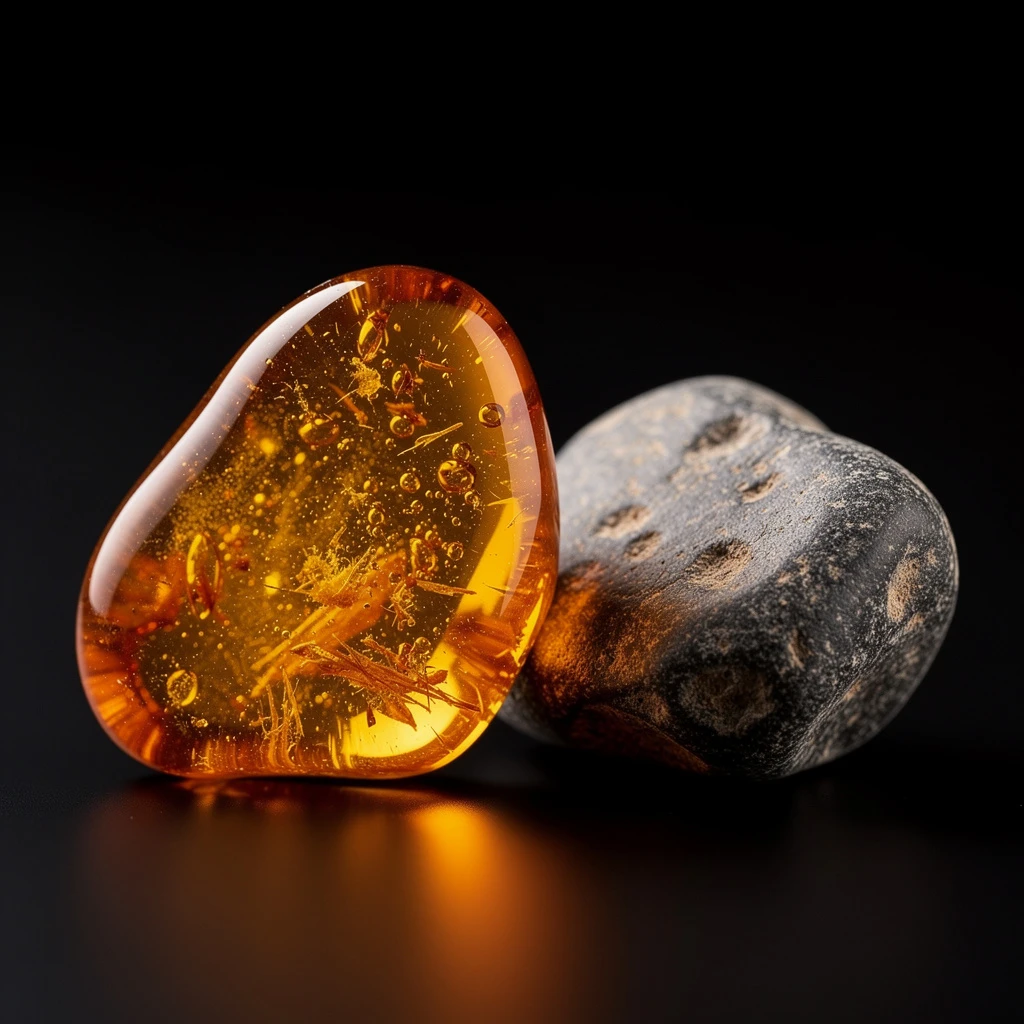
Sylvamber is a powerful woody-amber molecule born from pine-derived terpenes, prized for its velvety, luminous warmth that anchors modern masculine and unisex fragrances.

Character
How it smells
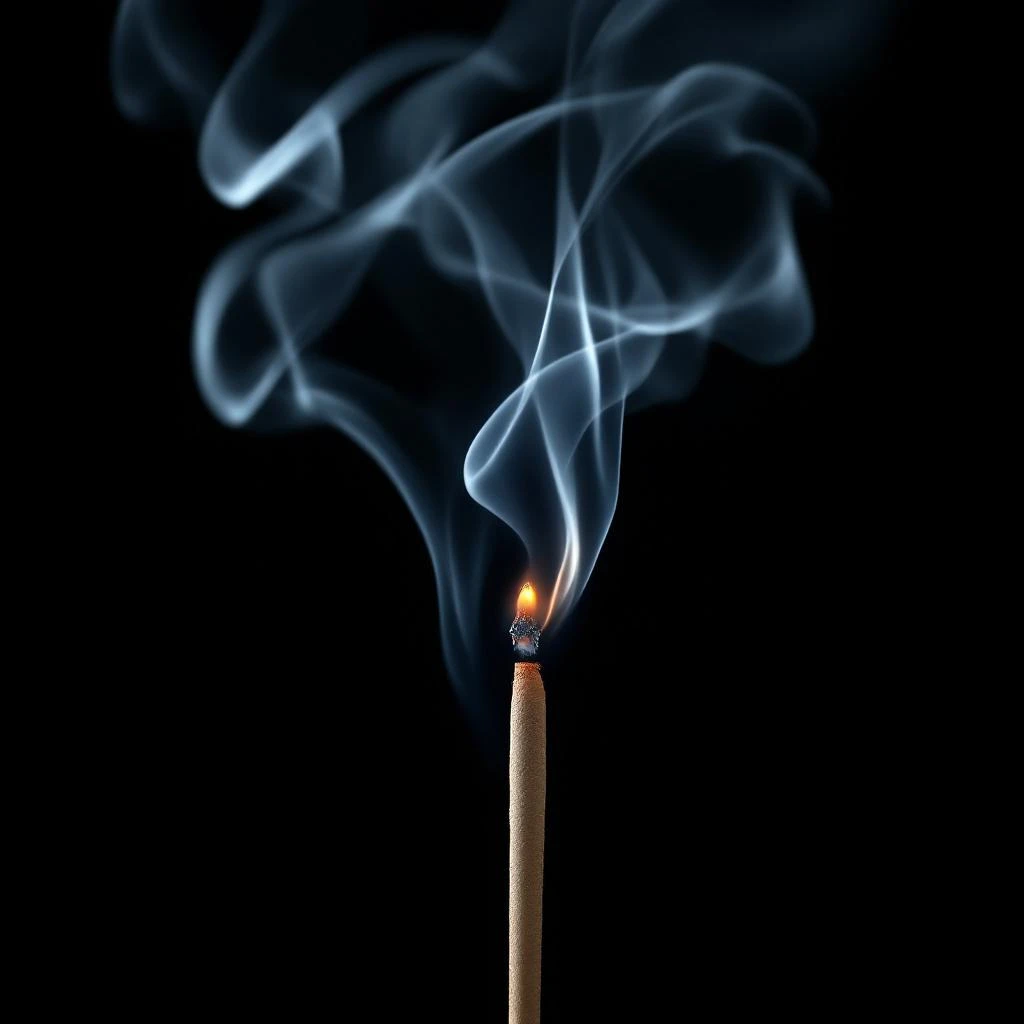
Pine resin reborn as amber warmth.
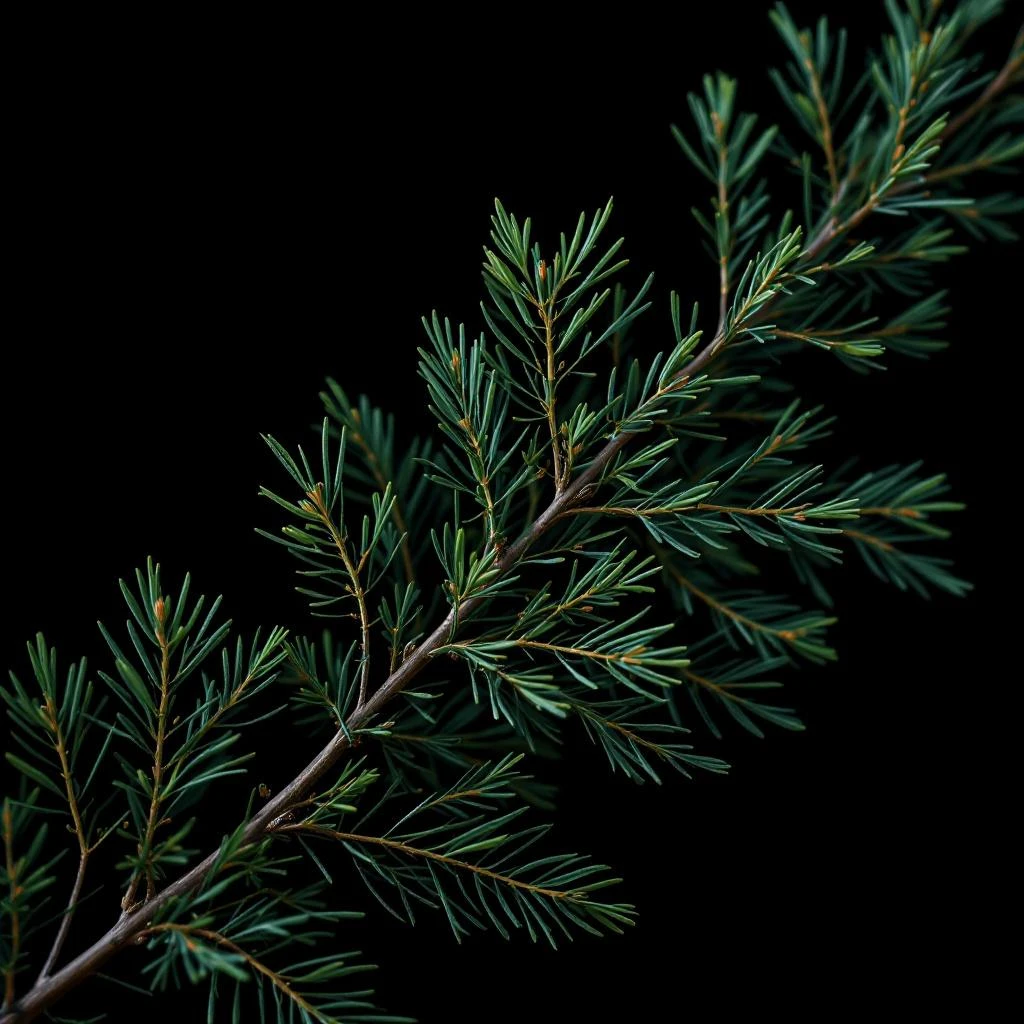
Sylvamber originates from rosin and turpentine extracted from living pine forests, making it one of perfumery's rare bio-based woody molecules with a renewable footprint.




Origin
France
The roots of Sylvamber reach back to the naval stores industry of the 17th and 18th centuries, when European and American pine forests were systematically tapped for rosin, turpentine, and pitch. These sticky oleoresins, once used to seal ships and coat wooden bridges, became the first large-scale industrial source of terpene chemistry.
By the 19th century, organic synthesis opened pathways to convert those same terpenes into entirely new aroma molecules, launching the modern fragrance industry between 1889 and 1921. For over a century, however, most woody-amber materials came from petrochemical routes.
Sylvamber, introduced in the early 2010s, marked a return to the original terpene source with a bio-based twist. By drawing on pine chemistry refined over centuries, perfumers gained a woody note with both historical lineage and contemporary sustainability credentials, reintroducing the forest as a feedstock for fine fragrance creation.
Wears it best
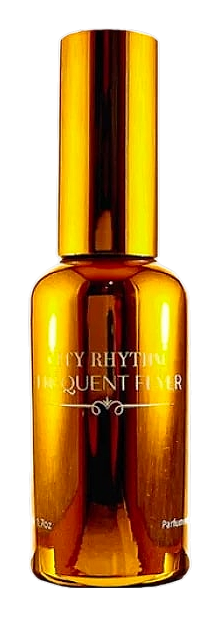
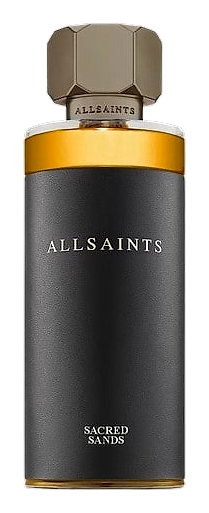
Fragrances featuring Sylvamber
Brands
Brands known for Sylvamber
Good to know
Questions, answered
The essentials on Sylvamber in perfumery: how it smells, where it comes from, and how it behaves on skin.
What does Sylvamber smell like?
Sylvamber smells woody, warm, and slightly resinous, with a soft amber glow and subtle pine facets. It feels smoother and more velvety than typical cedar materials, lending a polished backbone to fragrances.
Is Sylvamber natural or synthetic?
Sylvamber is synthetic but bio-based. It is produced from terpene feedstocks derived from pine rosin and turpentine, making it one of perfumery's renewable woody-amber ingredients.
Which perfumes contain Sylvamber?
Sylvamber appears in select woody, amber, and masculine compositions, often paired with iso e super and musks. Specific brand formulations vary, and it is most often featured in niche and contemporary releases.
Who makes Sylvamber?
DRT, a French specialty ingredients company, developed and produces Sylvamber. The company specializes in pine-derived chemistries and showcased the ingredient at the 2014 World Perfumery Congress.
Is Sylvamber sustainable?
Sylvamber is considered more sustainable than many woody molecules because it starts with renewable pine terpenes rather than petroleum. Its bio-based origin reduces reliance on fossil feedstocks.
How long does Sylvamber last in a fragrance?
Sylvamber functions as a base note with strong tenacity, typically lasting eight hours or more on skin. Its polycyclic structure gives it exceptional diffusion and staying power in compositions.
What is the difference between Sylvamber and Iso E Super?
Sylvamber shares woody-amber traits with Iso E Super but tends to read warmer and more resinous, with a softer cedar-like edge. Iso E Super feels drier and more transparent by comparison.
Can Sylvamber replace natural cedar or sandalwood oils?
Sylvamber offers a sustainable alternative when natural cedarwood or sandalwood supplies are limited or restricted. It provides comparable woody warmth, though the scent profile differs from genuine distilled oils.
In the same family