Sweet Floral
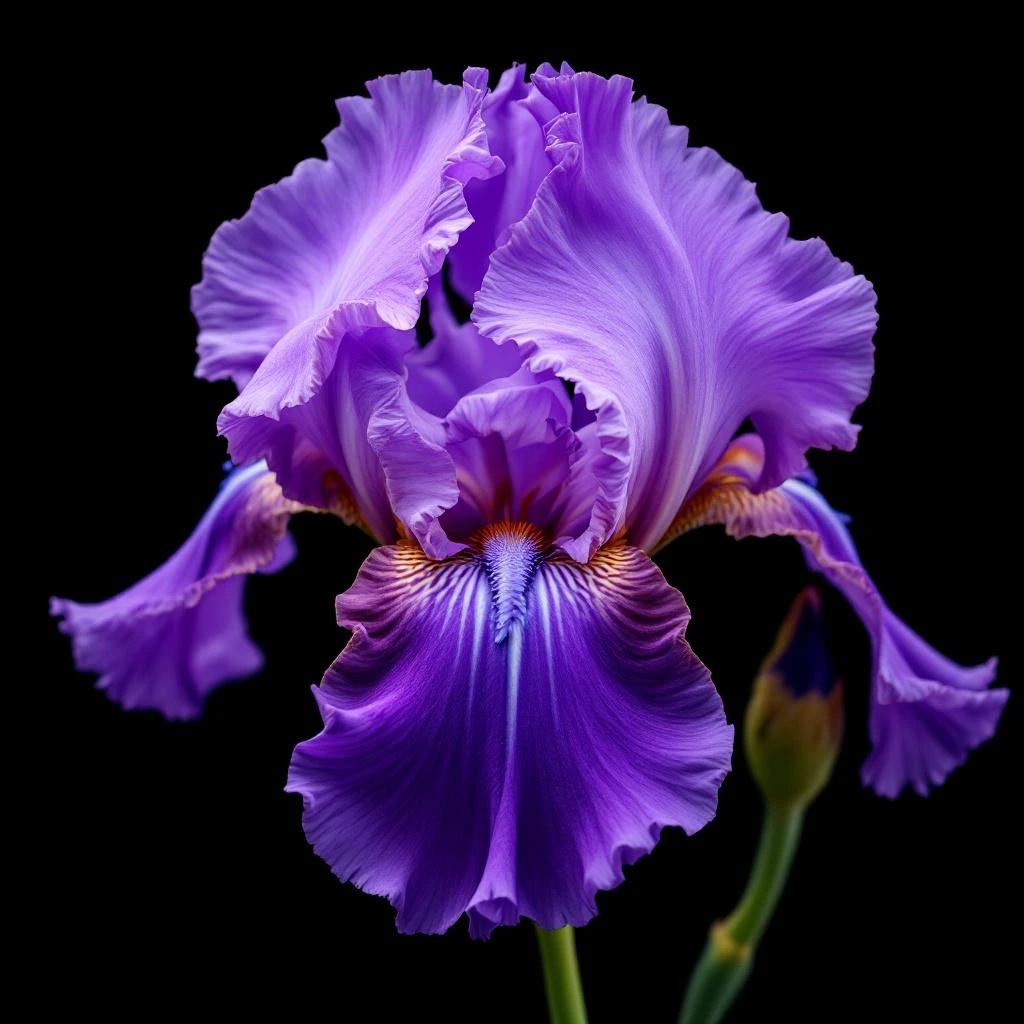
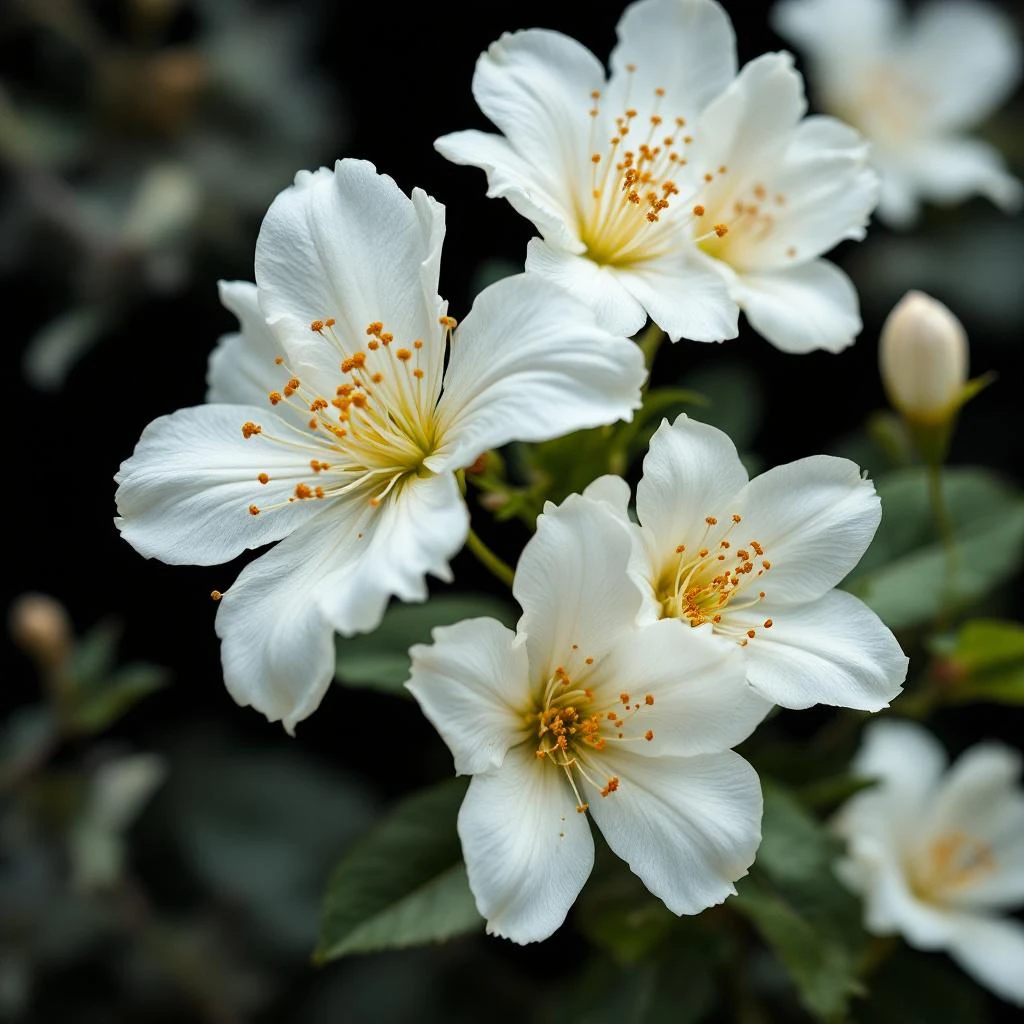
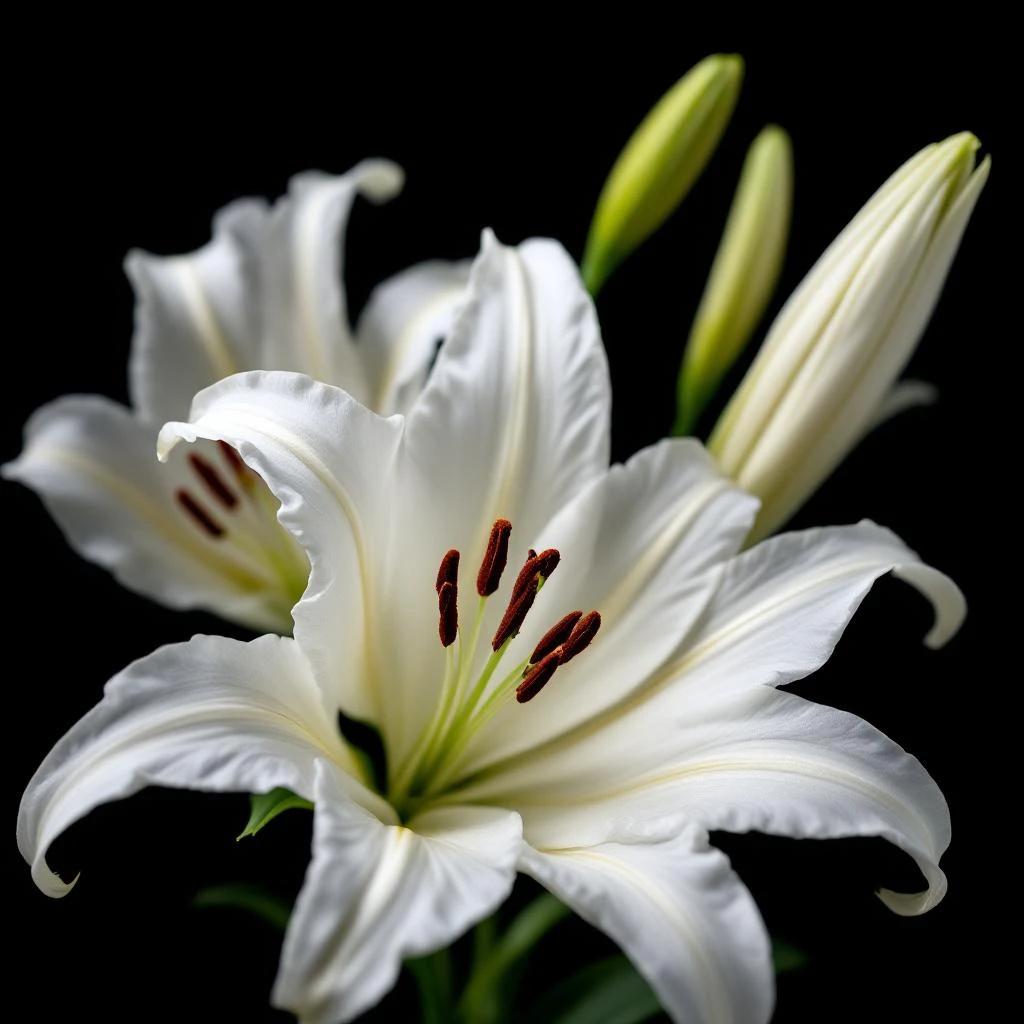
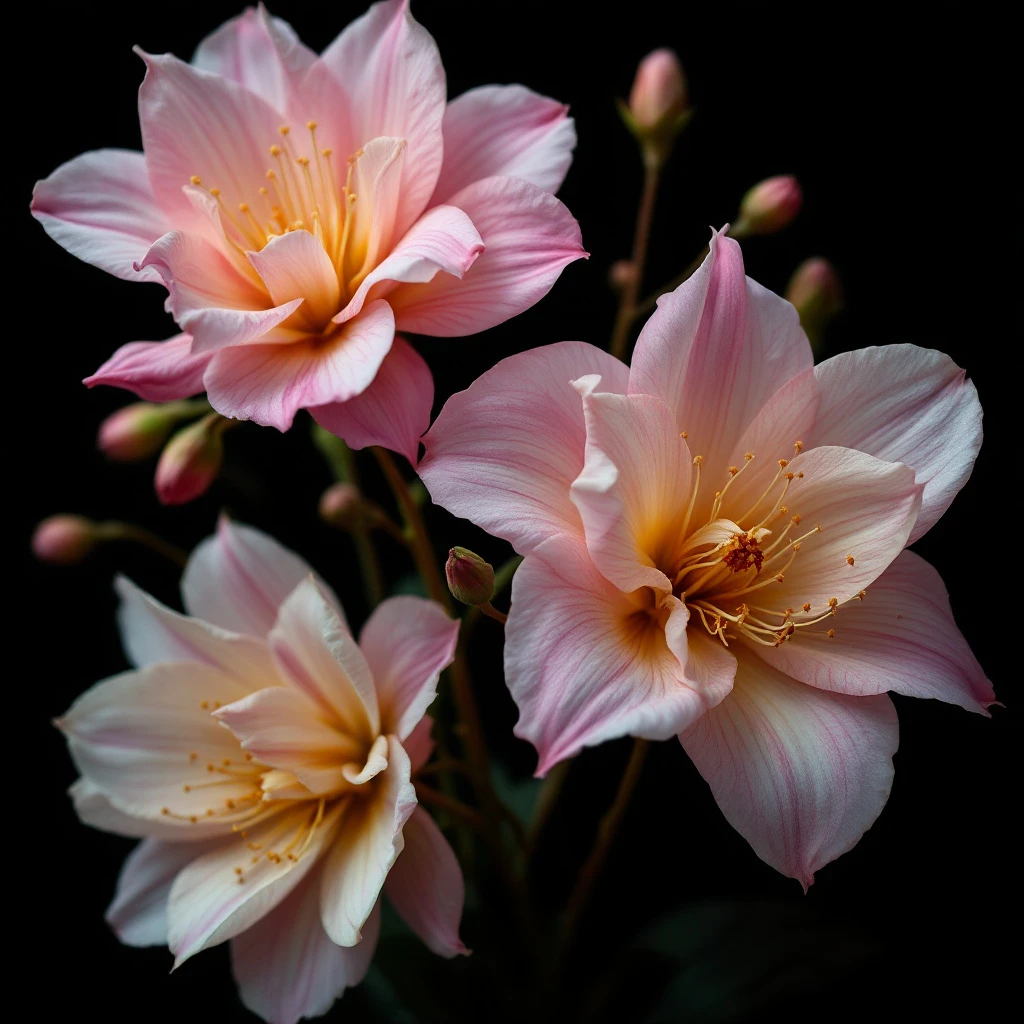
Sweet Floral captures the honeyed, powdery softness found in blossoms like mimosa, orange flower, and ylang-ylang. It blends sugary warmth with delicate petal character, creating a comforting, rounded impression.
Character
How it smells
Honeyed petals wrapped in sugar-soft warmth.
The sweet facet in many white florals comes from trace compounds called indoles, which smell fecal in isolation but turn creamy and confectionary when diluted within a bouquet.
Pairs beautifully with




Origin
France
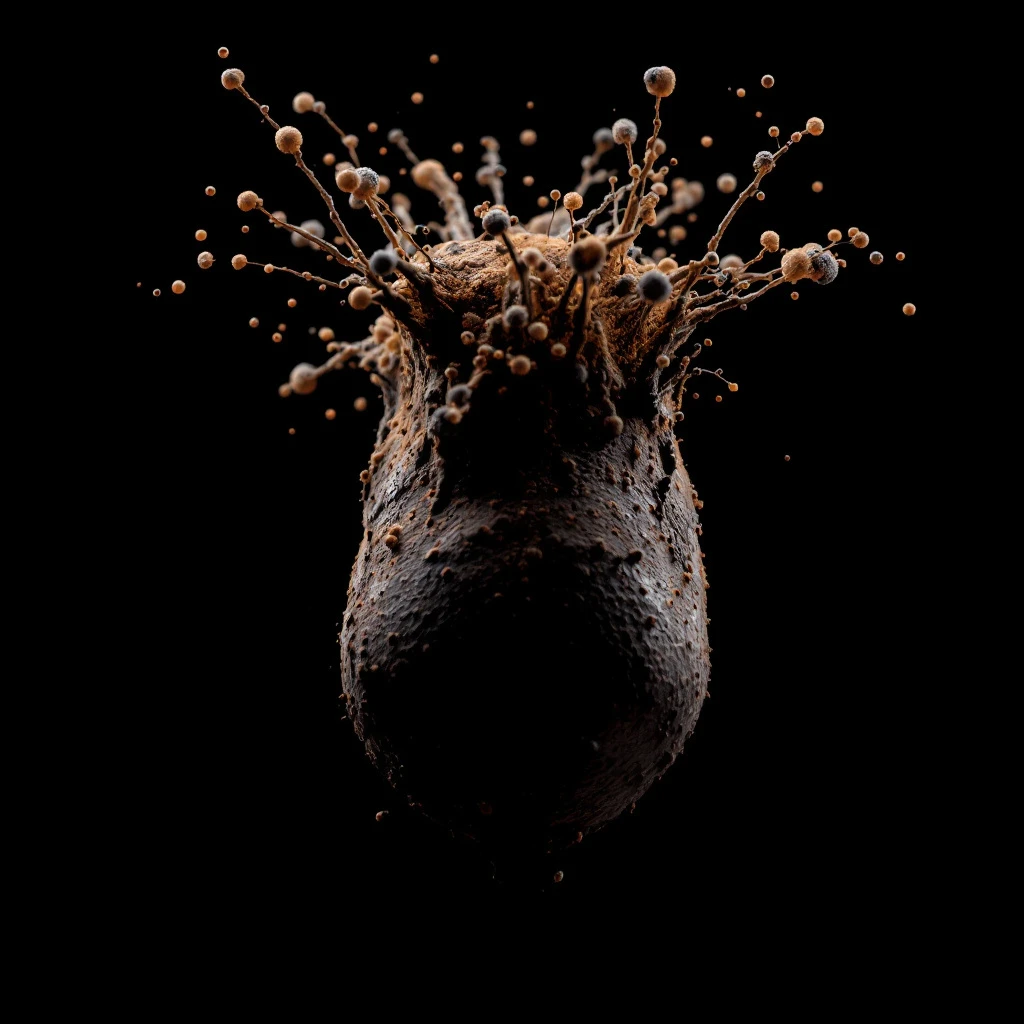
Sweet Floral accords trace back over 3,200 years to Mesopotamia, where resinous and floral ingredients were combined into scented oils for ritual and adornment. Egyptian perfumers elevated the category, using enfleurage with moringa oil to capture the scent of blue lotus and other blossoms, then sealing the resulting unguents in alabaster vessels buried with pharaohs. During the 18th century, the Grasse region of southern France became the epicenter of floral extraction, its fields of jasmine, tuberose, and rose feeding a growing European luxury market hungry for sweet, opulent scents.
By the late 19th century, the commercial synthesis of compounds like vanillin and coumarin gave perfumers new tools to amplify the honeyed, gourmand edges of traditional florals, birthing the fougère and oriental families that remain pillars of modern perfumery. Biotech-based ingredients would arrive another 60 years later, expanding what sweetness meant in a bottle.
Wears it best
Fragrances featuring Sweet Floral
Brands
Brands known for Sweet Floral
Good to know
Questions, answered
The essentials on Sweet Floral in perfumery: how it smells, where it comes from, and how it behaves on skin.
What does Sweet Floral smell like in perfumery?
Sweet Floral blends honeyed, sugary softness with delicate petal character, drawing from mimosa, orange flower, and ylang-ylang. The sweetness comes from lactones and indoles that read as confectionary once diluted within a fuller bouquet.
Which natural flowers contribute to Sweet Floral accords?
Jasmine, tuberose, orange blossom, mimosa, and ylang-ylang are the most common contributors. Their absoltes contain trace indoles and lactones that produce the characteristic creamy, sugar-like warmth.
How is Sweet Floral extracted from raw flowers?
Producers use solvent extraction for most blooms, yielding concretes that are washed with alcohol to produce absoltes. Historically, enfleurage pressed petals into fat over several weeks, preserving delicate molecules that steam distillation can damage.
Is Sweet Floral a natural or synthetic category?
Both. Traditional versions relied entirely on natural absoltes, but since the late 19th century perfumers have supplemented them with synthetic compounds like methyl anthranilate, which adds a grape-like sweetness impossible to source from naturals alone.
Where does Sweet Floral perfumery historically originate?
Mesopotamian and Egyptian cultures combined floral and resinous ingredients over 3,200 years ago. The craft later flourished in Grasse, France, which became the global center for flower cultivation and extraction during the 18th century.
Why do some florals smell slightly fecal when concentrated?
Indoles, a class of nitrogen-containing compounds found in jasmine and orange blossom, smell fecal at high concentrations. Once diluted within a finished accord, they transform into the creamy, sweet warmth associated with classic white florals.
What fragrance families feature Sweet Floral prominently?
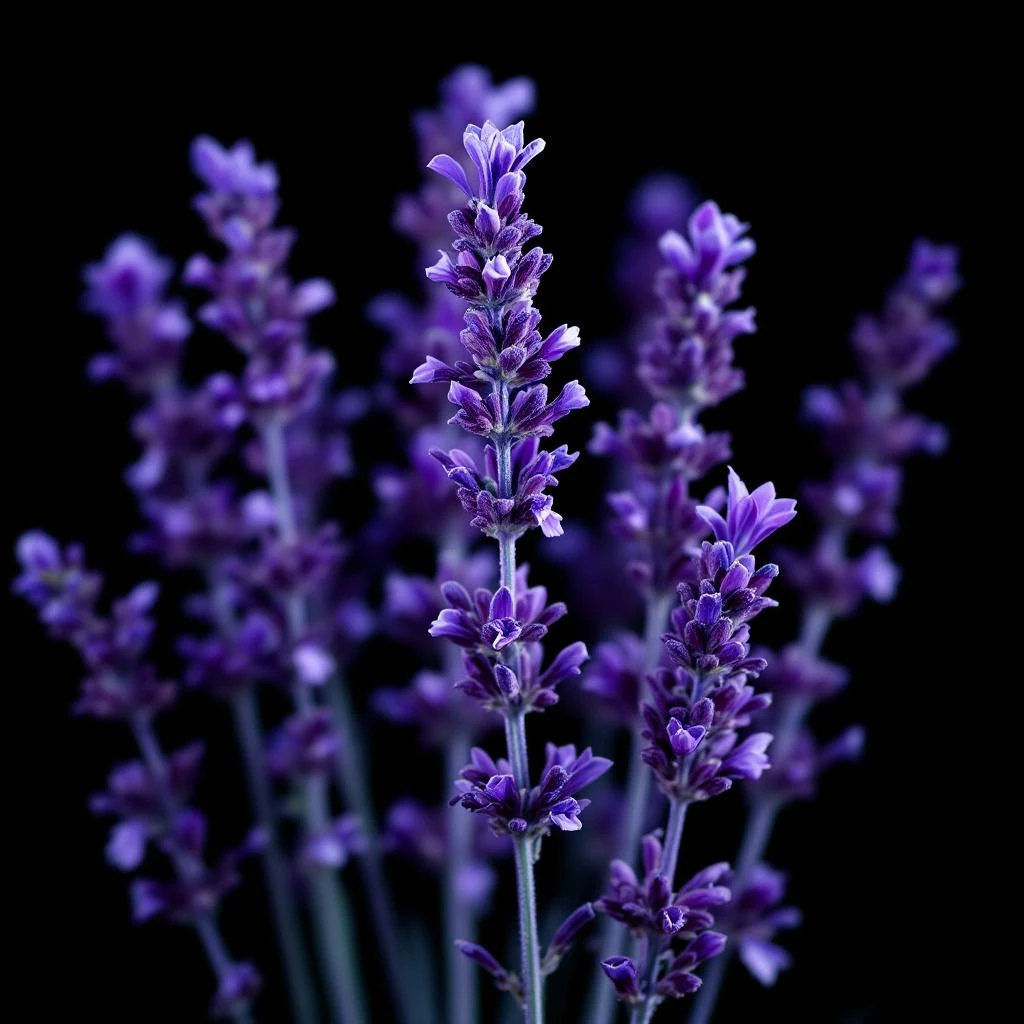
Oriental and floral families lean heavily on Sweet Floral notes, layering them with resins, spices, and gourmand accords. The fougère category also incorporates honeyed floral facets alongside coumarin and lavender.
Are Sweet Floral ingredients sustainable to produce?
Sustainability varies by source. Hand-picked jasmine and tuberose require intensive labor, while biotech alternatives and synthetic aroma compounds now offer scalable options that reduce pressure on traditional flower fields.