Dirty Musk
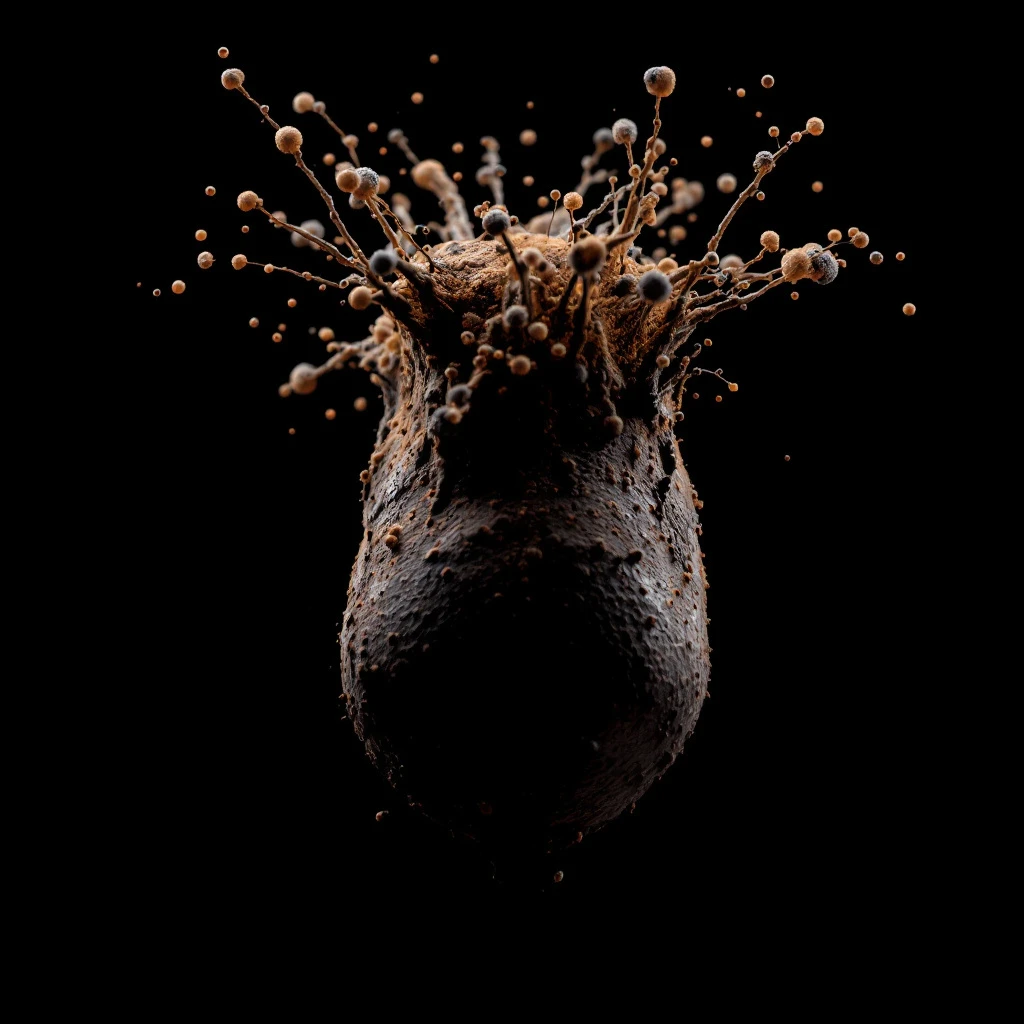
Dirty musk carries the raw, animalic edge of musk with an added grittiness, simulating unwashed skin or damp fur. It anchors a fragrance, extending longevity while adding primal depth.
Character
How it smells
The primal base note that clings to skin
Genuine musk was once worth more per ounce than gold, harvested from the glands of the endangered musk deer.
Pairs beautifully with




Origin
Synthetic (originated in Europe)
The story of musk begins in the Himalayan foothills and mountain ranges of Central Asia, where the male musk deer produces a waxy secretion in a gland near its abdomen. For centuries, this substance, called pod or musk grain, ranked among the most traded commodities along the Silk Road. Arab, Chinese, and Indian perfumers prized it for its fixative power, anchoring volatile top and heart notes while adding a sensual warmth no other material could replicate.
European perfumers adopted it by the 16th century, incorporating it into court scents and royal formulations. By the early 20th century, the musk trade pushed wild populations toward collapse. Conservation concerns and the 1979 inclusion of the musk deer in CITES Appendix I effectively banned natural musk in perfumery.
The rise of nitro musks in the 1950s, followed by polycyclic and macrocyclic musks, gave perfumers a cruelty-free path to the same warmth. Dirty musk emerged later, as modern noses leaned into the animalic character that early synthetic musks had tried to scrub clean, recreating the feral sensuality of traditional musk without the cruelty.
Wears it best
Fragrances featuring Dirty Musk
Brands
Brands known for Dirty Musk
Good to know
Questions, answered
The essentials on Dirty Musk in perfumery: how it smells, where it comes from, and how it behaves on skin.
Is dirty musk made from animal secretions?
No. Nearly all modern musks, including dirty musk, are produced synthetically. Natural deer musk was banned under CITES in 1979 to protect the endangered musk deer.
What does dirty musk smell like?
Dirty musk combines the warm, skin-like base of synthetic musk with animalic edge notes like indole and skatole. The result smells faintly of warm fur and intimate skin, an intentional rawness.
Is dirty musk the same as white musk?
No. White musk refers to clean, laundry-like synthetic musks developed to smell fresh and soapy. Dirty musk deliberately reintroduces animalic, feral character to that clean base.
Why do perfumers add dirty musk to fragrances?
Dirty musk functions as a base note, anchoring lighter ingredients and extending wear time. It adds sensual depth and primal warmth that clean musks alone cannot achieve.
Are animalic notes like dirty musk cruelty-free?
Yes. Animalic notes in modern perfumery, including dirty musk, are constructed from synthetic molecules such as indole and skatole. No animals are harmed in their production.
When was the first synthetic musk created?
Chemist Albert Baur synthesized the first artificial musk in 1888 while researching explosives. His accidental discovery launched the modern synthetic musk industry.
Is dirty musk safe to wear on skin?
Yes. Synthetic musks used in perfumery are formulated to meet IFRA safety standards. Concentrations of animalic molecules are carefully controlled to avoid irritation.
Which perfumes famously feature dirty musk?
Niche houses such as Serge Lutens, Tom Ford, and Aftelier have built compositions around dirty musk accords, using it to convey raw, intimate, and animalic sensuality.