Sweet Clover
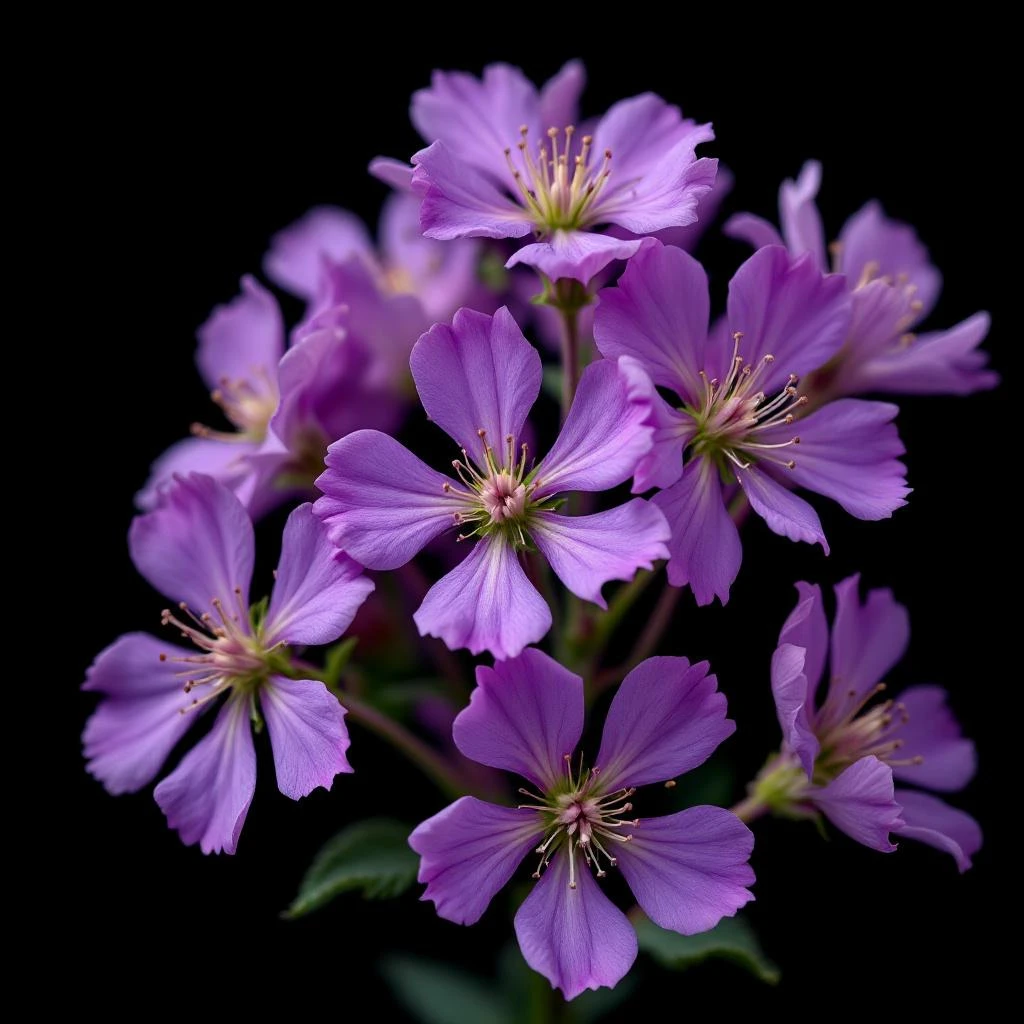
Sweet Clover, Melilotus officinalis, is a botanical that shaped perfumery history as nature's original coumarin source before synthetics arrived in the 1890s. Its lush, green, hay-like aroma defined the fougère family and remains a reference point for botanical fragrance study.
Character
How it smells
The botanical that gave fougères their soul.
Sweet clover absolute shares its coumarin richness with tonka bean but carries a greener, tobacco-like character without tonka's heightened powdery quality.







Origin
Europe
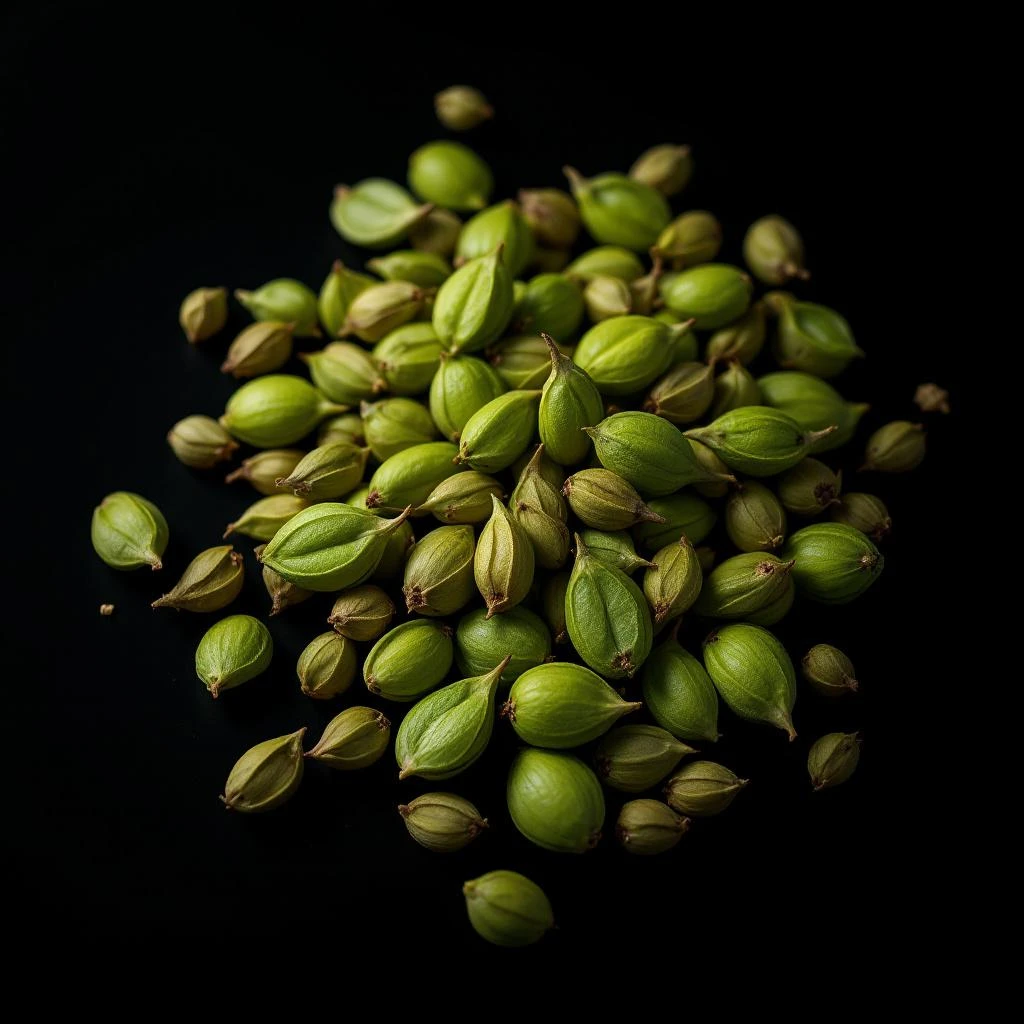
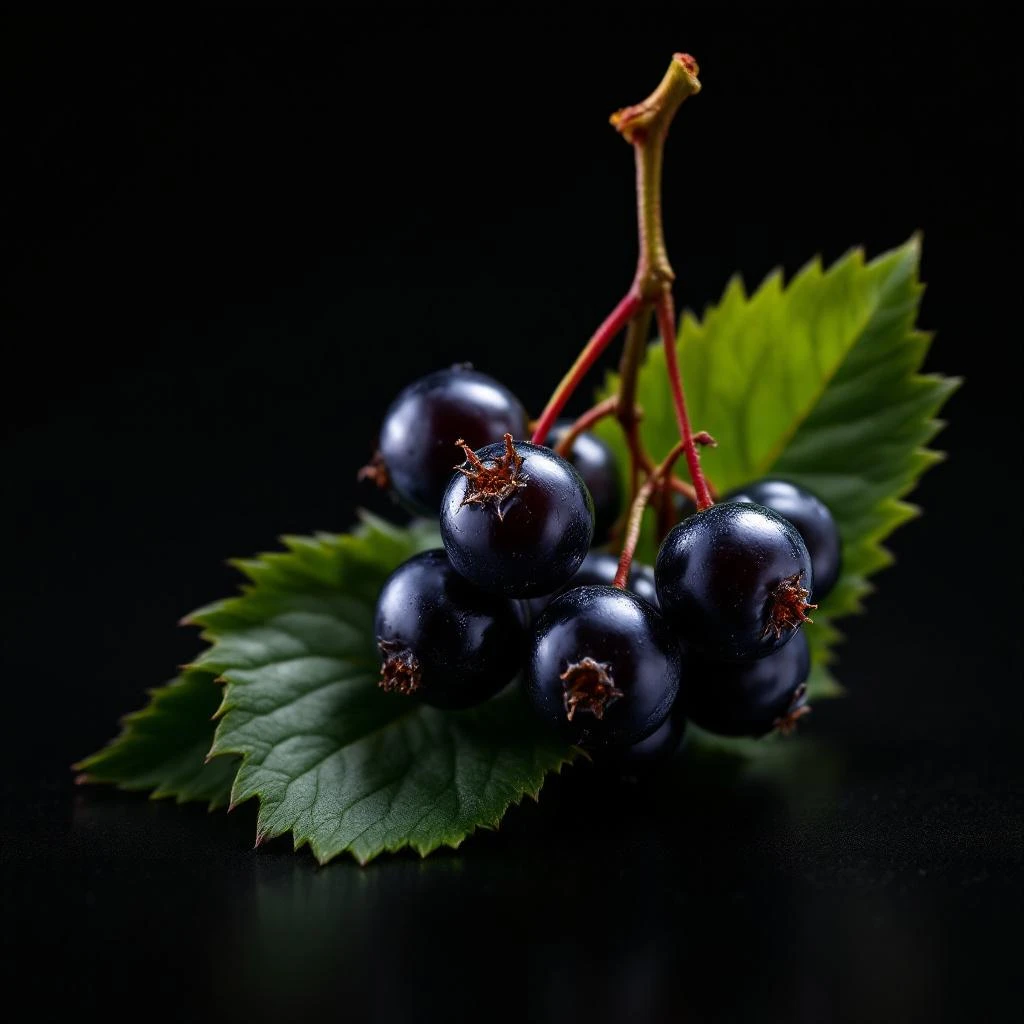
Before synthetic chemistry entered perfumery, Sweet Clover was the primary botanical source of coumarin, the compound that defines the fougère fragrance family. Perfumery relied on the dried aerial parts of Melilotus officinalis to capture the lush, green, hay-tobacco character that became inseparable from classic masculine fragrances. The botanical grows widely across Europe, North Africa, and parts of Asia, and perfumers worked with its intensely aromatic material to achieve that distinctive aromatic signature.
A German chemist first isolated natural coumarin in 1820; an English chemist synthesized it in 1868. By the 1890s, synthetic coumarin produced from coal tar derivatives became commercially available, enabling mass production and ultimately replacing natural sweet clover absolute in mainstream perfumery. The transition marked one of the earliest and most significant shifts from natural to synthetic ingredients in the fragrance industry.
Today, sweet clover absolute is rare but holds enduring significance in natural perfumery and aromatic traditional medicine.
Wears it best
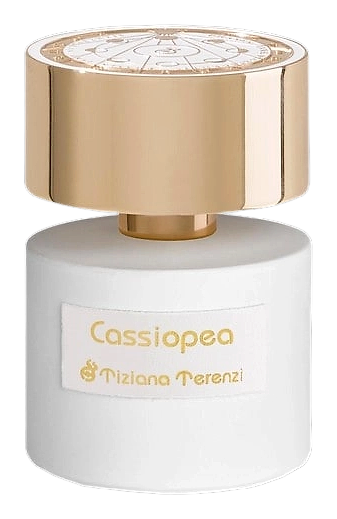
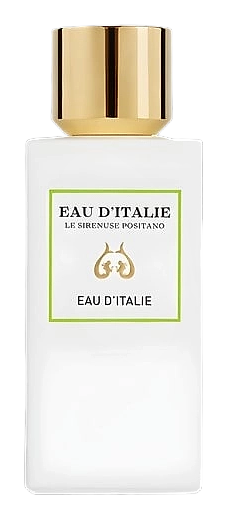
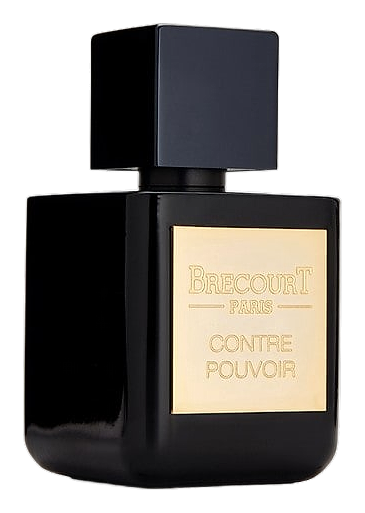
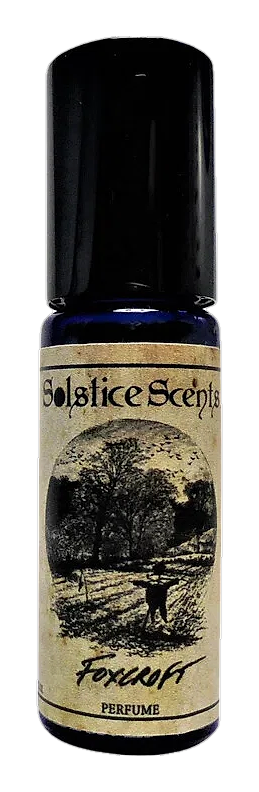
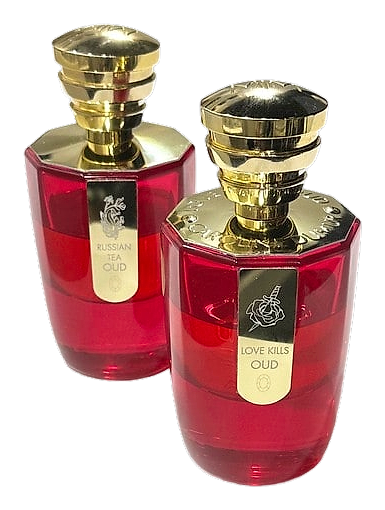
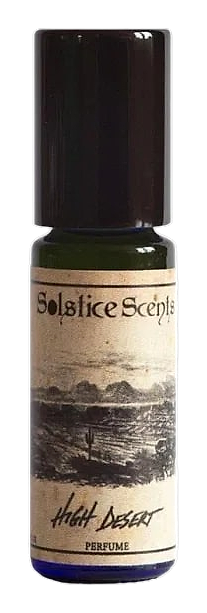
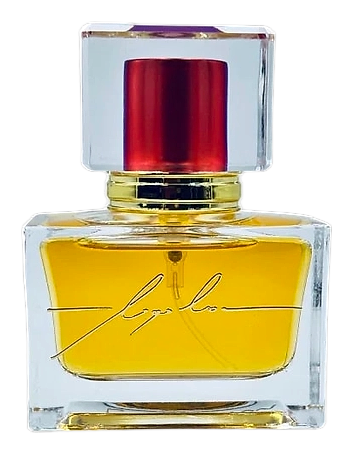
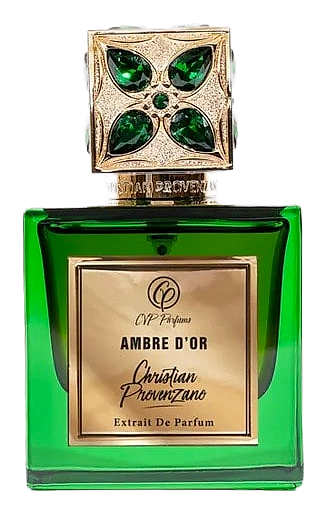
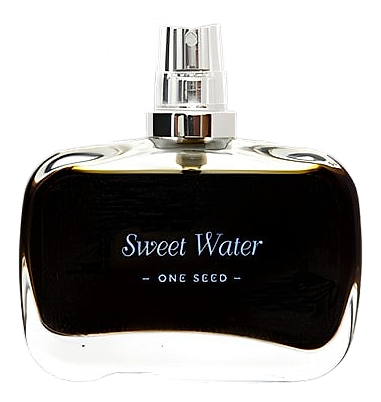
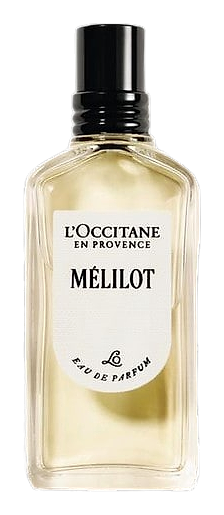
Fragrances featuring Sweet Clover
Brands
Brands known for Sweet Clover
Good to know
Questions, answered
The essentials on Sweet Clover in perfumery: how it smells, where it comes from, and how it behaves on skin.
What does sweet clover smell like?
Sweet clover carries a lush, green, hay-like aroma with tobacco and subtle vanilla undertones. Its coumarin content gives it a warm, slightly sweet quality that resembles tonka bean but with a greener, less powdery character.
Is sweet clover still used in modern perfumery?
Rarely in mainstream perfumery. Synthetic coumarin, available since the 1890s, replaced natural sweet clover in commercial fragrances. The botanical appears in natural perfumery circles and traditional aromatic medicine rather than mass-market products.
Why is sweet clover historically significant in fragrance?
It served as the primary natural source of coumarin, the compound that defined the fougère family and gave classic masculine fragrances their characteristic hay-tobacco warmth before synthetic alternatives existed.
Is sweet clover the same as tonka bean?
Both contain coumarin, but the aromas differ. Tonka bean absolute is powdery, sweet, and vanilla-like. Sweet clover absolute is greener and tobacco-like, with coumarin richness but less of tonka's pronounced powdery quality.
How is sweet clover absolute obtained?
Solvent extraction using hexane or ethanol. The dried flowering parts of Melilotus officinalis are macerated in the solvent, which dissolves the aromatic compounds including coumarin. The solvent is then removed under vacuum, leaving the absolute.
What fragrance families use sweet clover?
The fougère family, which relies on coumarin, was built around sweet clover's aromatic profile. The botanical also appears in herbal chypres and green fragrances that require a hay-tobacco warmth.
What plant family does sweet clover belong to?
Melilotus officinalis belongs to the Fabaceae family, making it a legume. The species is native to Europe, North Africa, and parts of Asia, growing as an herb with yellow flowers.
When did synthetic coumarin replace sweet clover in perfumery?
Coumarin was first isolated in 1820 and synthesized in 1868. By the 1890s, commercial-scale synthetic production made it widely available, and sweet clover was largely phased out as a perfumery ingredient.