
The Story
Why it exists.
The beginning
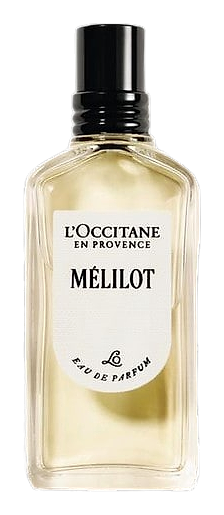
Mélilot takes its name from the plant melilot, sweet clover, a wild herb that carries a natural sweetness often compared to vanilla and fresh hay. L'Occitane's Flora Orchestra collection celebrates botanical rarities, bringing forward ingredients that have been overlooked by the perfume world for too long. Sweet clover fits that vision perfectly. The house saw an opportunity to bring the plant's honest, honeyed warmth into a composition that honors its character, then bottle it with the care that defines the brand.
What makes this structure interesting is the contrast L'Occitane chose not to smooth away. Galbanum and carrot seed give the opening a green, slightly bitter edge, the smell of stems cut at dawn, before the sun warms them. Against that coolness, the heart deploys sweet clover's natural honey and nutty undertones. The result isn't a simple floral. It's a conversation between freshness and warmth, herb and grain, that evolves across hours rather than resolving immediately into sweetness.
The evolution
The opening announces itself with crisp pear and a surprising herbal snap from carrot seed, bright and clean, with a slight vegetable mineral edge that keeps it grounded. Galbanum follows, adding that characteristic green bitterness. The coolness recedes and the clover emerges, honeyed and nutty, softened by what feels like warm hay. The drydown is where the wheat bran asserts itself, buttery, slightly vanilla-adjacent, with cedarwood and vetiver lending a quiet woody warmth underneath. The composition unfolds with a natural progression that reveals new facets over time.
Cultural impact
As part of the Flora Orchestra collection, Mélilot joins a lineup that celebrates overlooked botanical ingredients. L'Occitane's approach favors authentic aromatics over passing trends. This fragrance continues that philosophy: sweet enough to charm, grounded enough to wear daily, and distinctive enough to stand apart from conventional floral compositions.