Sweet Apple
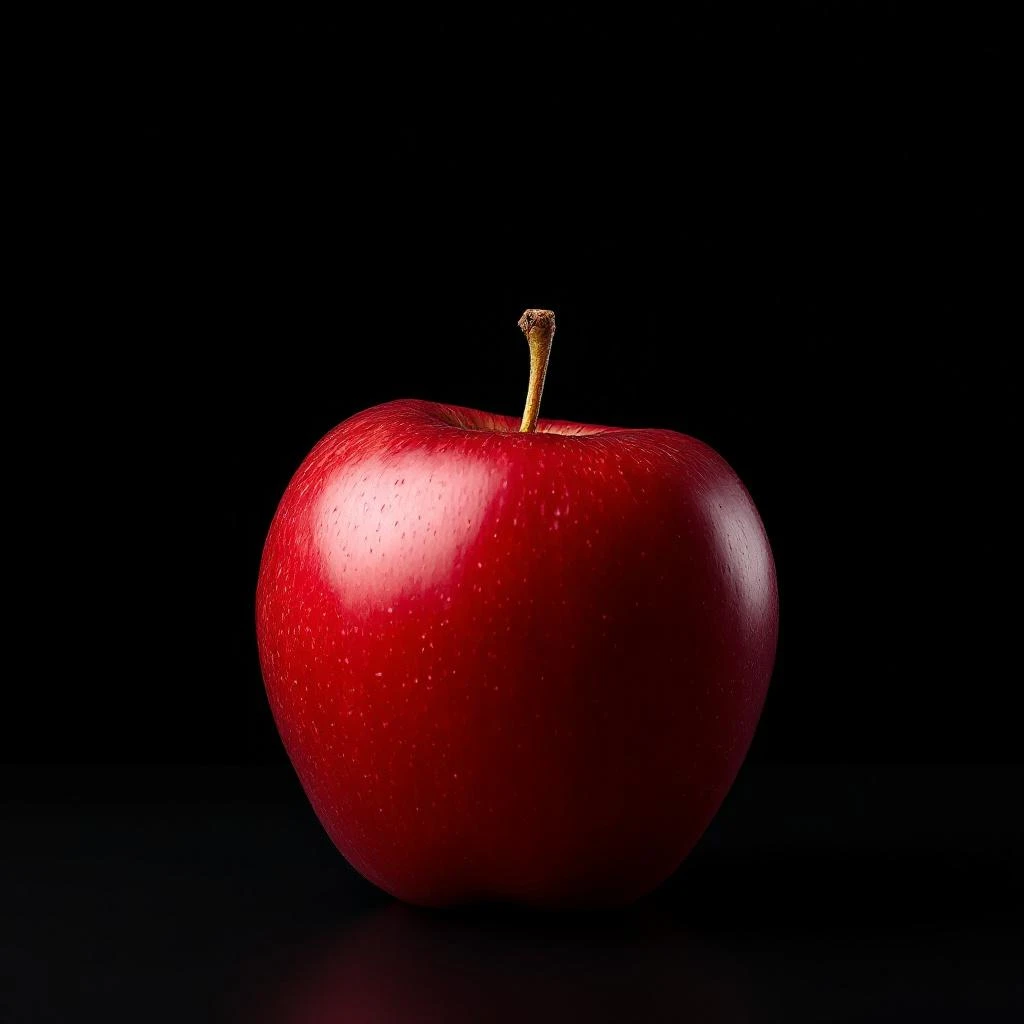
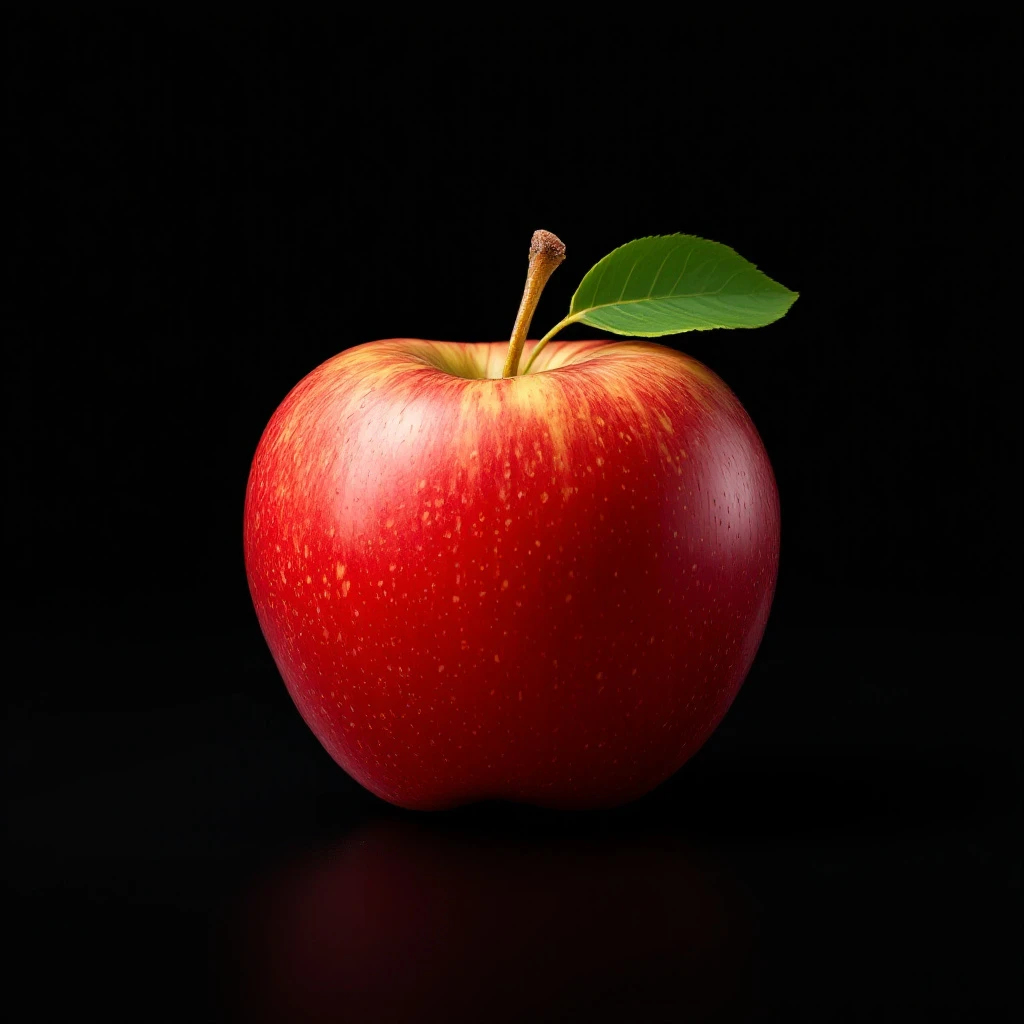
Sweet apple captures the irresistible scent of ripe orchard fruit, but natural extraction from the apple itself is not possible. Perfumers recreate this beloved note entirely through synthetic chemistry, mastering the fruit's fleeting esters to build fragrances that feel impossibly fresh.
Character
How it smells
The orchard captured in a bottle—ripe, crisp, and impossibly fresh.
Natural apple fruit yields almost no extractable fragrance, making every sweet apple note in perfume a precise act of synthetic recreation.



Origin
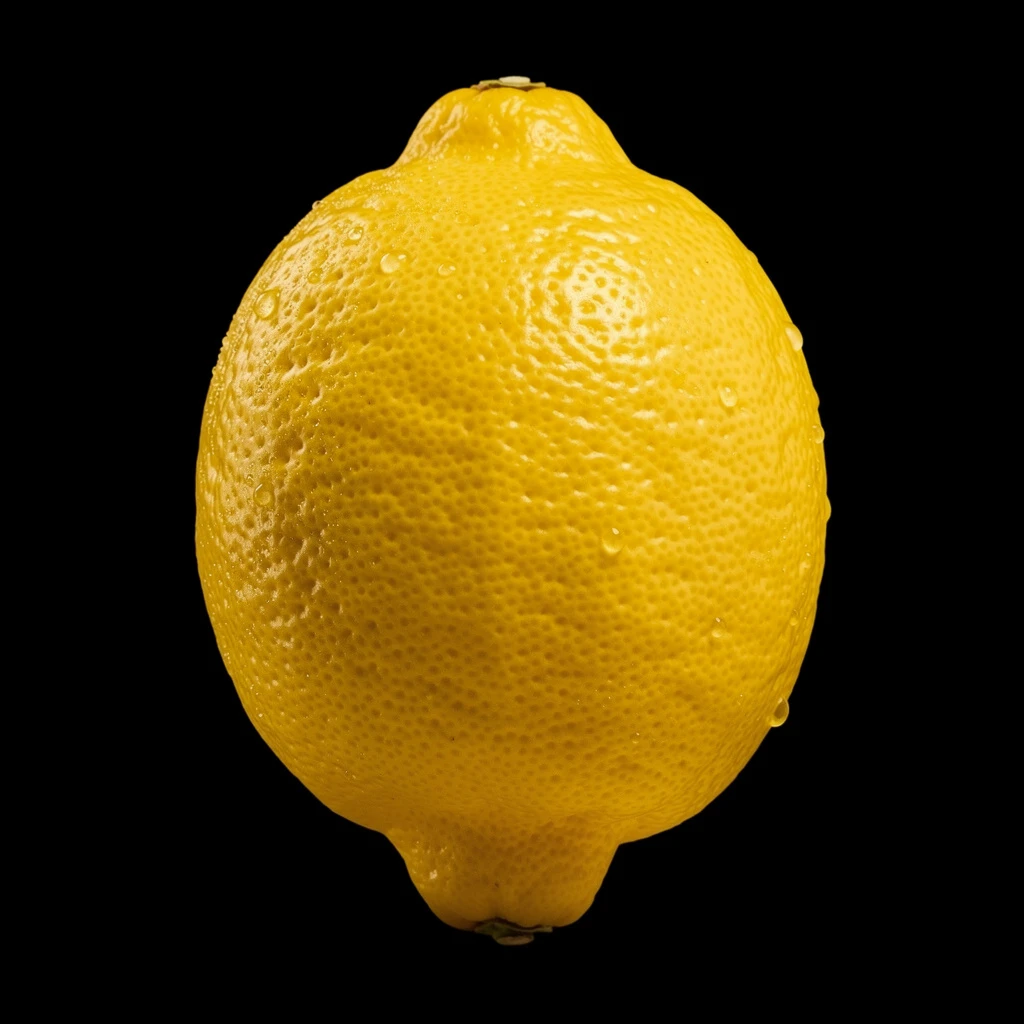
Laboratory originated (Malus domestica species native to Central Asia)
While ancient Egyptians and Romans incorporated apples into ceremonial unguents, true apple-scented perfume remained impossible until modern chemistry arrived. The breakthrough came in the late nineteenth century when commercial synthesis of aroma compounds transformed perfumery.
Early synthetic pioneers isolated ester compounds that would later define apple reconstruction, including cinnamaldehyde and vanillin, establishing the technical foundation for fruity notes. By the mid-twentieth century, perfumers could reliably recreate apple through ester chemistry, launching a wave of fresh, fruity fragrances that made sophisticated scent accessible beyond expensive natural materials.
The 1994 release of Calvin Klein CK One, built around green apple, cemented the note in modern fragrance culture. Today, sweet apple remains one of the most recognizable and versatile fruity notes, appearing across fine perfumery, functional products, and home fragrances as a symbol of natural freshness.
Wears it best
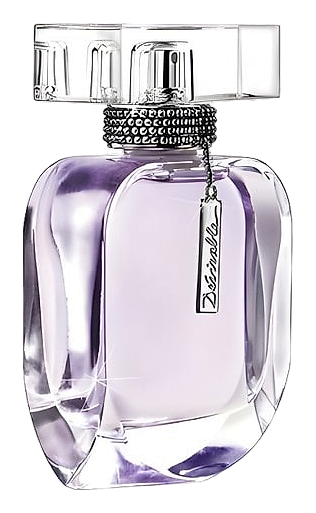
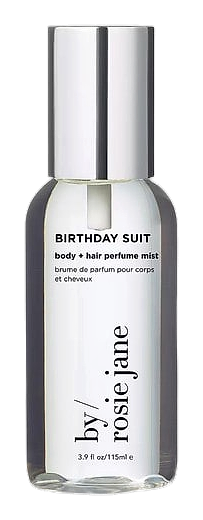
Fragrances featuring Sweet Apple
Brands
Brands known for Sweet Apple
Good to know
Questions, answered
The essentials on Sweet Apple in perfumery: how it smells, where it comes from, and how it behaves on skin.
What does sweet apple smell like in perfume?
Sweet apple smells like the moment you bite into a ripe, juicy apple. It carries fresh, fruity brightness with a warm, slightly floral undertone that varies depending on the apple variety the perfumer targets.
Can you extract fragrance from real apples?
No. Natural apple extraction is not commercially viable because the fruit contains too few aromatic compounds. Perfumers recreate the scent entirely through synthesized esters and lactones.
What is the difference between sweet apple and green apple in perfumery?
Sweet apple emphasizes ripe, juicy fruit with warm, creamy undertones. Green apple skews sharper and more astringent, capturing unripe skin and stem notes for a crisper, more tart impression.
How long does sweet apple last in a fragrance?
Sweet apple typically lasts 30 minutes to 3 hours depending on the specific materials used. Lighter esters fade quickly, while heavier lactones provide longer retention in the dry-down.
Which fragrance families pair well with sweet apple?
Sweet apple crosses many fragrance families. It adds brightness to florals, unexpected lift to orientals, a juicy foundation to gourmand compositions, and immediate freshness to citrus and cologne structures.
Which famous fragrances feature sweet apple prominently?
Calvin Klein CK One (1994) built its identity around green apple, while DKNY Be Delicious and Chloé Eau de Parfum incorporated apple into their signatures, establishing the note as a modern perfumery staple.
Is sweet apple a natural or synthetic ingredient?
Sweet apple is exclusively synthetic in perfumery. No natural extraction method produces usable apple fragrance from the fruit, so perfumers build the note from carefully combined aroma chemicals.
Does sweet apple work for men, women, or both?
Sweet apple reads as gender-neutral in modern perfumery. Its fresh, clean character suits masculine and feminine compositions equally, which is why it appears frequently in unisex fragrances launched since the 1990s.