Sun Goddess Rose
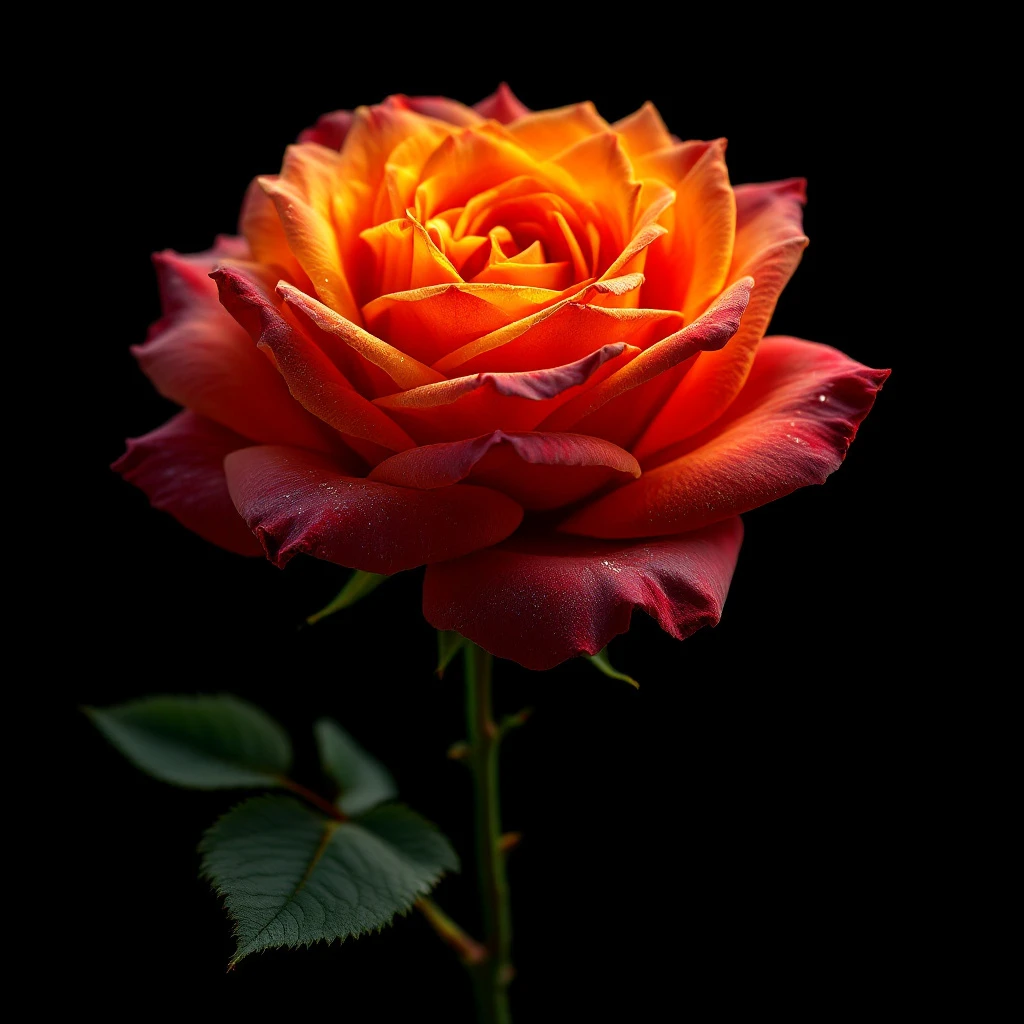
Sun Goddess Rose is a warm-climate rose ingredient celebrated for its radiant, golden character. Grown under intense sunlight, this rose develops a richer, more voluminous fragrance profile than its cooler-growing counterparts, offering perfumers a richer palette of honeyed and sun-kissed notes.
Character
How it smells
A sun-ripened rose with golden warmth.
A single rose blossom requires about 2,000 hand-picked petals to produce just one drop of rose attar.




Origin
Bulgaria
Rose cultivation for fragrance dates back to ancient Mesopotamia around 1200 BCE, when Mesopotamians first developed methods to extract aromatic oils. The ancient Egyptians elevated rose to sacred status, using rose pomades in religious ceremonies and unction rituals for nobility. Cleopatra reportedly covered her floors with fresh rose petals to perfume her chambers and anointed her skin with rose-infused oils.
The Persian Empire later became a center for rose cultivation, with Persian poets celebrating the flower's intoxicating fragrance. Greek physicians began documenting rose's therapeutic properties, while Roman elites adorned their banquet halls with thousands of rose petals and used rose water as a luxury cosmetic. During the Crusades, European knights returned with rose plants from the Middle East, eventually establishing rose cultivation in regions with ideal growing conditions.
Modern perfumery inherited this ancient reverence, with rose remaining the undisputed queen of florals across every major fragrance tradition.
Wears it best
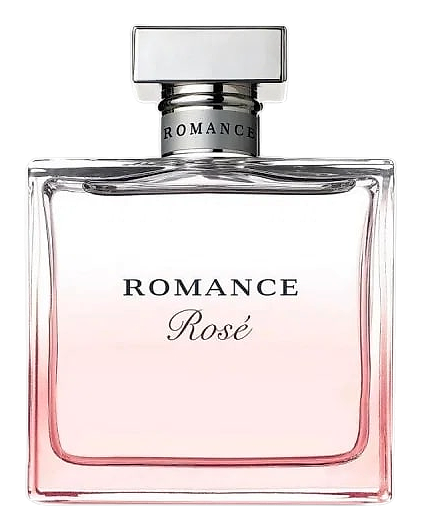
Fragrances featuring Sun Goddess Rose
Brands
Brands known for Sun Goddess Rose
Good to know
Questions, answered
The essentials on Sun Goddess Rose in perfumery: how it smells, where it comes from, and how it behaves on skin.
What makes Sun Goddess Rose different from standard rose oil?
Sun Goddess Rose develops a richer, more voluminous profile due to extended sun exposure during cultivation. The increased photosynthesis produces higher concentrations of certain aromatic compounds, creating warmer honeyed notes.
How much rose material is needed to produce rose attar?
Approximately 2,000 roses yield just one milliliter of rose attar. This extreme ratio explains why pure rose oil commands premium pricing and why the ingredient appears in relatively small quantities within compositions.
What fragrance family does Sun Goddess Rose belong to?
Sun Goddess Rose is classified as a floral heart note. It functions as a primary fragrance component rather than a supporting accent, making it a focal ingredient in floral and oriental compositions.
Can Sun Goddess Rose be synthesized artificially?
Synthetic rose aroma exists but lacks the complexity of natural rose attar. Natural extraction captures hundreds of individual compounds, while synthetic alternatives typically replicate only the dominant molecules, resulting in a flatter, less nuanced scent.
How should fragrances containing Sun Goddess Rose be stored?
Rose-based fragrances degrade faster when exposed to heat, light, and oxygen. Storage in cool, dark conditions with minimal headspace preserves the integrity of the rose compounds for several years.
What complementary notes pair well with Sun Goddess Rose?
Sun Goddess Rose pairs naturally with warm woods like sandalwood, resinous elements such as frankincense, and bright citrus top notes. The rose also harmonizes with other florals including jasmine and geranium.
Does Sun Goddess Rose contain any common allergens?
Like all natural rose oils, Sun Goddess Rose contains trace amounts of citronellol, geraniol, and nerol, which appear on allergen disclosure lists in the European Union. These occur naturally within the oil itself rather than as additives.
What percentage of rose attar typically appears in a fragrance formula?
Rose attar concentrations typically range from 0.5% to 5% depending on the desired effect. Even small percentages contribute significant impact because the ingredient is so concentrated and potent.




