Strelitzia
Strelitzia brings the untamed vibrancy of South African plains to fragrance. Its sculptural blooms produce an elusive scent that perfumers recreate through careful isolation of tropical green and fruity molecules found in its petals.

Character
How it smells
Tropical elegance distilled from nature's most theatrical bloom.
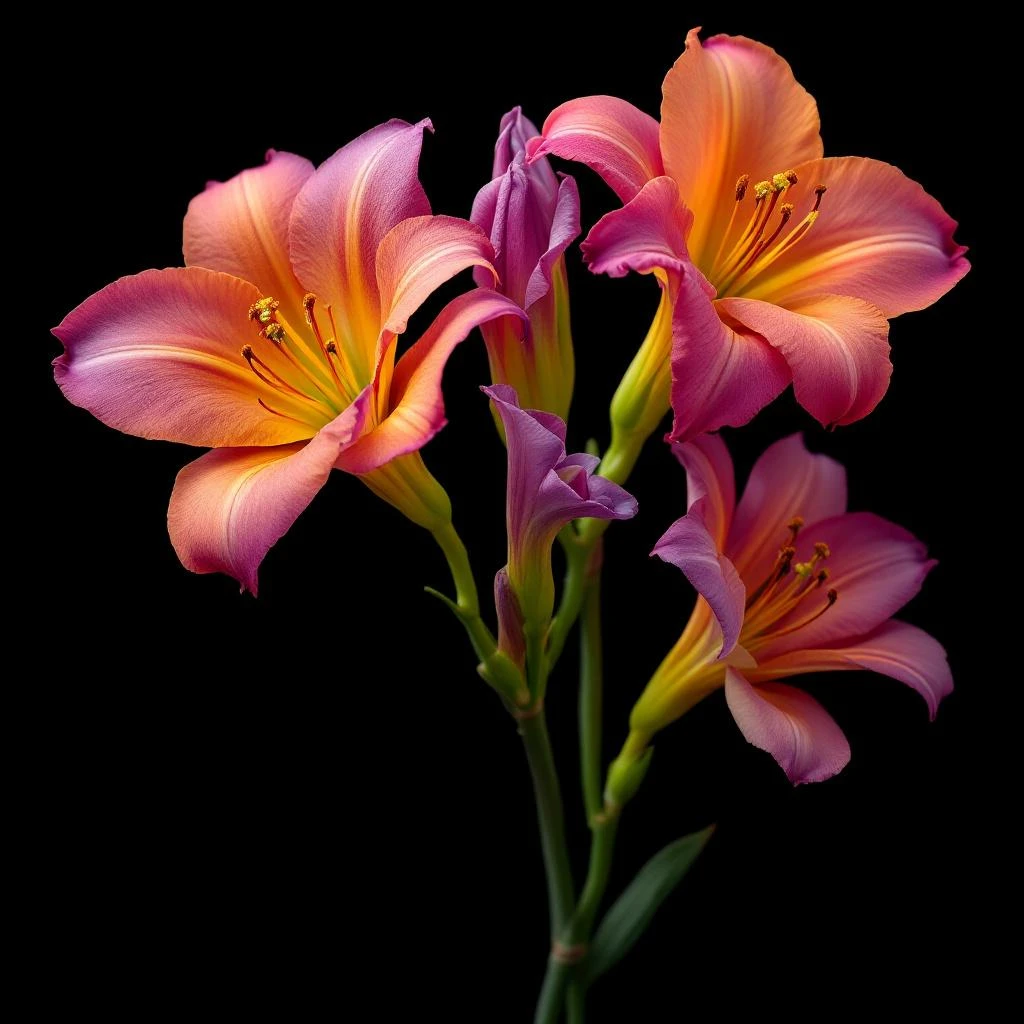
Named for Queen Charlotte of Mecklenburg-Strelitz, this flower blooms atop a horizontal spathe, pushing its bright orange sepals forward to resemble a bird mid-takeoff.



Origin
South Africa
Carl Linnaeus named this genus in 1753 to honor his patron, Queen Charlotte of Mecklenburg-Strelitz, wife of King George III. The royal connection suits the flower's regal appearance. Strelitzia reginae, the most recognizable species, grows wild across South Africa's Eastern Cape, where indigenous Khoikhoi peoples knew it by other names long before European taxonomy arrived.
Botanists introduced it to European conservatories by the late 18th century. Its dramatic silhouette made it a symbol of subtropical gardens worldwide. Fragrance chemists began analyzing its scent profile in the mid-20th century as synthetic perfumery matured, attempting to bottle something that resisted extraction.
Today, high-quality Strelitzia accord remains a markers of technical mastery in fine fragrance.
Wears it best
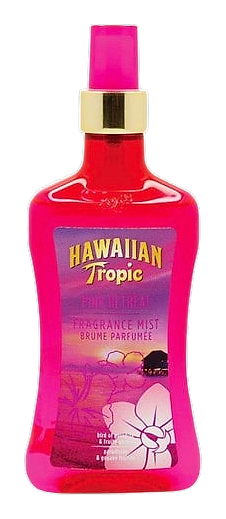
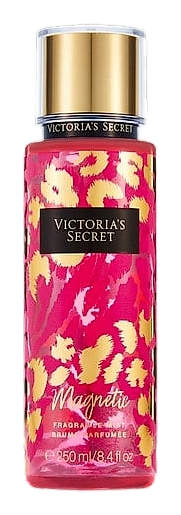
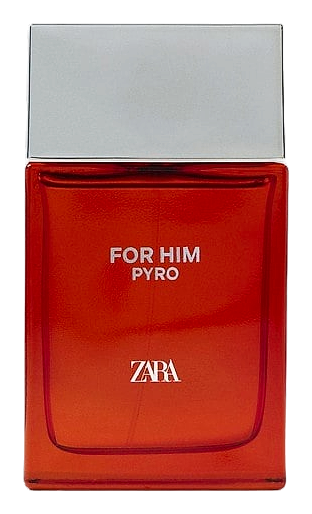
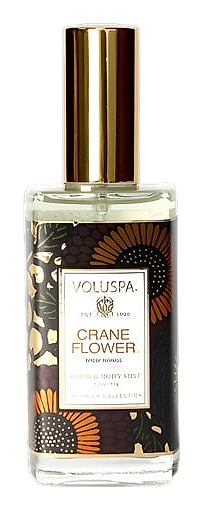
Fragrances featuring Strelitzia
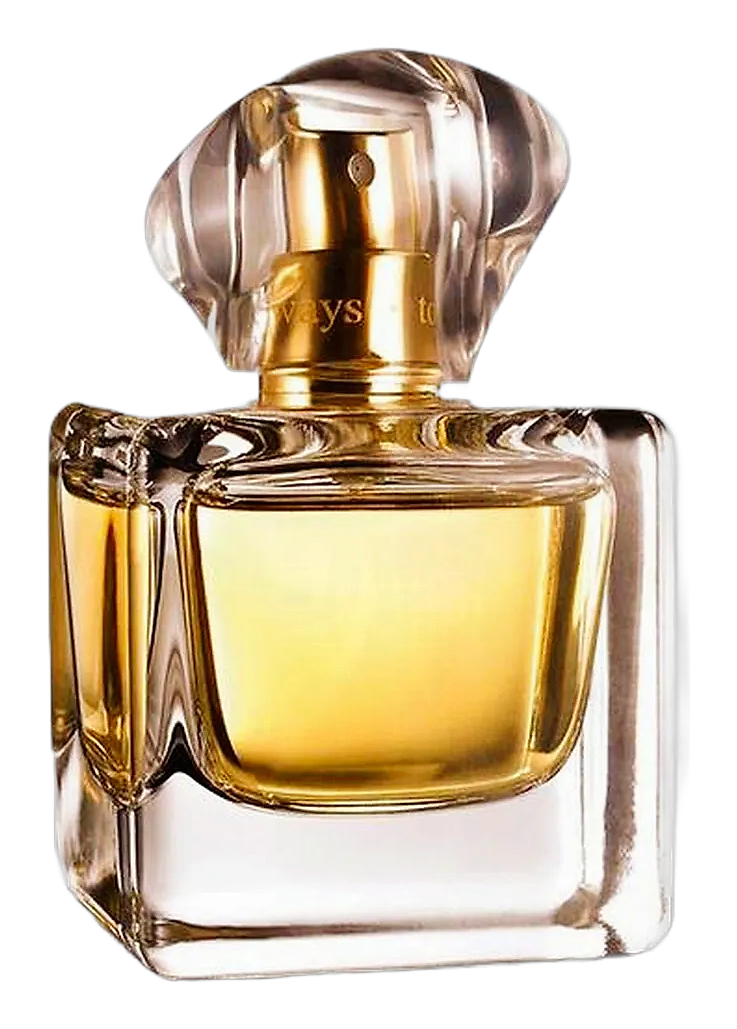
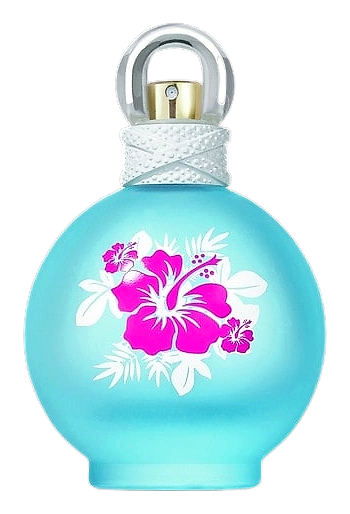
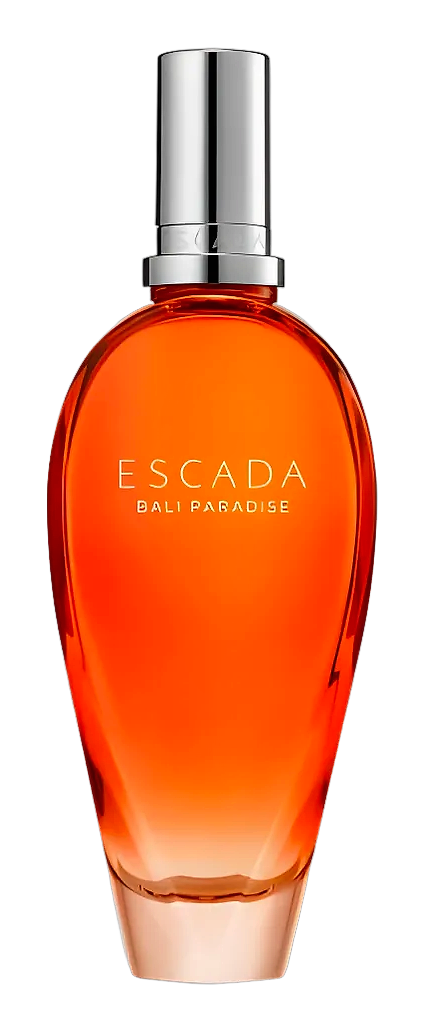
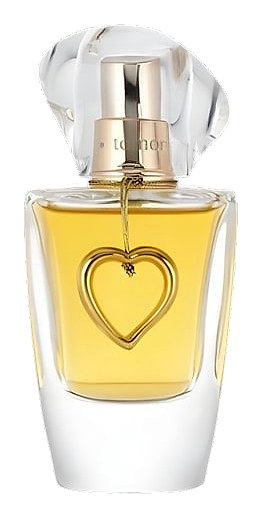
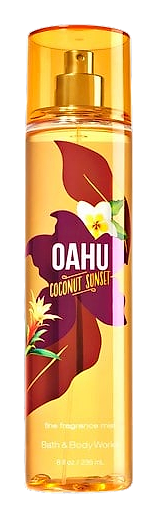
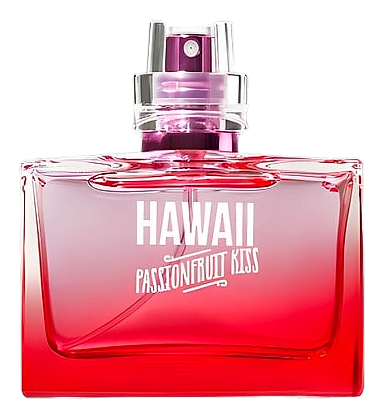
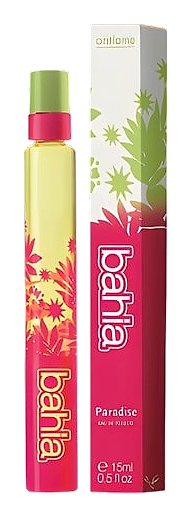
Brands
Brands known for Strelitzia
Good to know
Questions, answered
The essentials on Strelitzia in perfumery: how it smells, where it comes from, and how it behaves on skin.
Can Strelitzia be extracted for perfume like rose or jasmine?
No. Unlike rose or jasmine, Strelitzia produces no commercially viable aromatic extract. The flower contains trace quantities of scent molecules that resist traditional extraction, so perfumers recreate the scent profile synthetically.
What does Strelitzia smell like in perfume?
The recreated accord leans green and tropical. Expect fresh cut-stem notes, subtle banana-like fruitiness, and buttery white floral warmth. It adds exotic vibrancy without heaviness.
Is Strelitzia considered natural in perfumery?
Partially. While the flower itself is natural, commercial Strelitzia perfume material comes from natural isolates and aroma molecules rather than direct extraction. Some houses create bioidentical versions.
What family of chemicals makes up Strelitzia accords?
Green notes from hexenyl derivatives, fruity characters from lactones and esters, and floral softness from phenyl ethyl alcohol. These mirror the flower stem and petal composition.
Does Strelitzia appear often in mainstream fragrances?
No. It remains an upscale, specialty ingredient found in artisanal and niche releases. Houses use it to signal tropical sophistication without typical coconut or mango clichés.
What part of the Strelitzia plant inspires its scent?
Primarily the petals and stems. The green, slightly humid scent of cutting the flower through its distinctive spathe inspires the fresh, aquatic green character in accords.
Is there a real Strelitzia absolute available?
Extremely rarely and in tiny quantities. Some specialty naturals houses attempt small-batch extraction, but cost and yield make it impractical for most commercial perfumery.
Which perfume families typically use Strelitzia?
Tropical florals, green chypres, and ozonic whites. It works best alongside bergamot, gardenia, palm, and marine notes where its subtle fruit-green character amplifies brightness.