The Story
Why it exists.
The beginning
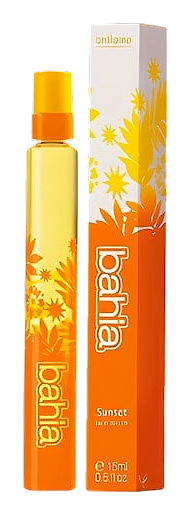
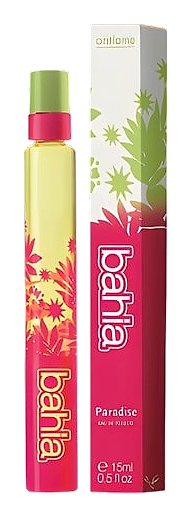
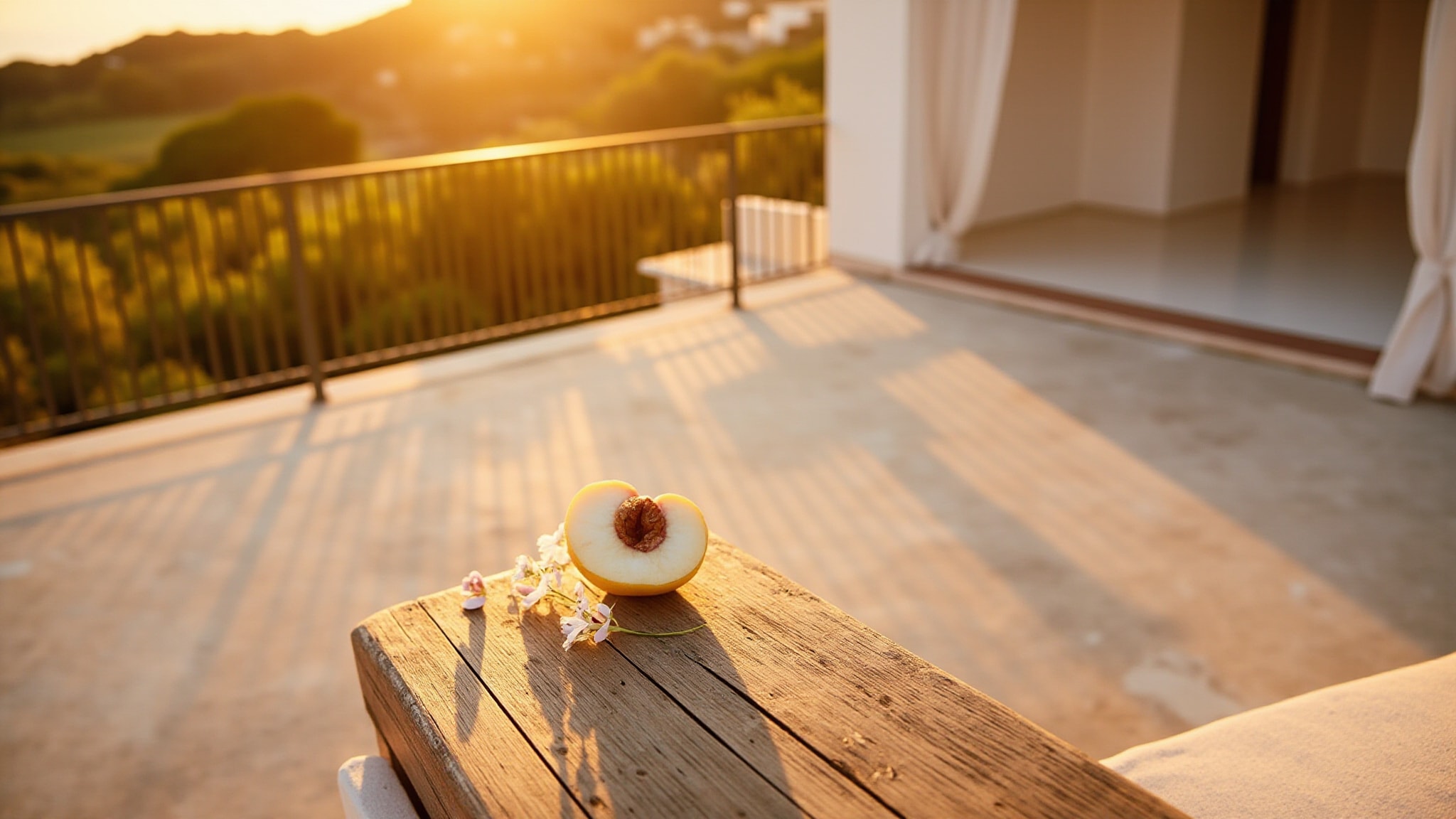
The name holds the idea of it, Bahia, that Brazilian coastline where the air is thick with flowers and the light stays golden past sunset. Oriflame released this as a limited edition in 2007, a small portable escape. The brief seemed simple: capture warmth without sweetness, florals without heaviness. Freesia opened it, clean and brief. White peach gave it something to smile about. Then the strelitzia, that strange tropical bloom that doesn't smell like fruit but like the idea of somewhere far away. Jasmine warmed the middle, and sandalwood with white musk settled it into skin like the end of a long, good day.
The strelitzia is the tell here. Also known as Bird of Paradise, it's a flower most people recognize from arrangements, dramatic orange and blue, the kind you'd see in a hotel lobby or a wedding bouquet. But it rarely shows up in perfumery. It's tricky to work with, doesn't behave like a typical floral, and can read as green or almost vegetable if the formulation isn't careful. That Oriflame chose it as a heart note says something. The fragrance isn't playing it safe. It's reaching for something exotic and slightly unusual, a tropical character that doesn't rely on the usual coconut or mango shorthand.
The evolution
The opening lasts maybe fifteen minutes. Freesia arrives first, cool, clean, the smell of flowers on a morning table. Then the white peach swells in, soft and round, a little sweetness that doesn't push. By the twenty-minute mark the jasmine is already surfacing, the strelitzia working beneath it. The tropical character builds quietly, like humidity gathering before a storm. Not literal rain, just that warmth in the air. The heart holds for a couple of hours. Jasmine dominates, but the strelitzia keeps it from being just another white floral. There's something slightly green in there, the memory of stems and leaves, the smell of a flower you've broken open in a garden. The sandalwood begins to arrive around hour two, slow and creamy, and by hour three the jasmine is sharing space with it. The drydown is where this one earns its reputation for closeness. Sandalwood and white musk don't compete, they merge. The result is something that reads as skin, warm skin, the scent of someone who was wearing this earlier in the day. It doesn't project but it doesn't disappear.
Cultural impact
Released in 2007, Bahia Paradise sits in an interesting moment, after the early 2000s wave of fruity florals but before the niche fragrance boom that changed how people talked about scent. It's a mainstream fragrance with quiet ambitions. The fragrance appeals to someone who wants to smell good without announcing it. In a market full of bold, projecting scents designed to be noticed from across a room, this one works differently. It's the kind of fragrance a colleague might notice and ask about, rather than one that announces itself before you enter. The warm, powdery drydown makes it particularly comfortable in close quarters, office environments, first dates, anywhere you'd rather be remembered than recognized.