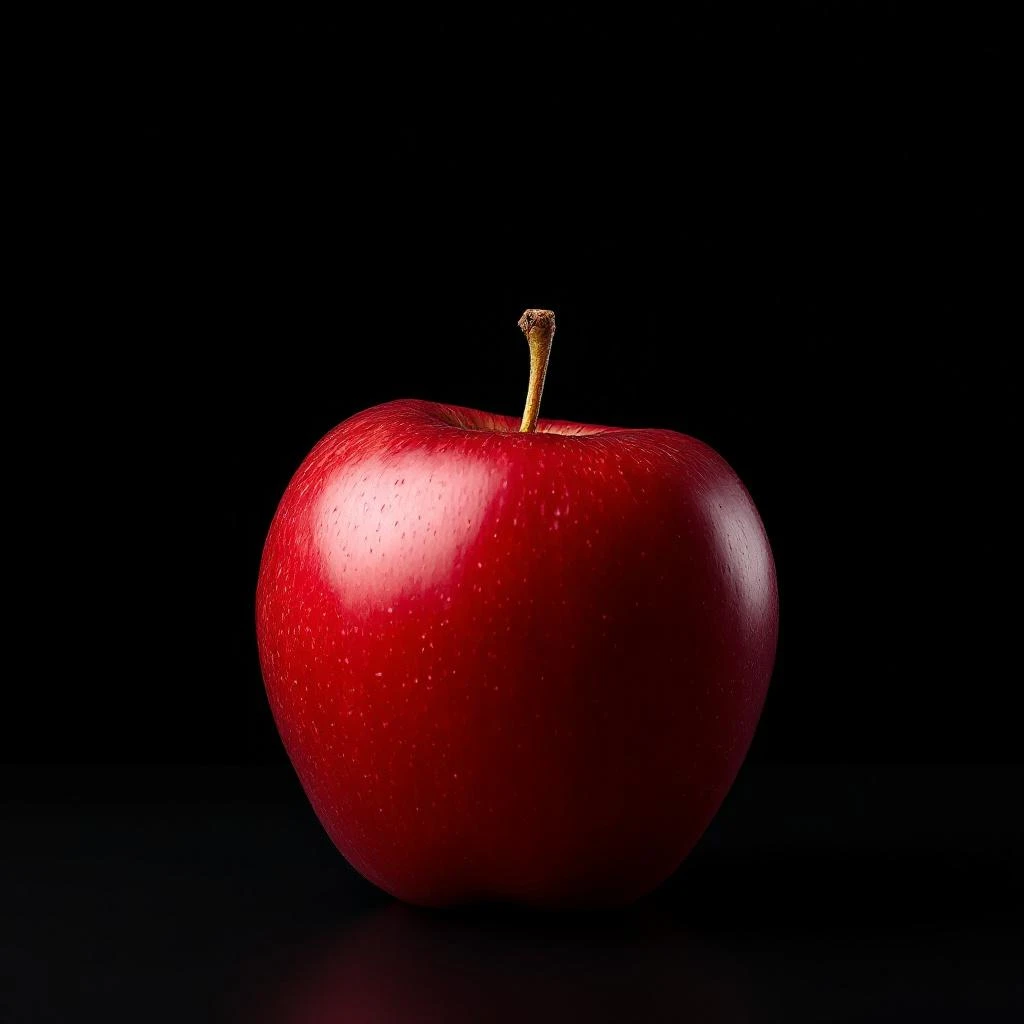
Star Apple
Star Apple (Chrysophyllum cainito) is an exotic tropical fruit with a silky-sweet, milky pulp that has enchanted palates across the Americas for centuries. Its delicate lavender-cream interior inspired perfumers to capture its creamy, lactonic sweetness in fragrance form, bringing island warmth to scent compositions.
Character
How it smells
Tropical creamy sweetness with milky, lavender-inflected warmth.
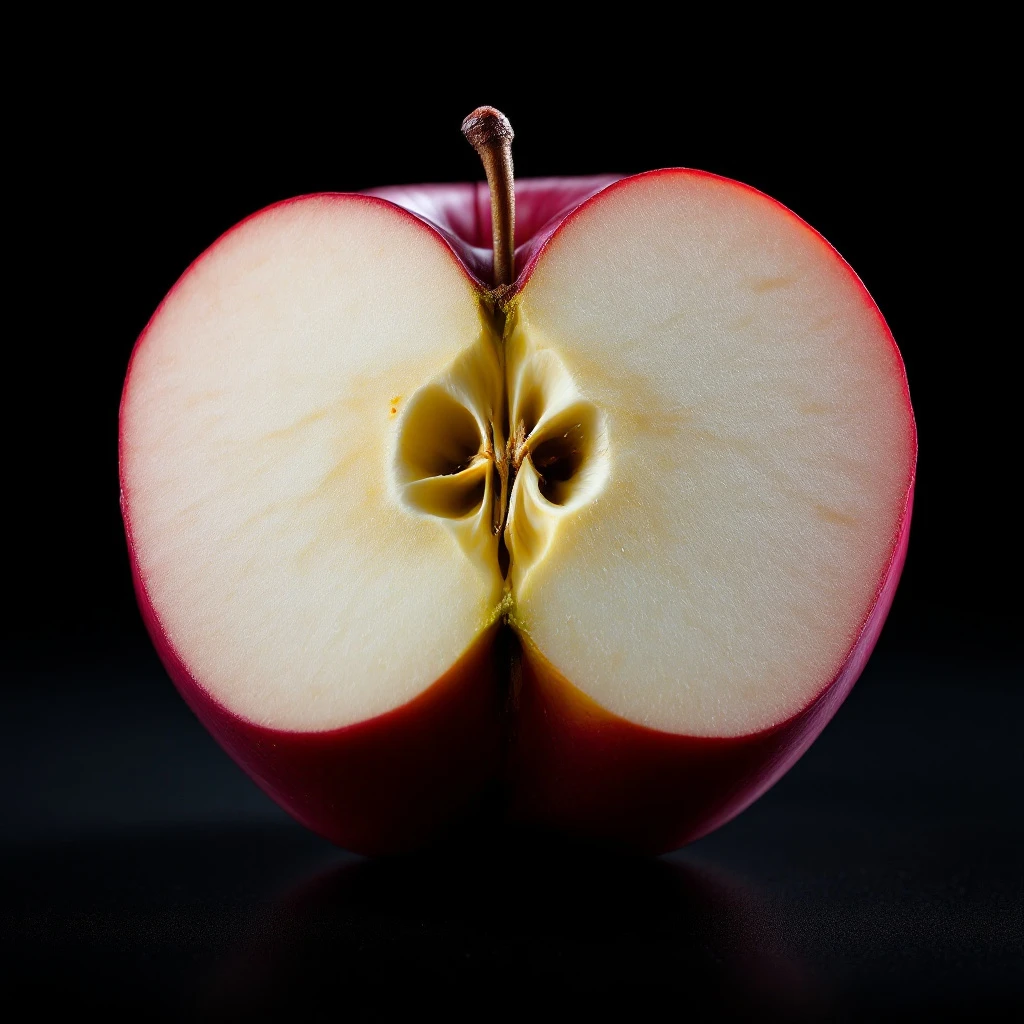
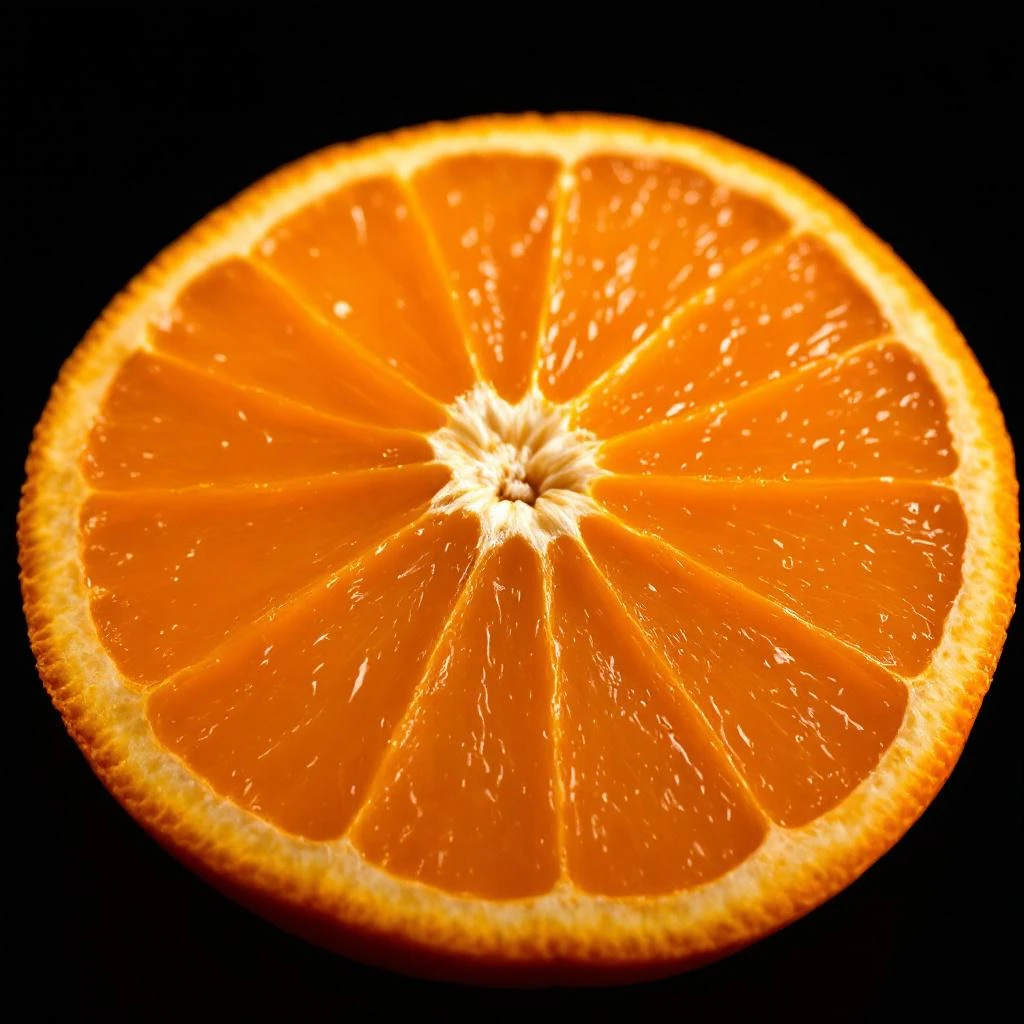
When sliced open, a star apple reveals a perfect star pattern, hence its name and visual appeal on tropical market stalls.


Origin
Peru
Chrysophyllum cainito earned its dramatic common name from the unmistakable star shape revealed when sliced crosswise, a characteristic that made it a curiosity among European explorers. Spanish chronicler Cieza de Leon documented the fruit growing in Peru during his expeditions between 1532 and 1550, though the species likely originated in Caribbean and Central American forests.
The fruit held sacred significance among Taíno peoples in Hispaniola, where it was considered a gift from spirits. Haitian legends speak of the fruit as a symbol of protection, while Caribbean folk medicine traditions used its latex-rich bark for soothing applications.
Spanish colonizers spread the cultivation throughout tropical colonies, and the plant eventually reached the Philippines and other regions via Manila galleon trade routes. Today, star apple remains a cherished seasonal treasure in traditional markets from Haiti to Vietnam, though its fleeting fresh availability has made its aromatic essence a rare and prized capture in perfumery.
Wears it best
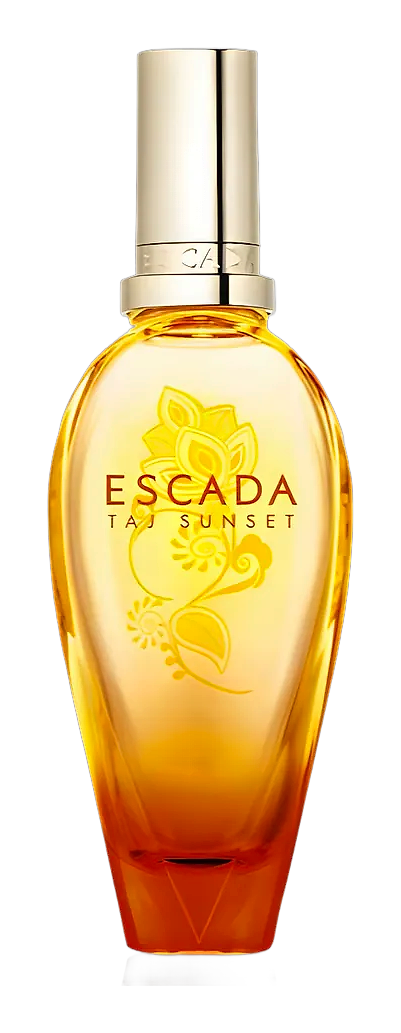
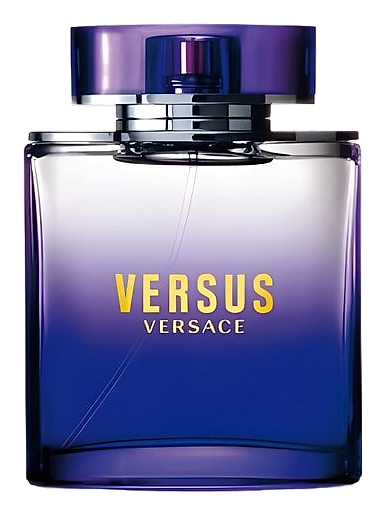
Fragrances featuring Star Apple
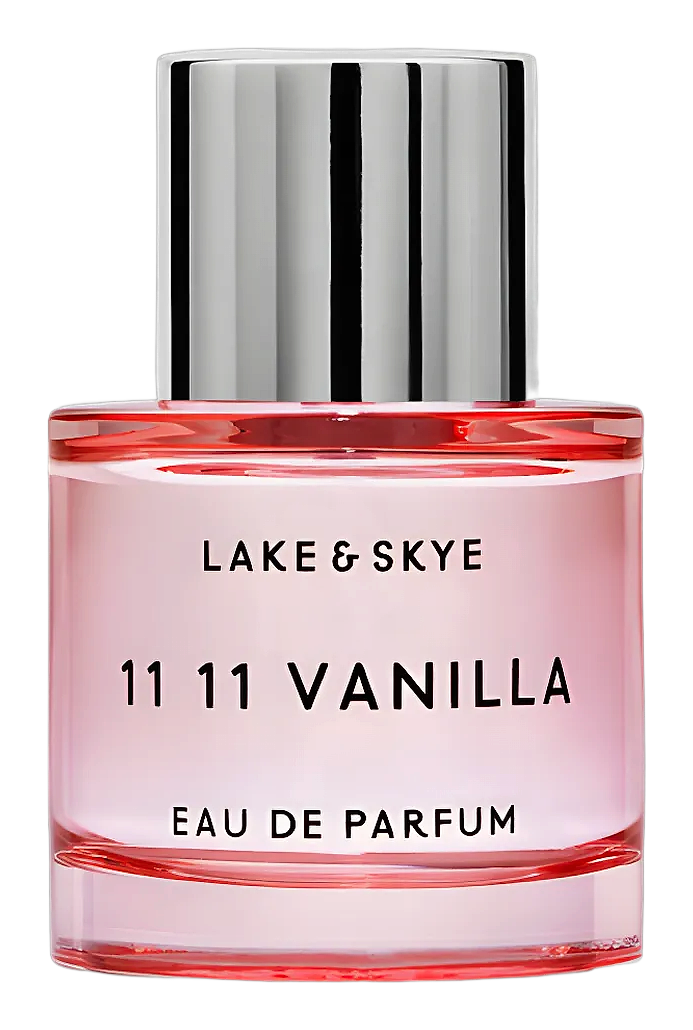

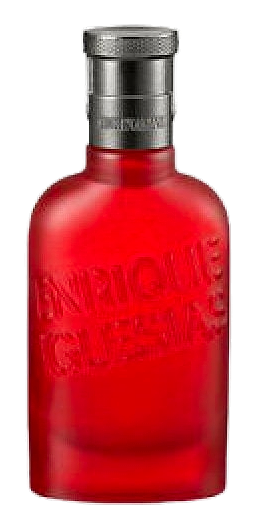
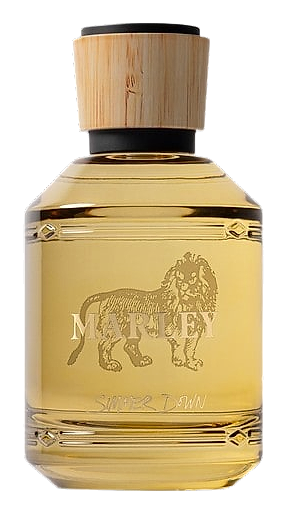
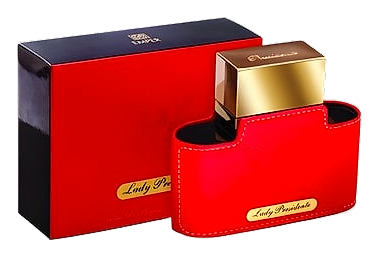
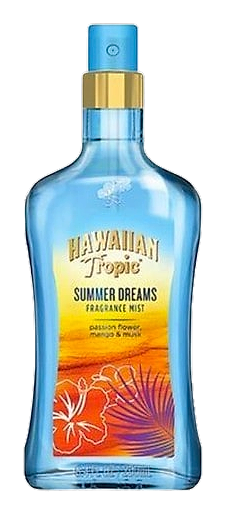
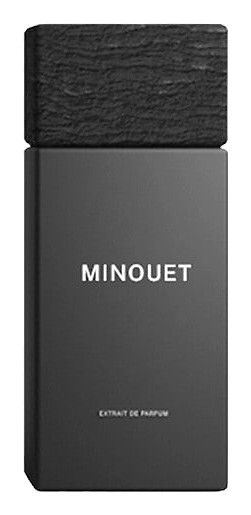
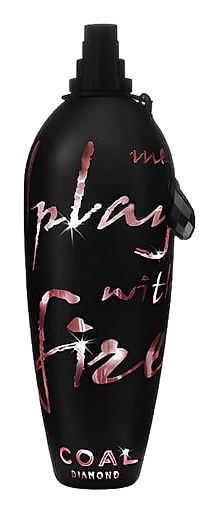
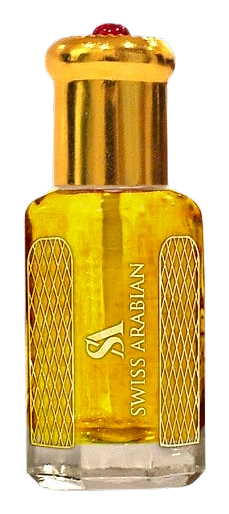
Brands
Brands known for Star Apple
Good to know
Questions, answered
The essentials on Star Apple in perfumery: how it smells, where it comes from, and how it behaves on skin.
Is Star Apple a common perfumery ingredient?
Star apple ranks among the rarer fragrance materials. While not a mainstream perfumery ingredient, natural extracts and aromatic reconstitutions exist for niche fragrance houses seeking tropical, creamy fruit notes.
What does Star Apple smell like in fragrance?
The fruit delivers a creamy, lactonic sweetness reminiscent of coconut flesh blended with white grape and subtle lychee. Its aromatic profile carries delicate floral undertones with a soft, milky warmth that reads as comforting and tropical.
Where is Star Apple cultivated for perfumery use?
Chrysophyllum cainito grows in tropical regions across Central America, the Caribbean, northern South America, and Southeast Asia. Peru, Haiti, and Vietnam rank among key cultivating regions where trees are organically tended for fruit production.
How do perfumers preserve Star Apple's delicate aroma?
Cold processing methods protect the fragile aromatic compounds in star apple. Enfleurage and CO2 extraction gentle capture the fruit's sweet, milky profile without the heat degradation that steam distillation would cause.
Does synthetic Star Apple fragrance exist?
Synthetics can approximate Star Apple's lactonic, creamy character. Tra Synthetic chemicals like delta-decalactone and gamma-nonalactone recreate the milk-like sweetness that defines star apple's olfactory signature in fragrance compositions.
What fragrance families pair with Star Apple?
Star Apple fits naturally into tropical, fruity, and lactonic fragrance families while complementing white floral, coconut, and vanillic compositions. Its subtle fruitiness works with tropical accords like mango, lychee, and frangipani.
Is Star Apple safe for skin application in fragrances?
When properly extracted and diluted, Star Apple materials conform to IFRA standards for cosmetic use. Specific safety assessments depend on the extraction method and concentration used in the final fragrance formulation.
What other names does Star Apple go by?
Chrysophyllum cainito bears several common names including Cainito, Caimito, Milk Fruit, and Starfruit (though distinct from Averrhoa carambola). The confusion arises from casual marketing rather than botanical fact.