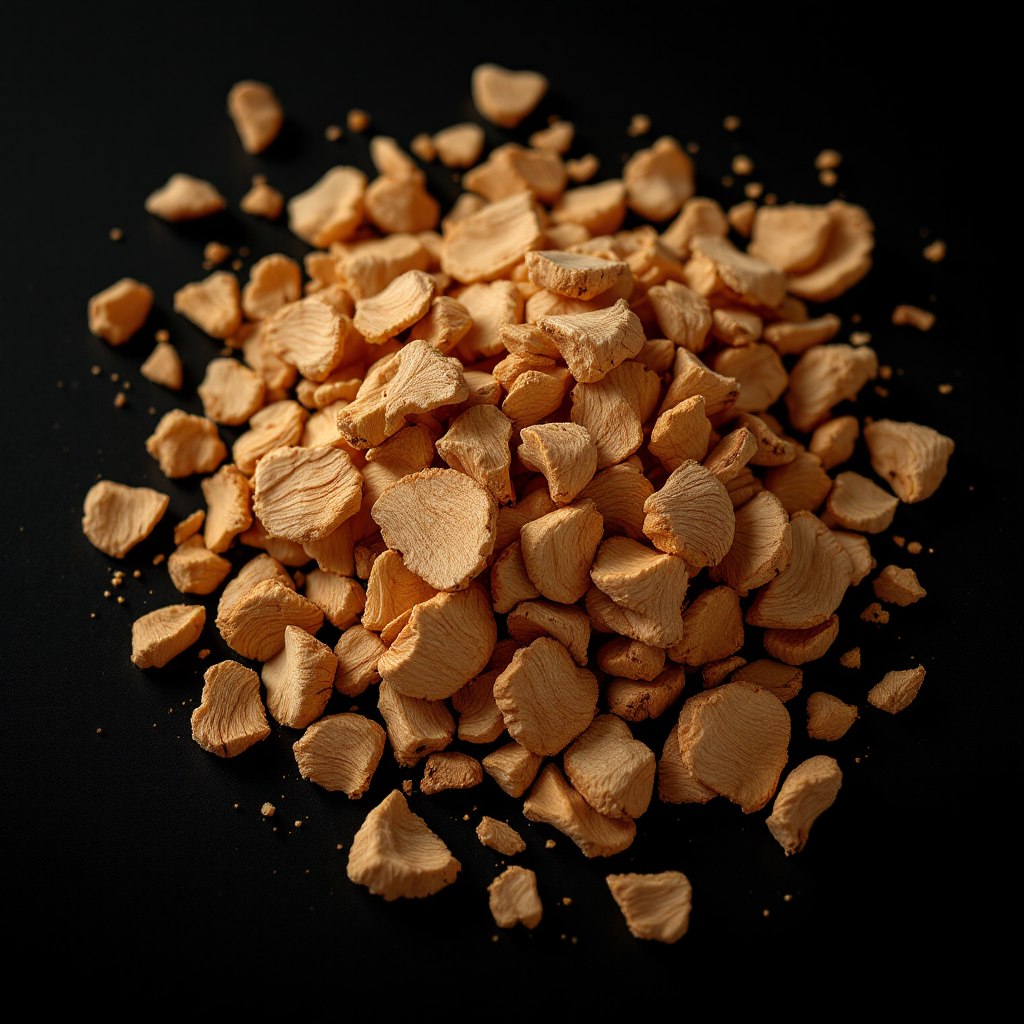
Spruce Needle
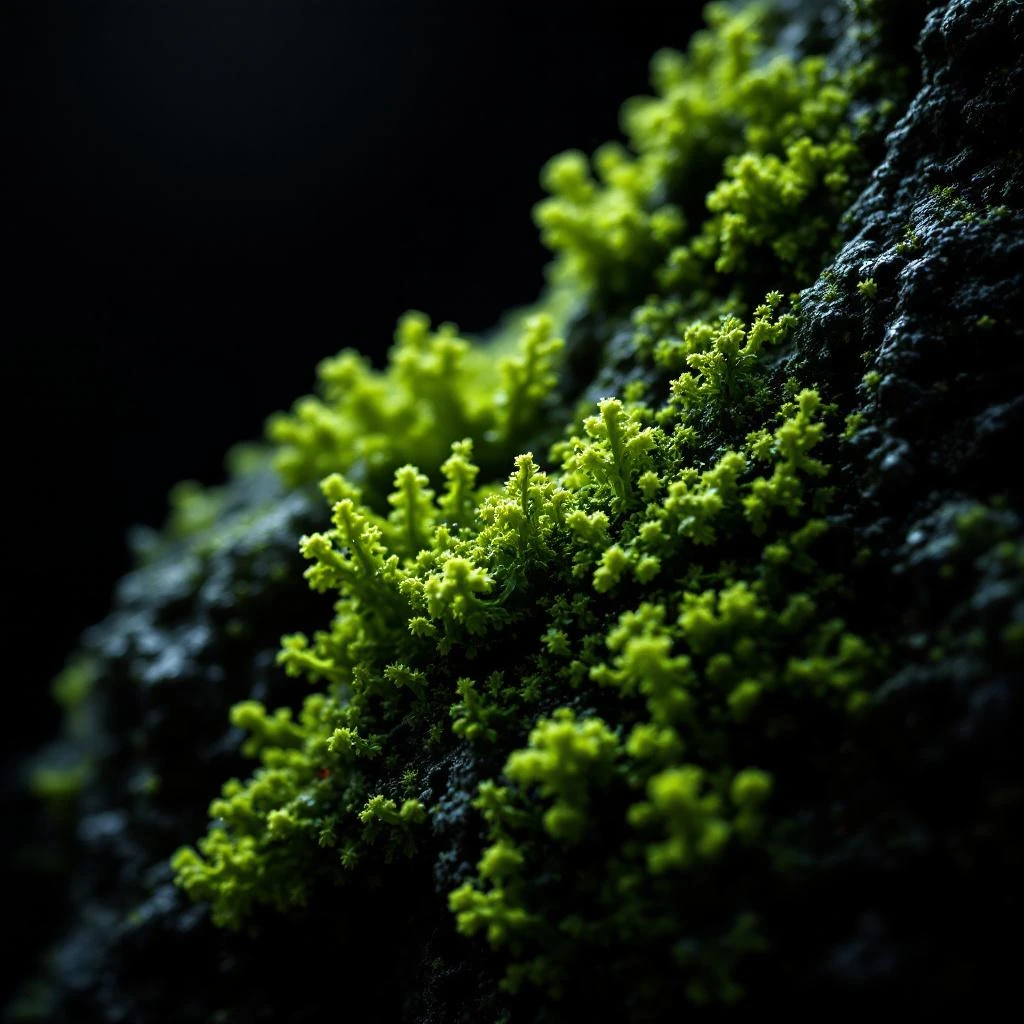
Fresh, coniferous, and unmistakably forest-green. Spruce needle delivers crisp piney top notes softened by subtle citrus and resinous warmth. A cornerstone of masculine and winter fragrance, it grounds compositions with the clean, outdoor clarity of boreal air.
Character
How it smells
Boreal clarity, bottled.
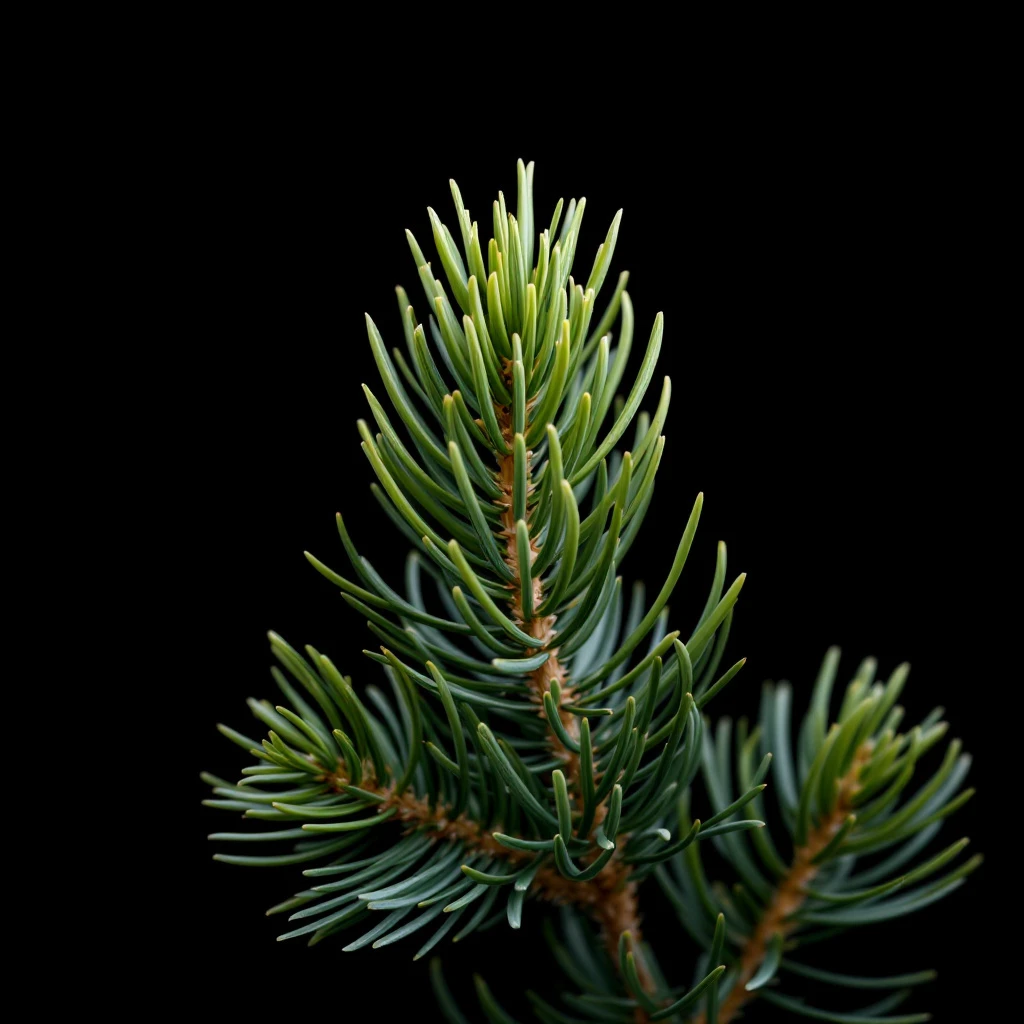
Black spruce releases its strongest scent compounds during summer months, when essential oil content in the needles peaks at its highest concentration of the year.





Origin
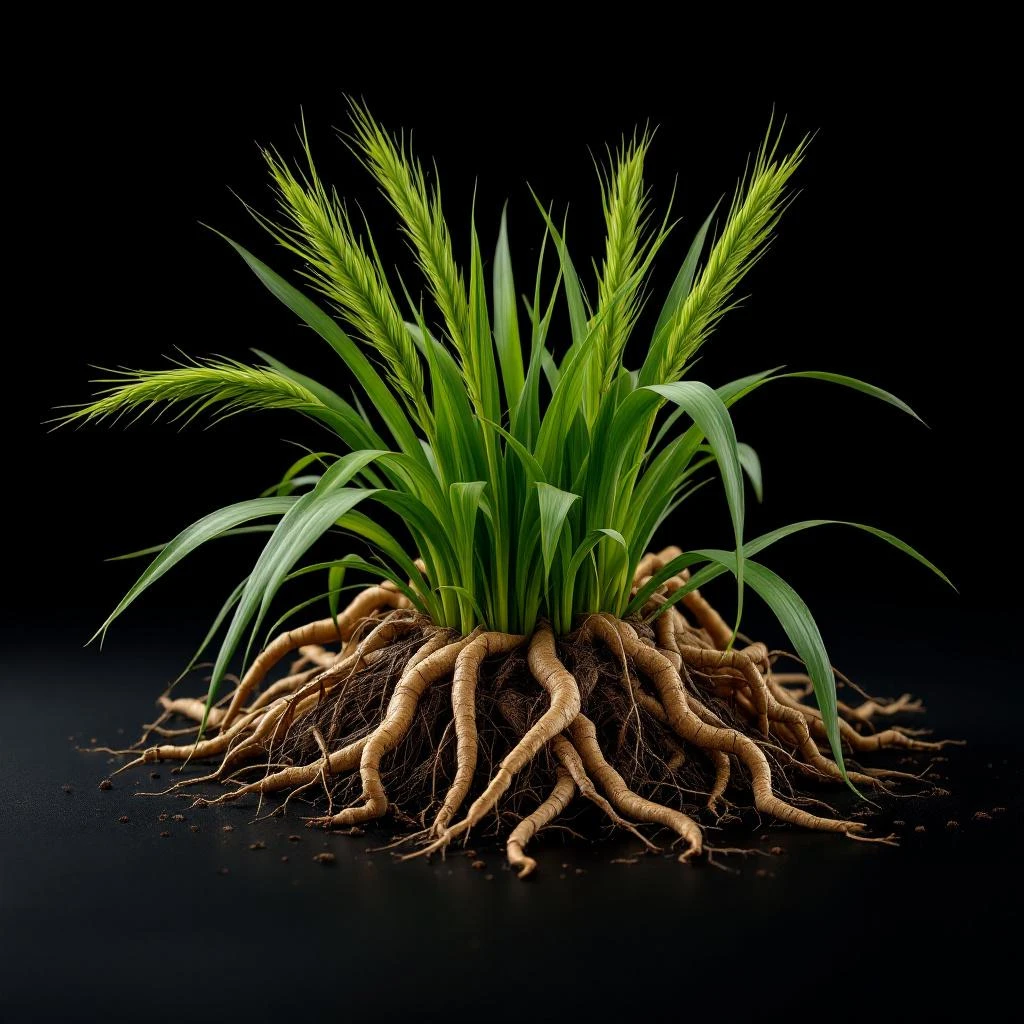
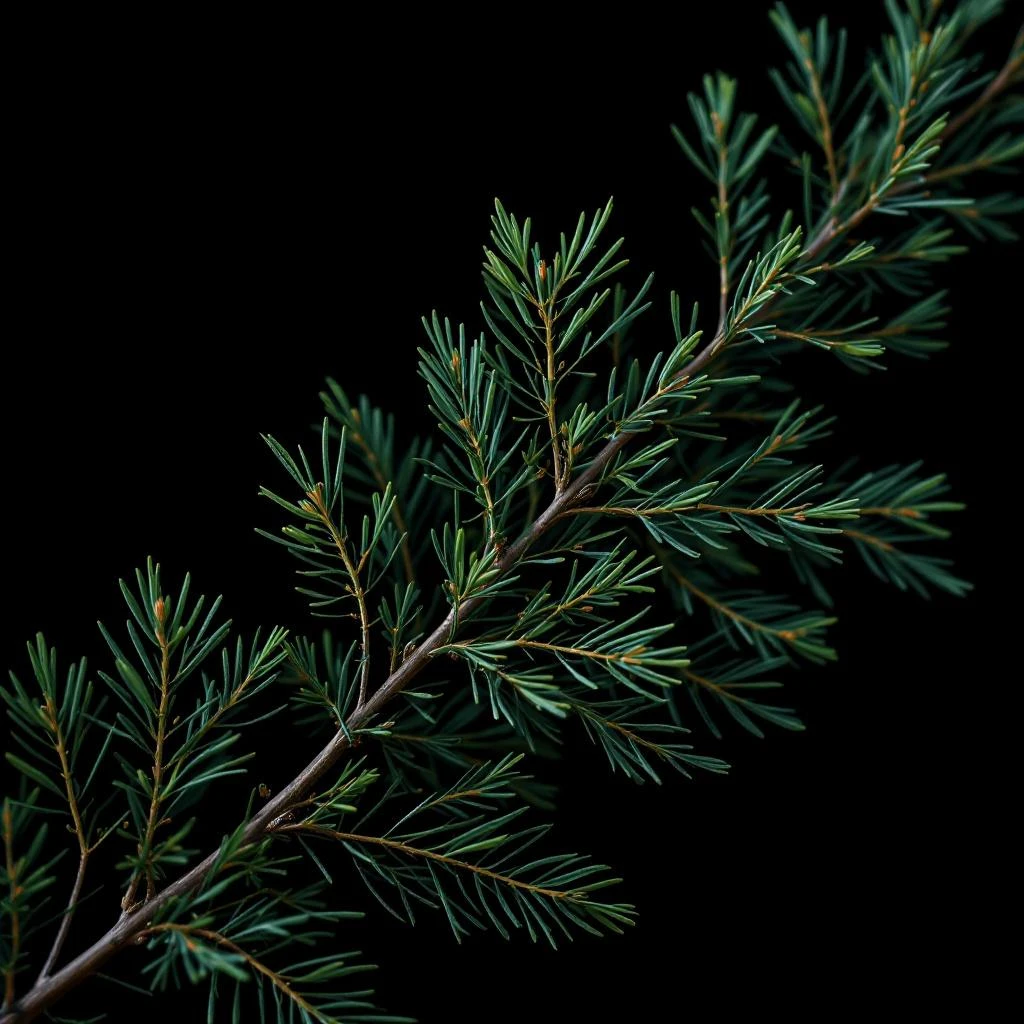
Canada
Spruce holds deep roots in the olfactory traditions of northern peoples. Indigenous communities across Canada and Scandinavia used spruce needles in ceremonial smudging, medicinal steam baths, and respiratory remedies for centuries before the oil found its way into Western perfumery.
European forest cultures incorporated spruce tips into beverages and tonics, valuing its sharp, clearing scent as a symbol of vitality and endurance through harsh winters. When modern perfumery emerged in the 19th century, conifer-derived materials became essential building blocks for chypre and fougère families, lending structure and virility to masculine compositions.
Spruce needle oil offered a cleaner, more nuanced profile than the heavier resins of southern trees, appealing to perfumers seeking evergreen authenticity without excess turpentine. Today it appears across masculine colognes, winter seasonal releases, and aromatic fragrances seeking genuine forest atmosphere.
Wears it best
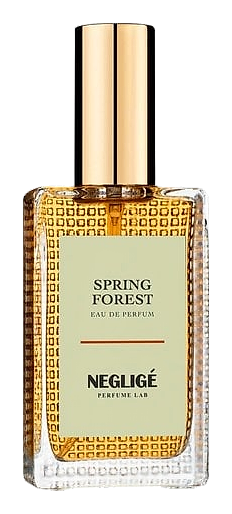
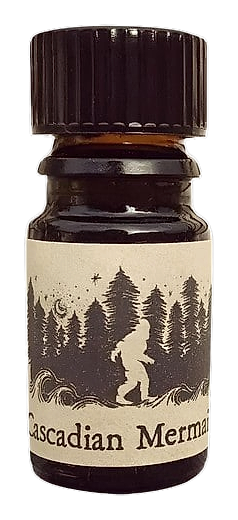
Fragrances featuring Spruce Needle
Brands
Brands known for Spruce Needle
Good to know
Questions, answered
The essentials on Spruce Needle in perfumery: how it smells, where it comes from, and how it behaves on skin.
What does spruce needle smell like?
Spruce needle opens with a sharp, fresh, coniferous character and dry piney top notes. Underneath lies a subtle citrus brightness and a warm, balsamic, slightly resinous depth. It reads as clean outdoor air from a northern forest, not turpentine or harsh.
What fragrances pair well with spruce needle?
Spruce needle blends naturally with other conifers like fir and cedar, citrus oils such as bergamot and lemon, herbal notes like lavender and clary sage, and warm base materials including amber and labdanum. It adds evergreen depth to masculine and aromatic compositions.
Is spruce needle oil natural or synthetic?
Spruce needle oil in perfumery is almost always naturally derived through steam distillation. Some laboratories produce synthetic analogues that mimic specific isolated compounds from spruce, but these serve a different function than the full-complexity natural oil.
Which countries produce spruce needle oil?
Canada, particularly the boreal forests of Quebec and Ontario, is the primary source for Black Spruce oil used in perfumery. Norway, Sweden, and Finland also produce significant quantities of Norway Spruce oil, especially through Scandinavian specialty producers.
What is the difference between spruce and pine in fragrance?
Spruce needle oil tends toward a drier, cleaner coniferous note with subtle citrus and balsamic undertones. Pine oil is sharper, more turpentine-like, and carries a pronounced resiny quality. Spruce is generally considered more refined and less aggressive in fine fragrance applications.
When do perfumers most commonly use spruce needle?
Spruce needle appears most frequently in autumn and winter fragrances, where its evergreen character matches seasonal mood. It also features in year-round masculine and aromatic fragrances seeking a crisp, natural, outdoor quality in the top and heart notes.
Does spruce needle have any traditional uses beyond perfumery?
Historically, spruce needles were used by Indigenous peoples across northern North America and Scandinavia in steam inhalation rituals and medicinal preparations for respiratory support. Spruce tip beverages and flavourings also have centuries of culinary tradition in Scandinavia.
Can spruce needle oil be used in skincare or home fragrances?
Diluted spruce needle oil is used in some natural skincare and aromatherapy formulations for its reputed toning and clarifying properties. In home fragrance, it is popular in candles and diffusers for its fresh, forest-like atmosphere. Always use appropriately diluted in topical applications.