Cape gooseberry
Physalis peruviana yields a tart, golden fruit that captures warm sunshine and summer's edge. Cape gooseberry brings an unexpected brightness to perfumery, its tropical freshness standing apart from more common fruit notes.
Character
How it smells
Tropical tartness captured in a papery husk.
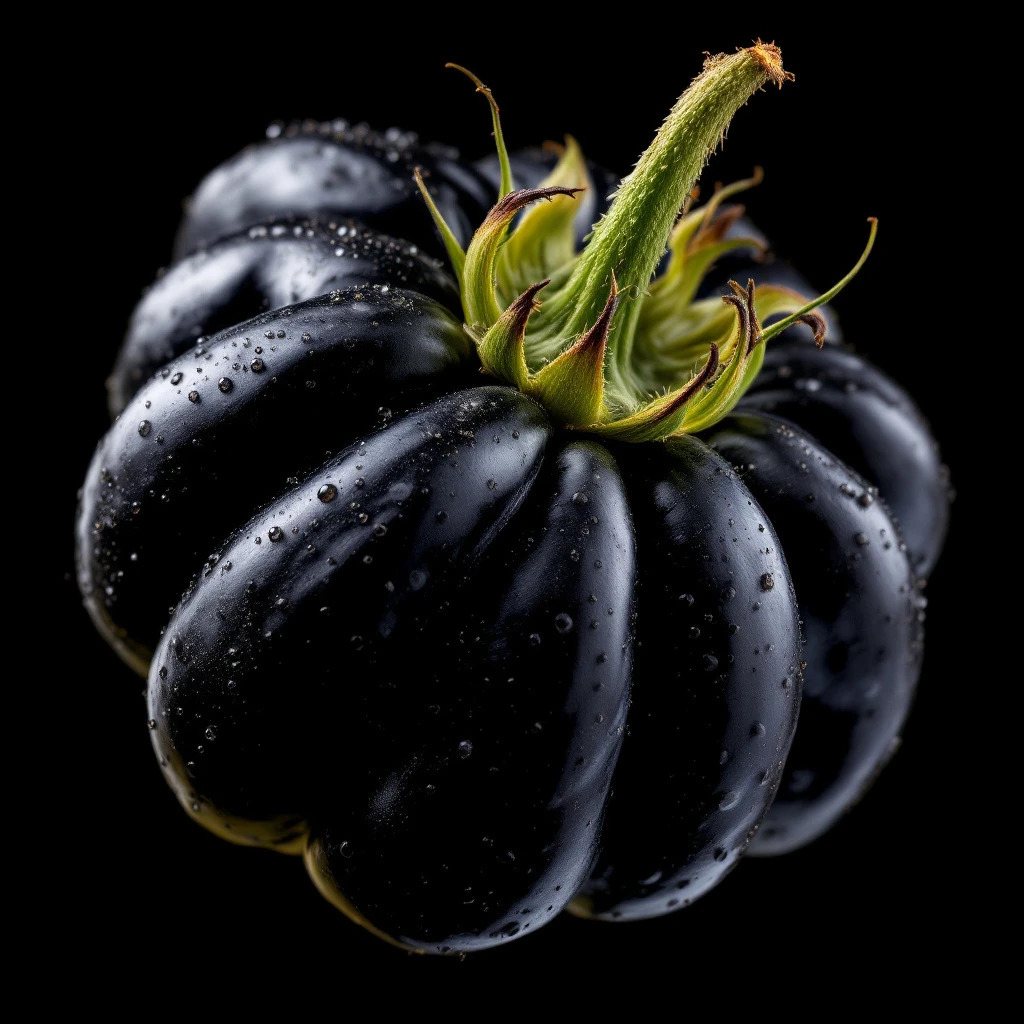
Each cape gooseberry fruit grows inside a papery lantern-like husk (called a calyx) that develops before the fruit itself, making the orange berry look like it hangs inside a tiny paper lantern.







Origin
Peru
Cape gooseberry originated in the Andes mountains of Peru, where indigenous peoples cultivated the plant for centuries before European colonization spread it worldwide. Spanish explorers brought the fruit to Europe from Peru in the 17th century, and it subsequently traveled to South Africa, Australia, and other tropical regions.
The plant earned its common name from the Cape of Good Hope, where it became naturalized and gained commercial importance. Within perfumery, cape gooseberry emerged as a recognized ingredient more recently, with Bulgarian cultivation and production establishing it as a traditional fragrance material.
Research published on resinoid extraction from cape gooseberry fruit in Bulgaria documented its use as a traditional fragrance ingredient in perfumery and cosmetics. The ingredient bridges ancient South American cultivation with modern aromatic applications.
Wears it best
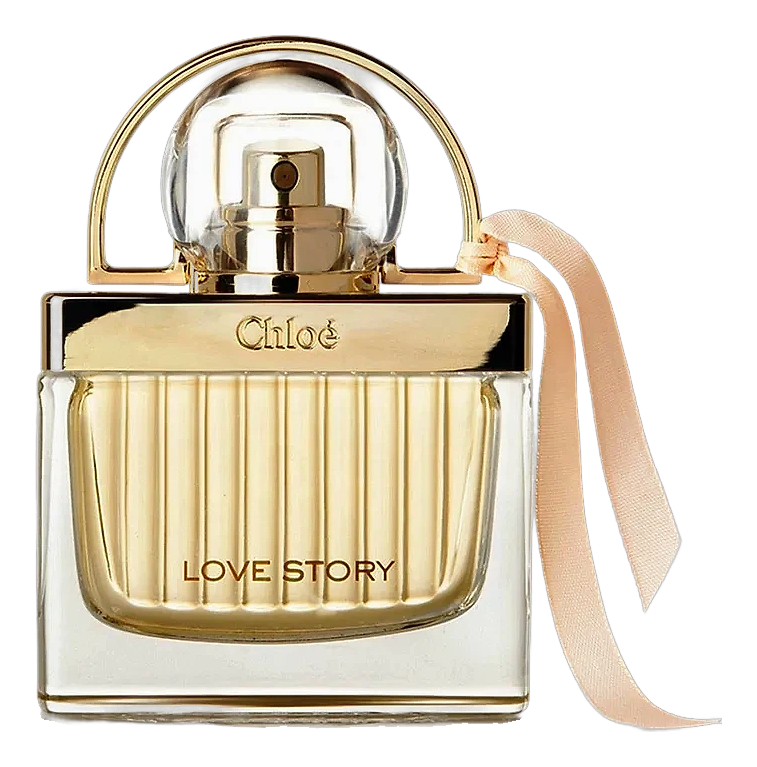
Fragrances featuring Cape gooseberry
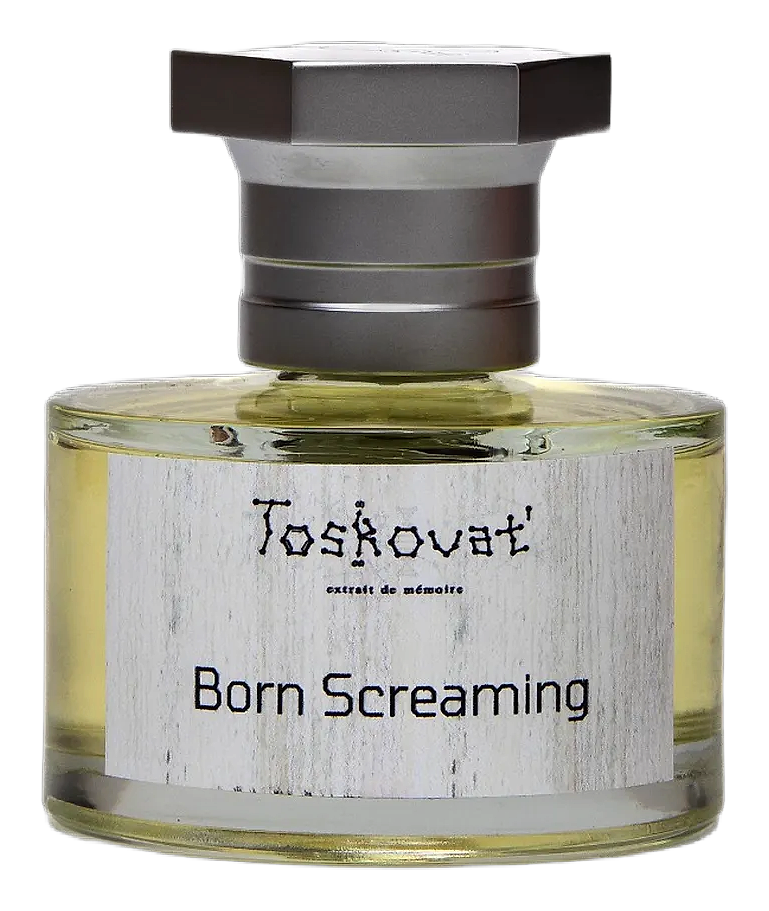
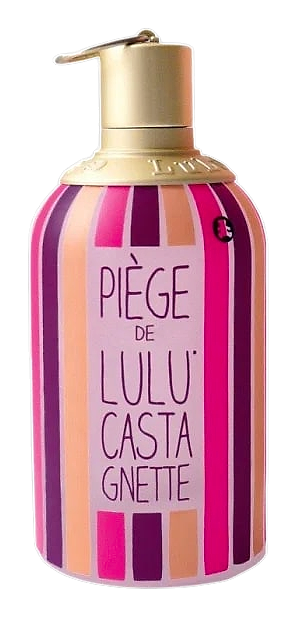
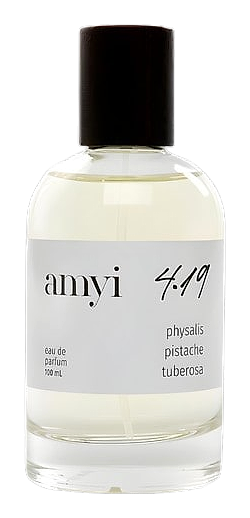
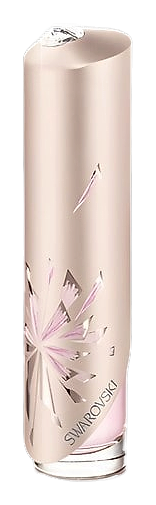
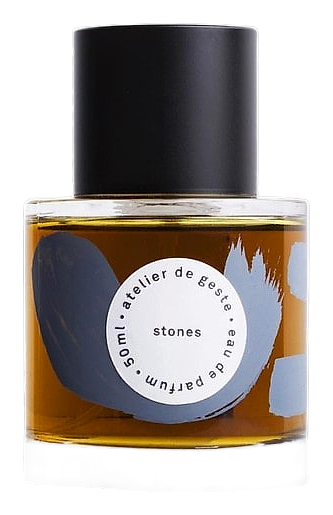
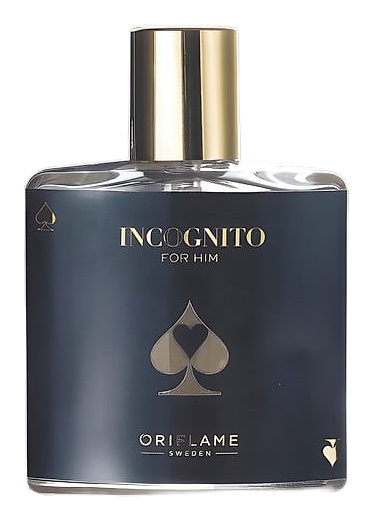
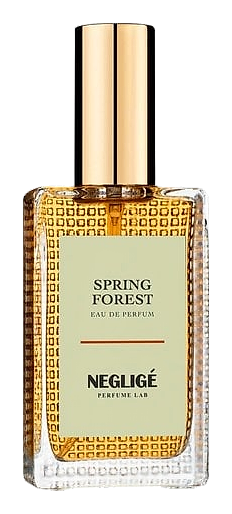
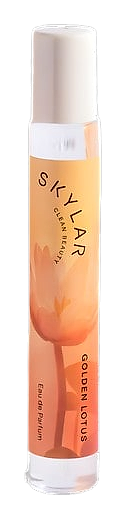
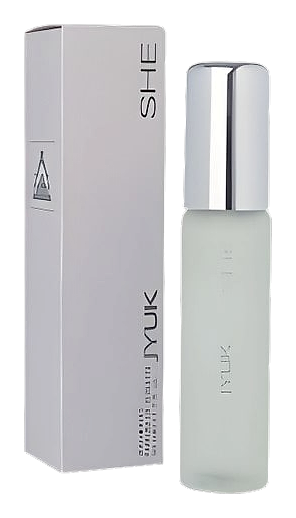


Brands
Brands known for Cape gooseberry
Good to know
Questions, answered
The essentials on Cape gooseberry in perfumery: how it smells, where it comes from, and how it behaves on skin.
What does cape gooseberry smell like in fragrance?
Cape gooseberry offers a tart, slightly sweet fruitiness with green undertones. The scent resembles a combination of unripe berry and tropical citrus, adding brightness and lift to fragrance compositions.
Is cape gooseberry used in natural perfumery?
Yes, cape gooseberry (Physalis peruviana) qualifies as a natural perfumery ingredient. The fruit of this plant yields a resinoid extract that perfumers use in traditional perfumery and cosmetics.
Where does cape gooseberry grow originally?
Cape gooseberry originates from the Andes region of Peru, where indigenous peoples cultivated it for centuries. The plant has since naturalized across tropical and subtropical zones worldwide, with Bulgarian production specifically noted for perfumery use.
Which part of the plant becomes a fragrance ingredient?
Perfumers extract the aromatic material from the ripe fruit of cape gooseberry. Research documents resinoid extraction specifically from Physalis peruviana fruit for use in fragrance and cosmetic formulations.
How do producers extract fragrance from cape gooseberry?
Solvent extraction yields the resinoid from cape gooseberry fruit. Bulgarian production methods, documented in perfumery research, establish the traditional extraction approach for this ingredient.
What fragrances contain cape gooseberry notes?
Cape gooseberry appears in fruity and green fragrance compositions as a top or heart note. Specific fragrance formulations vary by brand, and perfumers incorporate the ingredient for its distinctive tart-fruity character.
What makes cape gooseberry distinctive among fruit notes?
The plant's unique growing habit creates the distinctive character. Each fruit develops inside a protective papery calyx, giving the extract a brightness and complexity that sets it apart from common berry or citrus materials.
Does cape gooseberry have synthetic alternatives?
Natural cape gooseberry resinoid differs from synthetic aroma chemicals. Perfumers may create synthetic approximations, but the natural extract from Physalis peruviana fruit remains a distinct material sourced from cultivation.