South Indian Rose
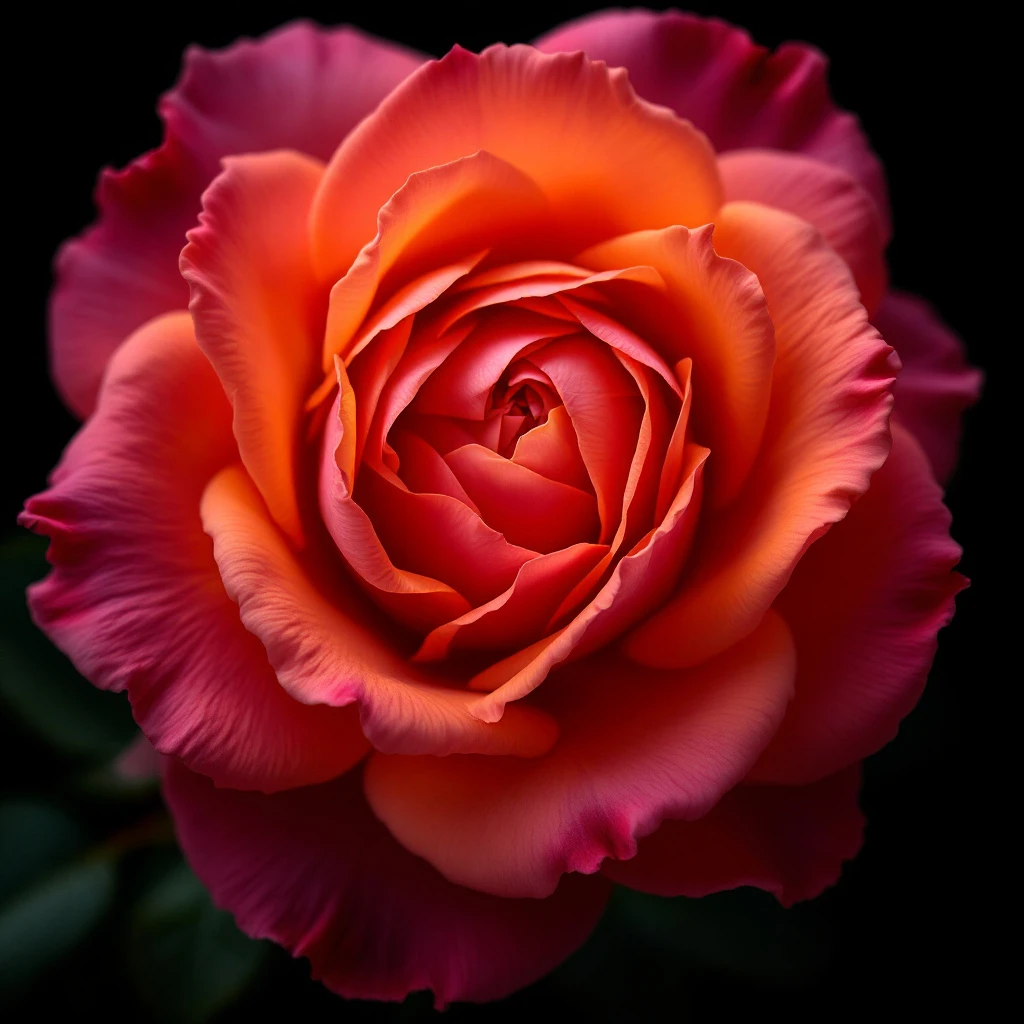
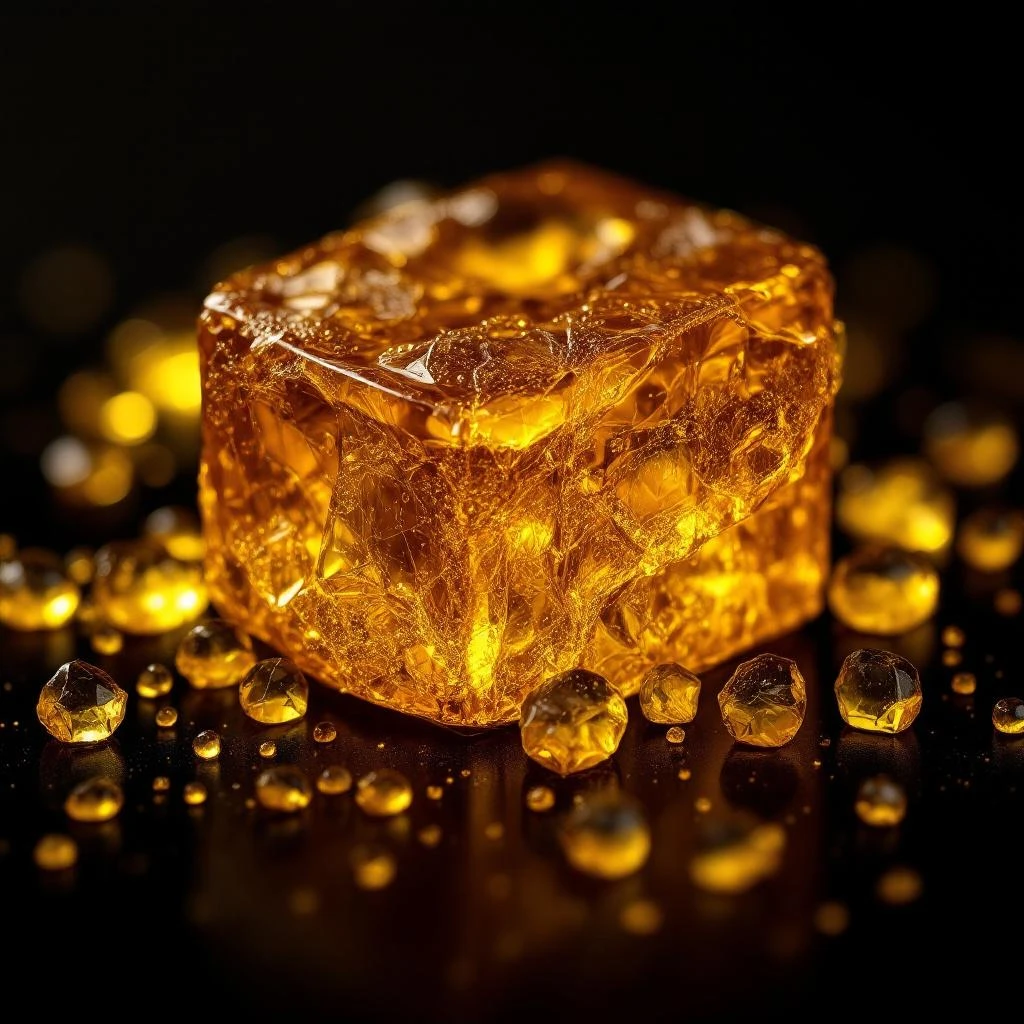
Harvested from the sun-drenched fields of South India, this rose carries a warmer, honeyed depth distinct from its Bulgarian or Turkish cousins. Steam-distilled from freshly picked petals, it offers a rich, unmistakably Indian floral character for fragrance compositions.
Character
How it smells
Golden petals, Southern sun, Indian soul.
Indian rose fields yield petals for only a brief three-week window each year. Harvesters begin work before sunrise, when the aromatic oils within the petals are at their peak concentration.




Origin
India
The rose has been cultivated and celebrated in the Indian subcontinent for over three thousand years, with the earliest references appearing in ancient Sanskrit medical texts. Persian traders and Mughal emperors elevated Indian rose cultivation to an art form, establishing extensive gardens and refining extraction techniques that persist today.
South India developed its own distinct rose varieties suited to the warmer, more humid climate of the Mysore plateau and surrounding regions. The rose holds deep cultural significance in Indian tradition, appearing in religious ceremonies, Ayurvedic medicine, and the creation of traditional attars.
Karnataka's rose-growing regions supplied fragrant materials for the courts of Hampi and Mysore, where perfumers developed unique profiles reflecting local terroir. This centuries-old tradition continues in modern fragrance production, connecting contemporary perfumers to ancient Indian craft.
Wears it best
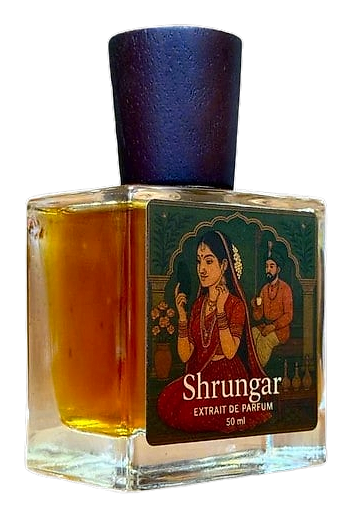
Fragrances featuring South Indian Rose
Brands
Brands known for South Indian Rose
Good to know
Questions, answered
The essentials on South Indian Rose in perfumery: how it smells, where it comes from, and how it behaves on skin.
What makes South Indian Rose different from Bulgarian or Turkish rose?
South Indian rose carries a warmer, honeyed character shaped by the region's intense sun and humidity. Bulgarian and Turkish roses offer a cooler, fresher floral profile due to their more temperate growing conditions.
How is South Indian rose oil extracted?
Traditional hydro-distillation in copper stills produces the attar. Workers harvest petals by hand during a brief three-week flowering window, then slowly heat the botanical material with water to release the essential oils.
What does South Indian Rose smell like?
The note presents as a rich, warm floral with honeyed undertones and a deeper, more resinous quality than cooler-climate roses. It retains the classic rose character while adding an Indian terroir signature.
Which fragrance families use South Indian Rose?
Perfumers incorporate it in floral, oriental, and chypre compositions. It pairs exceptionally well with sandalwood, jasmine, oud, and vetiver, reflecting traditional Indian perfumery pairings.
Is South Indian rose sustainable?
The concentrated flowering window requires precise timing but supports regional agriculture. Traditional copper stills and manual harvesting maintain low-energy production methods compared to industrial alternatives.
Does South Indian Rose appear in attars?
Yes, it is a cornerstone ingredient in traditional Indian attars. Paired with sandalwood or kewda, it forms the base of numerous classical fragrance preparations rooted in centuries of craft.
Can South Indian Rose replace Damask rose in a formula?
It provides a valid floral anchor but brings different nuances. A perfumer may need to adjust surrounding notes to compensate for the honeyed warmth versus the cooler Bulgarian profile.
What is the historical significance of rose in India?
Ancient Sanskrit texts reference rose cultivation dating back over three millennia. Mughal emperors established extensive rose gardens, and the flower remains central to Indian religious ceremonies, Ayurvedic practices, and traditional perfumery.




