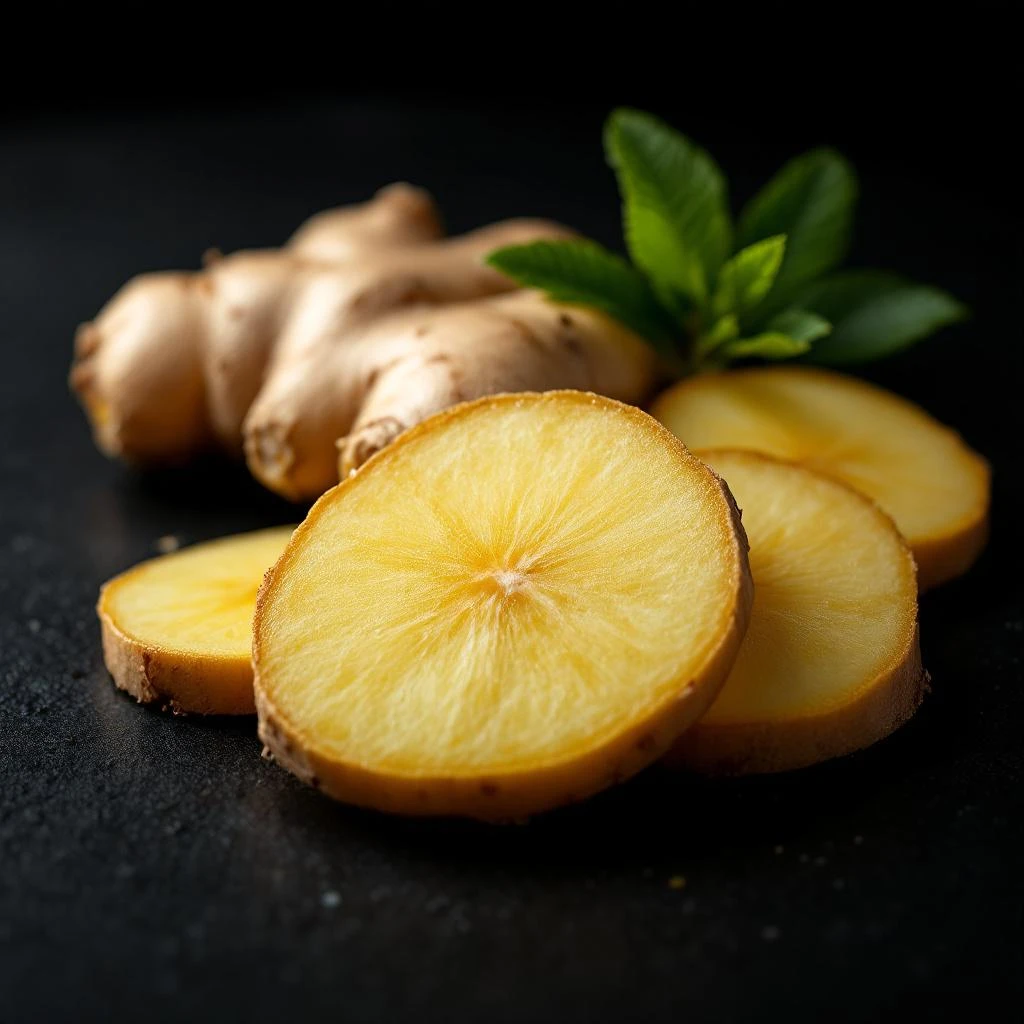
Black cardamom
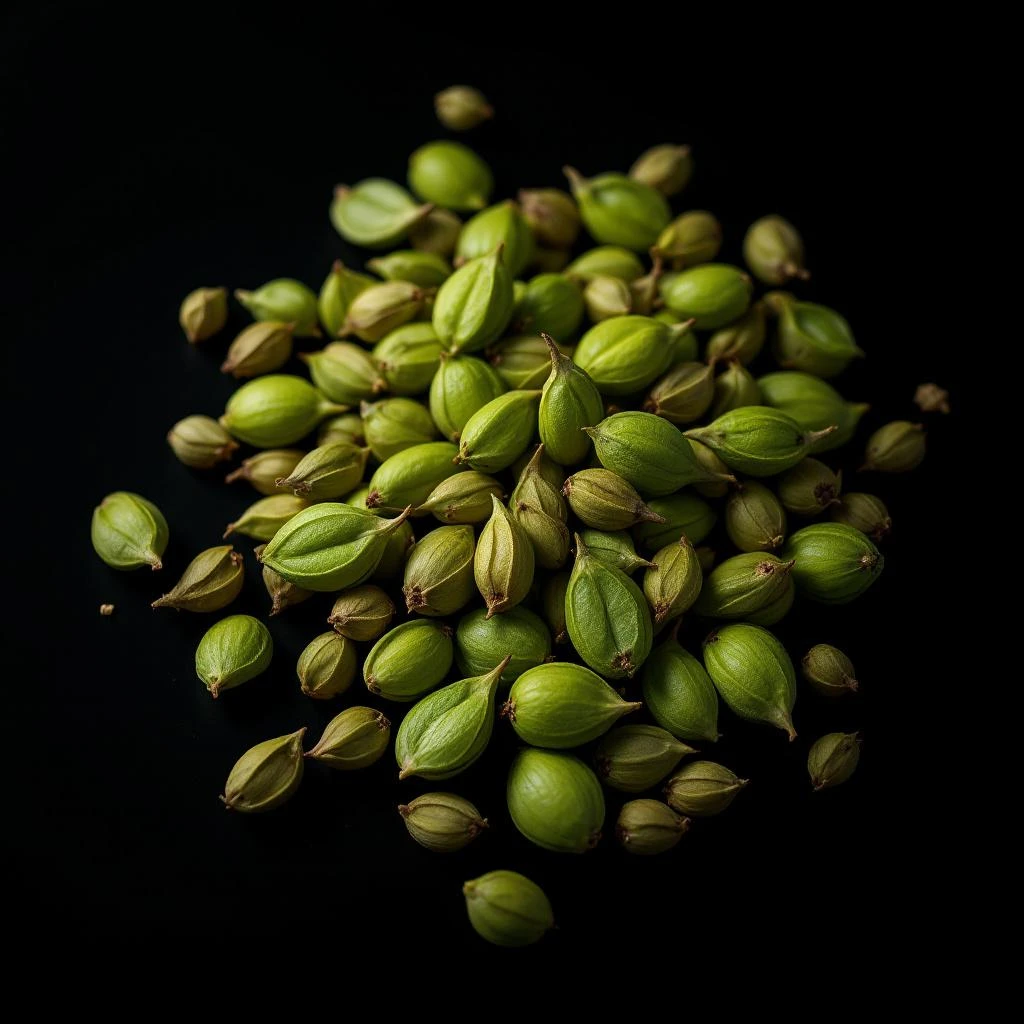
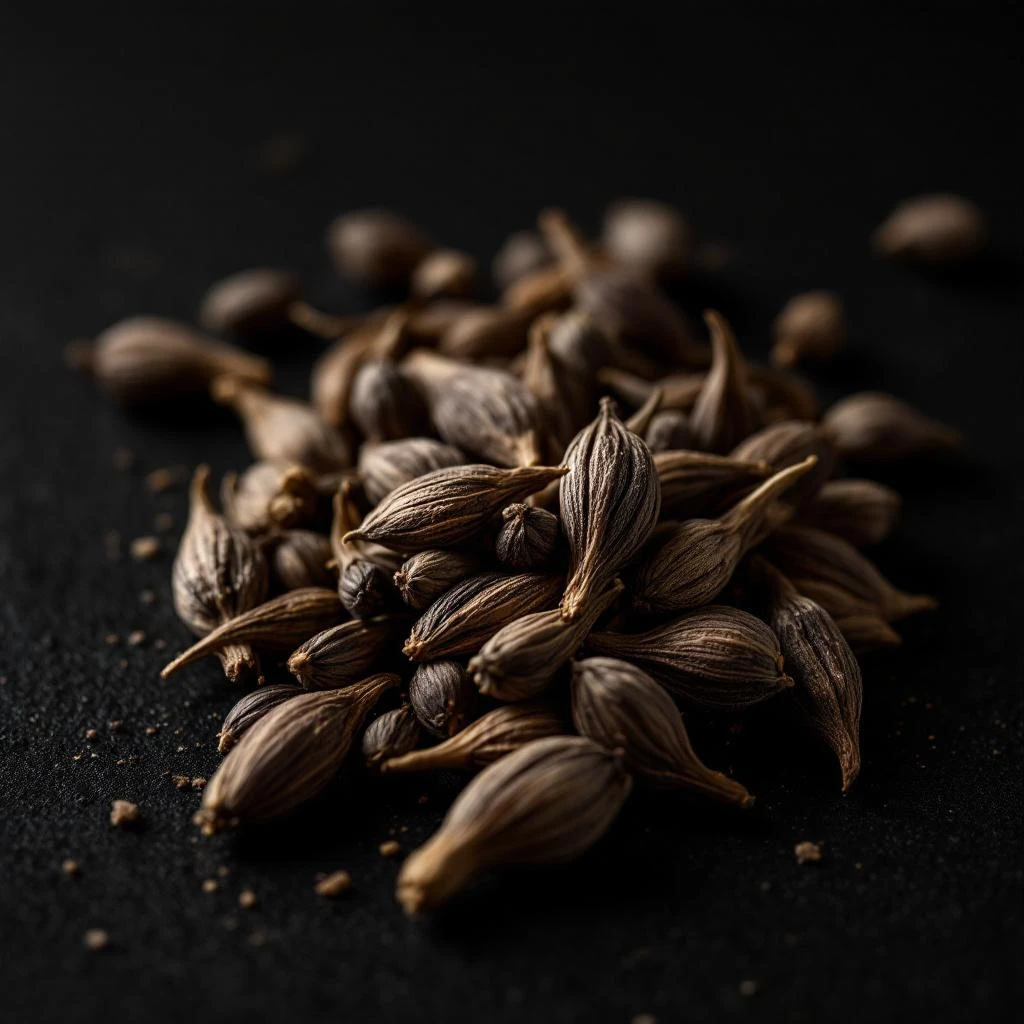
Black cardamom carries a bold, smoky intensity that sets it apart from its green cousin. Smoke-dried under open flame, its pods develop a camphoraceous warmth and deep, resinous character that perfumers use to anchor spicy and oriental compositions with earthy weight.
Character
How it smells
Smoke-dried spice with a rugged, camphorated soul.
Black cardamom comes from a completely different botanical species than green cardamom, and its smoky signature comes from being dried over open wood fires.



Origin
India
While green cardamom has dominated Western perfumery, black cardamom remained largely confined to South Asian and East Asian culinary traditions for centuries. Its origins trace to the Sikkim and Assam regions of northeast India, as well as Bhutan, Nepal, and southwestern China. In Ayurvedic practice, black cardamom appeared in remedies for respiratory and digestive ailments, valued for its warming, camphorated properties.
The spice traveled slowly along overland trade routes, appearing in Tibetan and Chinese markets as a flavouring for meats and teas. It did not attract European attention the way green cardamom did during the spice trade era. Perfumers only began exploring black cardamom as a fragrance ingredient in the late 20th century, as interest in smoky, gourmand, and orientally-structured accords expanded.
Today, niche and artisan perfumers particularly prize its ability to add rawness and depth to amber bases and spicy top notes, making it a quiet but powerful tool in contemporary perfumery.
Wears it best
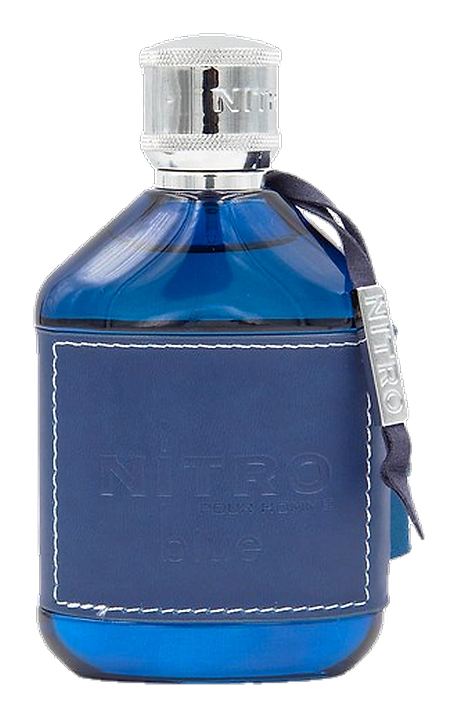
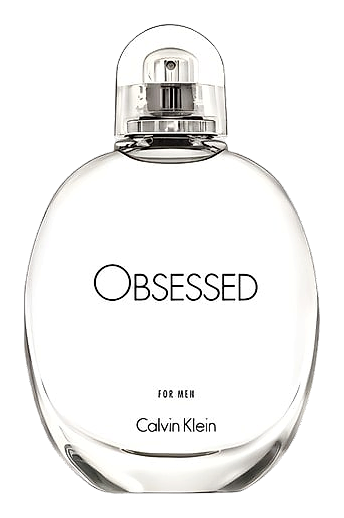
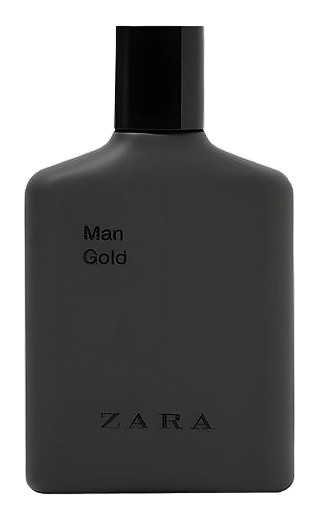
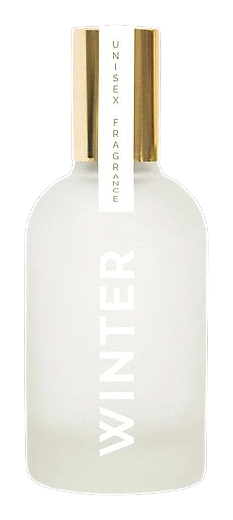
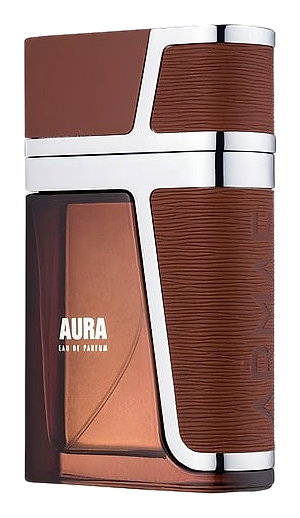
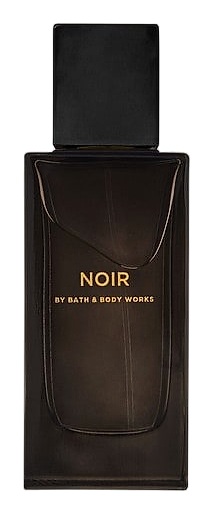
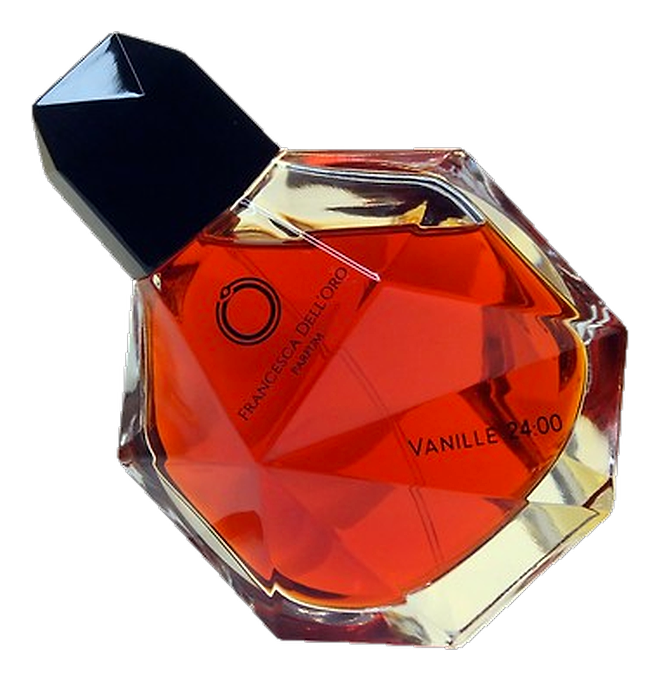
Fragrances featuring Black cardamom
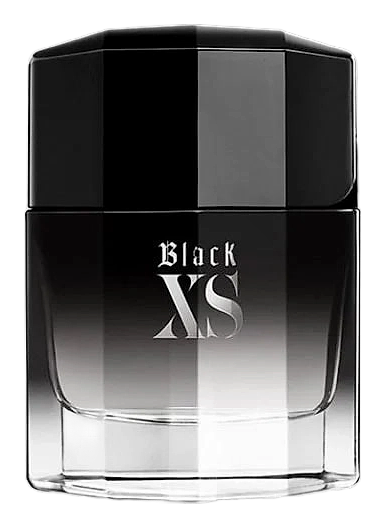
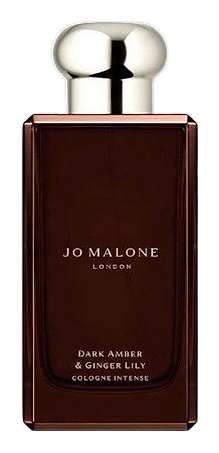
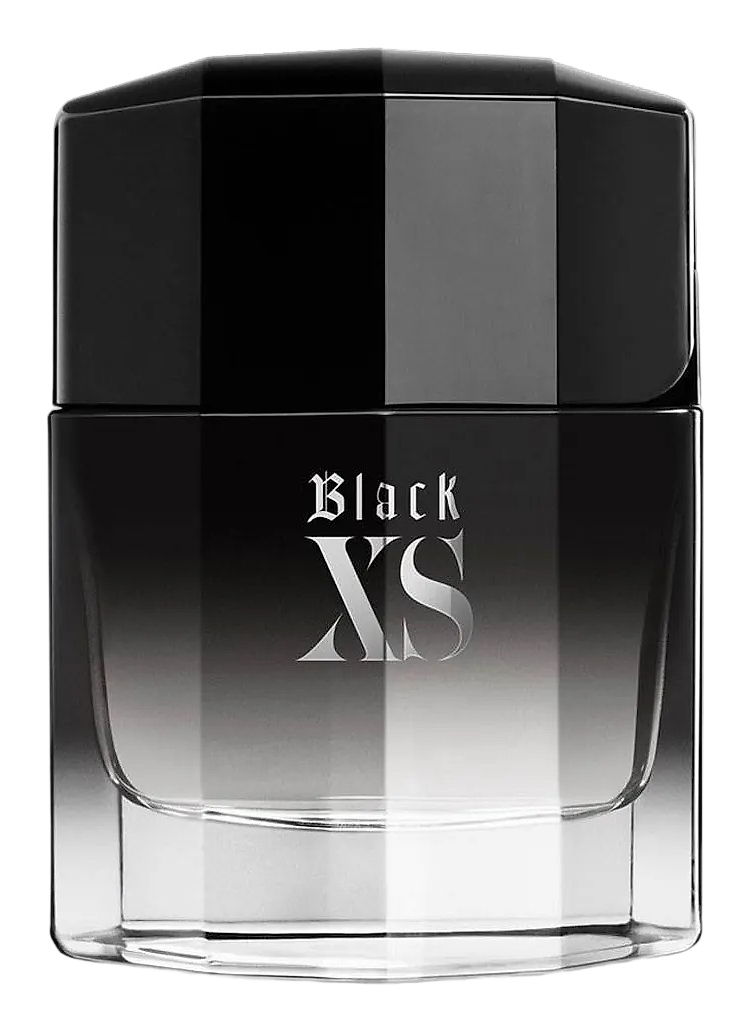
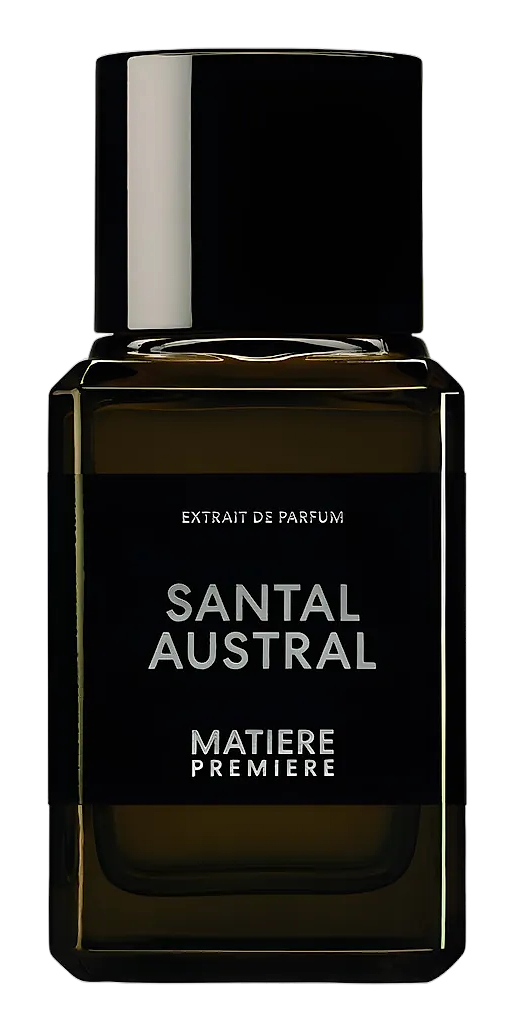

Brands
Brands known for Black cardamom
Good to know
Questions, answered
The essentials on Black cardamom in perfumery: how it smells, where it comes from, and how it behaves on skin.
What does black cardamom smell like in perfume?
Black cardamom delivers a smoky, camphorated warmth with eucalyptine and slightly bitter edges. It lacks the sweet, citrusy top of green cardamom and instead projects a rugged, resinous depth that anchors spicy and oriental fragrance structures.
How is black cardamom oil produced?
Steam distillation of dried black cardamom pods yields the essential oil. The pods are first smoke-dried over open fires for several days, then crushed and distilled. This process captures the characteristic smoky compounds that distinguish black from green cardamom oil.
What is black cardamom's botanical origin?
Black cardamom comes from Amomum tsubilongum, a species in the Zingiberaceae family native to the eastern Himalayas. This is a different genus entirely from green cardamom (Elettaria cardamomum), which explains their distinctly different scent profiles.
Where does black cardamom originate?
Black cardamom grows natively across Sikkim, Assam, Bhutan, Nepal, and southwestern China. The Sikkim and Assam regions of northeast India are the primary origin, where the smoky drying process was first developed.
When did perfumers start using black cardamom?
Perfumers began incorporating black cardamom as a fragrance ingredient in the late 20th century. Its use coincided with growing interest in smoky, raw, and orientally structured accords, particularly in niche and artisan perfumery.
What compounds define black cardamom's aroma?
1,8-Cineole dominates black cardamom oil, giving it a camphoraceous, eucalyptine character. This compound is responsible for its sharp, slightly medicinal top note and distinguishes it from the sweeter, more citrusy profile of green cardamom.
Is black cardamom related to green cardamom in perfumery?
They share the Zingiberaceae family but belong to different genera: Amomum for black cardamom and Elettaria for green. This botanical difference produces entirely different aromatic profiles, with black cardamom being smoky and camphorated while green is sweet and citrusy.
How is black cardamom used in fragrance composition?
Perfumers use black cardamom primarily in oriental and spicy fragrance bases. It adds earthy depth to amber compositions, rustic warmth to spicy accords, and a smoky counterpoint to sweeter top notes. It performs best in the heart and base stages of a fragrance structure.