Copaiba Balm
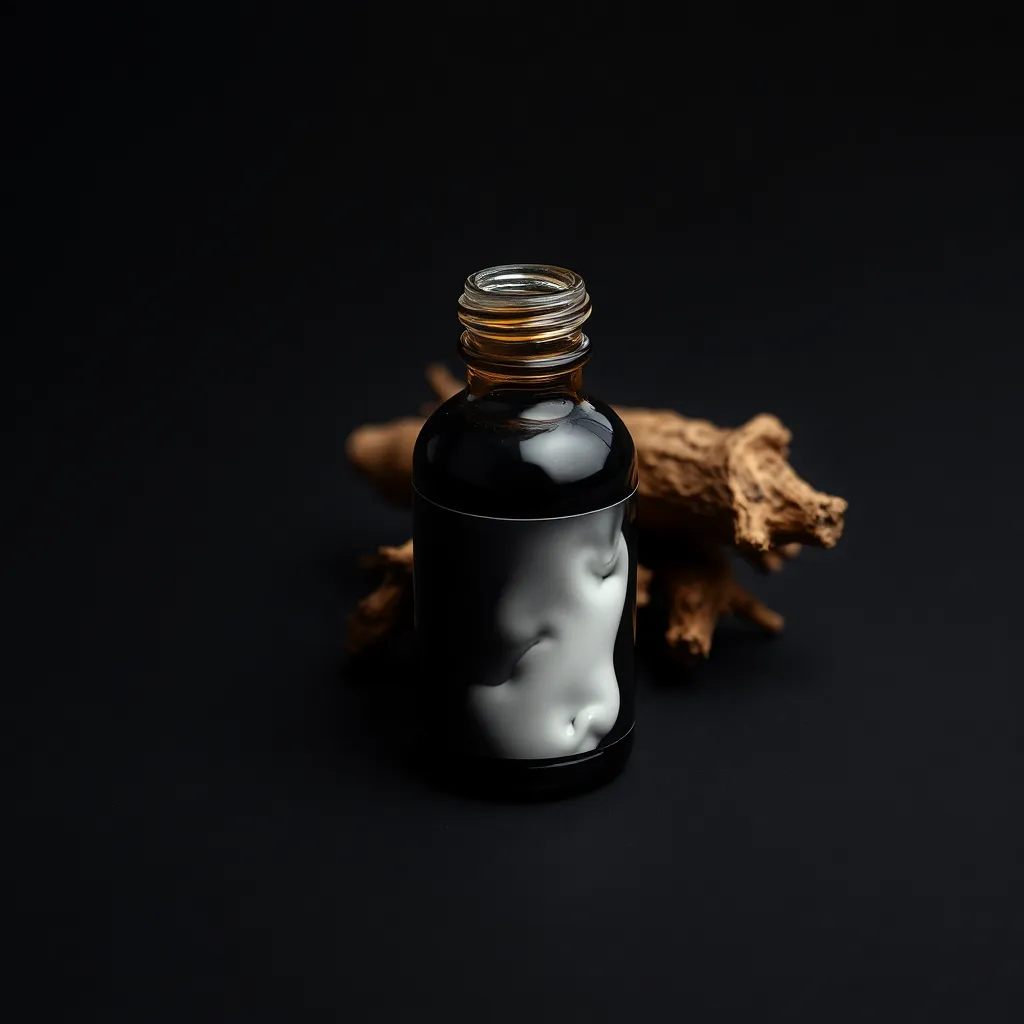
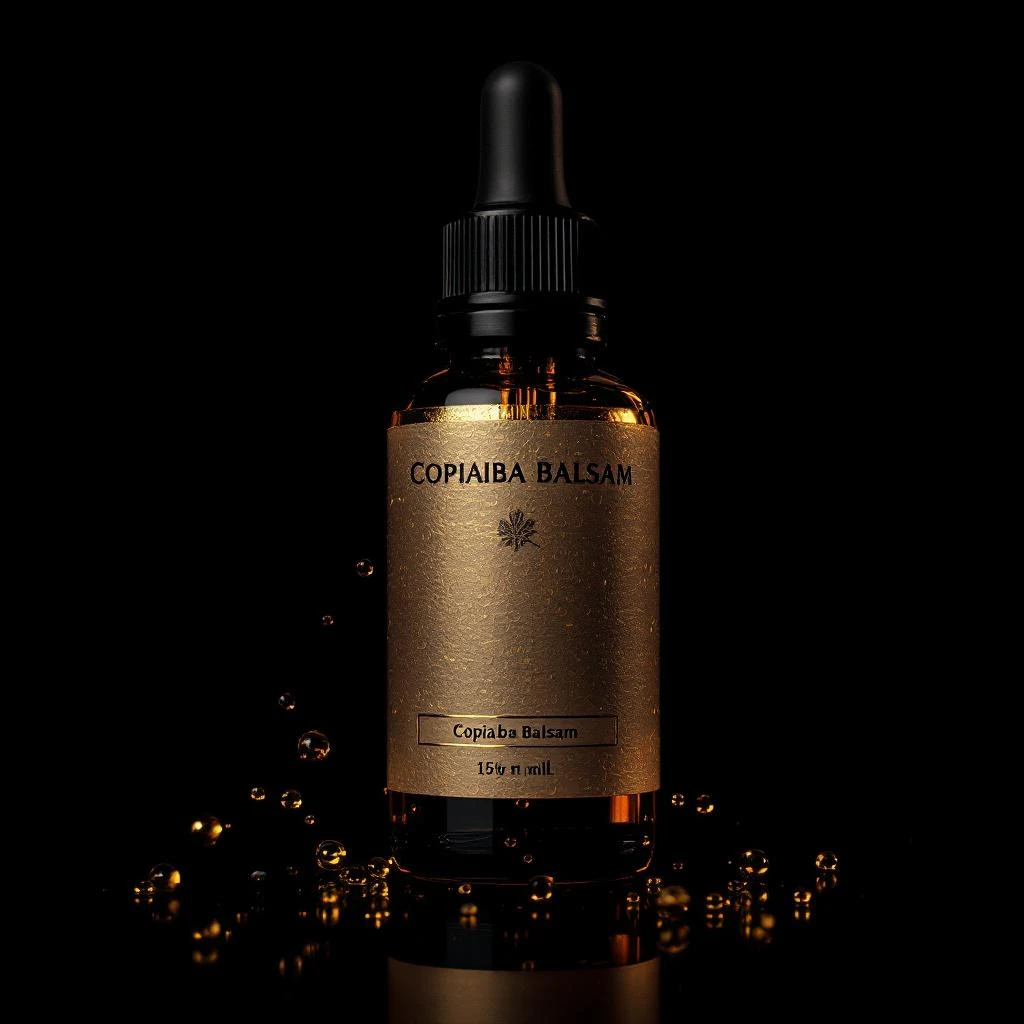
Copaiba balm, an Amazonian oleoresin tapped from Copaifera trees, offers warm, peppery-woody depth with balsamic warmth. One of perfumery's most accessible natural fixatives, it anchors fragrances from within.
Character
How it smells
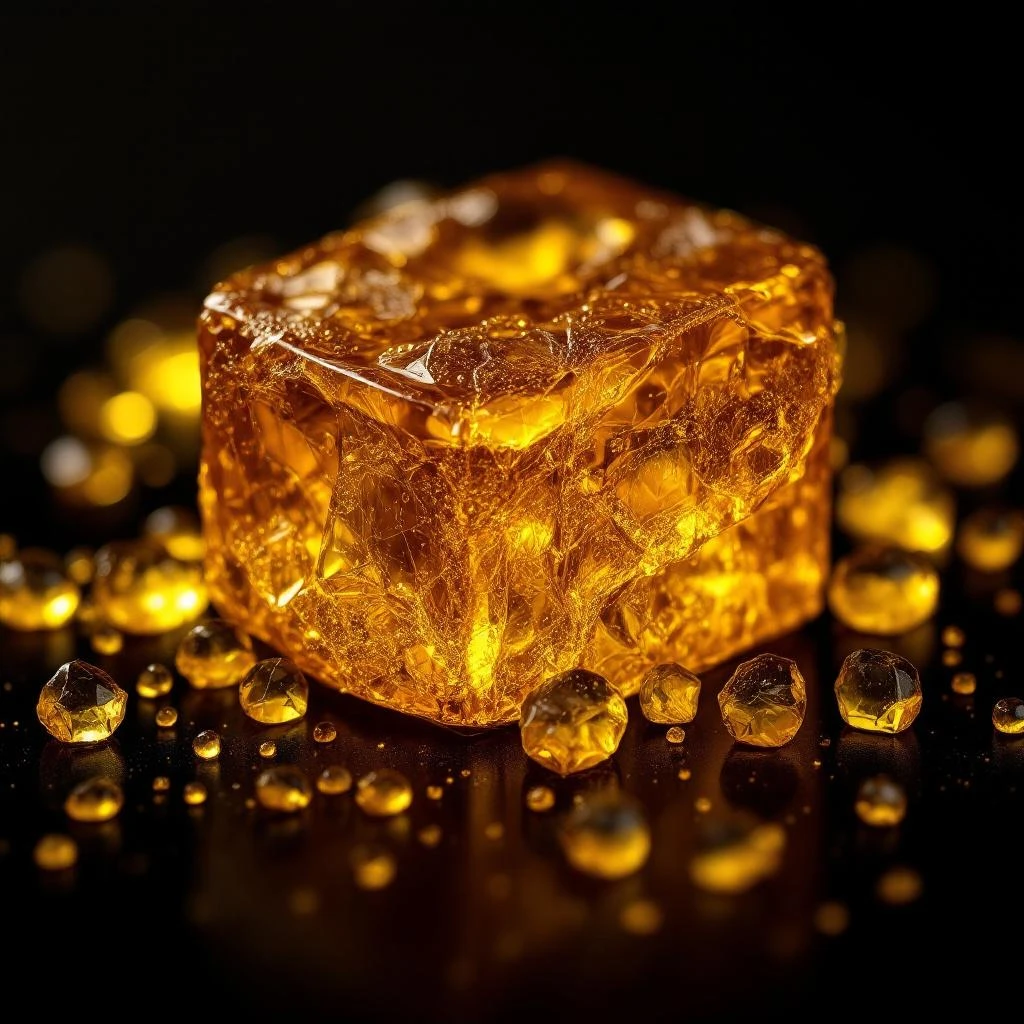
Warm, peppery, resinous. A natural fixative from the Amazon.
Copaiba trees yield up to 40 liters of oleoresin annually and are called the 'diesel tree' because communities filter the resin for fuel.








Origin
Brazil
Indigenous communities of the Amazon have used copaiba for centuries, applying the resin as lamp fuel, insect repellent, and traditional medicine for respiratory and wound care. The species Copaifera langsdorffii dominates commercial production across Brazil, Colombia, Peru, and Venezuela. By the early 20th century, perfumers recognized copaiba's value as a fixative and began incorporating it into soap fragrances and functional perfumes.
Its role expanded into fine perfumery as a cost-effective alternative to pricier balsams while delivering distinct peppery-woody character. Today, copaiba production accounts for approximately 95% of Brazil's oil-resin industry, with annual output estimated at 500 tons.
Wears it best
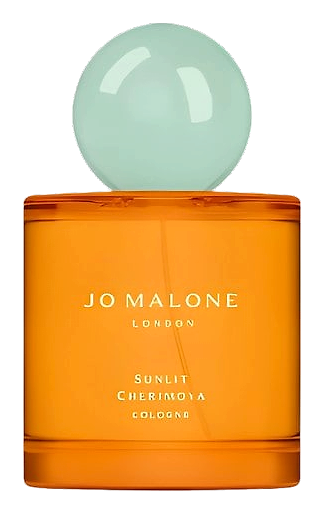
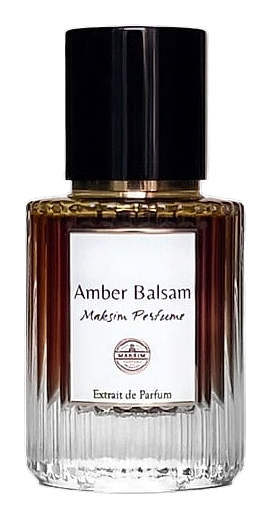
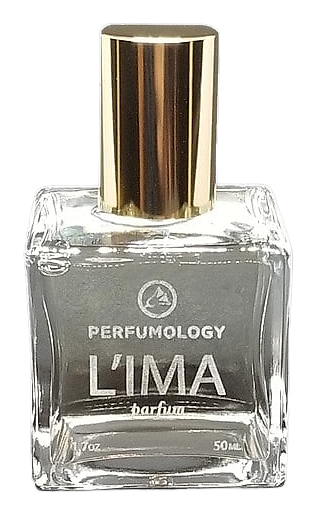
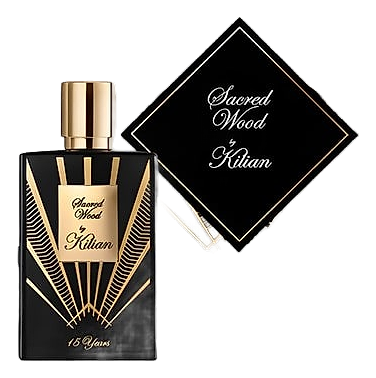
Fragrances featuring Copaiba Balm
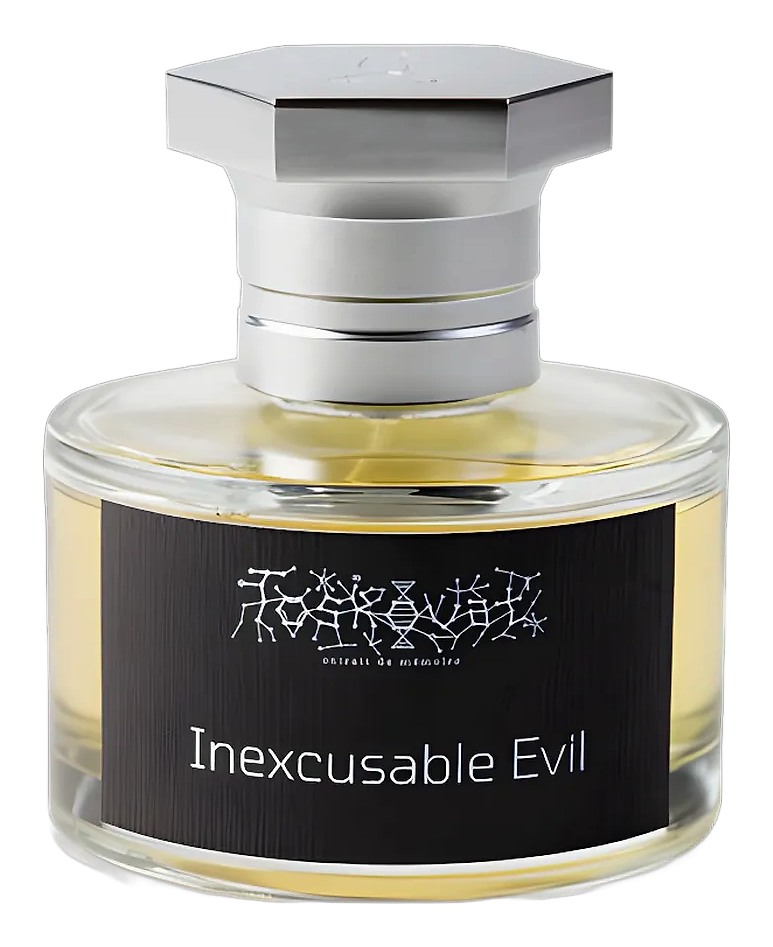

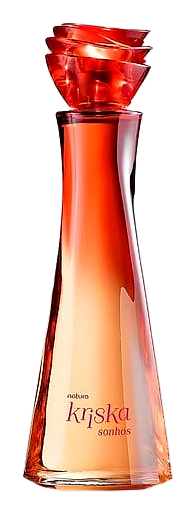
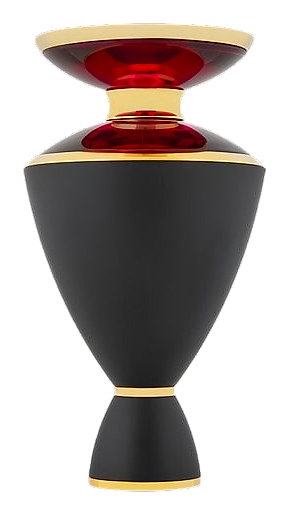
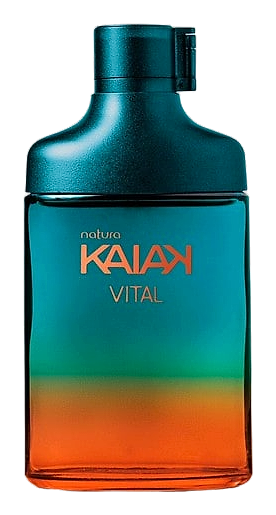

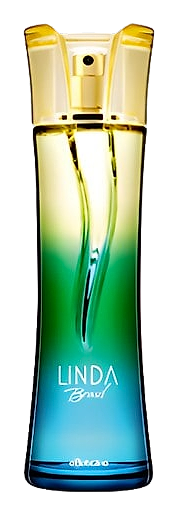
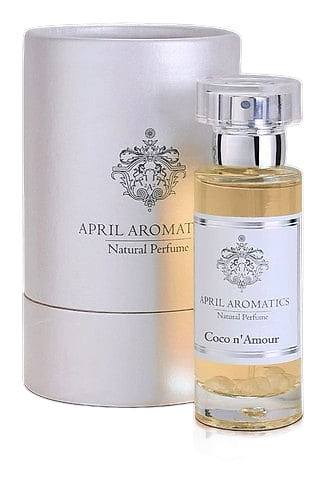
Brands
Brands known for Copaiba Balm
Good to know
Questions, answered
The essentials on Copaiba Balm in perfumery: how it smells, where it comes from, and how it behaves on skin.
What does copaiba balm smell like?
Copaiba opens with a dry, peppery-woody transparency that settles into quiet balsamic warmth with a faint honey undertone. It reads as warmer and more transparent than benzoin, less smoky than labdanum, and thinner than Peru balsam.
Is copaiba a true balsam?
No. Copaiba lacks the cinnamic and benzoic acids that define true balsams. It is technically an oleoresin, though the trade name persists. This distinction affects its scent profile and how perfumers classify it.
Why do perfumers use copaiba balm?
Copaiba serves two primary functions: it acts as a fixative to extend fragrance longevity, and it adds warm resinous depth as a base note. Its 100+ hour substantivity at 20% concentration makes it a reliable anchor in both functional and fine fragrances.
How much oleoresin does a single copaiba tree produce?
A single Copaifera tree can yield up to 40 liters of oleoresin annually. Harvesters leave the trees to rest for three years between extractions to maintain sustainable production and tree health.
What chemical compounds define copaiba's aroma?
Beta-caryophyllene dominates the chemical profile, responsible for copaiba's characteristic peppery edge. It also contains alpha-bergamotene, alpha-copaene, and beta-bisabolene, with copalic acid as a distinctive component.
What blends well with copaiba balm?
Copaiba bridges resinous bases like benzoin, myrrh, and olibanum with woody hearts such as cedarwood and sandalwood. It pairs naturally with cinnamic alcohol, styrax, amyris, lavandin, cedarwood, ionones, and various floral and spicy materials.
How do artisans harvest copaiba oleoresin?
Harvesters drill or incise the trunk of a Copaifera tree, and the liquid oleoresin flows naturally from the wound. This method requires no tree cutting and causes minimal damage. Workers seal the hole with clay after collection.
What role does copaiba play in functional fragrances?
Perfumers commonly deploy copaiba in fougère and lavender compositions for detergent perfumery and in cost-effective oriental bases where it substitutes for more expensive balsams. In skin-scent registers, it provides a quiet resinous bed beneath warmer oriental or oud accords.