Somalian Sandalwood
For over four millennia, sandalwood has anchored the world's finest fragrances with its rich, creamy warmth. Somalia's ancient trade networks placed it at the crossroads of the fragrance world, connecting cultures through precious aromatic materials.
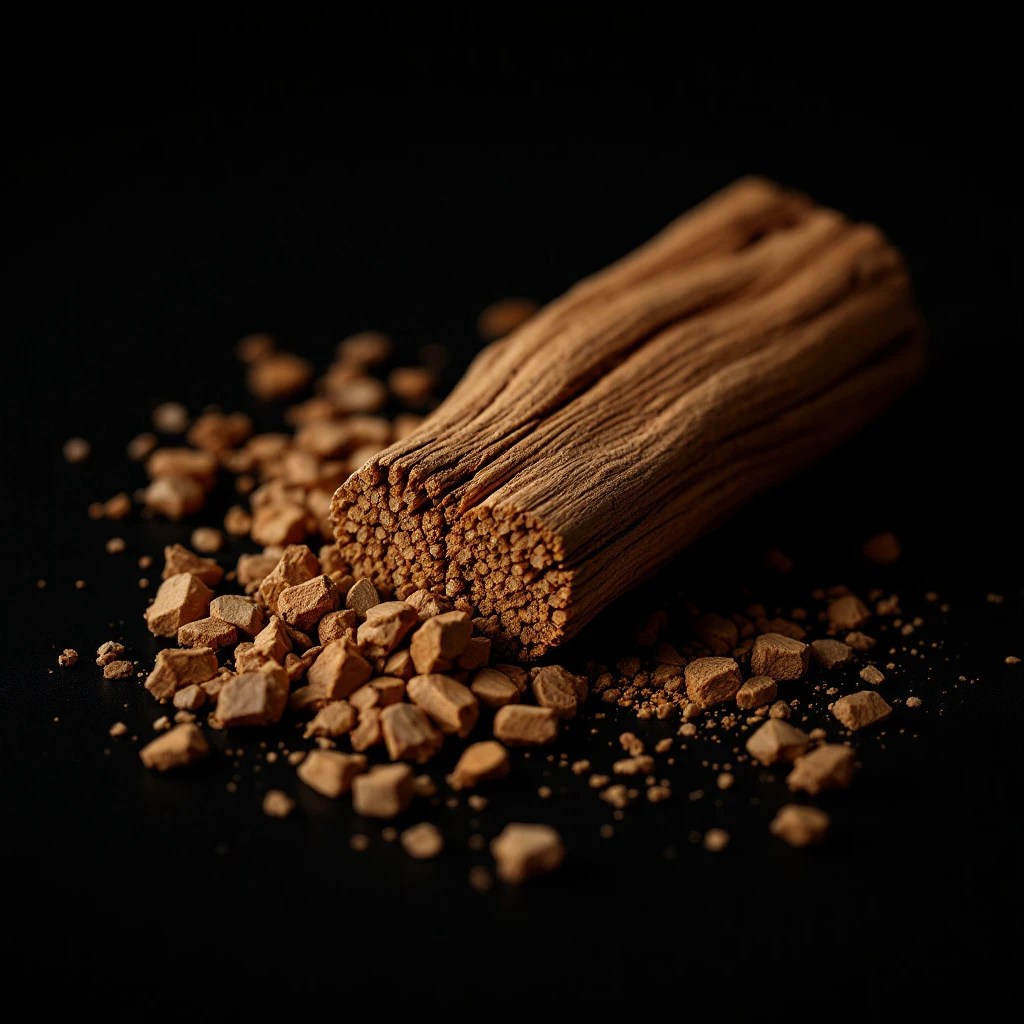
Character
How it smells
The ancient aromatic that shaped millennia of perfumery.
Sandalwood has been used continuously in perfumery for 4000 years, making it one of the oldest documented fragrance ingredients in human history.

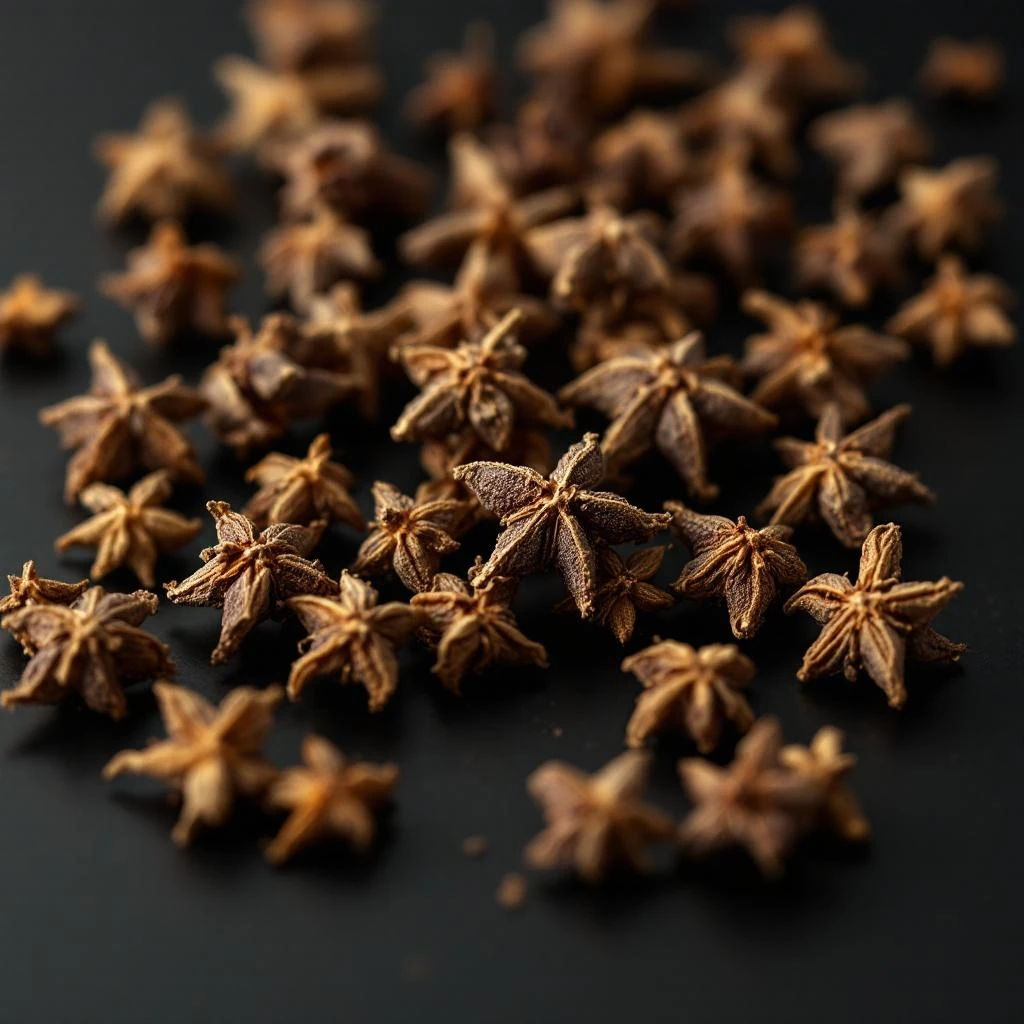
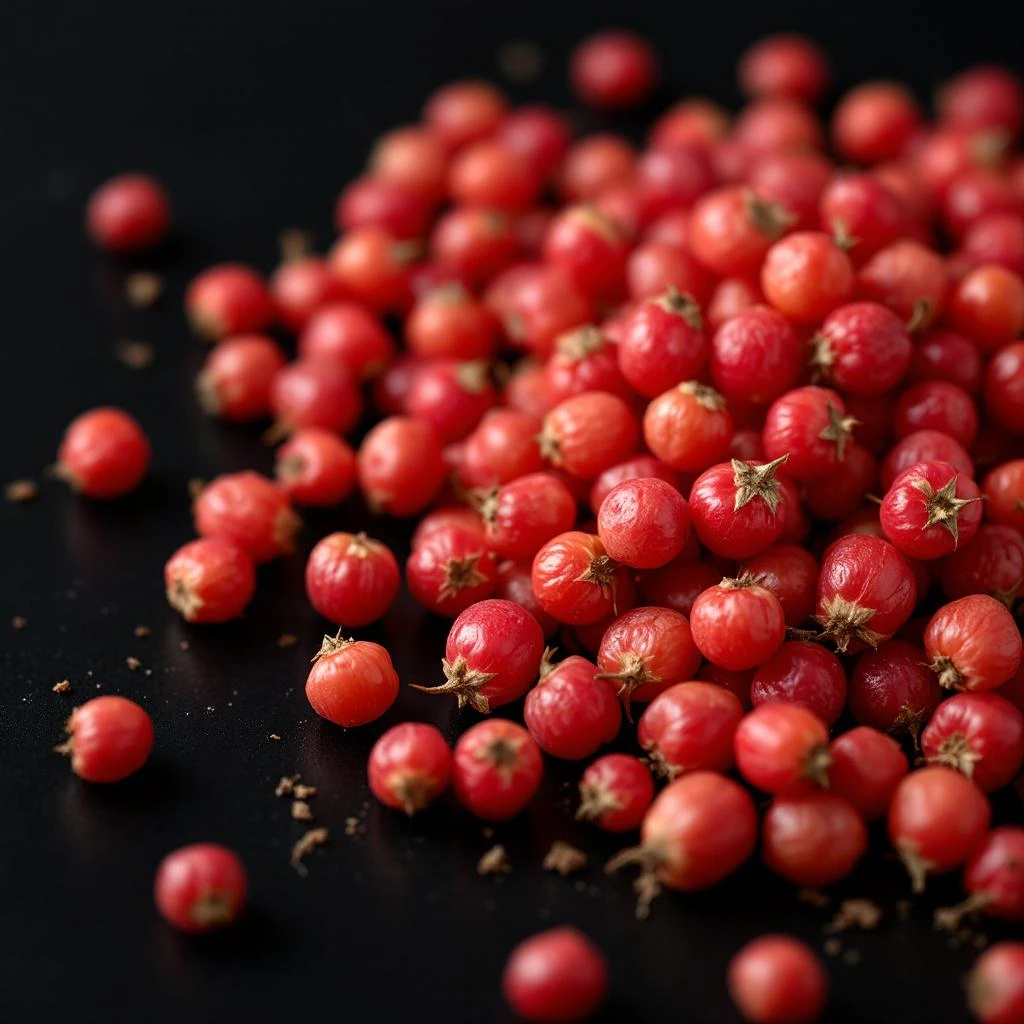
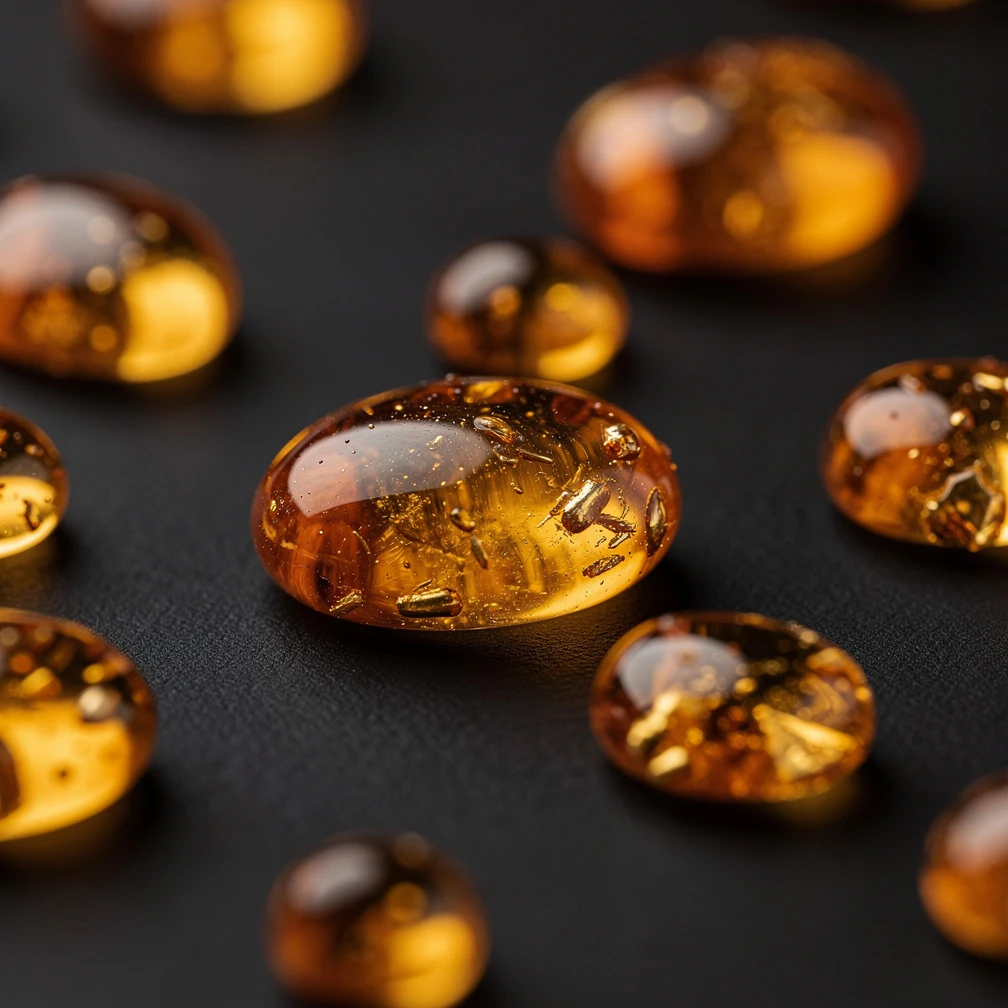

Origin
India
Sandalwood has anchored fragrance creation for over 4000 years, with documented use in India dating to the seventh century BCE. Ancient Egyptian priests incorporated it into religious rituals, while Arab perfumers mastered its powdered form for solid perfumes. The creamy, persistent character that blends seamlessly with florals, resins, and other woods made it a universal base note across cultures.
Somalia's position along ancient trade routes positioned it as a key hub for natural fragrance ingredients, connecting Indian Ocean commerce with Mediterranean markets. The region remains significant in global fragrance ingredient trade today.
Wears it best
Fragrances featuring Somalian Sandalwood
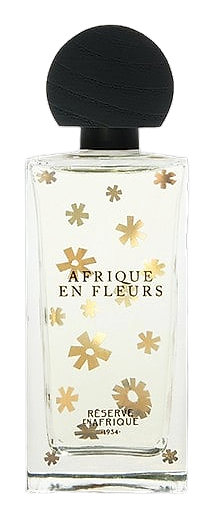
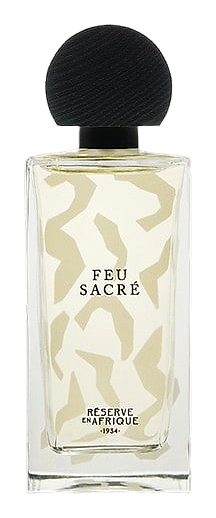
Brands
Brands known for Somalian Sandalwood
Good to know
Questions, answered
The essentials on Somalian Sandalwood in perfumery: how it smells, where it comes from, and how it behaves on skin.
Is Somalian sandalwood different from other origins?
Sandalwood quality depends more on species, tree maturity, and distillation technique than geographic origin. Santalum album from India remains the benchmark for perfumery, while Australian plantations now supply sustainable alternatives. Somalia's significance lies in its position within ancient fragrance trade networks.
What does sandalwood smell like?
Sandalwood presents a creamy, warm, woody aroma with milk-like undertones and subtle balsamic sweetness. It acts as a fixative in fragrances, extending the lifespan of lighter notes. The scent evolves over time, revealing deeper, more resinous facets as it dries down.
How is sandalwood oil extracted?
Steam distillation of dried heartwood is the standard method. Distillers chip the heartwood, load it into stills, and circulate steam to release aromatic compounds. The process requires wood from trees at least 30 years old for optimal oil yield and quality.
Why is sandalwood so valued in perfumery?
Sandalwood serves as a versatile base note that blends with nearly every fragrance family. Its fixative properties help fragrances last longer on skin. The creamy, persistent character adds depth and warmth that remains present through the fragrance dry-down.
Is sandalwood sustainable?
Wild Santalum album from India remains endangered due to overharvesting. Australian plantations now provide a sustainable supply through managed cultivation. Certified sustainable sources ensure trees are harvested responsibly and replanted.
What fragrance families pair well with sandalwood?
Sandalwood complements florals, orientals, woody, and fresh citrus compositions equally well. It forms the backbone of countless perfumes, from modern fresh colognes to rich oriental blends. Perfumers value its ability to unify disparate notes into cohesive fragrances.
What role did Somalia play in fragrance history?
Somalia sits along ancient incense trade routes connecting Arabia, India, and the Mediterranean. Frankincense remains its most famous aromatic export, though the region facilitated trade in many precious fragrance materials. Its ports served as crucial hubs in the global perfume trade for millennia.
Is sandalwood endangered?
Wild Indian sandalwood faces genuine conservation concerns, with international trade regulated under CITES. Australian and New Caledonian plantations now supply most commercial needs. Choosing certified sustainable sources helps protect wild populations while supporting responsible cultivation.




