Smoky Guaiac
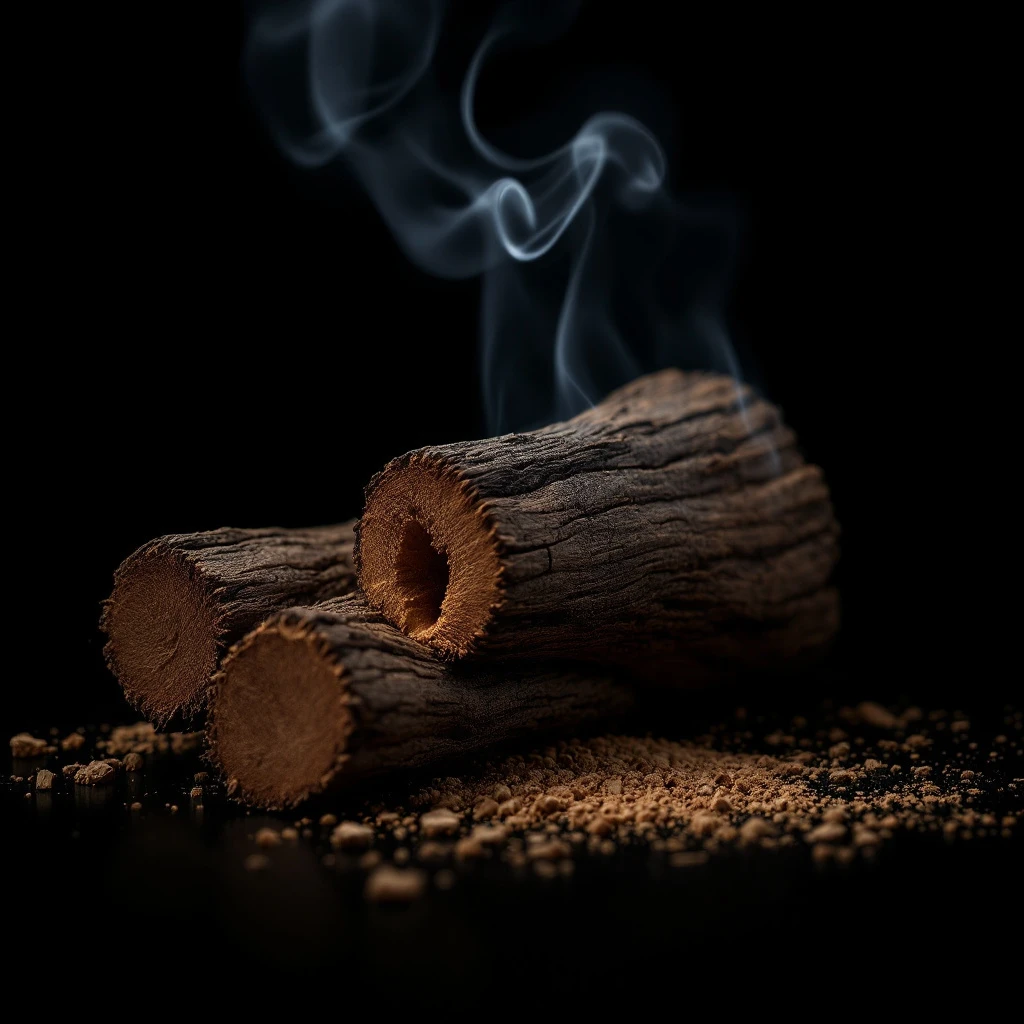
Dense and quietly powerful, guaiac wood brings a distinctive smoky-creaminess to fragrance—warm, resinous, with a subtle medicinal edge that rewards patient exploration.
Character
How it smells
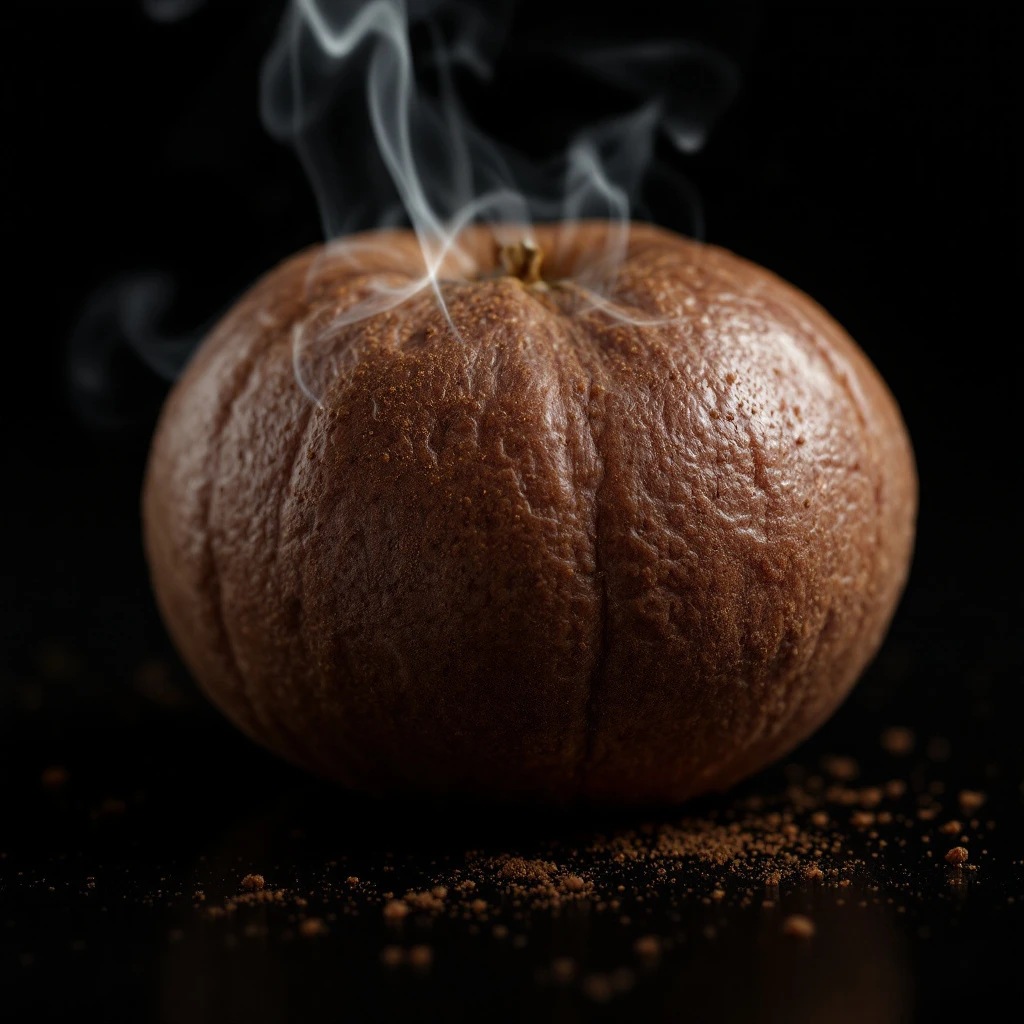
Ancient smoke, modern perfumery.
Guaiacum sanctum blooms in vivid violet, a startling contrast to the dark, heavy wood that gives perfumers their most elegant smoke.




Origin
Caribbean
Indigenous peoples of the Caribbean and Central America used guaiac wood for centuries before European contact, primarily as medicine and for ritual purposes. Spanish colonizers encountered the tree in the 1500s and shipped the aromatic heartwood back to Europe, where it became fashionable as a remedy for ailments ranging from syphilis to joint pain. In perfumery, guaiac wood entered the palette during the late 19th century, when naturalist perfumers began systematically cataloging and distilling fragrant botanicals.
Its smoky-creamy character made it valuable for creating warmth in compositions that might otherwise feel flat or synthetic. Today it remains a cornerstone in woody and oriental fragrances, prized for adding sophisticated depth without heaviness.
Wears it best
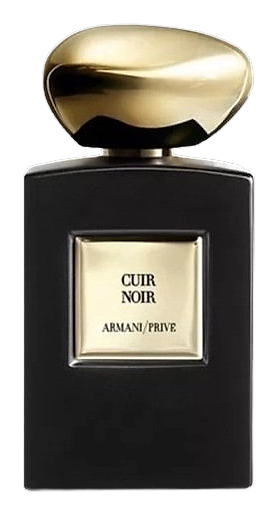
Fragrances featuring Smoky Guaiac
Brands
Brands known for Smoky Guaiac
Good to know
Questions, answered
The essentials on Smoky Guaiac in perfumery: how it smells, where it comes from, and how it behaves on skin.
What does smoky guaiac smell like?
Guaiac wood opens with dry smoke, similar to smoldering paper, then softens into creamy, vanillic warmth. Subtle medicinal and faint incense-like undertones emerge as the scent settles, creating a layered, sophisticated profile that rewards patience.
How is guaiac wood oil extracted?
Steam distillation pulls aromatic molecules from guaiac wood over 24 hours. Heat transforms wood shavings and sawdust, releasing essential oil that carries the characteristic smoky, creamy, and faintly medicinal qualities prized in perfumery.
Is smoky guaiac natural or synthetic?
Natural guaiac wood oil comes from the Guaiacum sanctum tree. While synthetic guaiacol exists as a related aroma chemical, natural oil remains preferred for its complexity and the way it interacts with skin chemistry.
Where does guaiac wood originate?
Guaiacum sanctum grows across the Caribbean and Central America, particularly in the Yucatán Peninsula, Cuba, and the Bahamas. The tree produces striking violet flowers, making it botanically distinctive among fragrant woods.
How does guaiac wood differ from other smoke notes?
Guaiac wood delivers smoke without harsh, acrid qualities. Unlike birch tar or cade oil, it offers a softer, creamier character with sweet undertones, making it the refined choice for sophisticated smoky accords.
What fragrances feature smoky guaiac?
Guaiac wood appears across woody, oriental, and chypre families, bringing warmth and depth wherever perfumers need sophisticated smoke without heavy tarry notes.
Can smoky guaiac be synthesized?
While synthetic guaiacol exists as a related aroma chemical, natural oil remains preferred for its complexity and the way it interacts with skin chemistry.
How does smoky guaiac evolve on skin?
On skin, guaiac wood deepens over hours. Initial smokiness mellows as creamier, more resinous qualities emerge, a gradual transformation that extends a fragrance's lifecycle.