Smoked Pineapple
Where sun-drenched tropical sweetness meets smoldering wood smoke. Discover how this unexpected pairing reshapes fragrance.
Character
How it smells
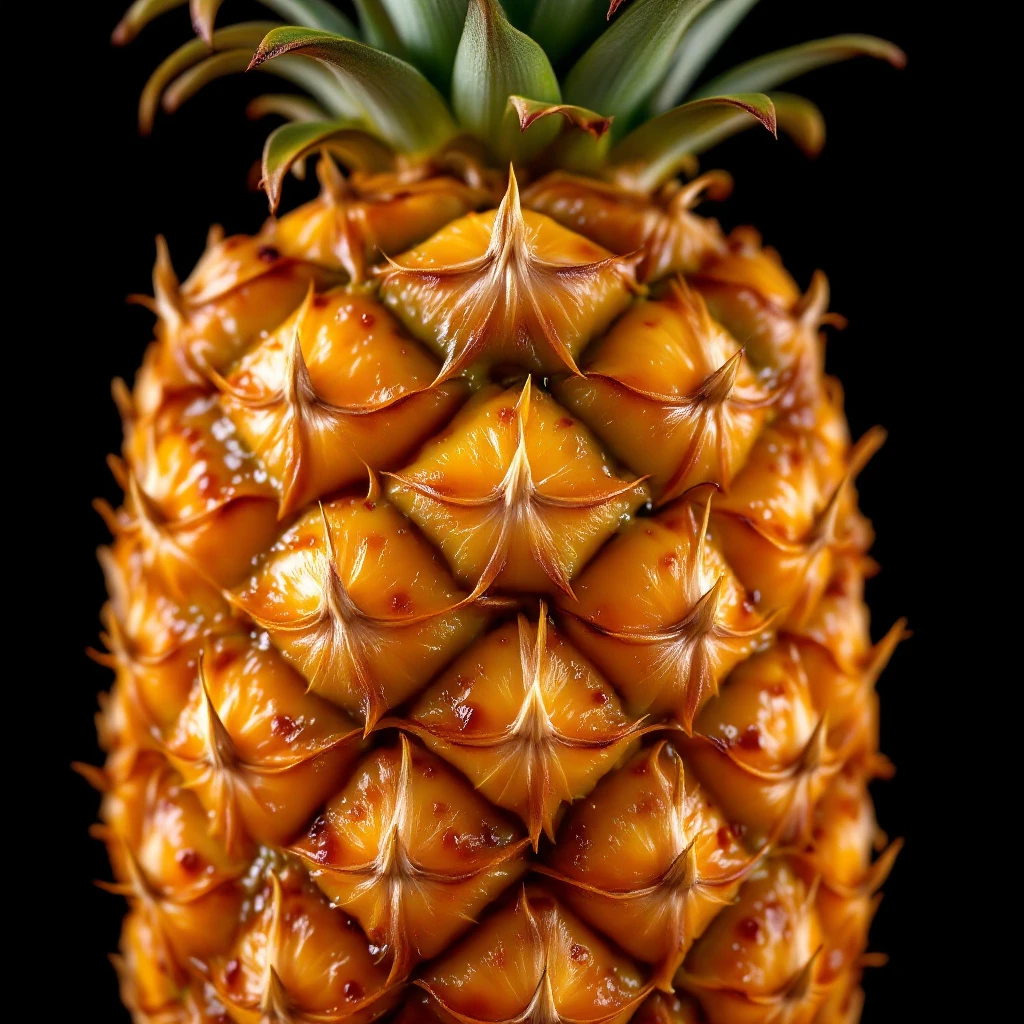
Tropical fire. Caramelized sweetness. Smoke.
Smoked pineapple changes the fruit's scent entirely, replacing its fresh brightness with deep, caramelized warmth.





Origin
Philippines
Pineapple entered European consciousness in 1493 when Columbus encountered it in Guadeloupe, immediately marking it as something extraordinary. Colonial powers subsequently spread the plant across tropical growing regions worldwide, but its fragrance remained absent from perfumery until organic synthesis advanced in the 20th century. Before this breakthrough, perfumers could only reference pineapple through careful blending of other materials.
Smoke, by contrast, carries ancient ritual significance. Nearly every culture has burned organic matter for spiritual and practical purposes, and perfumers long used smoked ingredients like incense and oud. The marriage of these two elements, tropical fruit sweetness and primal smoke, represents a distinctly modern creative choice.
Contemporary perfumers began deliberately combining them in the late 20th century, drawing inspiration from culinary traditions of grilled and caramelized fruits. This synthetic-smoke pineapple represents perfume's ongoing dialogue between laboratory science and ancient sensory memory.
Wears it best
Fragrances featuring Smoked Pineapple
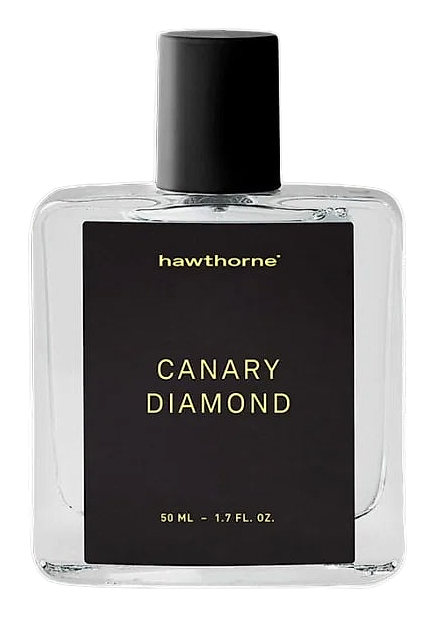
Brands
Brands known for Smoked Pineapple
Good to know
Questions, answered
The essentials on Smoked Pineapple in perfumery: how it smells, where it comes from, and how it behaves on skin.
What does smoked pineapple smell like?
Smoked pineapple opens with tropical sweetness before revealing deeper, caramelized warmth from the smoke. The fresh acidity of ripe pineapple gives way to darker, slightly charred notes reminiscent of grilled fruit. Expect a balance between bright tropical character and earthy smoke.
Is smoked pineapple a natural ingredient?
Smoked pineapple relies primarily on synthetic aroma chemicals. While the pineapple component cannot be directly extracted from fruit, smoke compounds may derive from natural wood combustion. This makes it a hybrid ingredient combining lab-created and natural smoke elements.
How do perfumers create the smoke effect with pineapple?
Perfumers introduce smoke through liquid smoke extracts, wood-smoke distillates, or by aging materials in smoked oak barrels. These methods transfer aromatic smoke compounds into the fragrance without literal smoking of the pineapple itself.
What perfume families use smoked pineapple?
Smoked pineapple appears most often in oriental and woody fragrances, though it occasionally surfaces in contemporary fruity compositions. It suits both feminine and masculine perfumes seeking contrast between brightness and depth.
What other notes pair well with smoked pineapple?
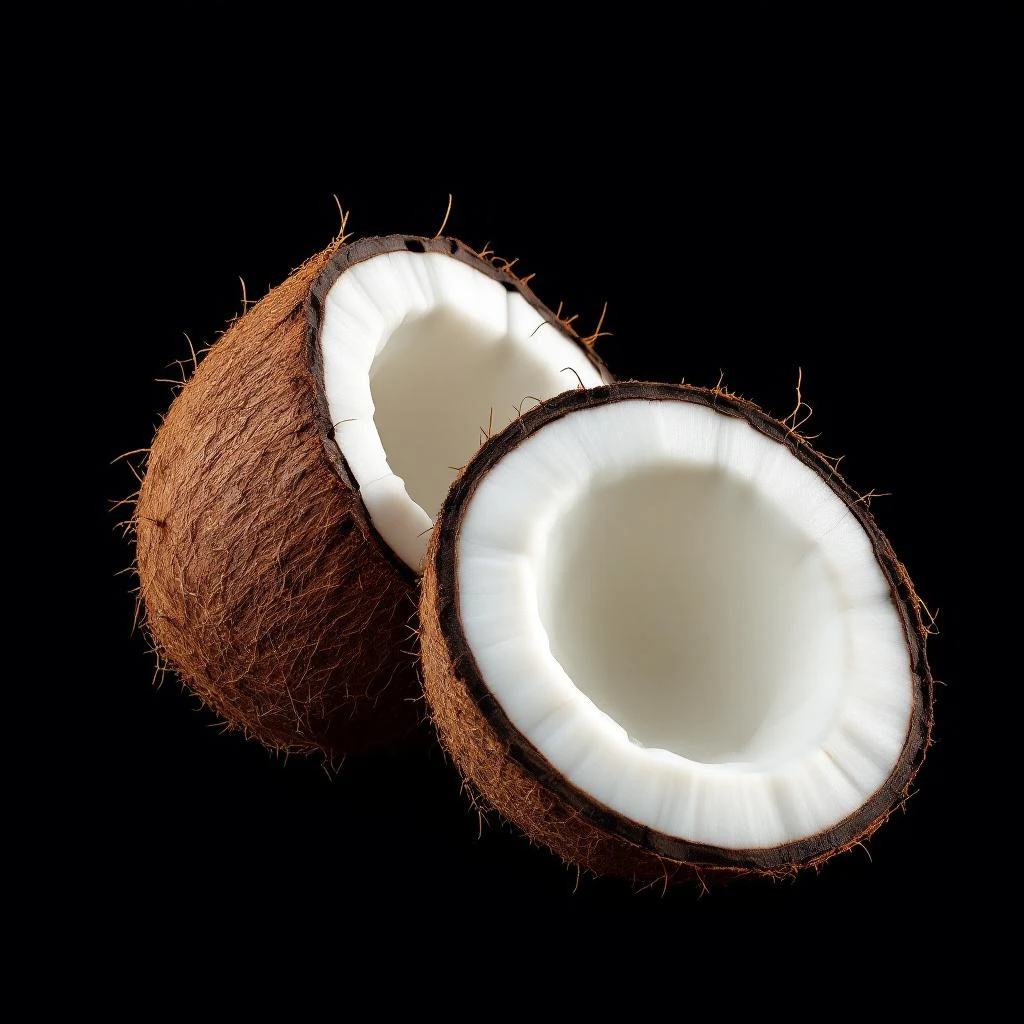
Coconut, vanilla, and rum extend the tropical warmth. Cedar and sandalwood reinforce the woody base. For contrast, try it alongside crisp green notes or sharp citrus to preserve the fruit's natural brightness.
What fragrance position does smoked pineapple typically occupy?
Smoked pineapple functions as a heart-to-base transition note. The pineapple provides initial sweetness while the smoke compounds develop into the fragrance's lasting foundation.
Where does commercial pineapple for fragrance come from?
The Philippines ranks among the world's largest pineapple producers, alongside Costa Rica, Brazil, and Thailand. These equatorial regions provide the warm, humid conditions that produce fruit with the most aromatic complexity.
How does smoking transform pineapple's natural scent?
Heat breaks down pineapple's fresh esters and replaces them with caramelized compounds. The fruit's characteristic tartness mellows while smoky, slightly bitter notes emerge. The transformation mirrors how cooking pineapple releases entirely new flavor dimensions.