Smoked Grapefruit
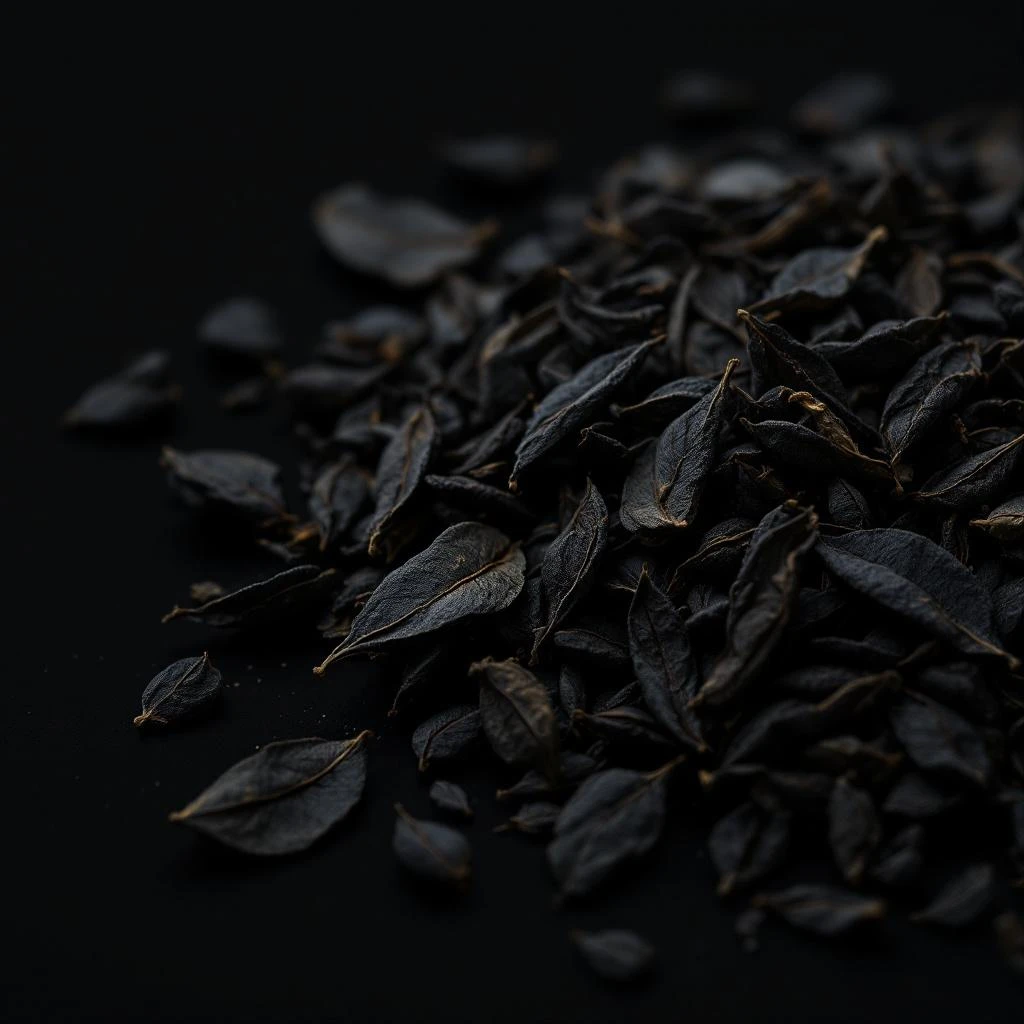
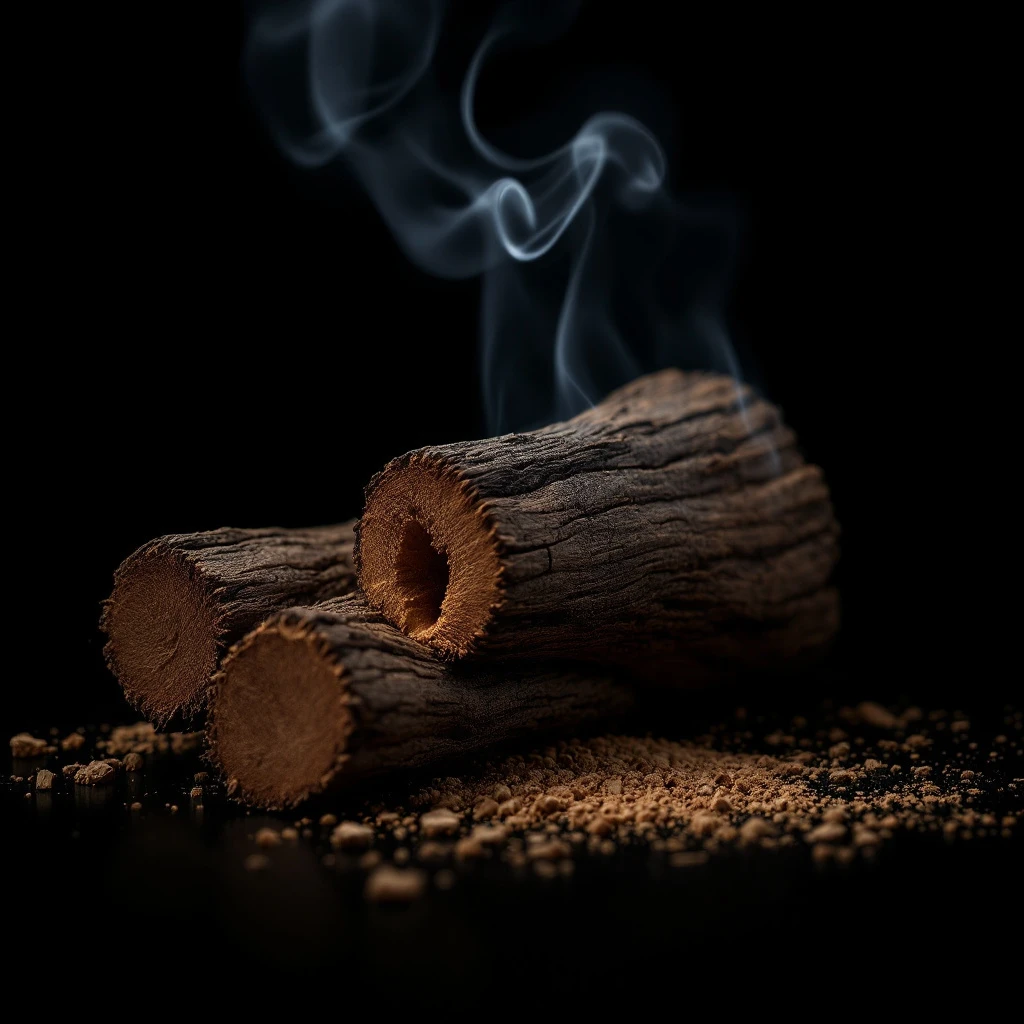
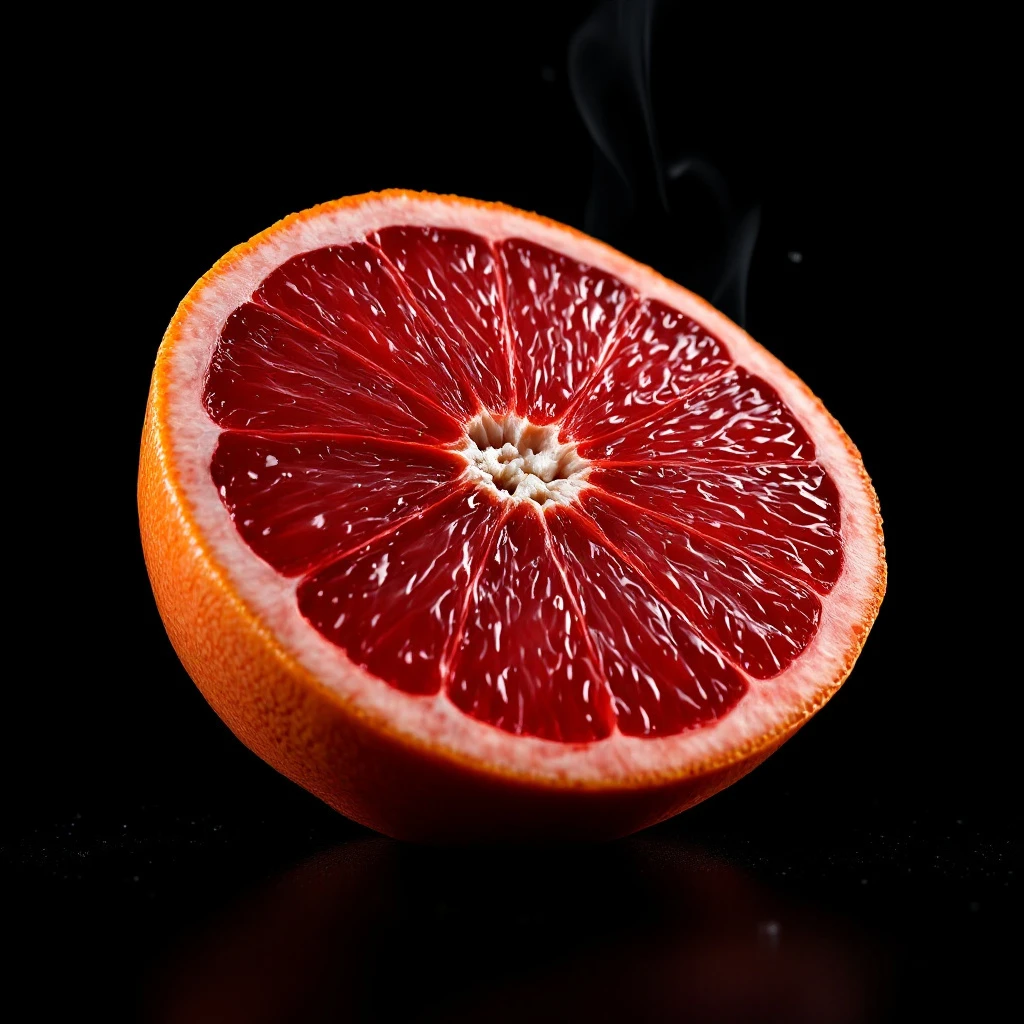
Smoked Grapefruit pairs grapefruit's bright, tart citrus character with the primal depth of smoke. The result is a tension between the familiar and the uncanny: sunshine held at arm's length from fire. Perfumers use this accord to anchor freshness in something more elemental.
Character
How it smells
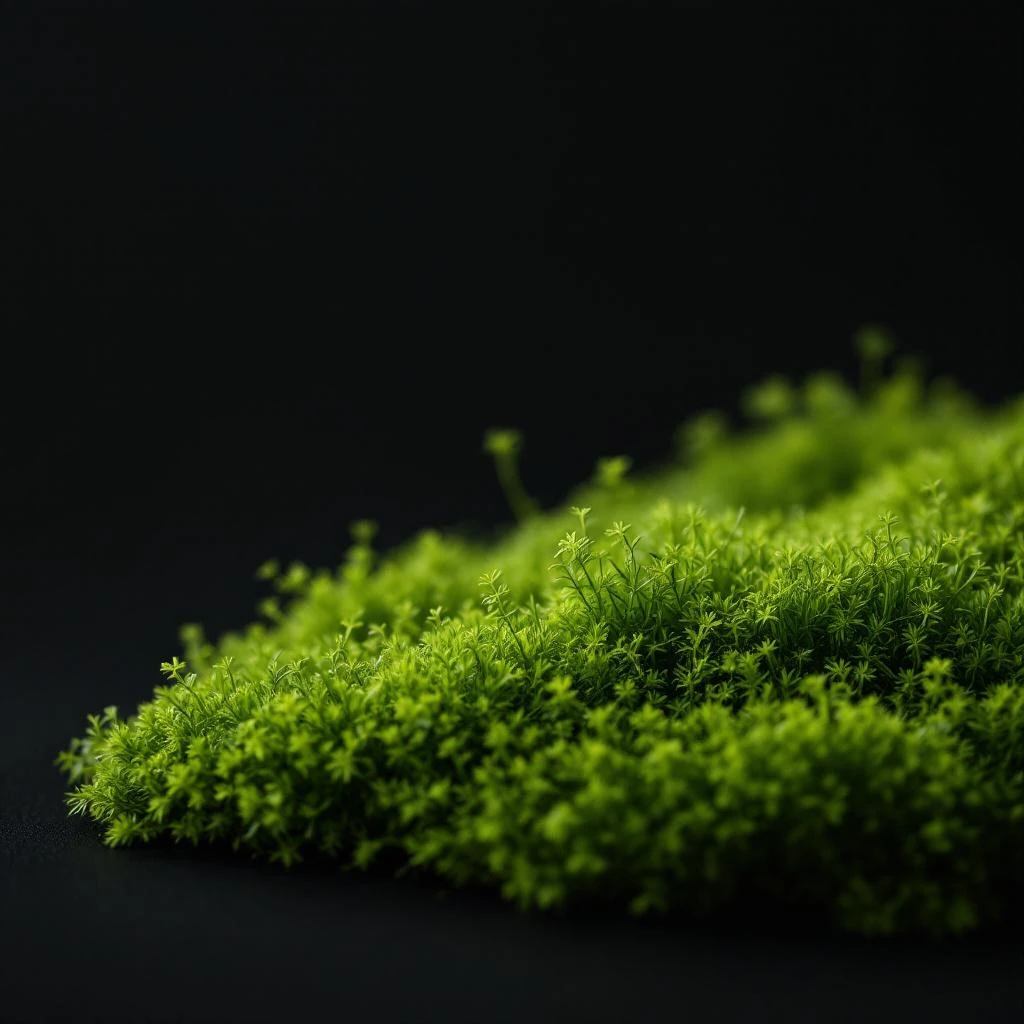
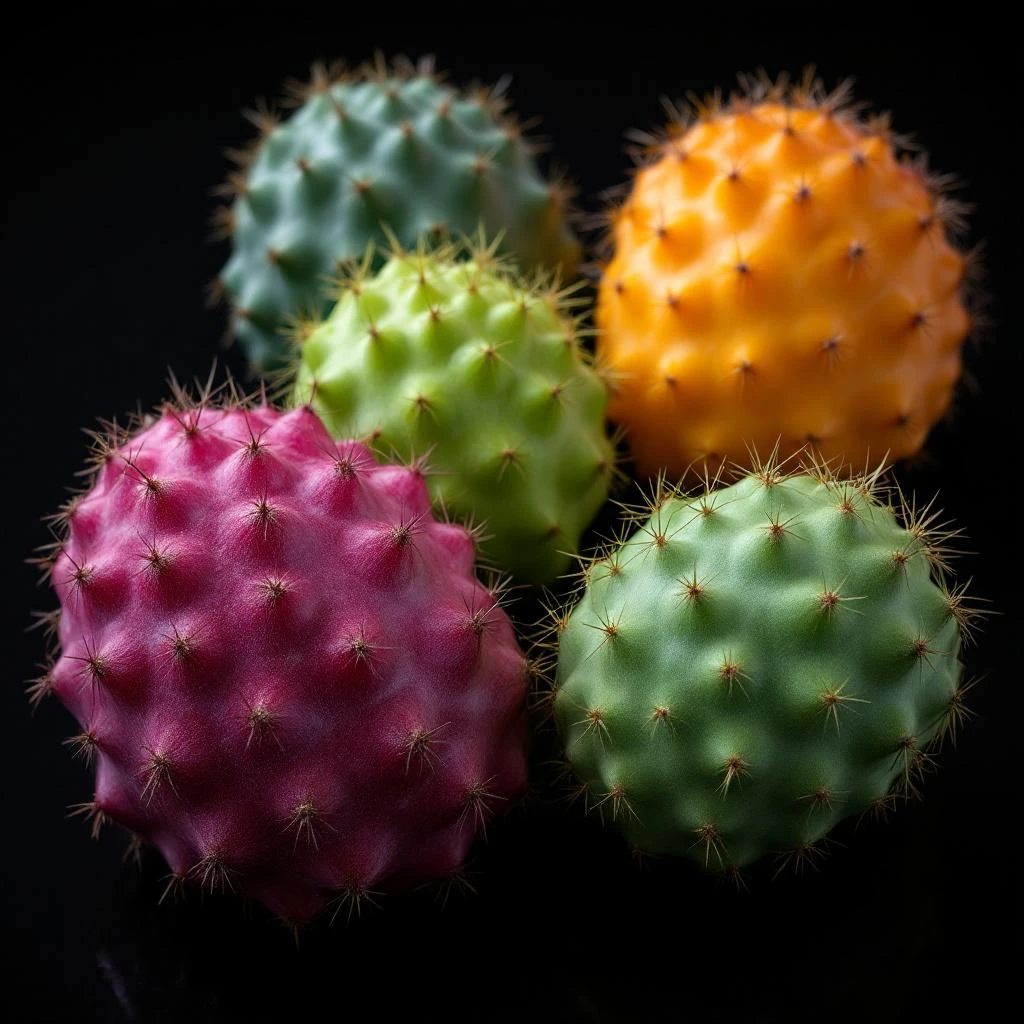
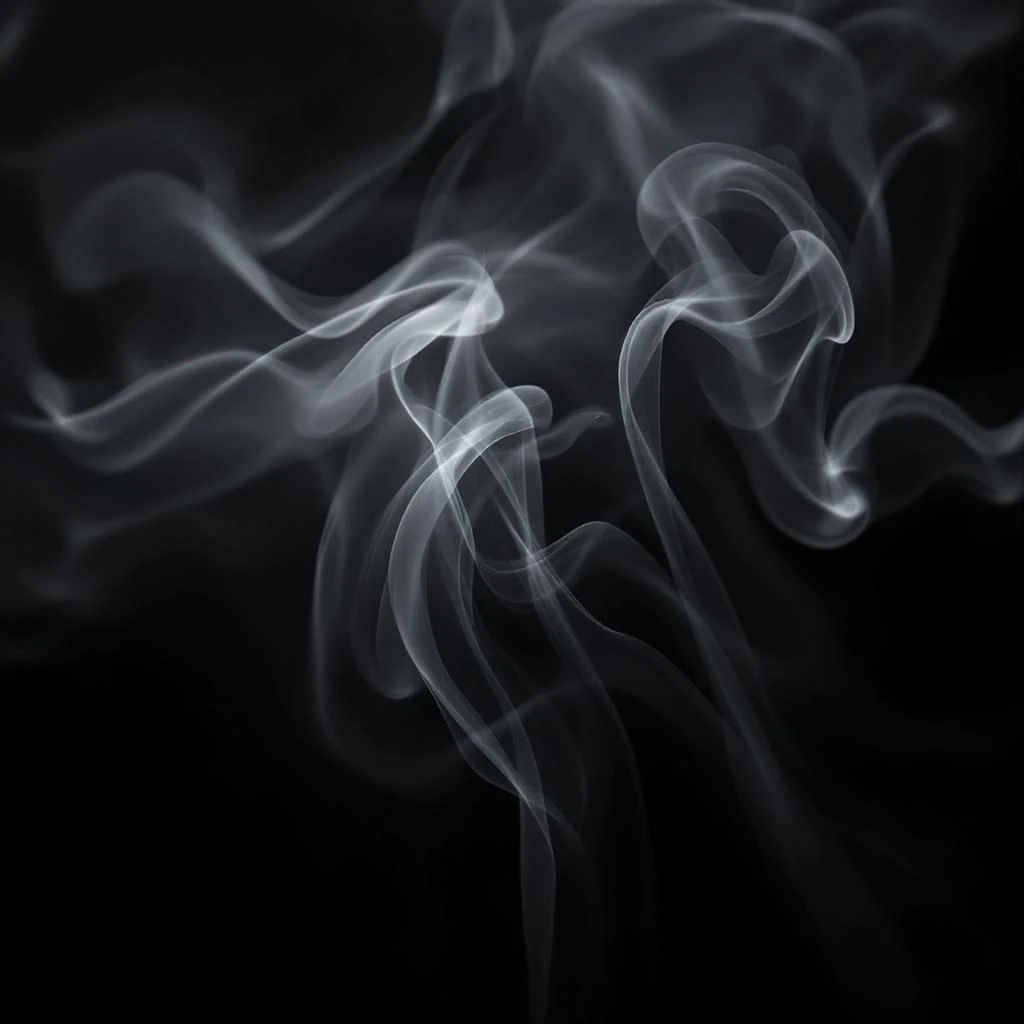
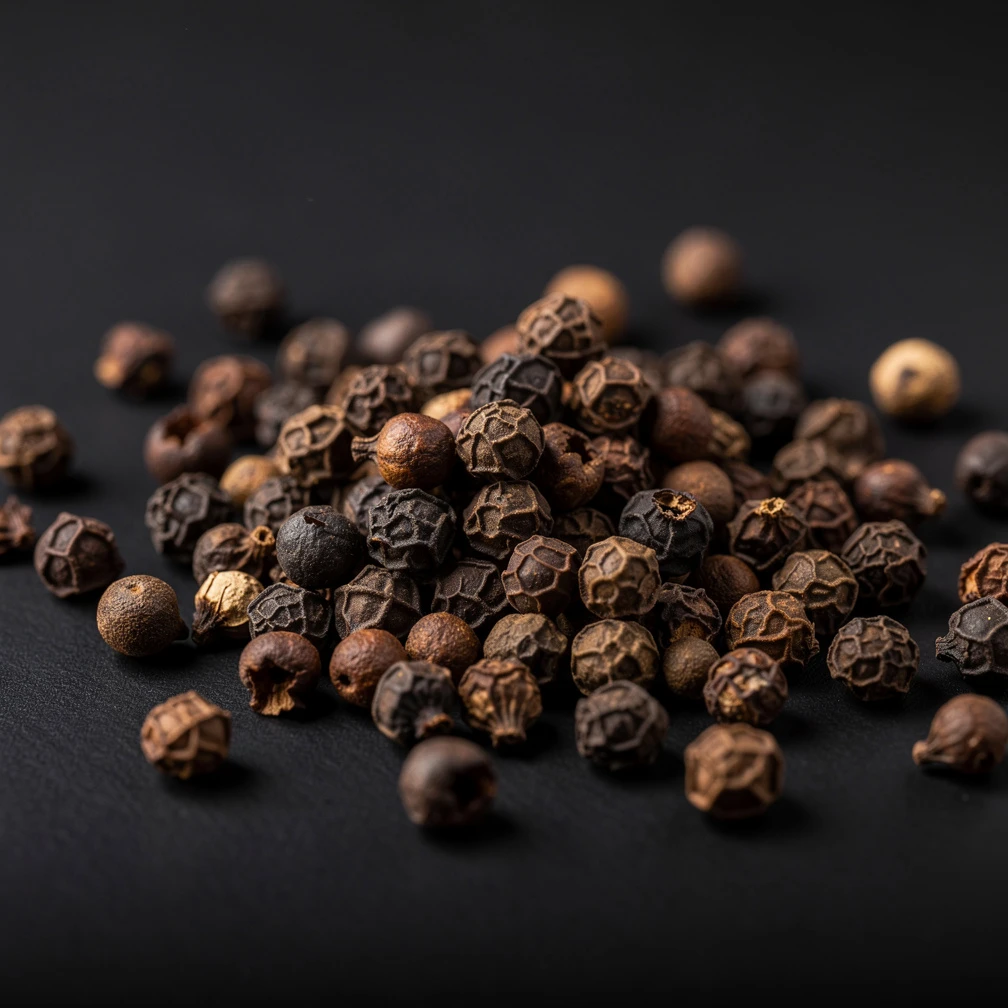
Citrus fire. The bright and the charred.
Grapefruit didn't enter Western perfumery until the 20th century, despite being cultivated in the Caribbean since the 1750s.




Origin
Barbados
Grapefruit originated in the Caribbean, likely as a natural hybrid between pomelo and sweet orange, first recorded on the island of Barbados around 1750. For over a century it remained primarily a food crop, prized for its tart, juicy flesh. Western perfumery showed little interest in citrus fruits until aroma chemistry made consistent extraction possible in the early 1900s.
Grapefruit oil entered commercial fragrance formulations later than lemon and bergamot, gaining traction in the 1970s and 1980s as designers sought brighter, more casual top notes. The smoked variant came later still, as part of a broader perfumery trend toward unexpected contrasts. By combining citrus with smoke, perfumers broke a long-standing assumption that these families could not coexist.
Today smoked grapefruit appears in masculine, unisex, and even feminine compositions as a bridge between fresh and dark fragrance territories.
Wears it best
Fragrances featuring Smoked Grapefruit

Good to know
Questions, answered
The essentials on Smoked Grapefruit in perfumery: how it smells, where it comes from, and how it behaves on skin.
What is Smoked Grapefruit in perfumery?
Smoked Grapefruit is a fragrance accord combining grapefruit's fresh, tart citrus character with smoke compounds. It creates a tension between bright citrus and charred depth, used as a top-to-heart note bridge in modern compositions.
Is Smoked Grapefruit a natural or synthetic ingredient?
It is an accord, meaning a crafted combination. The grapefruit component is typically natural cold-pressed oil from the peel. The smoke element is usually synthetic or derived from natural tar oils like birch and cade.
What does Smoked Grapefruit smell like?
The experience splits in two phases. First comes sharp, effervescent citrus with a faintly bitter edge. Within moments, a smoky warmth rises underneath, grounding the brightness in something darker and more resinous.
Which fragrance families use Smoked Grapefruit?
It appears most often in fougère, aromatic fresh, and跨界 compositions. Perfumers use it to modernize chypre structures, add edge to aquatic fragrances, and introduce contrast in otherwise sweet compositions.
Does Smoked Grapefruit last long on skin?
Grapefruit oil is volatile and tends to evaporate within 30 to 60 minutes. The smoke component lingers longer, so the smoky impression may persist as a drydown even after the citrus fades.
How does Smoked Grapefruit differ from regular grapefruit notes?
Standard grapefruit notes deliver clean, tart, uplifting citrus. Smoked Grapefruit adds a contrasting layer of char and resin, creating olfactory tension that elevates the note from simple freshness into something more complex.
What smoke materials does Smoked Grapefruit typically contain?
Common materials include birch tar oil, cade oil, guaiac wood extract, and synthetic smoke molecules. Each contributes a different shade of char, from sweet wood smoke to dry, medicinal smoke.
Is Smoked Grapefruit safe for skin use?
Cold-pressed grapefruit oil is generally safe but can cause photosensitivity. Smoke-derived materials require careful dilution. Reputable brands formulate at safe concentrations and include usage guidelines on product labels.