Smoked Cypriol
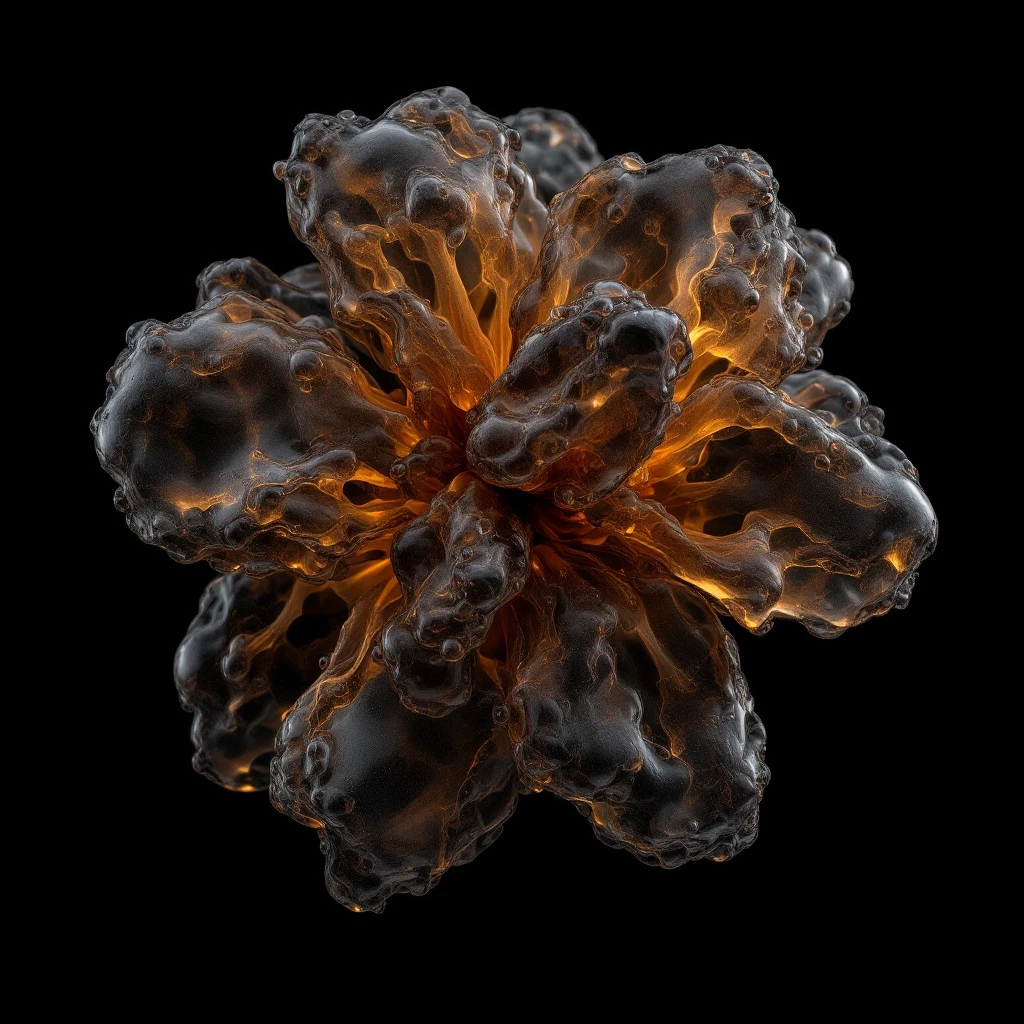
Smoked Cypriol delivers the warmth of charred wood and damp earth in a single note. Distilled from Indian nagarmotha roots and treated with smoke, it anchors oriental and woody compositions with a dark, resinous gravity.
Character
How it smells
Earth scorched by memory
Cypriol root has been used in Ayurvedic medicine for over 3,000 years, predating its perfumery applications by millennia.
Origin
India
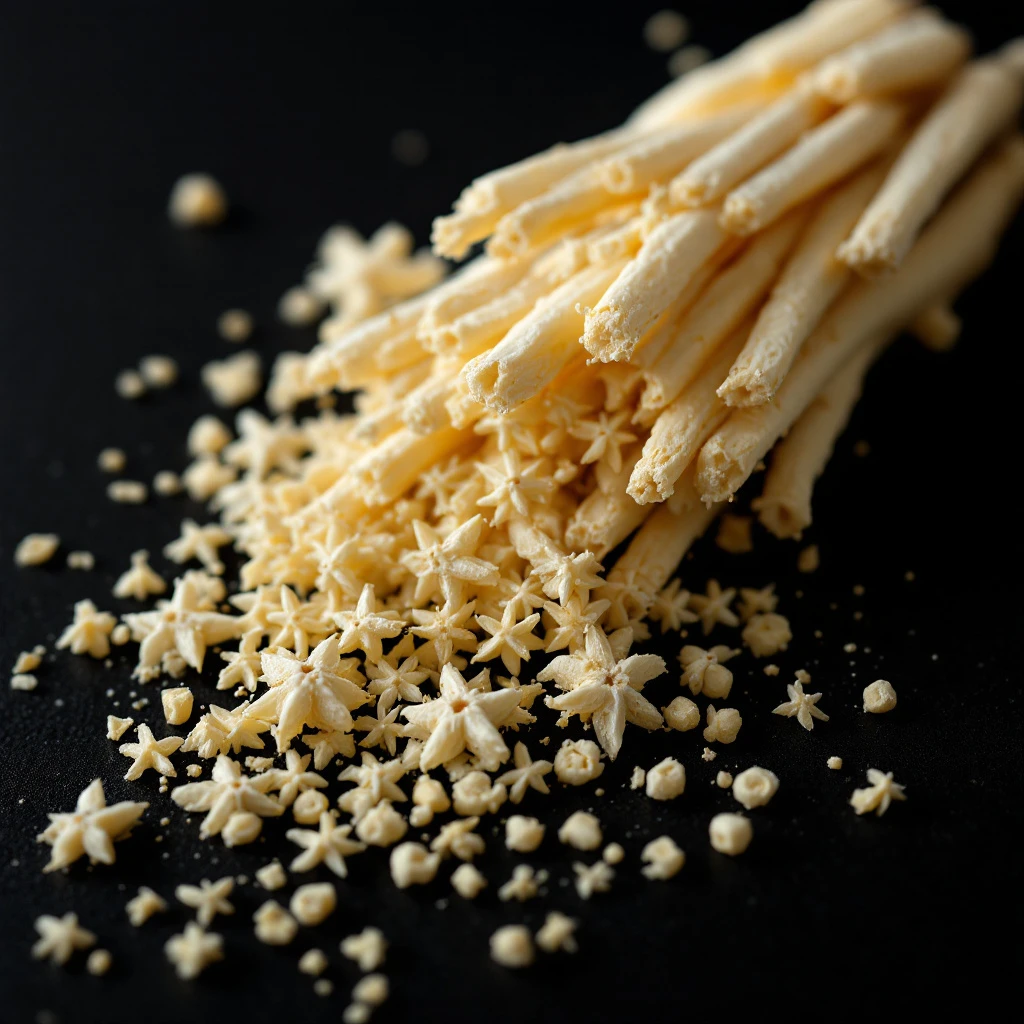
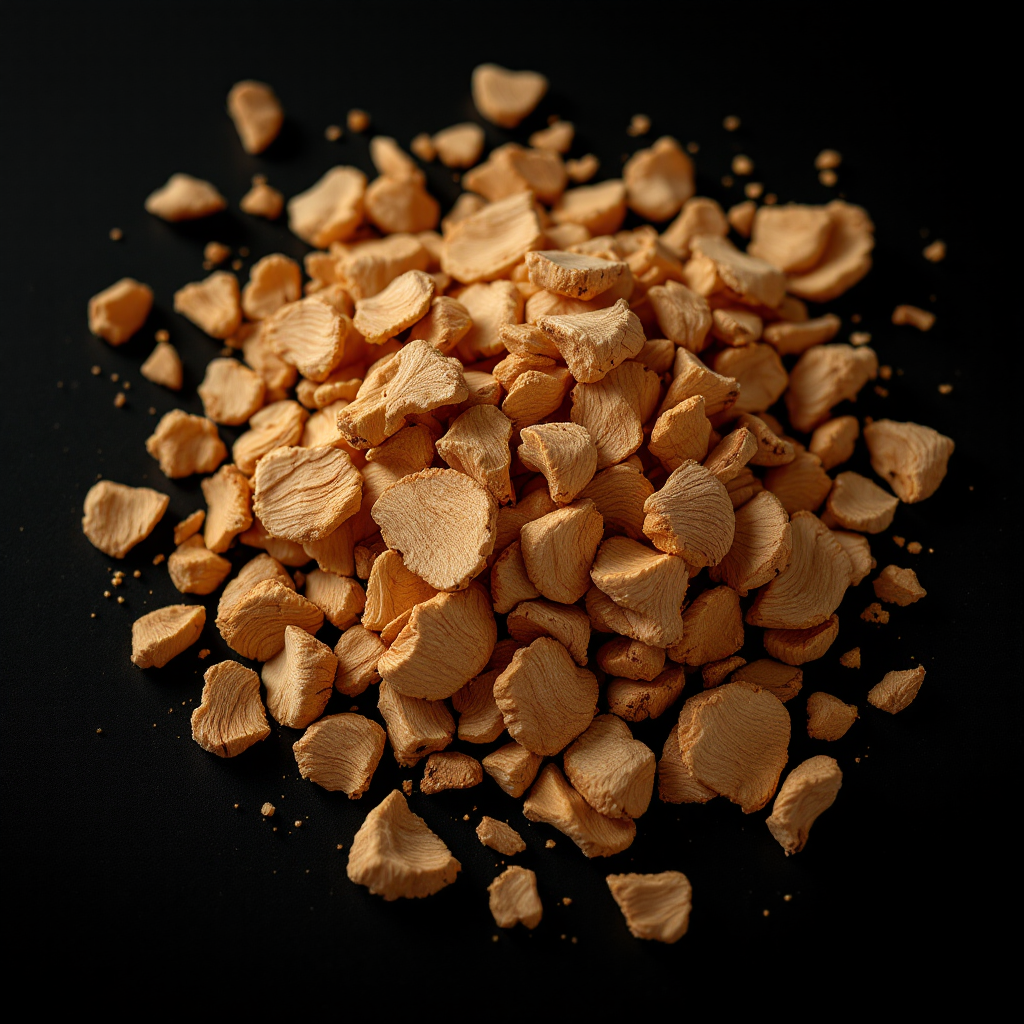
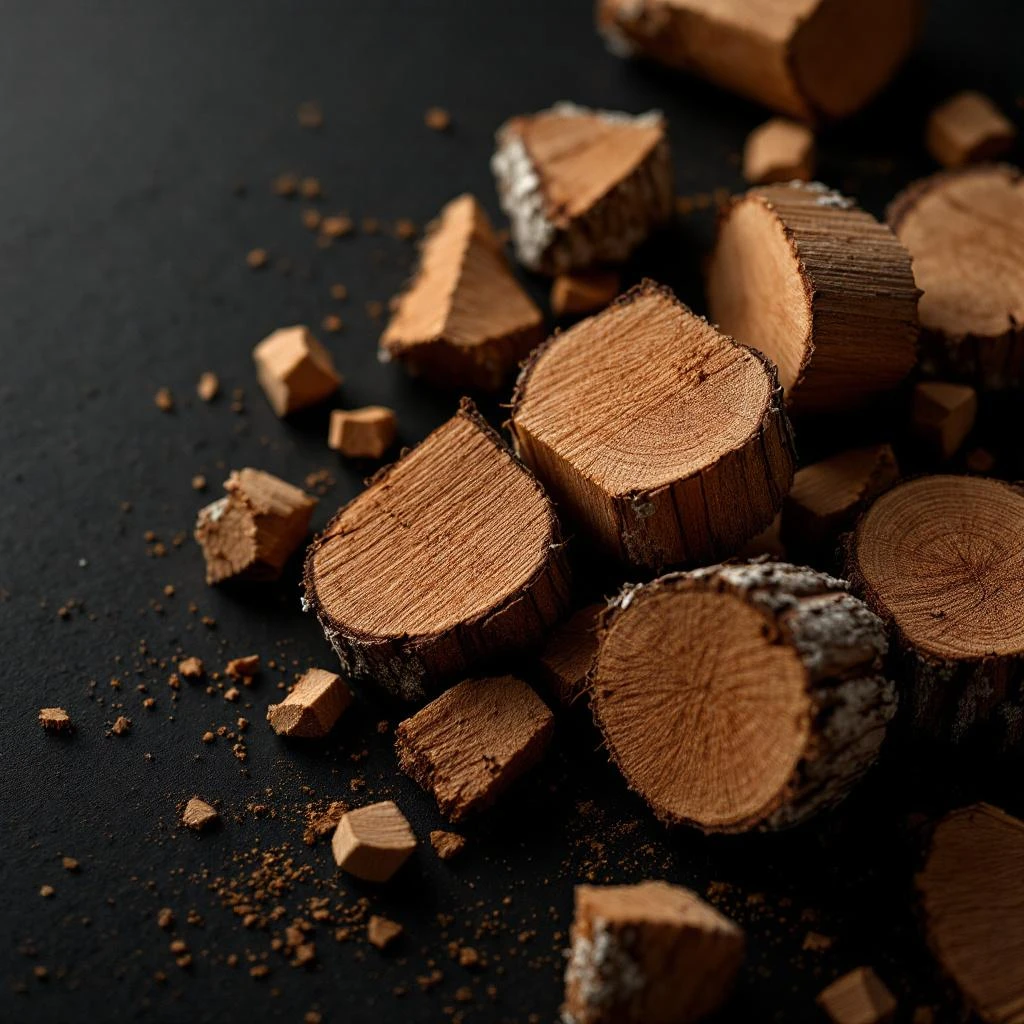
Cypriol, called nagarmotha in Hindi and often translated as "crocodile grass," carries a history rooted in the Ayurvedic pharmacopoeia of the Indian subcontinent. Healers have prescribed its rhizomes for digestive complaints, skin conditions, and fevers for more than three millennia, with references appearing in classical Sanskrit medical texts. The root's aromatic properties drew the attention of perfumers centuries ago, who valued it as a local alternative to imported vetiver and orris.
Trade routes through the Mughal era carried cypriol across Persia and into the Mediterranean, where it entered incense blends and attars favored in court perfumery. Indian perfumers incorporated it into traditional attar formulations, pairing it with sandalwood and rose for grounding bases that lasted through long Indian summers. The smoked variant emerged more recently as modern niche perfumers sought to push the material toward darker, more resinous territory, borrowing techniques from food preservation and tobacco aging.
Today, cypriol remains one of the signature materials of contemporary oriental perfumery, bridging ancient Indian botanical knowledge with avant-garde composition.
Wears it best
Fragrances featuring Smoked Cypriol
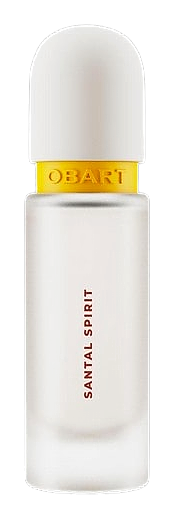
Brands
Brands known for Smoked Cypriol
Good to know
Questions, answered
The essentials on Smoked Cypriol in perfumery: how it smells, where it comes from, and how it behaves on skin.
What does smoked cypriol smell like?
Smoked cypriol smells like scorched earth and damp bark, with notes of charred wood, leather, and a faint animalic warmth. The smoking process adds pyrazine-driven smokiness to cypriol's natural earthy base, producing a darker profile than standard nagarmotha oil.
How is smoked cypriol different from regular cypriol oil?
Regular cypriol oil carries a clean, vetiver-like earthiness with woody and leathery facets. The smoked variant undergoes additional exposure to smoldering wood, introducing phenolic compounds that shift the scent toward campfire ash, birch tar, and resinous char.
What perfumery category does smoked cypriol belong to?
Smoked cypriol is classified as a woody-amber base note. It features prominently in oriental, chypre, and smoky fragrance families, where its density and fixation make it a preferred anchoring material.
Is smoked cypriol a natural ingredient?
Yes, smoked cypriol is a natural ingredient derived from the rhizomes of Cyperus scariosus. The smoking step is a physical treatment applied to the dried plant material rather than a synthetic chemical modification.
Where is cypriol primarily sourced?
Cypriol is primarily sourced from India, where Cyperus scariosus grows wild in wetland regions. The plant's roots absorb the mineral character of waterlogged soil, which shapes the oil's distinctive earthy signature.
Does smoked cypriol have a long lasting effect?
Smoked cypriol is one of the longest-lasting natural base notes available, often persisting more than 24 hours on skin. Its high sesquiterpene content gives it a molecular weight that resists evaporation far longer than citrus or floral materials.
Is smoked cypriol sustainable?
Sustainability depends on wild-collection practices in Indian wetlands, where overharvesting has raised concerns among conservation groups. Some suppliers now cultivate Cyperus scariosus on dedicated plots to reduce pressure on wild populations.
Can smoked cypriol replace oud or vetiver in a formula?
Smoked cypriol shares oud's resinous darkness and vetiver's earthy depth, but its smoky phenolic edge is distinct. Perfumers often blend it with both materials rather than substituting outright, using cypriol to bridge their profiles.