Slate
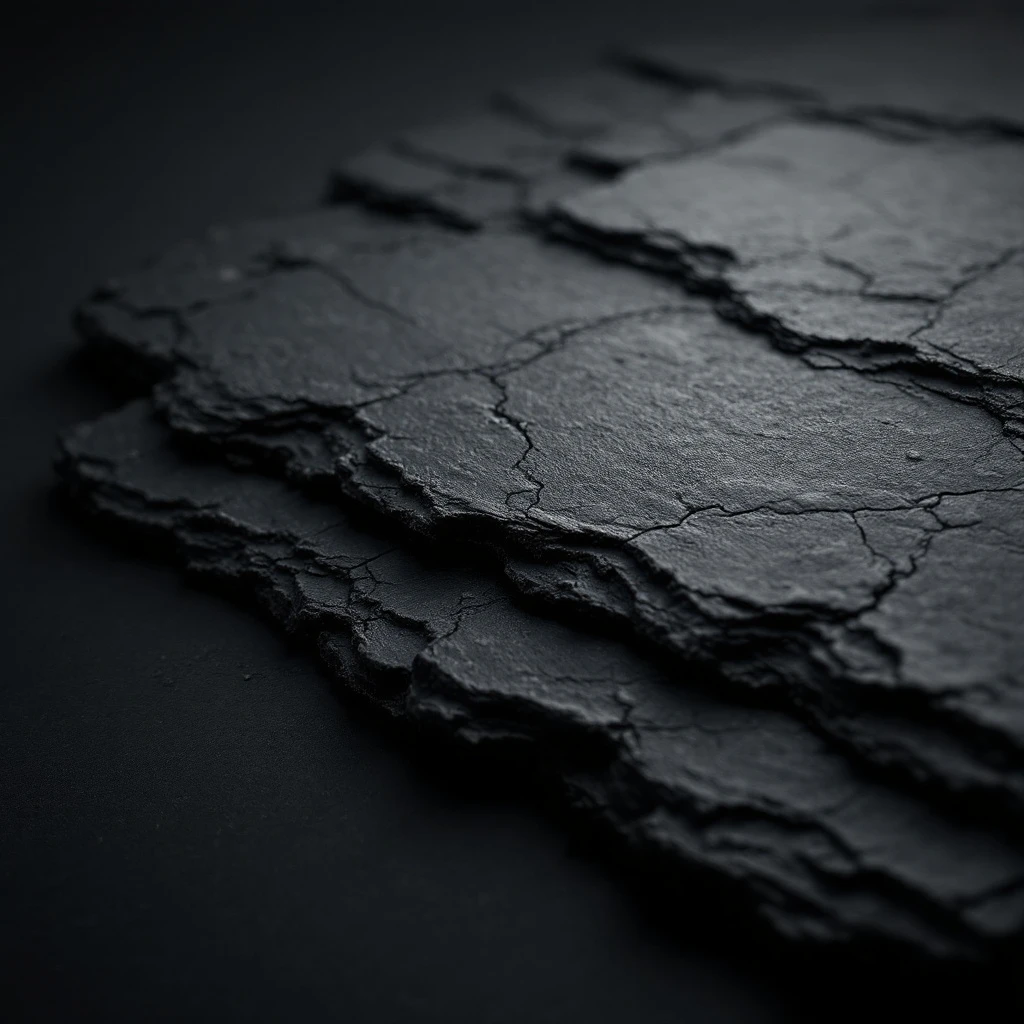
Slate captures the ancient, mineral soul of rain-soaked stone. This atmospheric note evokes coastal cliffs after a storm, blending cool mineral depth with wet earth undertones. Perfumers use it to create grounding, meditative fragrance experiences that feel both raw and refined.
Character
How it smells
The scent of rain on ancient stone.
Slate was first isolated as a perfumery note in the 1970s when chemists sought to recreate the mineral smell of the Welsh coastline.


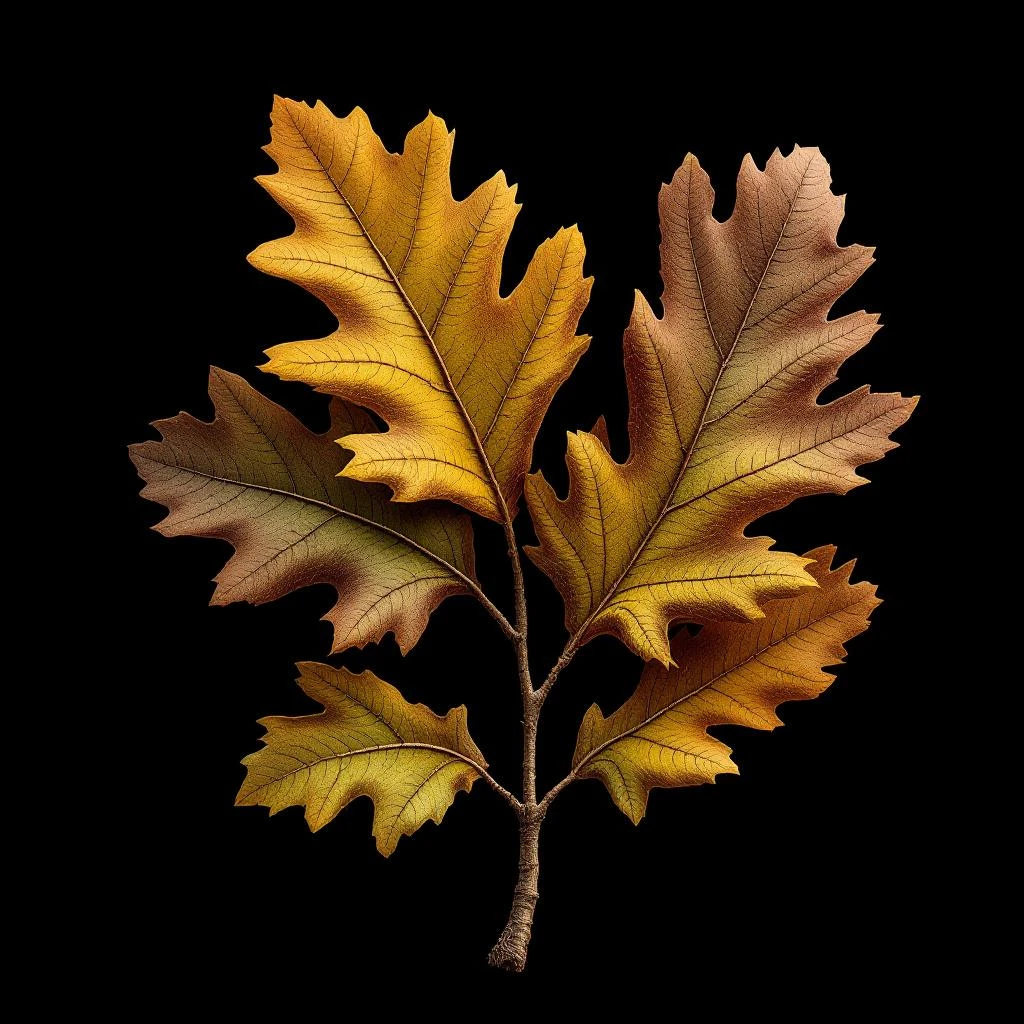
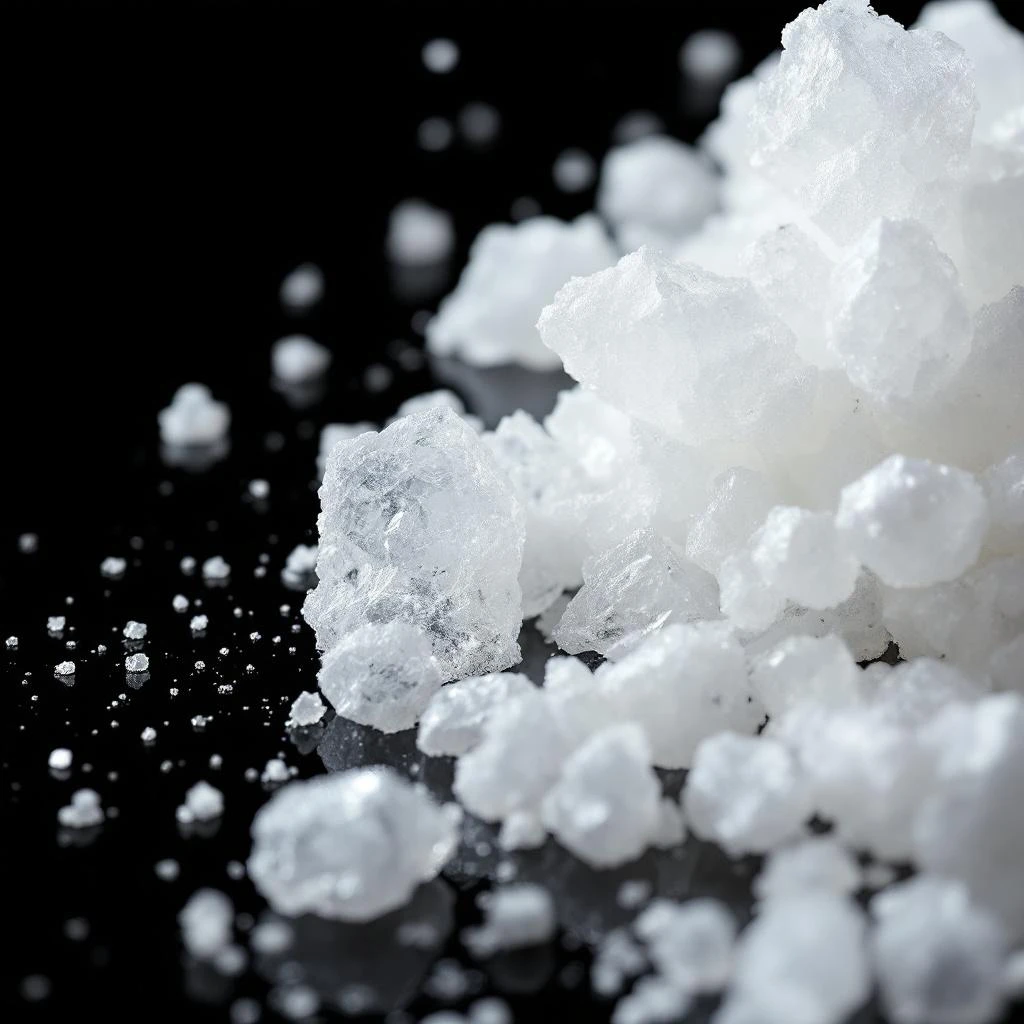
Origin
France
Slate has deep roots in perfumery's embrace of earth minerals. While ancient perfumers worked with resins and botanicals, the industrialization of fragrance in 19th-century France opened doors to mineral and mineral-aquatic territories.
Welsh slate quarries became a cultural touchstone—these grey-blue stones, used to roof cottages across the British Isles, developed a distinct smell when wet that stayed with people. Fragrance houses began incorporating stone-mimicking accords in the 1970s when atmospheric and nature-inspired notes gained popularity.
The note gained traction in masculine and unisex fragrances designed to evoke landscapes: coastal paths, mountain trails, fog-covered moors. Today, slate appears across niche and designer lines as a signature note for those seeking fragrances with grounded, contemplative character.
Wears it best
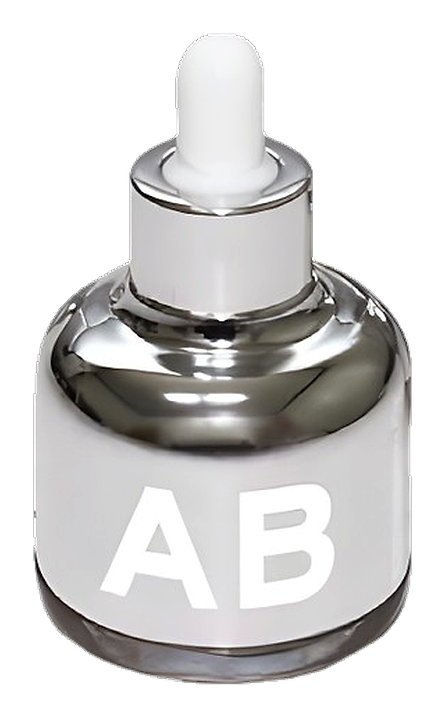
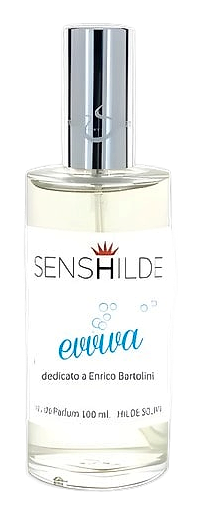
Fragrances featuring Slate

Brands
Brands known for Slate
Good to know
Questions, answered
The essentials on Slate in perfumery: how it smells, where it comes from, and how it behaves on skin.
What does slate smell like in perfume?
Slate smells like wet stone and cool minerals. It has a damp, slightly metallic quality with undertones of wet earth and cold air. The note creates a grounding effect in fragrance compositions.
Is slate a natural or synthetic ingredient?
Slate is primarily synthetic. Chemists combine mineral-smelling molecules like geosmin and ozonic aldehydes to recreate the scent of wet stone rather than extracting it from actual slate rock.
What fragrance families use slate notes?
Slate appears most often in fougère, chypre, and aromatic compositions. It works particularly well in men's fragrances and gender-neutral scents designed to evoke outdoor landscapes.
Which famous fragrances contain slate?
Several niche houses use slate as a signature note, though major houses typically list it as part of an 'aromatic' or 'mineral' accord. Check the pyramid for stone or mineral notes in aquatic and fougère fragrances.
Does slate pair well with marine notes?
Yes. Slate amplifies the cool, mineral quality of marine and ozonic notes. Together they create atmospheric effects reminiscent of stormy coastal environments.
How does slate perform as a base note?
Slate works well as a foundation note, providing stability and mineral depth. It has moderate longevity and helps ground lighter top notes without overwhelming the composition.
Can slate be detected on skin throughout the day?
Slate typically lasts 4-6 hours as a supporting note. Its mineral character emerges most clearly in the dry-down phase rather than as a projecting top note.
Is slate suitable for warm-weather fragrances?
Slate performs best in cool-weather and evening wear. Its damp, cold character can feel incongruous in summer heat but works beautifully in autumn, spring, and evening compositions.