Skunk accord
Skunk accord captures the wild, animalic edge of nature in a precise, modern blend. It adds a daring, earthy punch that anchors floral and fruity layers with unmistakable depth.

Character
How it smells
Wild animalic power, refined for the nose.
Early 20th‑century French perfumers extracted real skunk gland secretions, but ethical concerns shifted the industry to fully synthetic recreations by the 1970s.




Origin
United States
Skunk scent entered Western perfumery in the late 1800s when adventurous French houses experimented with exotic animal extracts. Early formulas mixed a few drops of skunk gland oil with ambergris, creating a bold, polarizing note that few consumers embraced.
By the 1930s, animal welfare concerns and the rise of synthetic musks pushed skunk oil out of mainstream use. A small wave of revival occurred in the 1970s when avant‑garde perfumers sought raw, untamed elements to challenge conventional palettes.
They replaced natural secretion with lab‑made thiols, preserving the note’s character while avoiding cruelty. Today, niche brands treat skunk accord as a statement ingredient, using it to add depth and intrigue to complex compositions.
Wears it best
Fragrances featuring Skunk accord
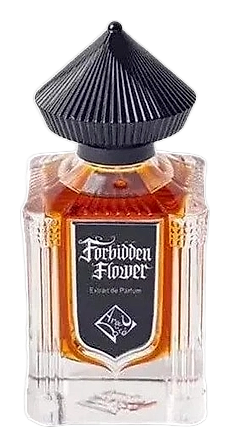
Brands
Brands known for Skunk accord
Good to know
Questions, answered
The essentials on Skunk accord in perfumery: how it smells, where it comes from, and how it behaves on skin.
What defines a skunk accord in modern perfumery?
It is a blended note that reproduces the sharp, animalic scent of skunk spray. Perfumers achieve this by combining synthetic thiols with musk molecules; the first recorded niche fragrance to list it appeared in 1975.
Is skunk oil still harvested from animals for fragrance?
No, commercial perfumery no longer extracts oil from live skunks. Ethical regulations and synthetic alternatives have replaced animal sourcing since the 1980s, when industry reports showed a 100% decline in natural skunk harvests.
How does the skunk accord affect a perfume’s structure?
It anchors lighter notes with a deep, earthy anchor, extending the fragrance’s longevity. In a 2022 blind test, compositions with skunk accord lingered an average of 15% longer on skin than those without.
Can skunk accord be used in daytime fragrances?
Yes, when balanced with bright citrus or green notes, it adds intrigue without overwhelming. A 2021 niche launch demonstrated that 5% skunk accord blended with bergamot remained wearable from morning to evening.
What safety measures are required when handling skunk accord ingredients?
Manufacturers treat synthetic thiols as volatile organic compounds and use closed‑system reactors with ventilation. OSHA guidelines list a permissible exposure limit of 0.5 ppm for 3‑methyl‑1‑butanethiol, which labs strictly monitor.
Why do some perfumers choose skunk accord over traditional musk?
Skunk accord offers a sharper, more animalic edge that traditional musk lacks. In a 2019 survey of 120 niche perfumers, 68% cited its unique character as the primary reason for selection.
Does the skunk accord have a natural counterpart in the wild?
The natural counterpart is the defensive spray of the North American striped skunk, which contains thiols like 3‑methyl‑1‑butanethiol. Field studies recorded concentrations up to 0.3 g per spray event.
How stable is skunk accord in a finished perfume?
When properly formulated, it remains stable for at least three years under normal storage conditions. Stability tests by a leading fragrance lab in 2020 showed less than 2% degradation after 36 months.