Silverberry
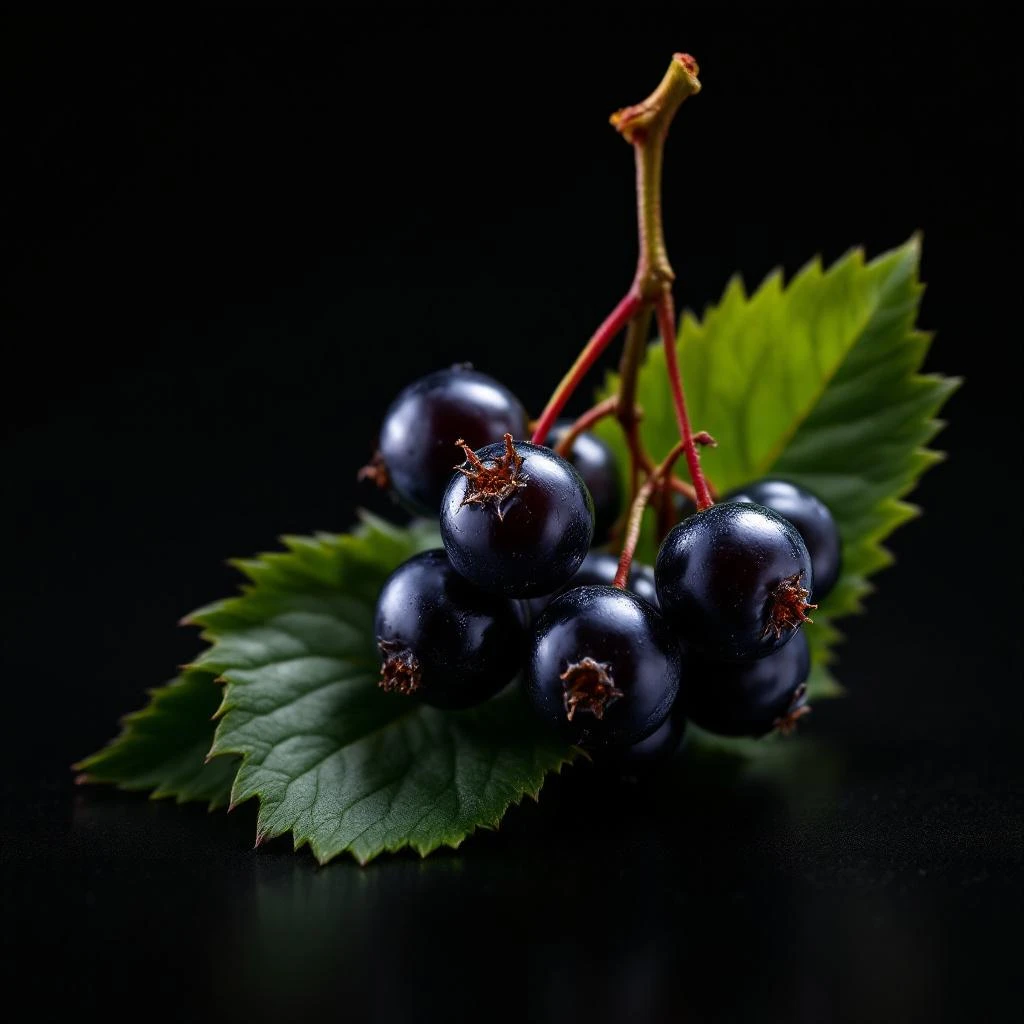
Silverberry (Elaeagnus umbellata) yields a rare, sweet-fruity absolute prized in niche perfumery for its luminous, berry-like warmth.
Character
How it smells
A rare, luminous berry note from East Asia
One silverberry bush can produce up to 65 pounds of berries annually, though the fragrant absolute remains scarce in perfumery.
Origin
Japan
Native to East Asia, silverberry has grown wild across Japan, Korea, and China for centuries. Traditional cultures in these regions used the fragrant berries in ceremonial offerings and natural remedies long before their aromatic potential reached Western perfumers.
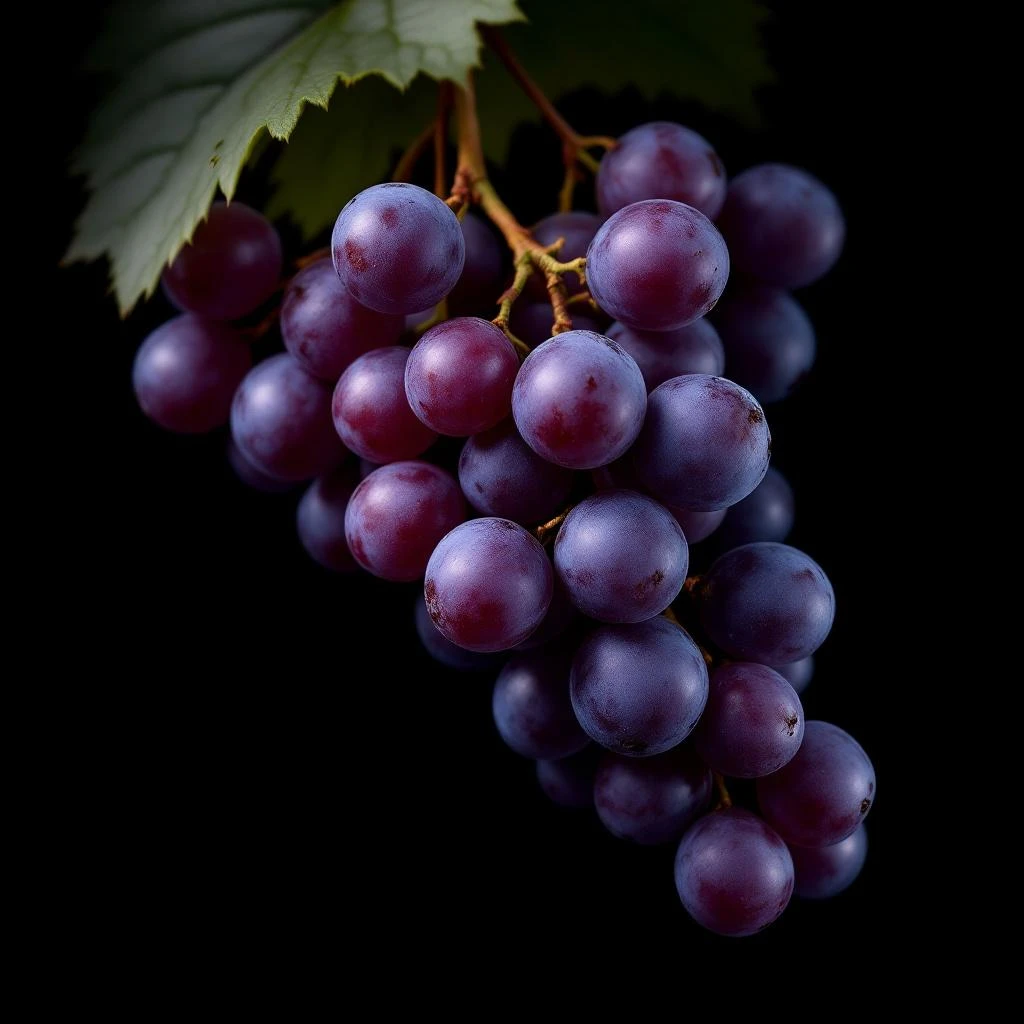
The plant earned its name from the distinctive metallic sheen coating each fruit, a silvery scaling that distinguishes it visually from common berry varieties. As trade routes expanded between Asia and Europe during the medieval period, Persian and Arab traders facilitated the exchange of new aromatic materials.
The Persian scholar Avicenna advanced oil extraction methods during this era, laying groundwork for processing unfamiliar botanical materials like silverberry. Niche perfumery began incorporating silverberry absolute in the late twentieth century, driven by a broader movement toward unusual natural ingredients and regionally distinct scent materials.
Wears it best
Fragrances featuring Silverberry
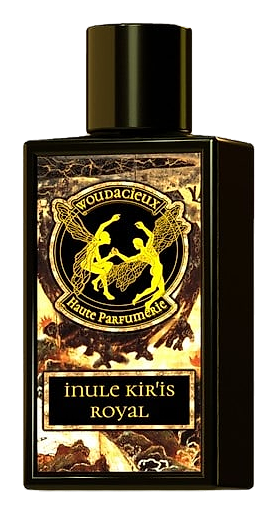
Brands
Brands known for Silverberry
Good to know
Questions, answered
The essentials on Silverberry in perfumery: how it smells, where it comes from, and how it behaves on skin.
What does silverberry smell like?
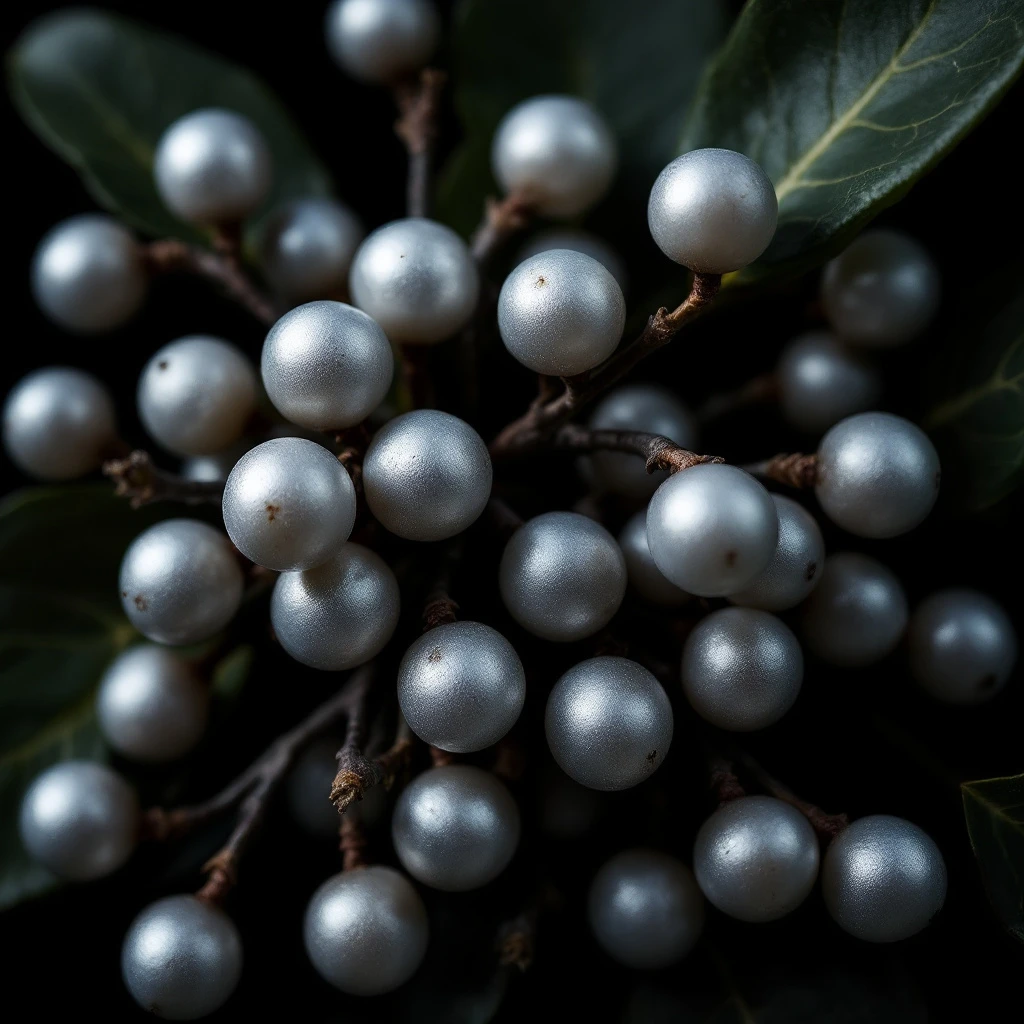
Silverberry has a sweet, fruity aroma reminiscent of ripe berries with subtle green and musky undertones. It adds a warm, natural berry quality to fragrance compositions rather than the sharp synthetic fruit notes common in mass-market products.
Is silverberry a natural or synthetic ingredient?
Silverberry is a natural ingredient sourced from the berries of Elaeagnus umbellata. Its relative scarcity means it appears almost exclusively in niche and artisanal fragrances rather than commercial mass-market perfumes.
Which perfume families use silverberry?
Silverberry absolute appears mainly in fruity and oriental fragrance families. Niche perfumers pair it with white musks, woods, and florals to create compositions with a distinctive natural berry character.
Where does silverberry grow?
Silverberry originates from East Asia, growing wild across Japan, Korea, and China. The plant thrives in temperate climates and produces aromatic berries in autumn, though commercial cultivation for perfumery remains limited.
How is silverberry absolute produced?
Solvent extraction of fresh autumn-harvested berries yields a concrete, which is further processed into absolute. The low yield means considerable quantities of berries are required per batch of extractable material.
Is silverberry commonly found in perfumes?
Silverberry remains uncommon in commercial perfumery. Its scarcity and niche appeal make it a signature ingredient for independent perfumers, appearing in a select number of high-end fragrances focused on natural and unusual materials.
Does silverberry have any traditional uses beyond perfumery?
Beyond fragrance, silverberry has a history in traditional East Asian remedies and ceremonial practices. The plant also produces edible berries rich in lycopene, though perfumers prize them exclusively for their aromatic qualities.
What makes silverberry unique among berry notes?
Unlike common berry notes derived from synthetic compounds, silverberry offers genuine botanical complexity. The natural extract combines sweet fruit with green and musky dimensions, giving fragrances an organic depth that replicated berry notes typically lack.