Inula
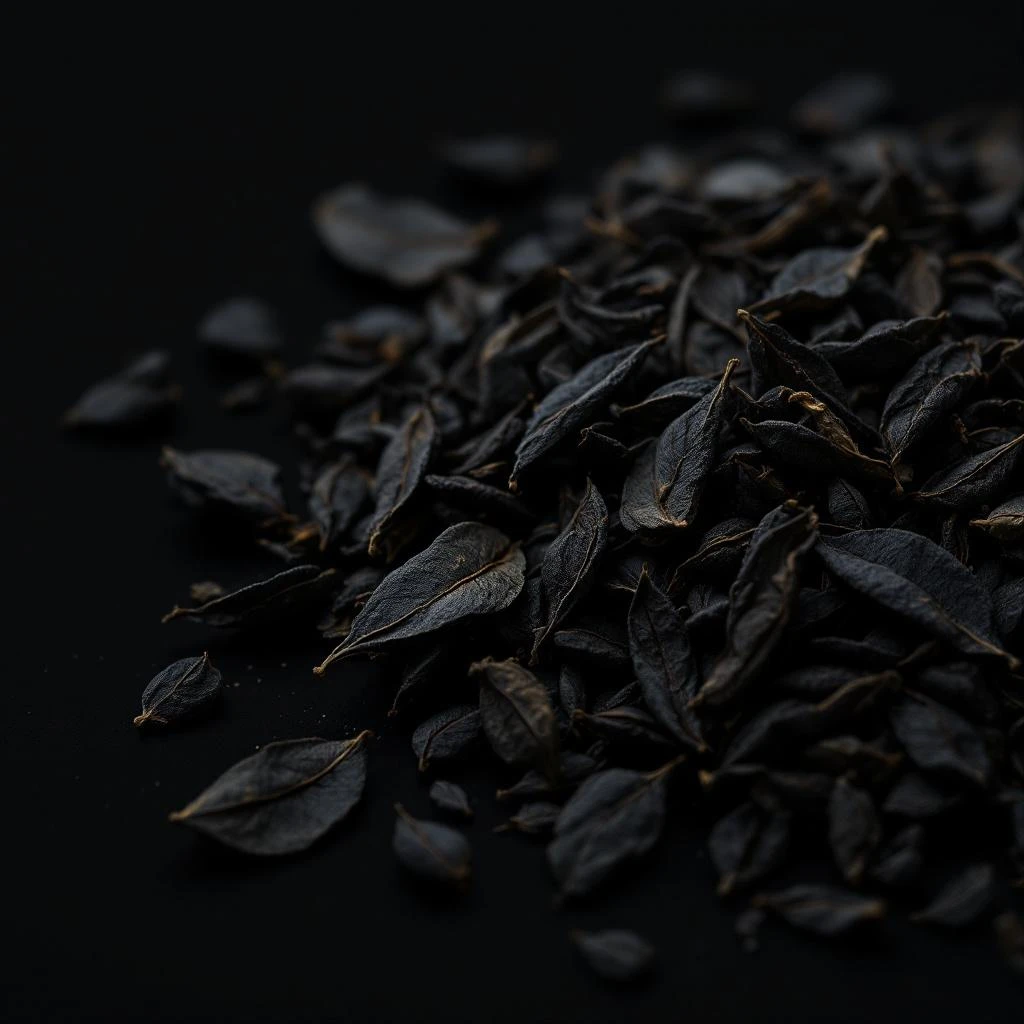
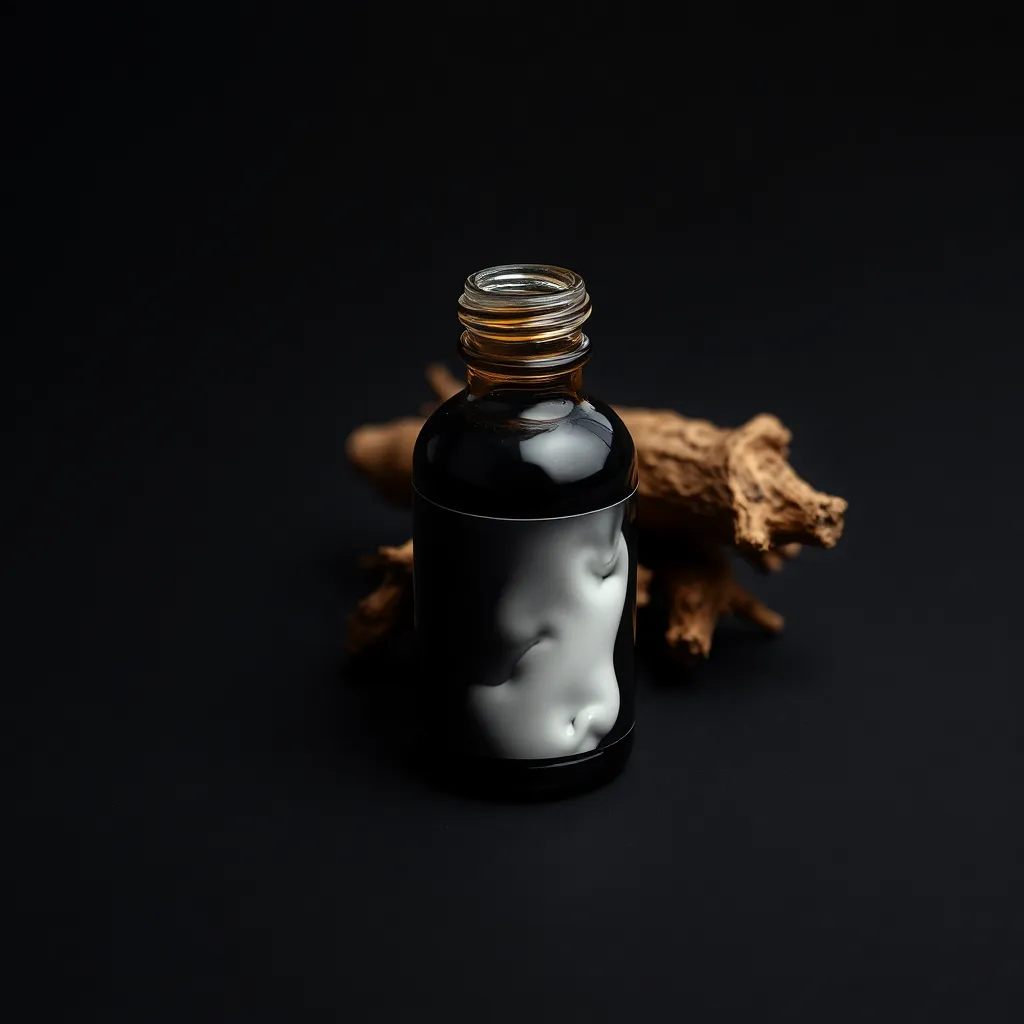
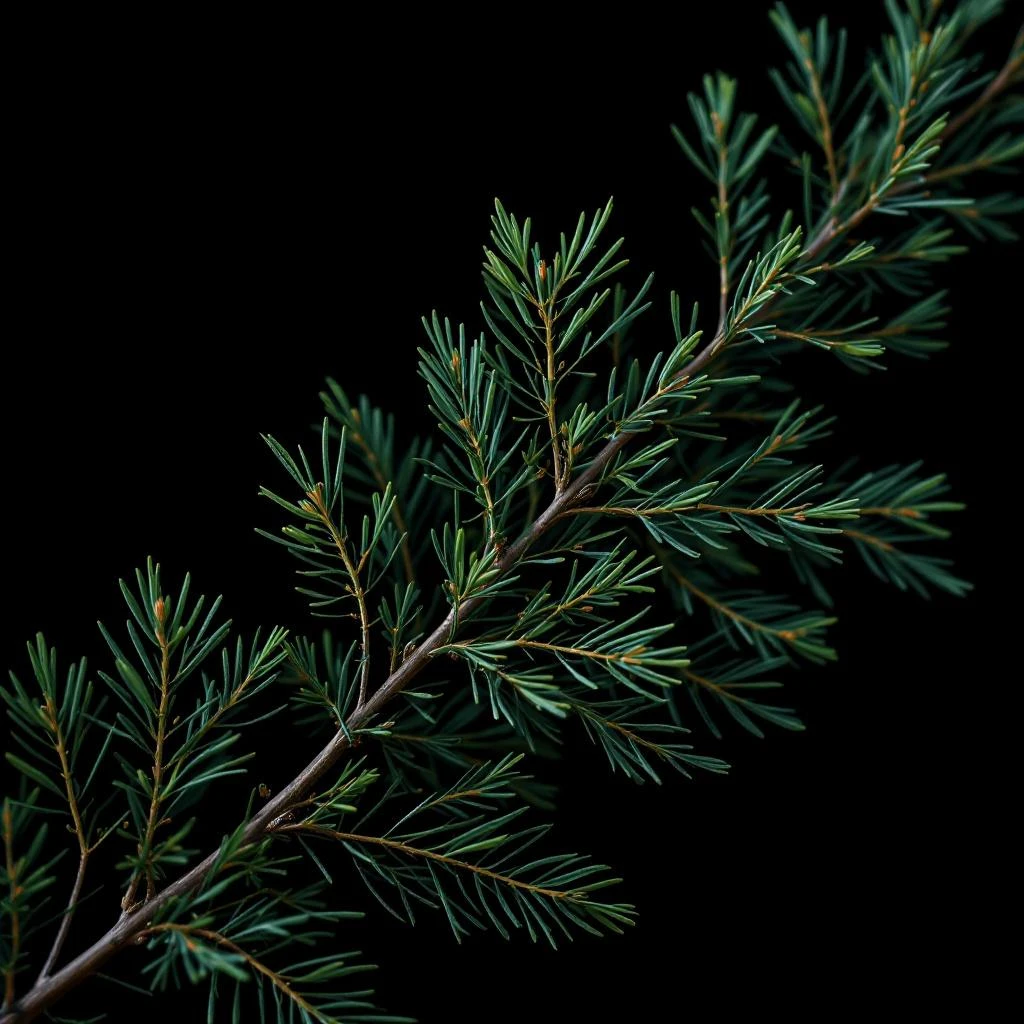
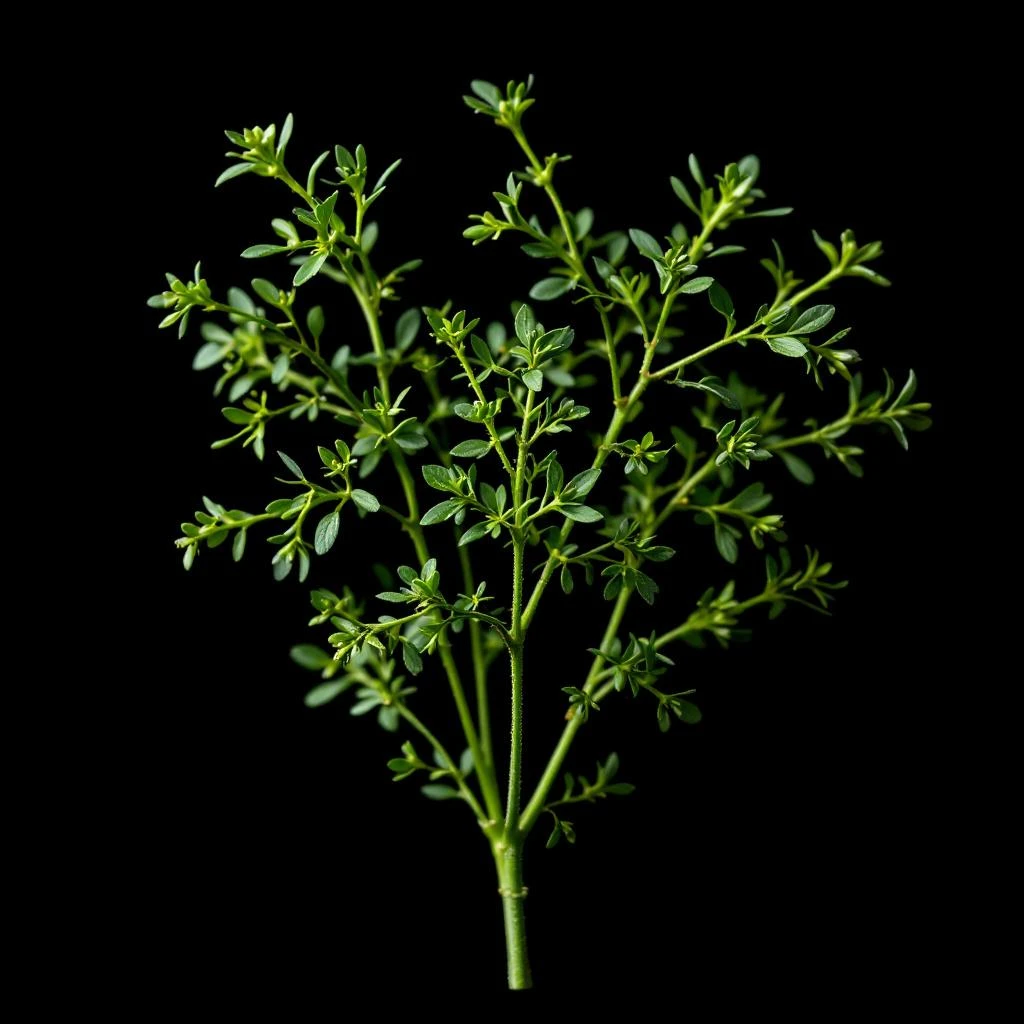
Inula, a rare Mediterranean botanical, yields a potent essential oil with a distinctly bitter, camphoraceous profile that adds unexpected depth to fine fragrances when used in trace amounts.

Character
How it smells
Mediterranean bitter botanical for aromatic depth
Inula oil requires less than 0.5% concentration in a fragrance blend to make its presence known.




Origin
Greece
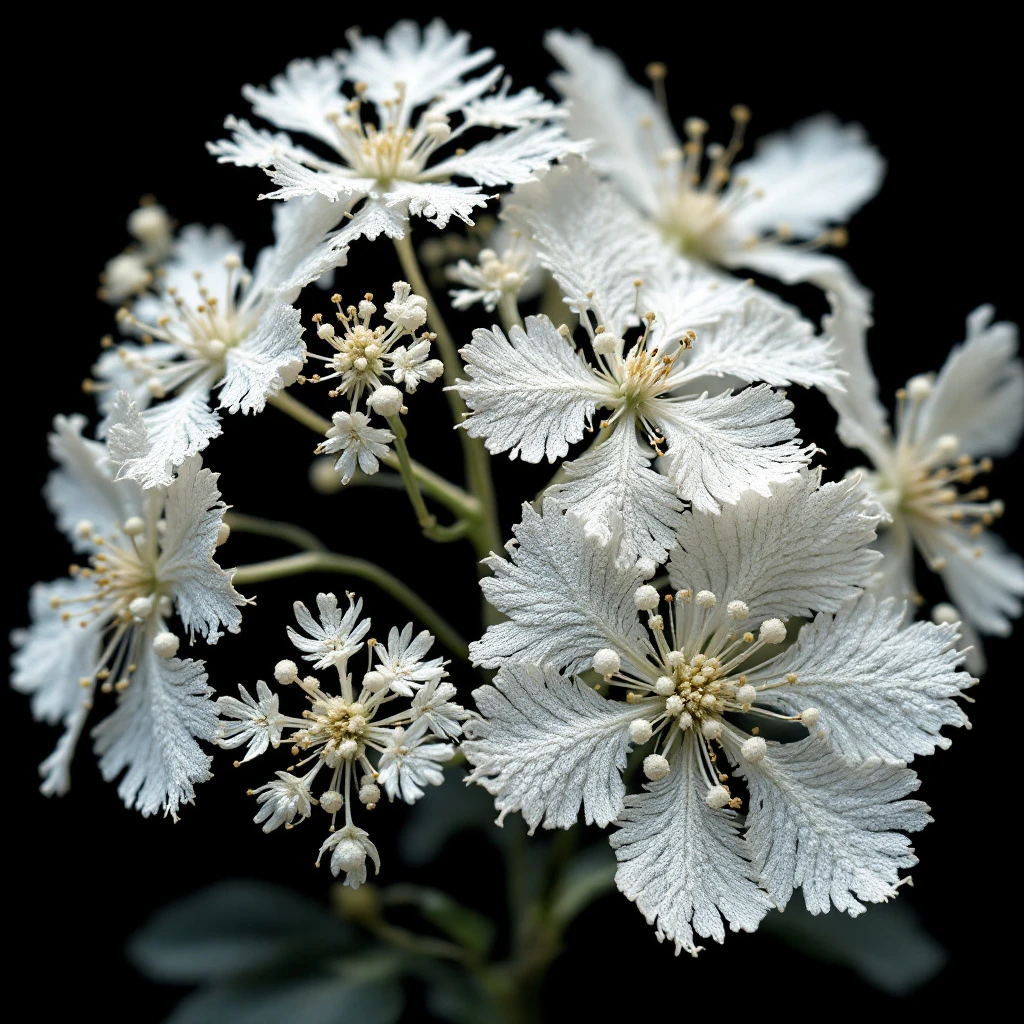
Inula has grown wild across Mediterranean landscapes for thousands of years, earning attention from ancient physicians who documented its therapeutic applications. Greek healers including Dioscorides recorded its use for respiratory and digestive complaints.
Mediterranean cultures incorporated the bitter herb into traditional preparations and early fragrant applications. Egyptian practitioners utilized aromatic botanicals from this region in ceremonial contexts.
The plant remained part of folk medicine traditions throughout Southern Europe for centuries before perfumers recognized its aromatic potential. Contemporary natural perfumery has revived interest in this botanical, though its strong character limits usage to accent roles in complex compositions.
Wears it best
Fragrances featuring Inula
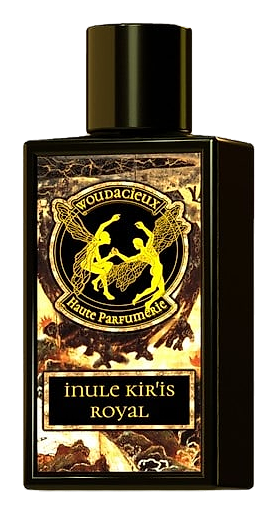
Brands
Brands known for Inula
Good to know
Questions, answered
The essentials on Inula in perfumery: how it smells, where it comes from, and how it behaves on skin.
What does inula smell like?
Inula oil presents a bitter, camphoraceous, and medicinal aroma with earthy undertones and hints of pine. It has a distinctly harsh quality that softens considerably when diluted to perfumery concentrations. Most people detect a resinous, almost turpentine-like character.
Is inula oil safe for skin application?
Inula oil carries risk of skin sensitization and should never be used undiluted. Industry guidelines recommend a maximum concentration of 0.1% in finished fragrance products. Pregnant women, children, and individuals with epilepsy should avoid this ingredient entirely.
What fragrance families use inula?
Perfumers employ inula primarily in chypre and fougère compositions where its bitter, aromatic quality adds complexity. It works well alongside patchouli, oakmoss, and cistus labdanum. The ingredient appears mainly in fine fragrance and natural perfumery rather than commercial mass-market products.
Can inula be used in aromatherapy?
Aromatherapists value inula oil for respiratory support applications, though professional guidance is essential given its potency. Some practitioners use it for grounding and emotional balance. Home aromatherapy applications require proper dilution and careful dosage under experienced supervision.
Why is inula considered rare in perfumery?
Inula remains uncommon due to low oil yield during distillation, limited commercial cultivation, and its challenging odor profile. Most production comes from wild-harvested material in the Mediterranean. Perfumers use it sparingly, typically less than 0.5% of a fragrance formula, which limits demand.
What chemical compounds define inula oil?
Bornyl acetate typically dominates the oil composition, contributing its distinctive camphor-like character. Sesquiterpene hydrocarbons provide earthy base notes while various monoterpenes create the sharp, medicinal top effect. This combination explains inula's complex, multi-layered aroma.
Does synthetic inula exist?
No synthetic equivalent can fully replicate inula's complex natural composition. Bornyl acetate, a major component, is available as a natural isolate and can partially substitute for inula's character. Full aromatic authenticity requires the natural oil with its complete terpene profile.
How does inula perform in fragrance longevity?
Inula contributes moderate tenacity to fragrance compositions. Its heavier molecular weight components help anchor lighter top notes, extending their presence on skin. The ingredient performs best as a supporting element rather than a primary scent driver.