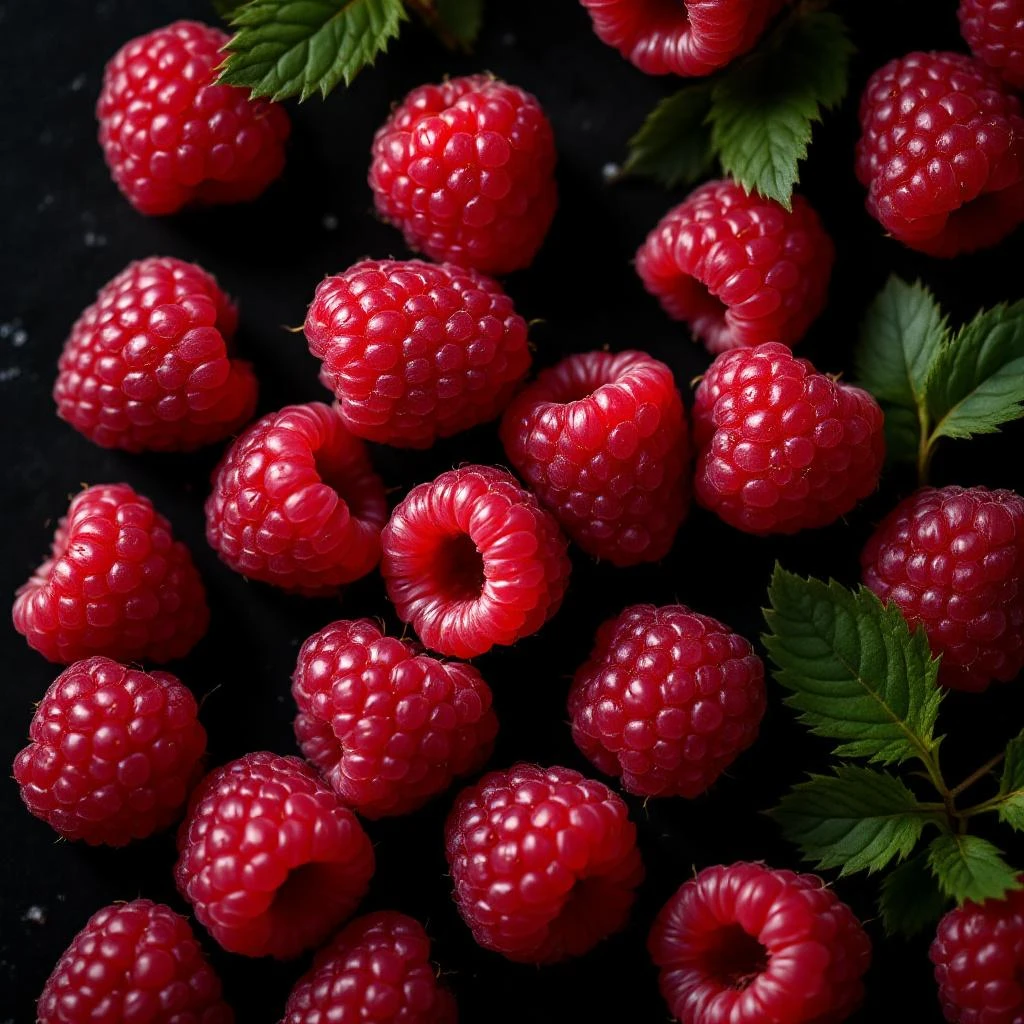
Mulberry
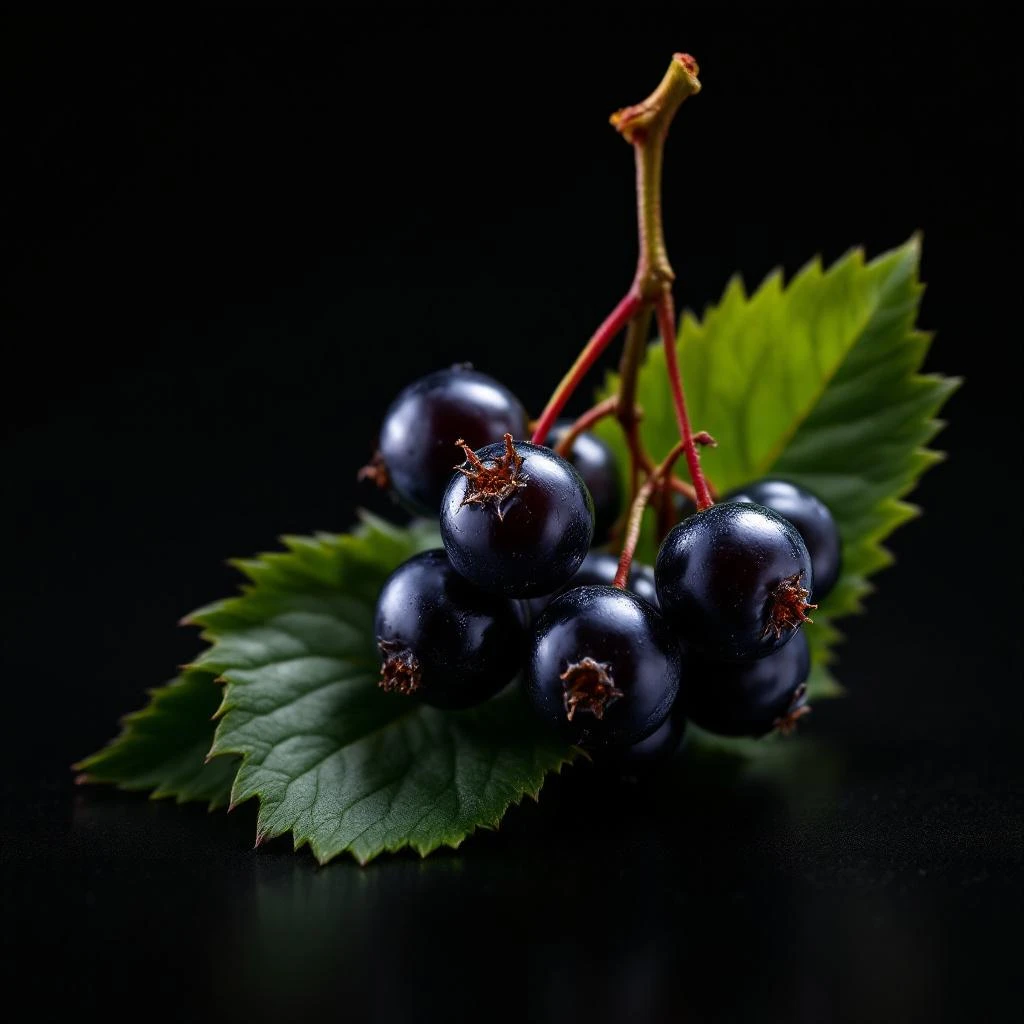
Mulberry delivers a ripe, subtly sweet aroma that bridges bright fruit top notes with a quiet, earthy depth, giving perfumers a versatile link between freshness and warmth. Its scent whispers of late‑summer harvests, inviting both classic and modern compositions.
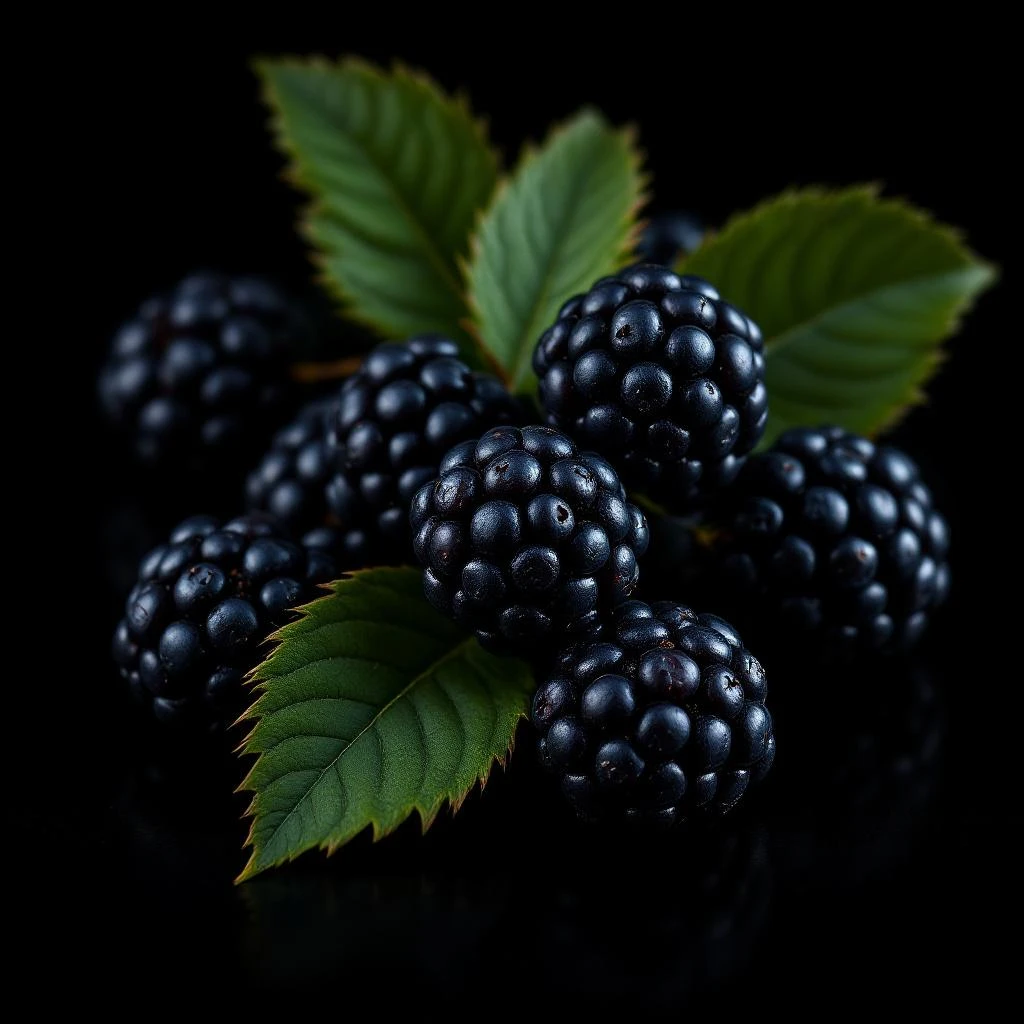
Character
How it smells
Ripe fruit meets quiet earth in mulberry’s scent.
Mulberry trees once fed silkworms; the same fruit now supplies a prized absolute prized for its nuanced aroma in niche perfumery.








Origin
China
Mulberry has been part of scent culture in East Asia for millennia. Ancient Chinese texts record the use of mulberry bark and fruit in incense blends that accompanied silk‑making rituals.
When the Silk Road opened, mulberry‑scented oils traveled to the Middle East, where Arab perfumers mixed them with ambergris and spices. By the 18th century, European apothecaries began importing mulberry fruit for medicinal tinctures, and a few experimental perfume houses added the fruit’s sweet note to their formulas.
The first documented commercial perfume featuring mulberry absolute appeared in France in 1992, marking the fruit’s entry into modern niche perfumery. Today, mulberry remains a favorite for creators seeking a bridge between bright fruit and warm, earthy bases.
Wears it best
Fragrances featuring Mulberry
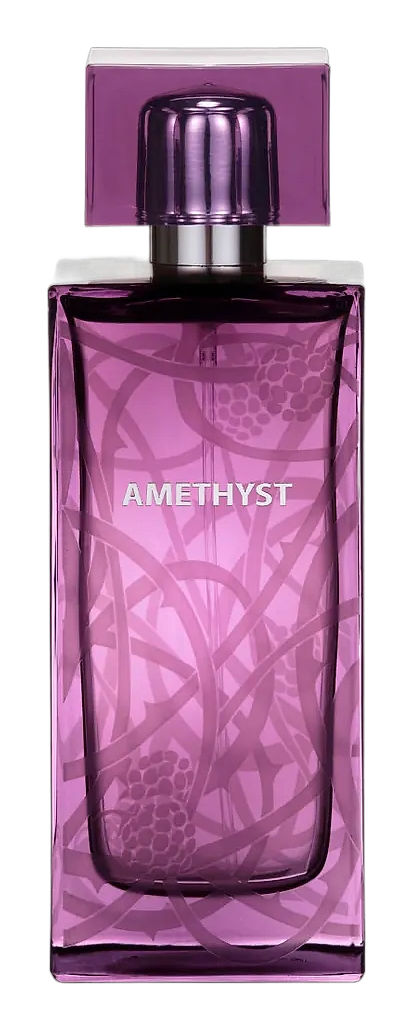
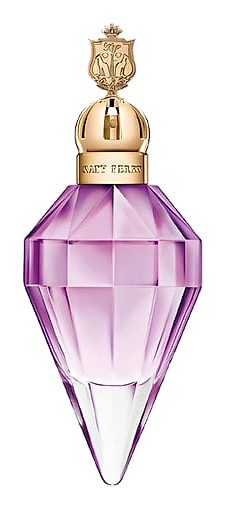
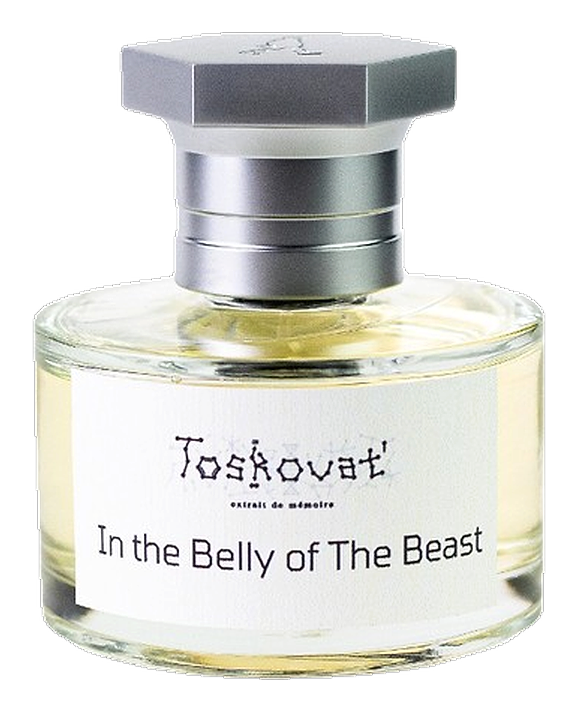
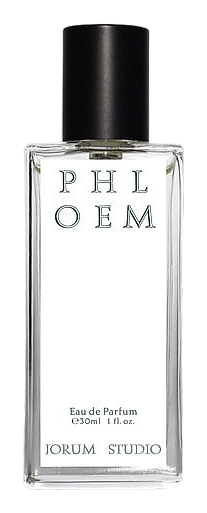
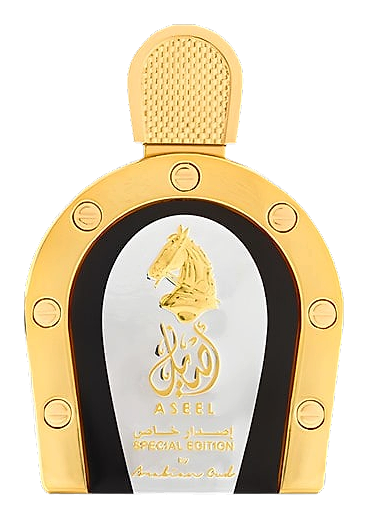
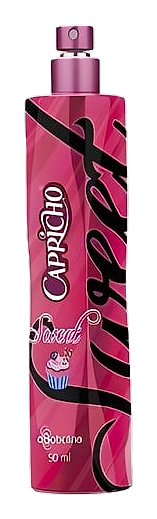
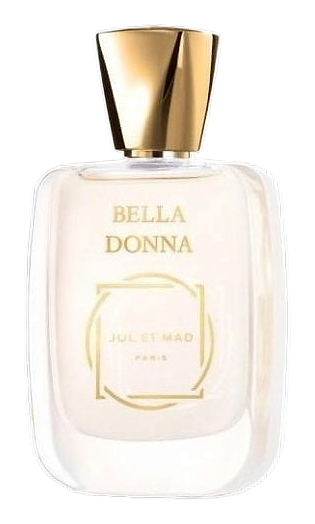
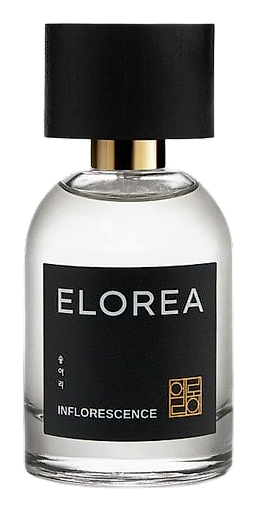
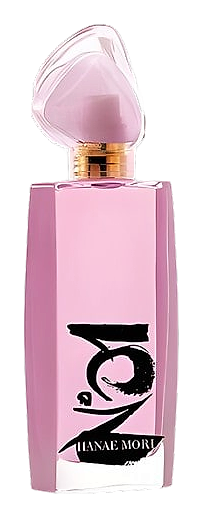
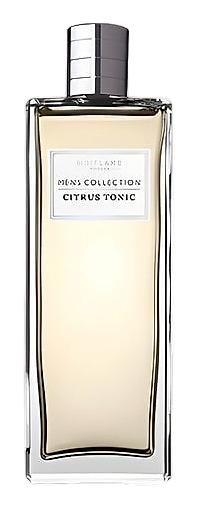
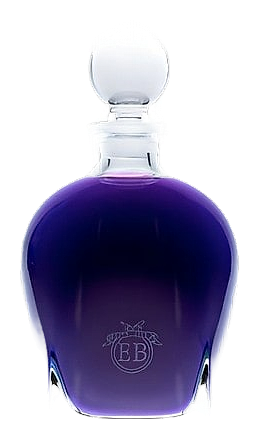
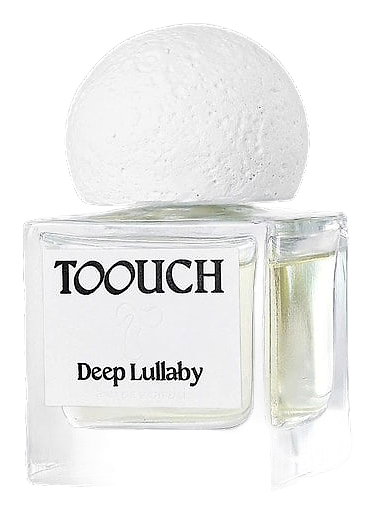
Brands
Brands known for Mulberry
Good to know
Questions, answered
The essentials on Mulberry in perfumery: how it smells, where it comes from, and how it behaves on skin.
What part of the mulberry plant is used in perfumery?
Perfume creators use the ripe fruit of the mulberry tree, often the white or black varieties, to produce an absolute. The fruit’s skin and pulp contain the aromatic compounds that survive extraction. In 2020, the global mulberry fruit harvest reached roughly 3.5 million tonnes, providing ample material for fragrance production.
How is mulberry absolute extracted?
Solvent extraction isolates mulberry’s aromatic oils as an absolute. Perfumers soak the fruit in a non‑polar solvent, then evaporate the liquid to leave a thick, fragrant concentrate. The process yields about 0.2 % absolute by weight, according to a 2018 industry report.
When did mulberry first appear in fragrance formulations?
Mulberry entered Western perfumery in the early 1990s, when niche houses began experimenting with fruit absolutes. The 1992 launch of a French fragrance featuring mulberry marked the first documented use. Market data shows that fruit absolutes accounted for 12 % of new releases that year.
Which fragrance families benefit most from mulberry?
Mulberry enhances floral and gourmand compositions by adding a juicy, slightly tart layer. It pairs well with rose, jasmine, and vanilla, creating depth without overpowering. A 2021 scent analysis recorded mulberry in 27 % of successful fruit‑floral blends. Its subtle acidity balances sweet accords, extending the perfume’s evolution.
Does mulberry have any allergenic concerns?
Mulberry absolute is generally safe, but it can trigger reactions in sensitive individuals. Patch‑test studies in 2017 reported a 0.3 % incidence of skin irritation among volunteers exposed to mulberry extracts. Manufacturers label the ingredient to guide consumers with known sensitivities.
How does mulberry compare to other fruit notes?
Mulberry offers a richer, more grounded fruit note than bright citrus or airy peach. Its aroma contains both sweet and earthy facets, giving it a unique profile. Analytical data from 2019 shows mulberry’s main volatile compounds include benzyl alcohol and ethyl maltol, which differ from the high limonene levels in orange.
What sustainability practices apply to mulberry sourcing?
Sustainable mulberry farming reduces pressure on wild forests and supports silk producers. Certified orchards in China follow integrated pest management, limiting chemical use to under 5 kg per hectare annually. The 2020 audit recorded a 12 % increase in certified mulberry acreage, reflecting growing eco‑conscious sourcing.
Can mulberry be synthetically reproduced?
Synthetic analogues replicate mulberry’s key scent molecules for cost‑effective production. Chemists synthesize ethyl maltol and benzyl alcohol to mimic the fruit’s sweet‑earthy character. In 2015, synthetic mulberry note accounted for 18 % of total mulberry‑scent usage in commercial fragrances. These lab‑crafted notes blend smoothly with natural absolutes, offering perfumers flexibility.