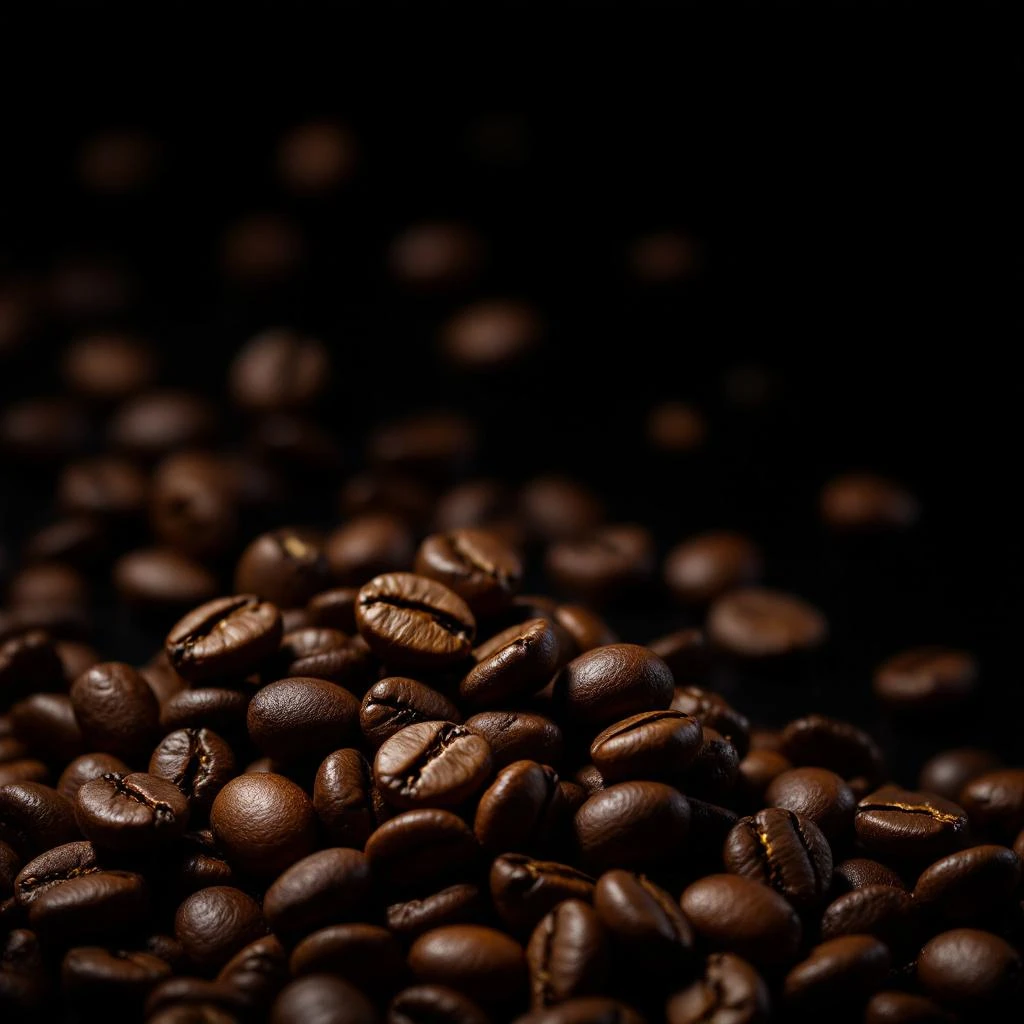
Siberian Coffee
A bold, smoky coffee extract with deep roasted warmth and a distinctive bitter edge. Siberian Coffee brings an unexpected Nordic dimension to fragrance, evoking frost-laden mornings and the rich aroma of dark-roasted beans in crisp mountain air.
Character
How it smells
Dark-roasted warmth from northern latitudes
Coffee beans contain over 1,000 aromatic compounds, more than wine.





Origin
Ethiopia
Coffee traces its origins to the Ethiopian plateau, where legend holds that a goat herder named Kaldi discovered the energizing properties of the plant around 850 AD. By the 15th century, coffee cultivation spread to Yemen and the Arabian Peninsula, transforming global trade routes. The ingredient reached Europe through Ottoman traders in the 16th century, quickly becoming a commodity that reshaped economics and culture across continents.
Coffee houses emerged as intellectual hubs in Constantinople, Venice, and Vienna, earning names like 'Schools of the Wise.' This rich history underpins Siberian Coffee, connecting the warmth of Ethiopian sun-dried beans to the cold precision of modern extraction, creating an ingredient that bridges continents and centuries in a single aromatic expression.
Wears it best
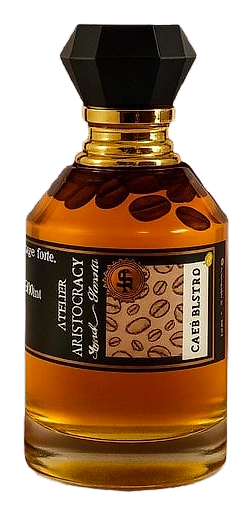
Fragrances featuring Siberian Coffee
Brands
Brands known for Siberian Coffee
Good to know
Questions, answered
The essentials on Siberian Coffee in perfumery: how it smells, where it comes from, and how it behaves on skin.
What does Siberian Coffee smell like?
Siberian Coffee delivers bold roasted coffee notes with smoky, slightly bitter undertones and a distinctive earthy warmth reminiscent of dark chocolate and burnt caramel.
Is Siberian Coffee natural or synthetic?
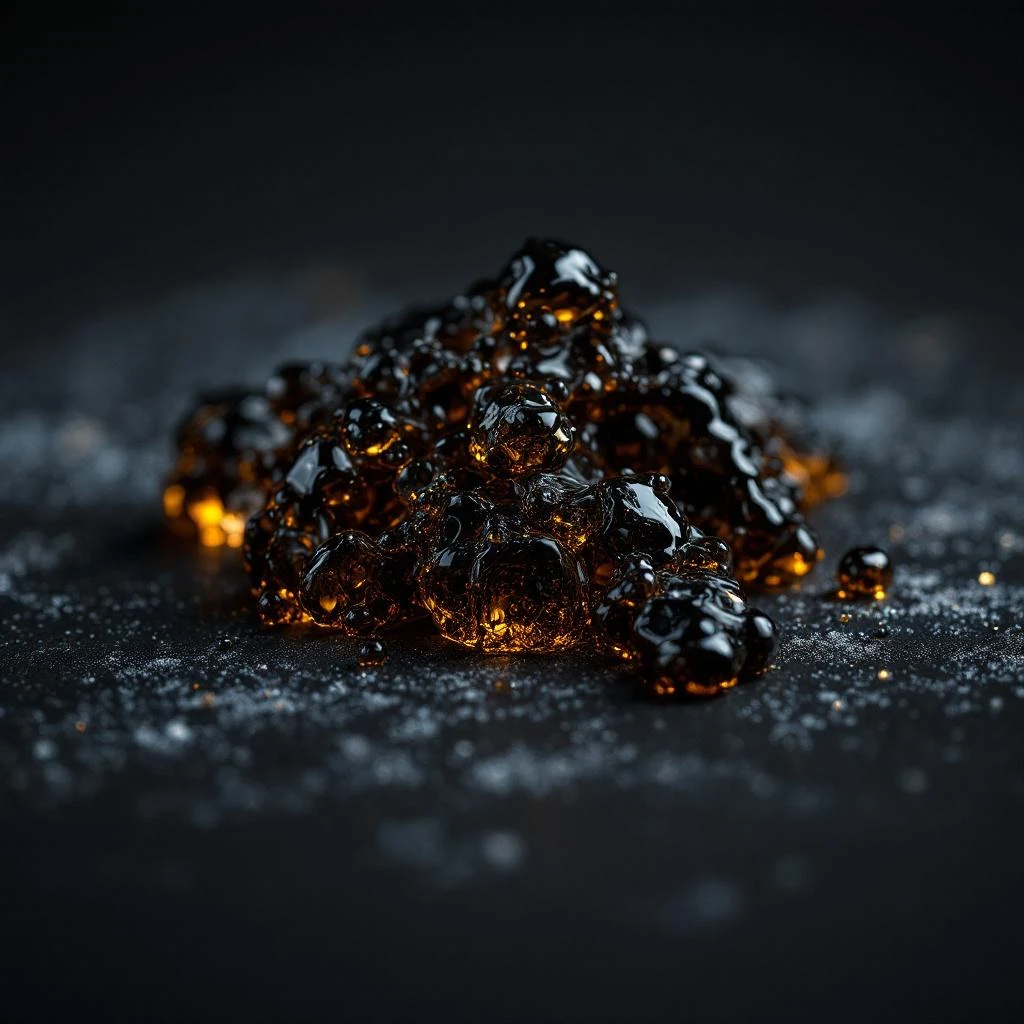
Siberian Coffee is a natural extract. Supercritical CO2 extraction preserves the bean's full aromatic profile without chemical solvents, making it a premium natural perfumery material.
Which fragrance families use Siberian Coffee?
Siberian Coffee appears primarily in oriental and woody fragrances. It pairs exceptionally well with vanilla, amber, oud, and spice notes in both masculine and unisex compositions.
Where does coffee used in perfumery originate?
Most perfumery coffee originates from Ethiopia, the plant's birthplace. Brazil and Colombia also produce high-quality beans. Ethiopian beans typically yield brighter, more complex coffee notes.
How much Siberian Coffee is typically used in a fragrance?
Siberian Coffee functions as a heart-to-base note. Perfumers typically use it at low concentrations between 0.5% and 3%, as its intense roasted character can quickly dominate a composition.
Does Siberian Coffee contain caffeine?
The supercritical CO2 process removes caffeine during extraction. The resulting aromatic material retains coffee's smell and flavor compounds but not its stimulant properties.
What fragrances feature Siberian Coffee prominently?
Several niche and designer houses feature coffee notes prominently. Coffee absolutes and extracts commonly appear alongside patchouli, amber, and spices in fragrances designed for cooler seasons.