Sequoia Bark
Sequoia bark carries the deep, resinous scent of ancient forests. Aromatic, woody, and quietly smoky, it anchors compositions with a grounded, meditative quality unlike softer ingredients.
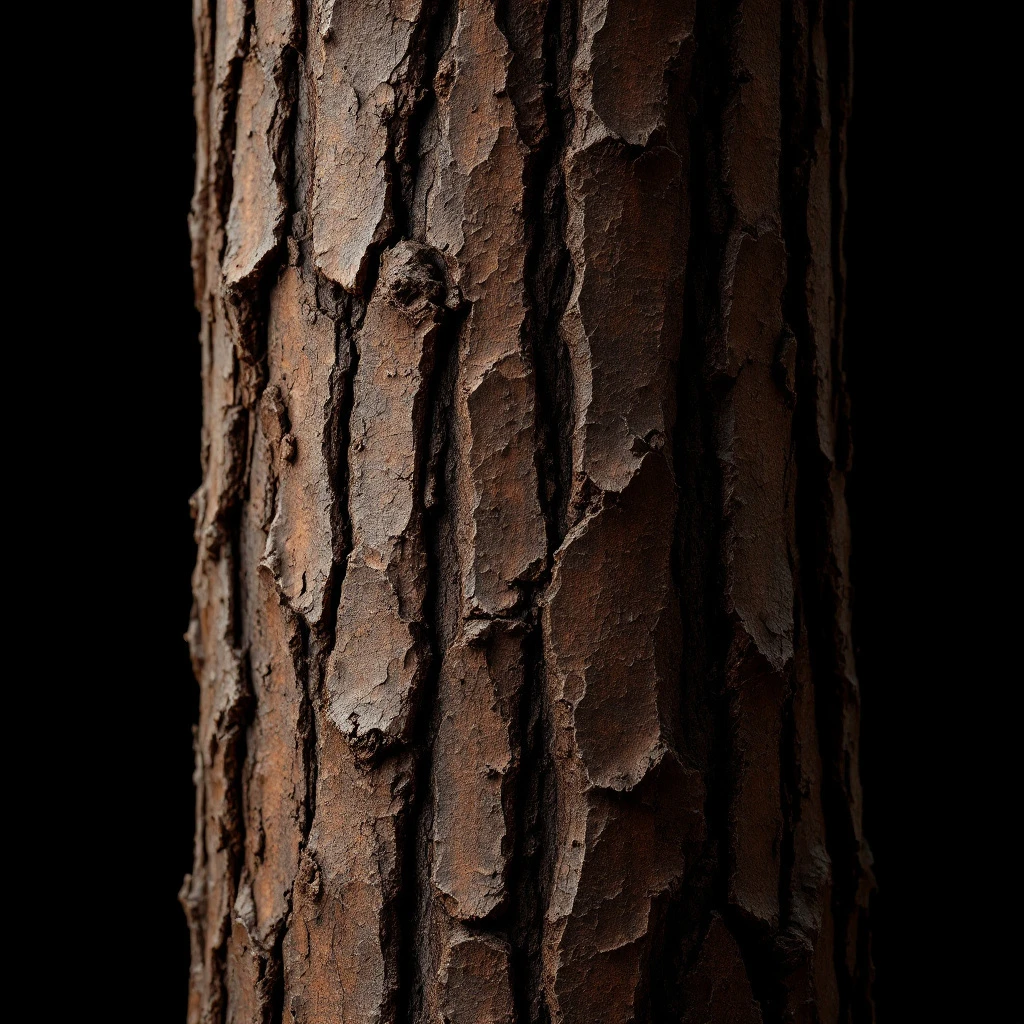
Character
How it smells
Ancient wood, whispering resin
Giant sequoias can live over 3,000 years, making their bark one of the oldest aromatic materials sourced for modern perfumery.







Origin
United States
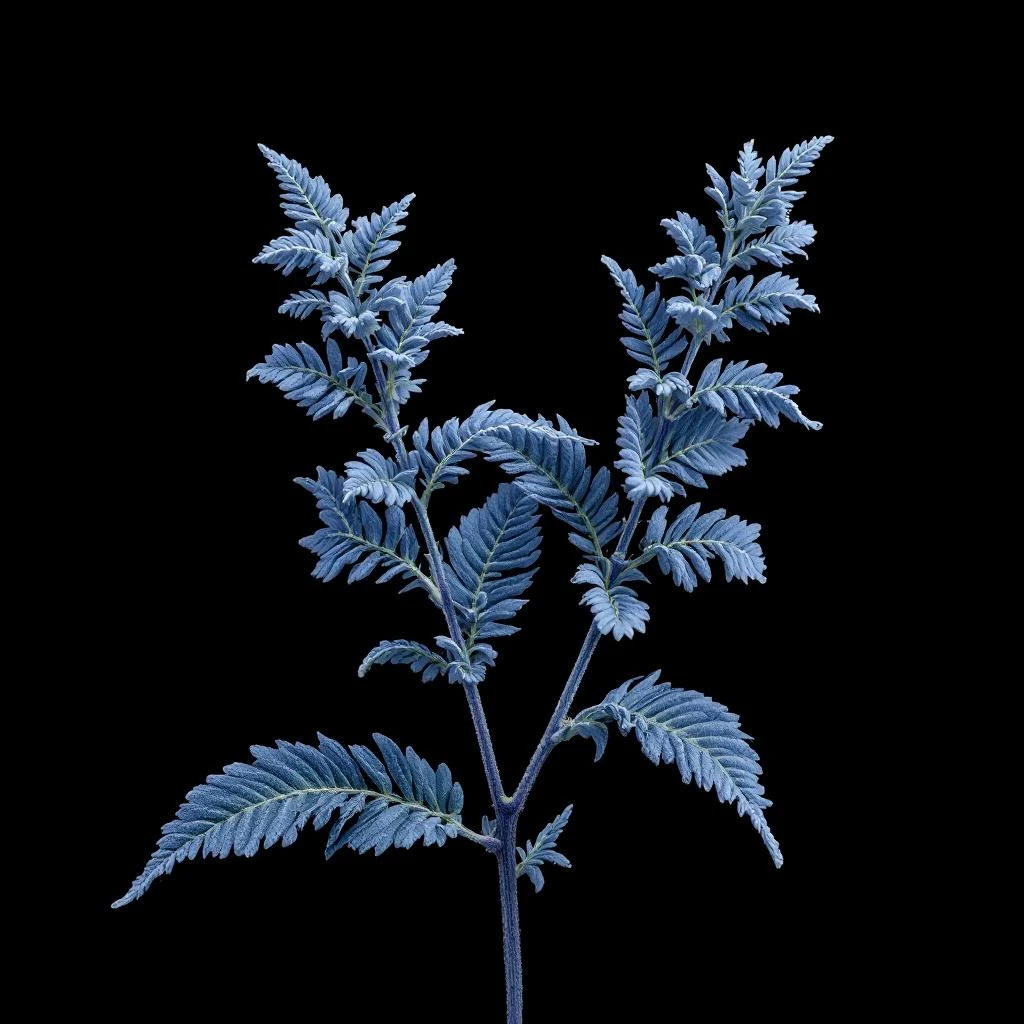
Indigenous peoples of coastal California and Oregon used sequoia bark and foliage in medicinal preparations for centuries. Early settlers and botanists documented these practices during 19th-century exploration of the Sierra Nevada. Commercial interest in sequoia bark as a fragrance material emerged only in the late 20th century, as niche perfumers sought unusual woody materials beyond traditional cedar and sandalwood.
Sustainability concerns shaped its adoption; strict regulations on harvesting old-growth trees meant that only bark from managed plantations or fallen specimens entered perfumery. Today, sequoia bark represents a bridge between traditional botanical knowledge and contemporary conservation-aware fragrance design, valued for its rarity and its distinctive aromatic profile that cannot be replicated with synthetic substitutes.
Wears it best
Fragrances featuring Sequoia Bark
Brands
Brands known for Sequoia Bark
Good to know
Questions, answered
The essentials on Sequoia Bark in perfumery: how it smells, where it comes from, and how it behaves on skin.
What does sequoia bark smell like in perfumery?
Sequoia bark smells deep, resinous, and woody, with quiet smoky undertones. It carries the dry warmth of old-growth conifer forests, distinct from sharper pine or sweeter cedar notes typically used in fragrance.
Is sequoia bark a sustainable fragrance ingredient?
Sequoia bark sourcing follows strict sustainability rules. Commercial material comes from managed plantations or naturally fallen trees, never living old-growth specimens, making supply limited but ecologically responsible.
How is sequoia bark oil extracted?
Steam distillation is the primary method. Harvested bark is treated with pressurized steam to release volatile aromatic compounds, producing a dense essential oil with natural fixative qualities prized by artisan perfumers.
Which perfumes use sequoia bark as a note?
Sequoia bark appears primarily in niche and artisan fragrances. Houses like Xerjoff and a handful of independent perfumers have featured it in woody, forest-inspired compositions seeking rare conifer character.
Can sequoia bark be confused with cedar in fragrance?
Yes, sequoia bark shares woody and resinous qualities with cedar, but it tends darker, with less sweetness. Trained noses detect drier, more meditative facets in sequoia versus cedar's cleaner brightness.
Does sequoia bark oil have natural fixative properties?
Yes, sequoia bark contains heavy sesquiterpenes that slow evaporation of lighter top notes. This gives compositions a longer-lasting drydown and adds grounded depth to woody and oriental fragrance structures.
Why is sequoia bark rare in commercial perfumery?
Sequoia bark remains rare due to low distillation yields and harvesting restrictions protecting ancient trees. These supply limits keep it confined to small-batch and luxury niche fragrance production.
Is sequoia bark a natural or synthetic fragrance material?
Sequoia bark is a natural material when steam-distilled from harvested bark. No widely accepted synthetic replica captures its full complexity, which is why authentic sequoia oil commands premium pricing.

