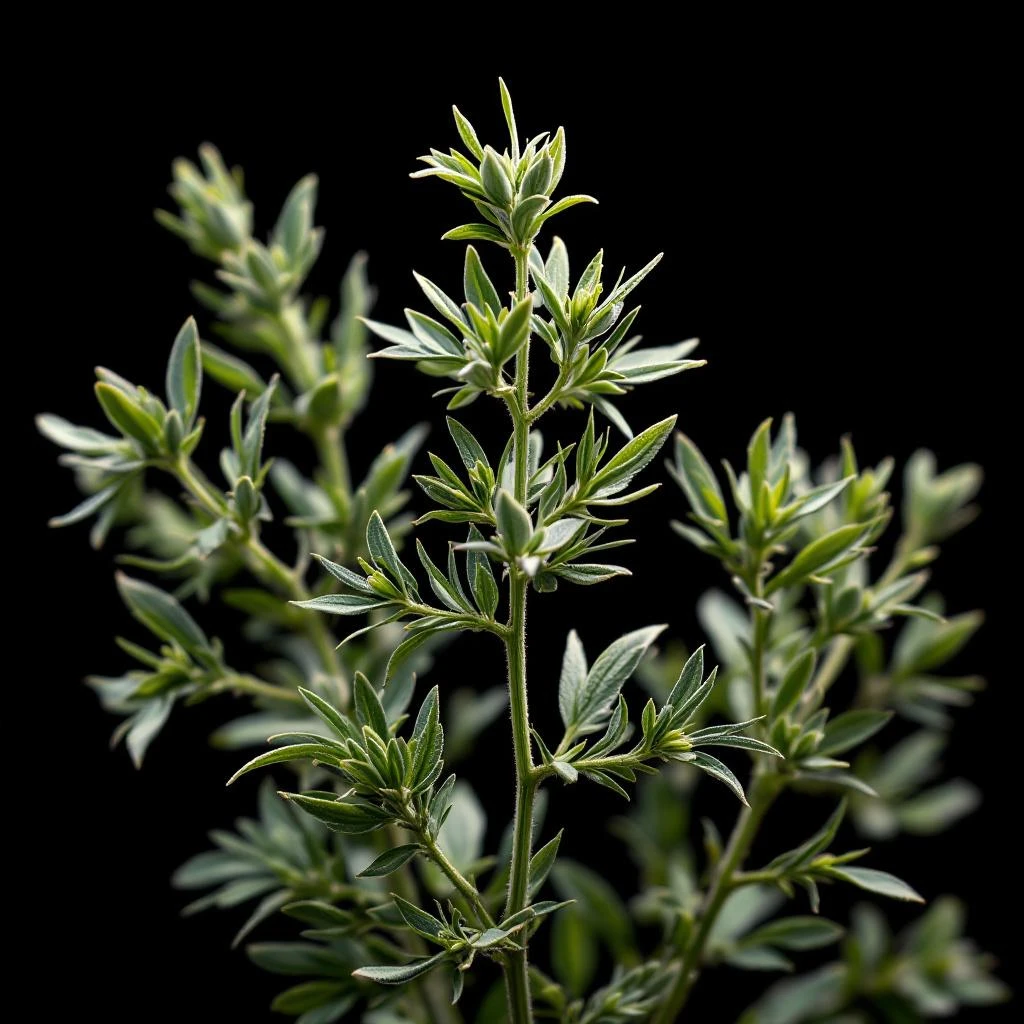
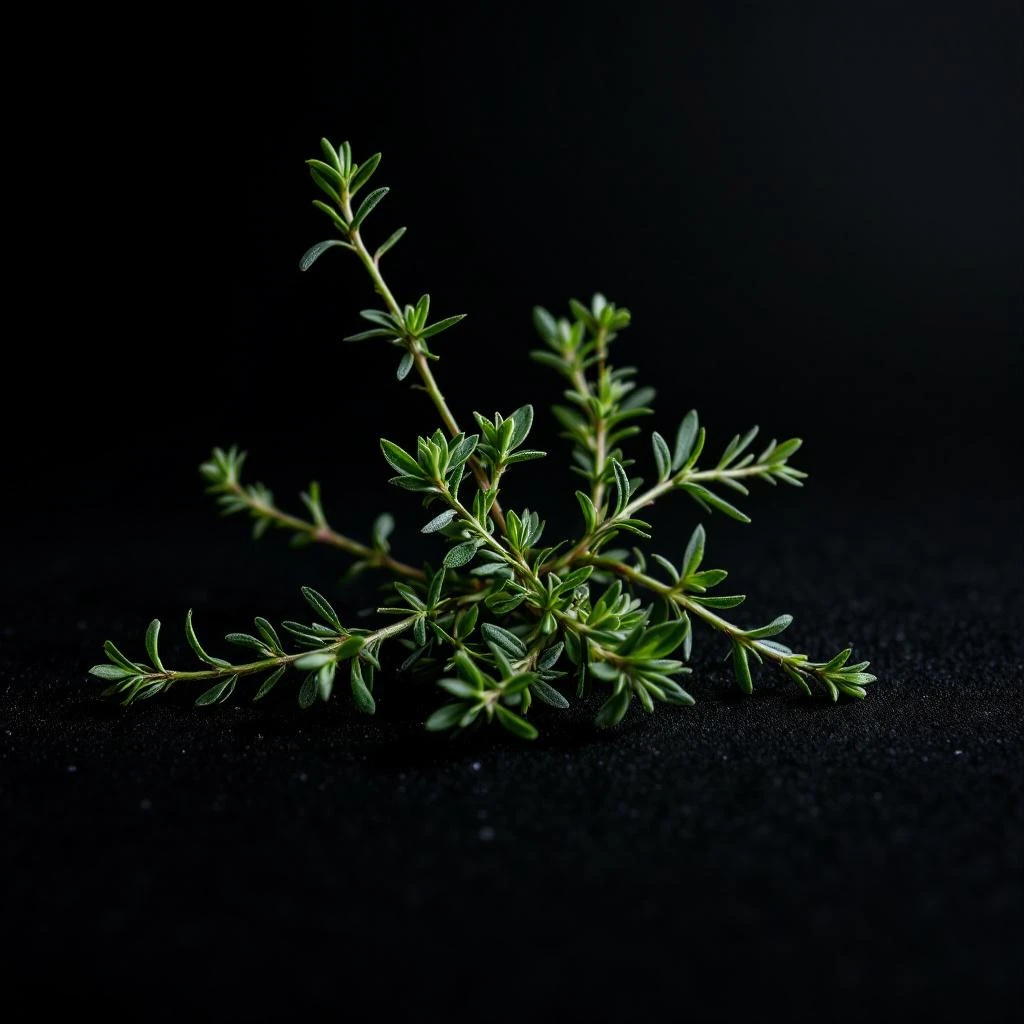
Blue Sage
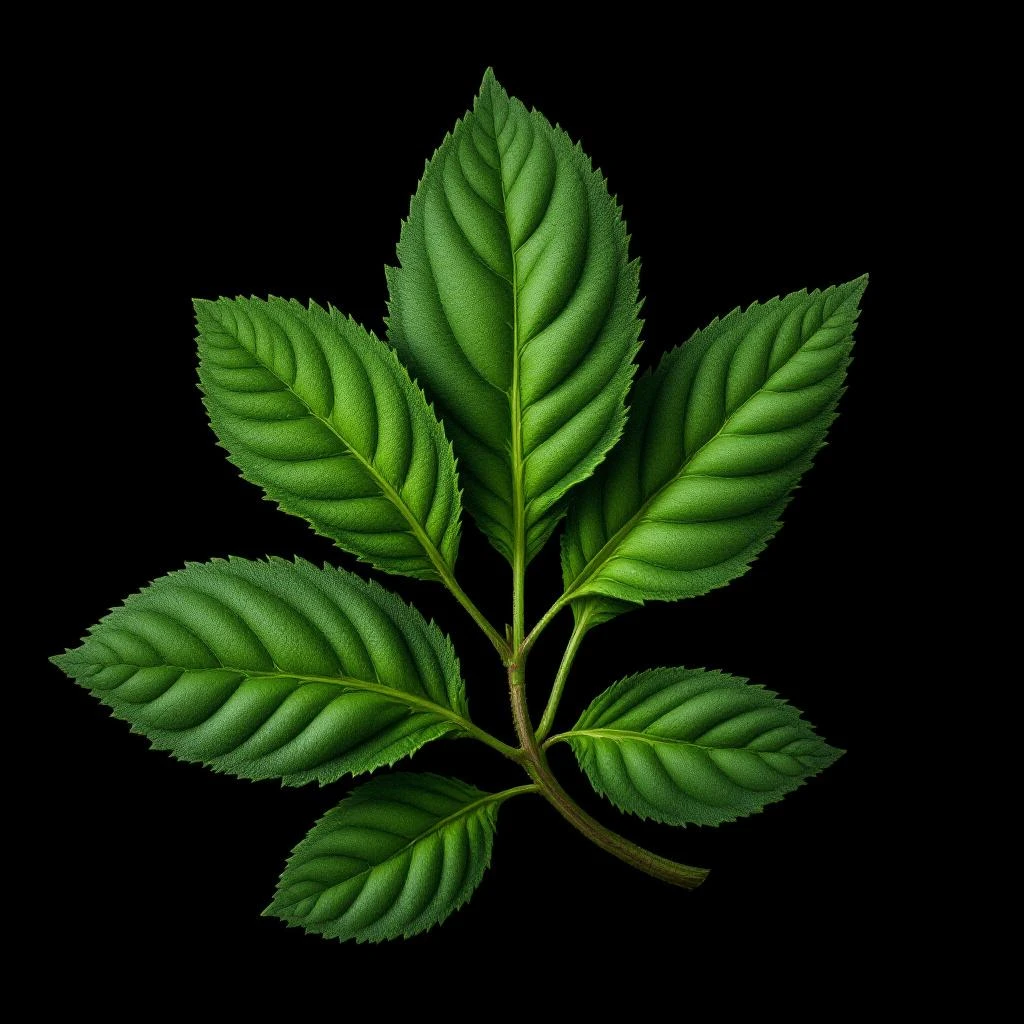
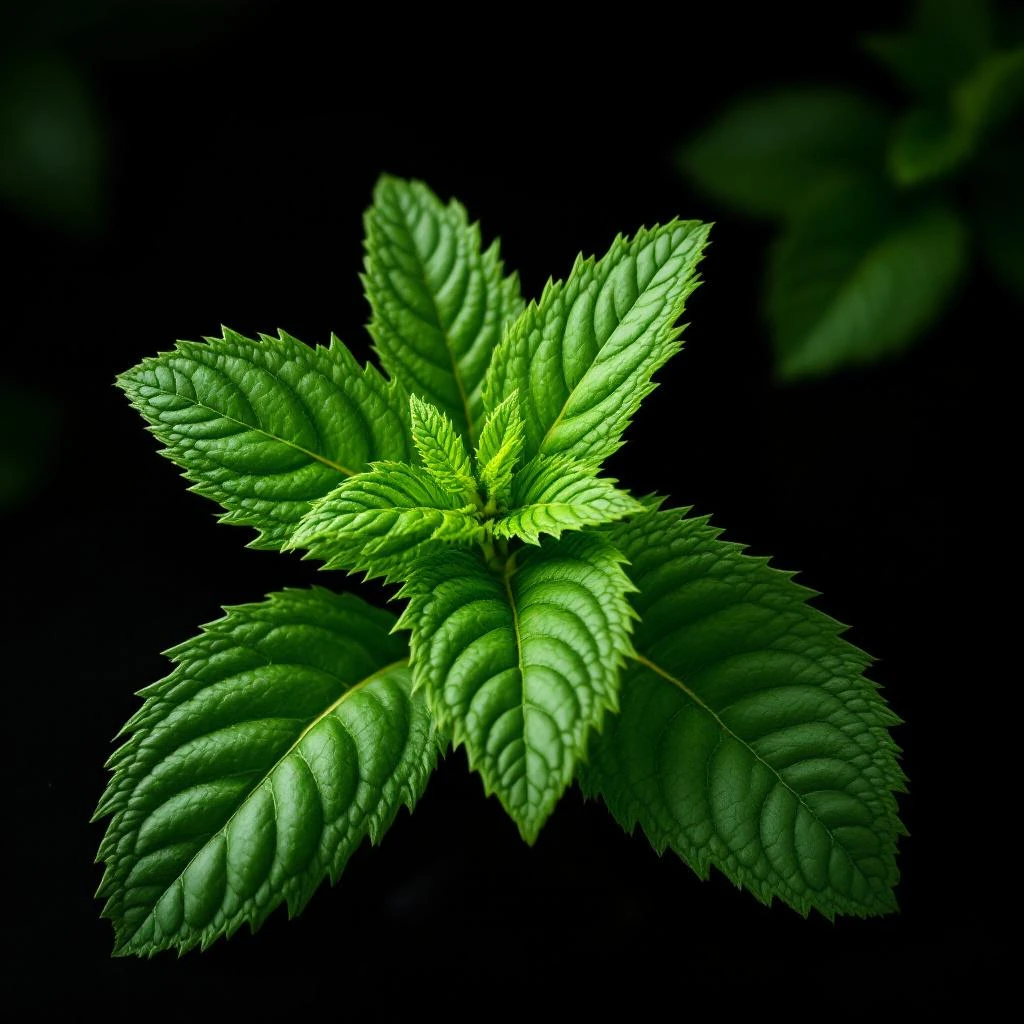
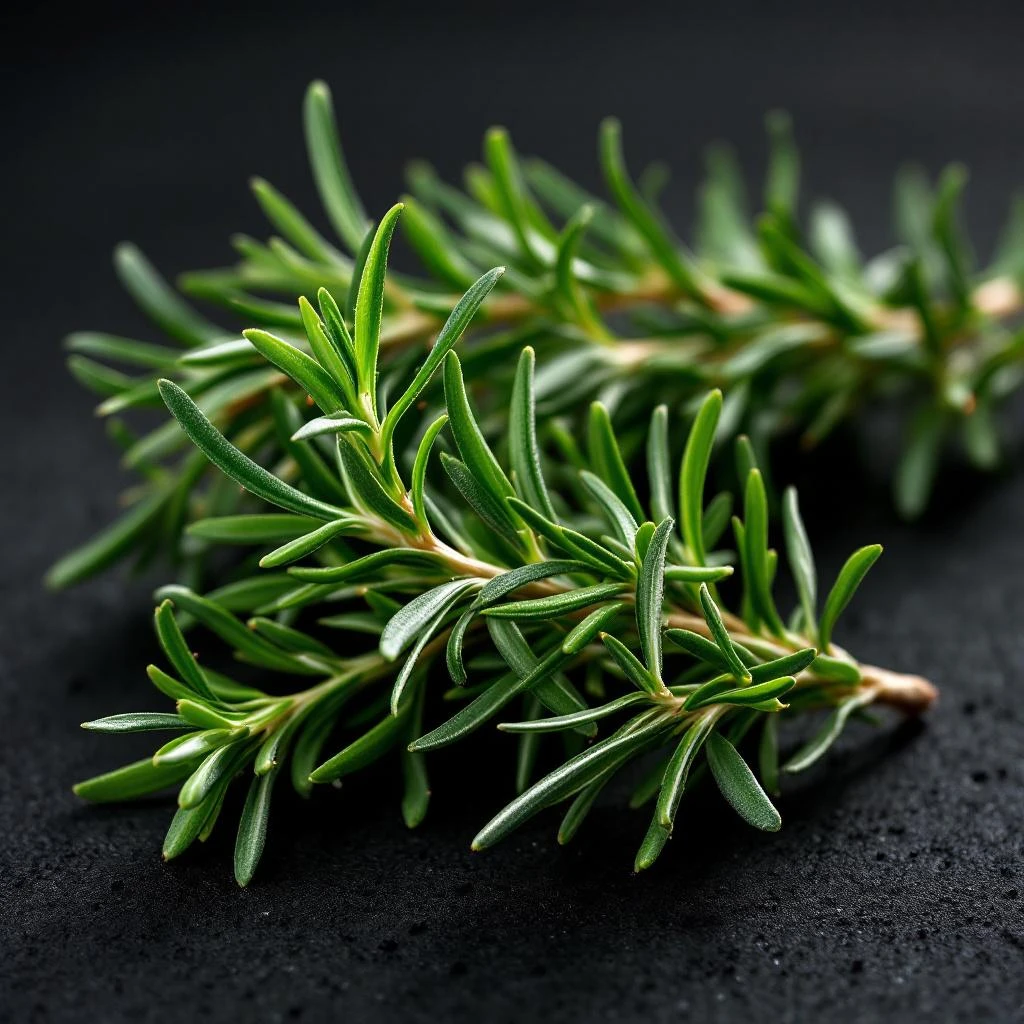
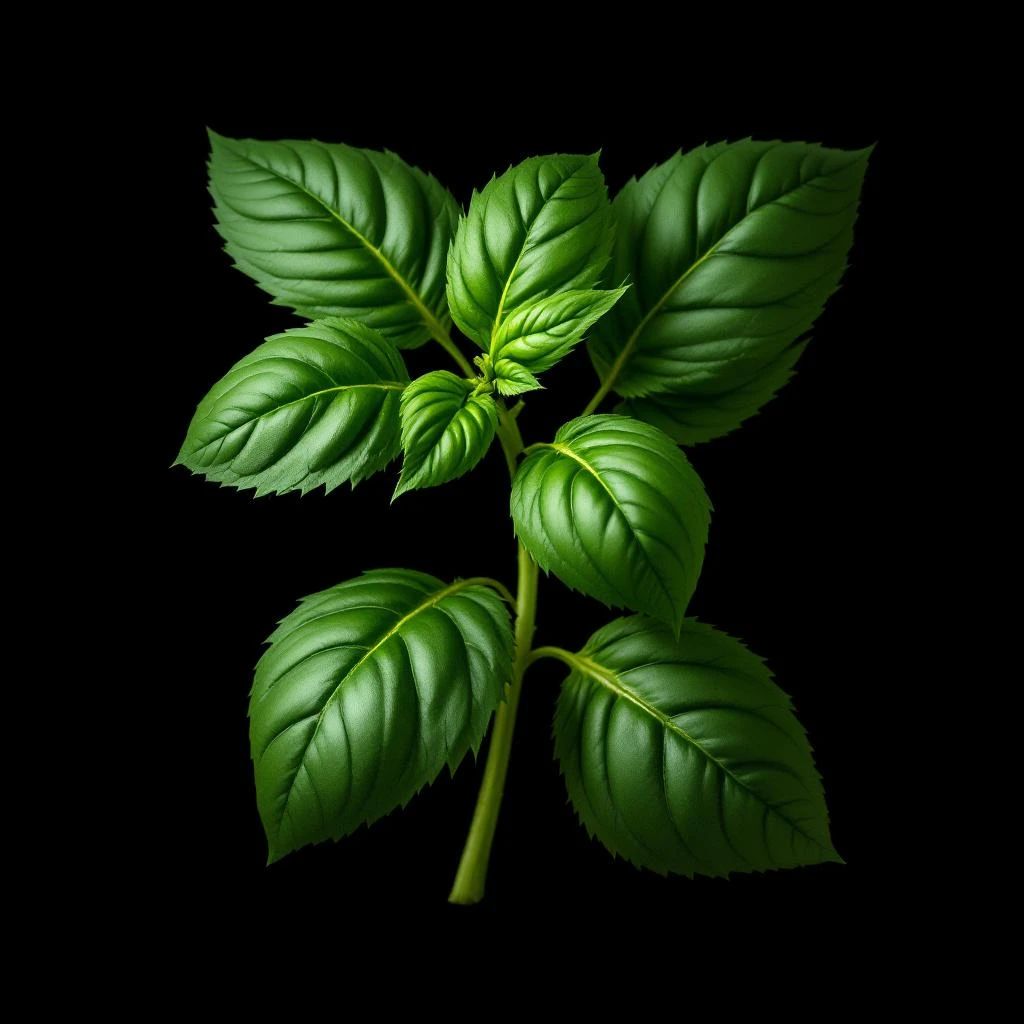
Blue sage delivers a bright, herbaceous scent that balances sharp green notes with a whisper of citrus, creating a clean and invigorating accent in modern compositions.
Character
How it smells
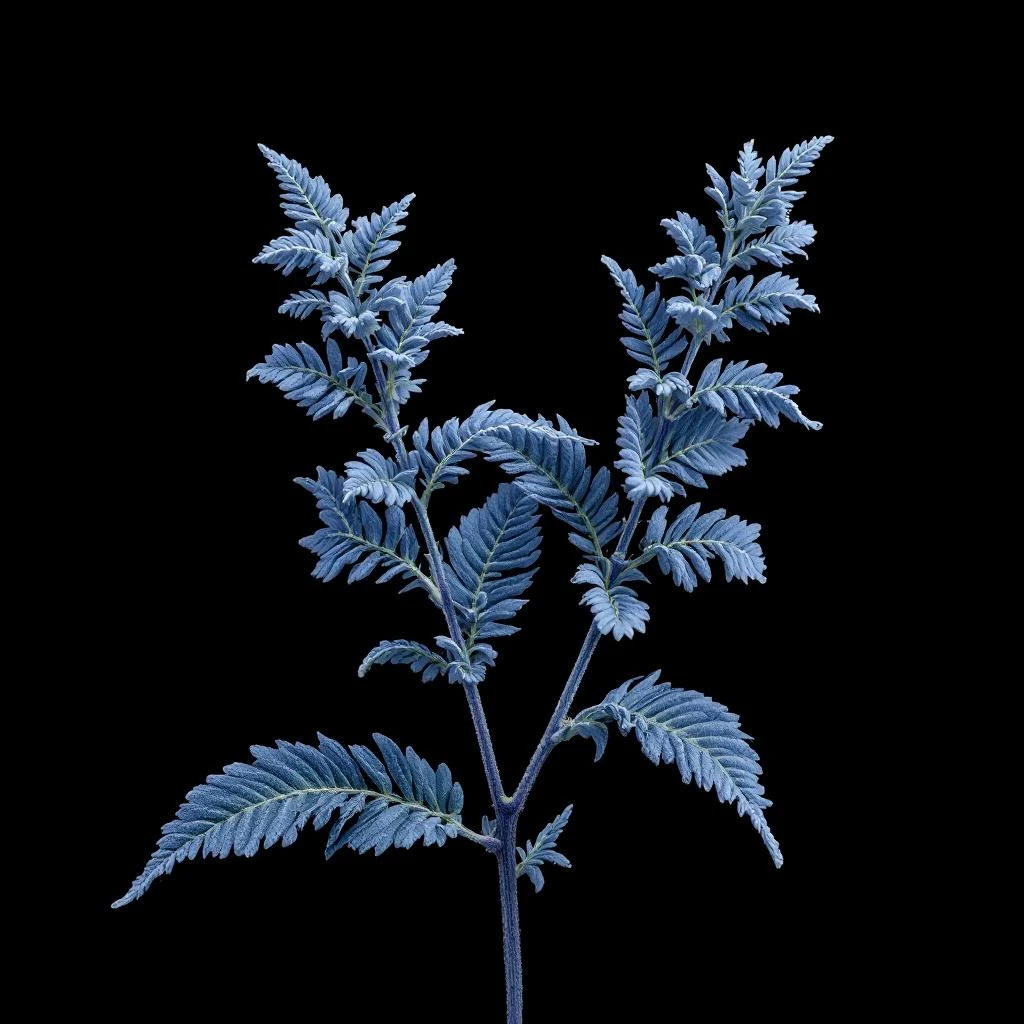
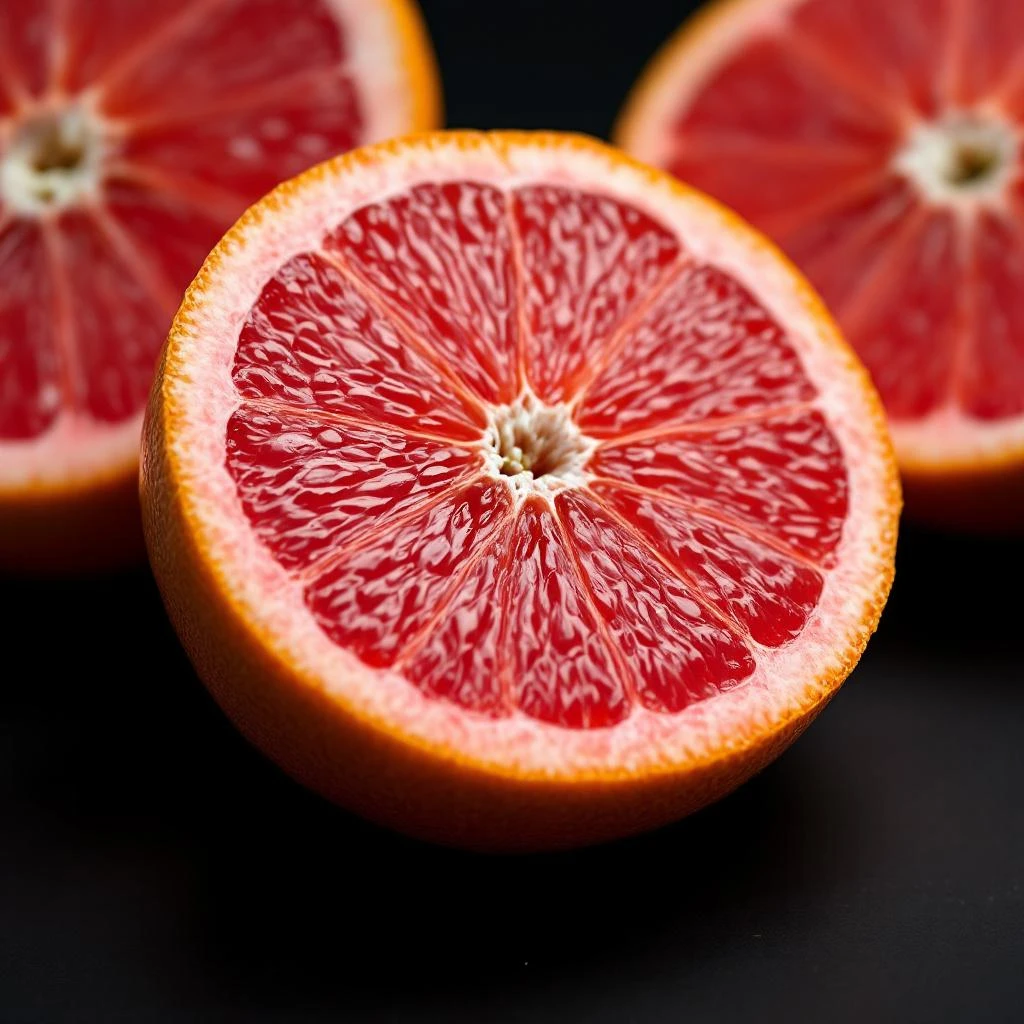
Fresh herbaceous clarity with a citrus edge.
Blue sage oil contains up to 50 % camphor, a compound also used in traditional medicinal balms for its cooling effect.







Origin
Italy
Blue sage traces its roots to the Mediterranean hills where ancient herbalists prized sage for ritual cleansing. By the 5th century BCE, Greek physicians recorded sage's antiseptic qualities, noting its sharp scent as a sign of purity. Roman soldiers carried dried sage bundles on campaigns, believing the herb warded off illness.
During the Middle Ages, monastic gardens cultivated sage for both culinary and medicinal purposes, and its oil began appearing in early alchemical tinctures. The 18th century saw the first documented steam distillation of sage in France, a technique that spread across Europe and laid the groundwork for modern perfumery. In the early 1900s, French perfume houses introduced blue sage as a top note, exploiting its bright green character to balance heavier amber and floral accords.
Today, blue sage remains a staple in niche fragrances, valued for its ability to impart clarity without overwhelming sweetness.
Wears it best
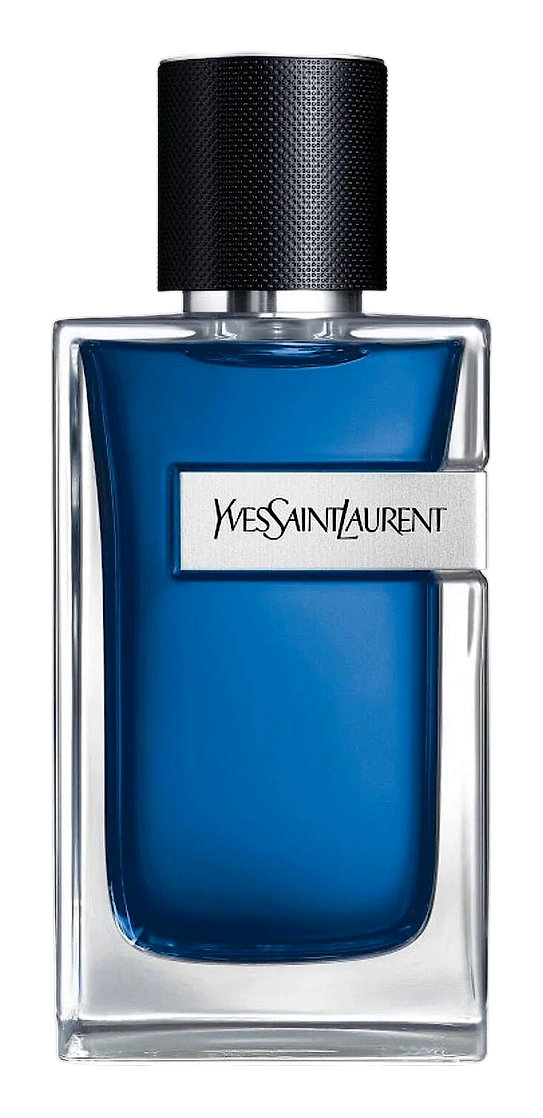
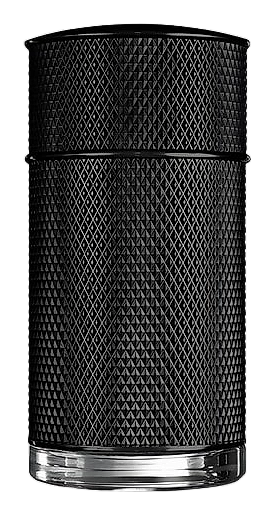
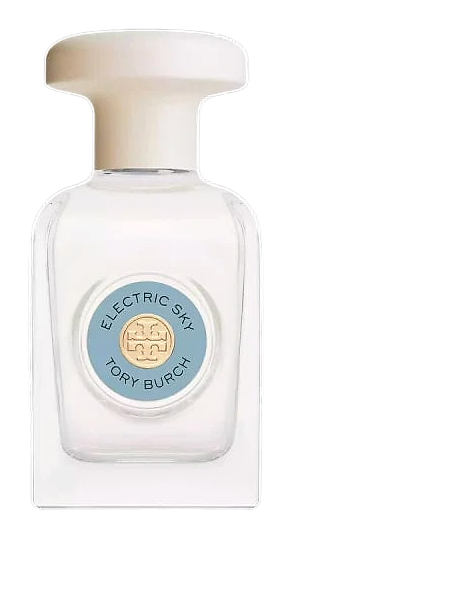
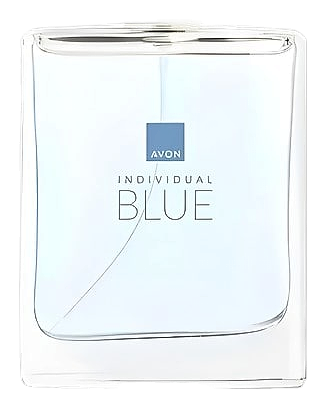
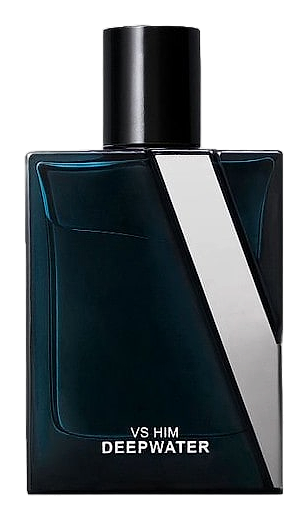
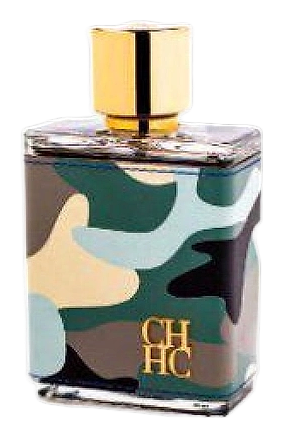
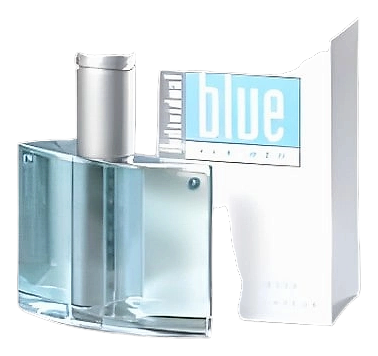
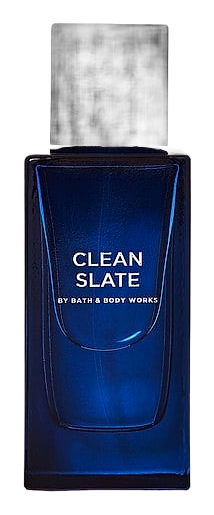
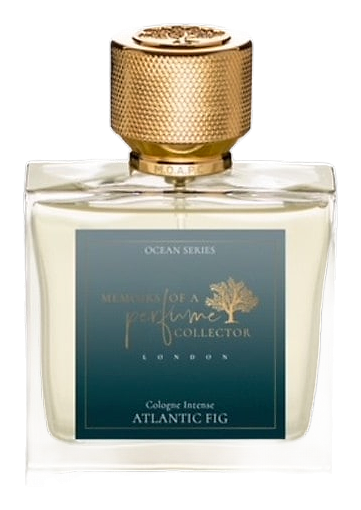
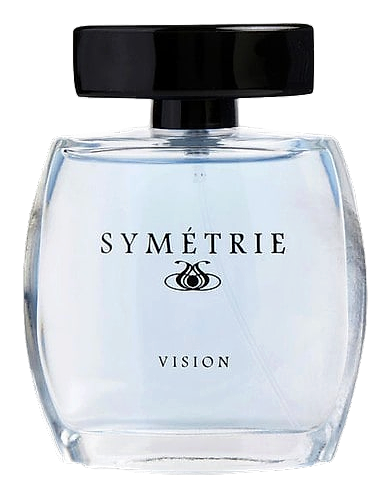
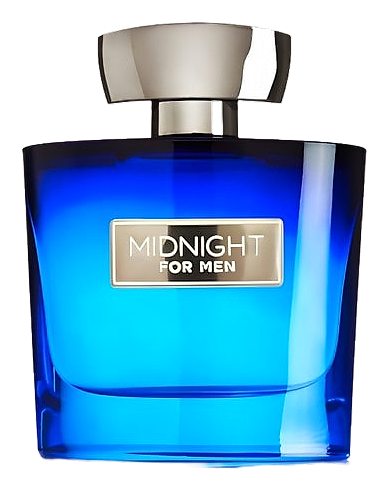
Fragrances featuring Blue Sage
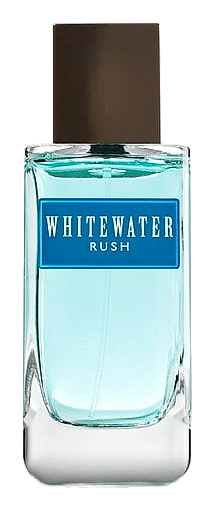
Brands
Brands known for Blue Sage
Good to know
Questions, answered
The essentials on Blue Sage in perfumery: how it smells, where it comes from, and how it behaves on skin.
What does blue sage smell like?
Blue sage offers a crisp, herbaceous aroma with a hint of citrus. In a 2021 GC‑MS analysis, the oil showed 45 % camphor and 12 % 1,8‑cineole, which drive its sharp green character.
How is blue sage oil extracted?
Blue sage oil is obtained by steam distillation of the plant's upper stems. The process runs at 100 °C for 2 hours, capturing volatile compounds while preserving their natural balance.
Which part of the plant provides the fragrance?
The upper stems of the blue sage plant yield the most aromatic oil. Harvesters cut stems at full bloom, ensuring maximum camphor and cineole content.
Where is blue sage primarily cultivated?
Blue sage thrives in the Mediterranean climate of central Italy. The region around Tuscany reports an average annual yield of 1.2 kg of oil per hectare.
Is blue sage considered a sustainable ingredient?
Blue sage can be harvested sustainably when growers rotate crops and limit stem removal to 30 % of each plant. A 2020 study recorded a 15 % increase in regrowth when this practice was followed.
How long does blue sage oil remain stable?
Stored in amber glass away from heat, blue sage oil retains its character for up to 3 years. Laboratory tests in 2019 showed less than 5 % oxidation after 36 months.
Can blue sage cause skin irritation?
Blue sage may irritate sensitive skin due to its camphor content. Patch‑test data from 2018 indicate a 2 % incidence of mild redness at 2 % concentration.
How does blue sage interact with other fragrance notes?
Blue sage brightens citrus and supports woody bases without overpowering them. In a 2022 blend trial, adding 5 % blue sage to a cedar‑amber mix lifted the overall freshness score by 12 %.